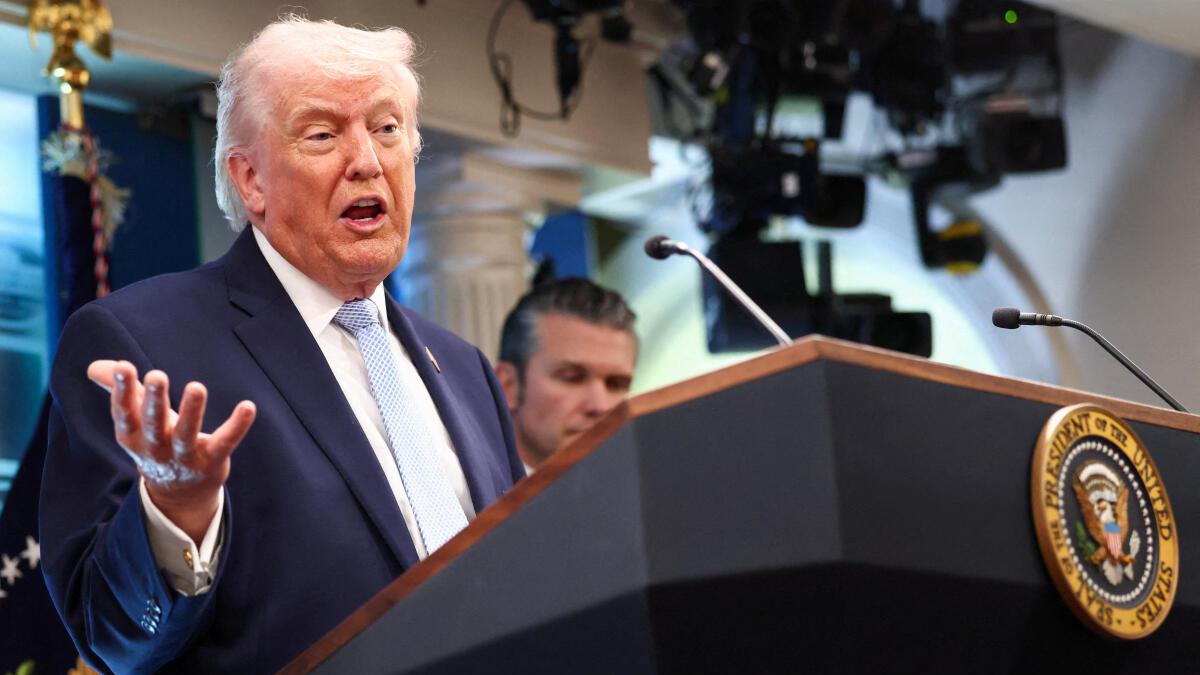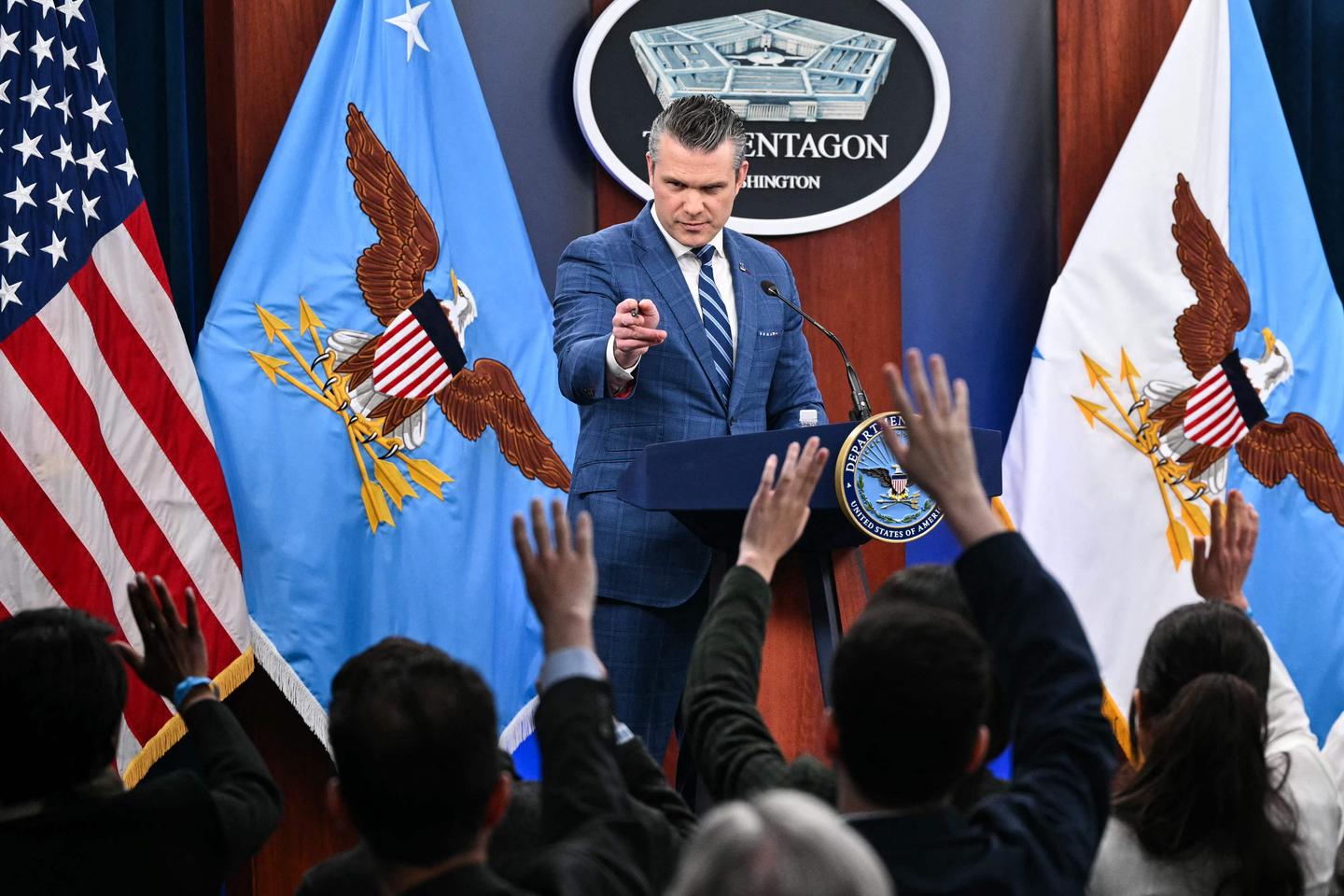
US Secretary of Defense Pete Hegseth in Washington, April 8, 2026. MANDEL NGAN/AFP
R
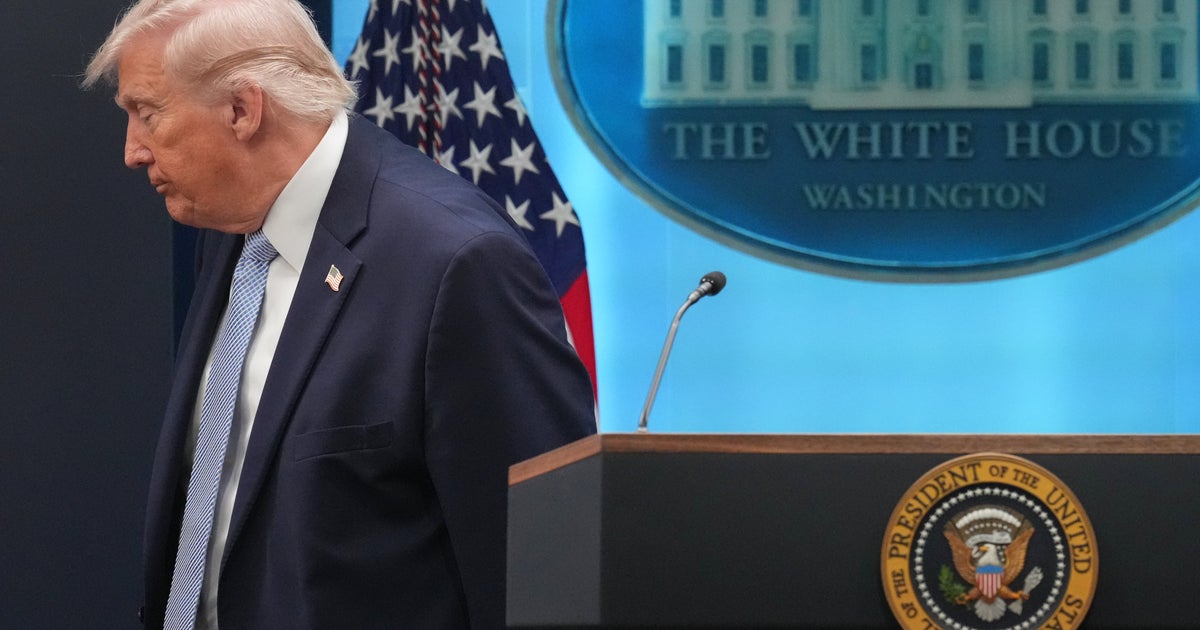
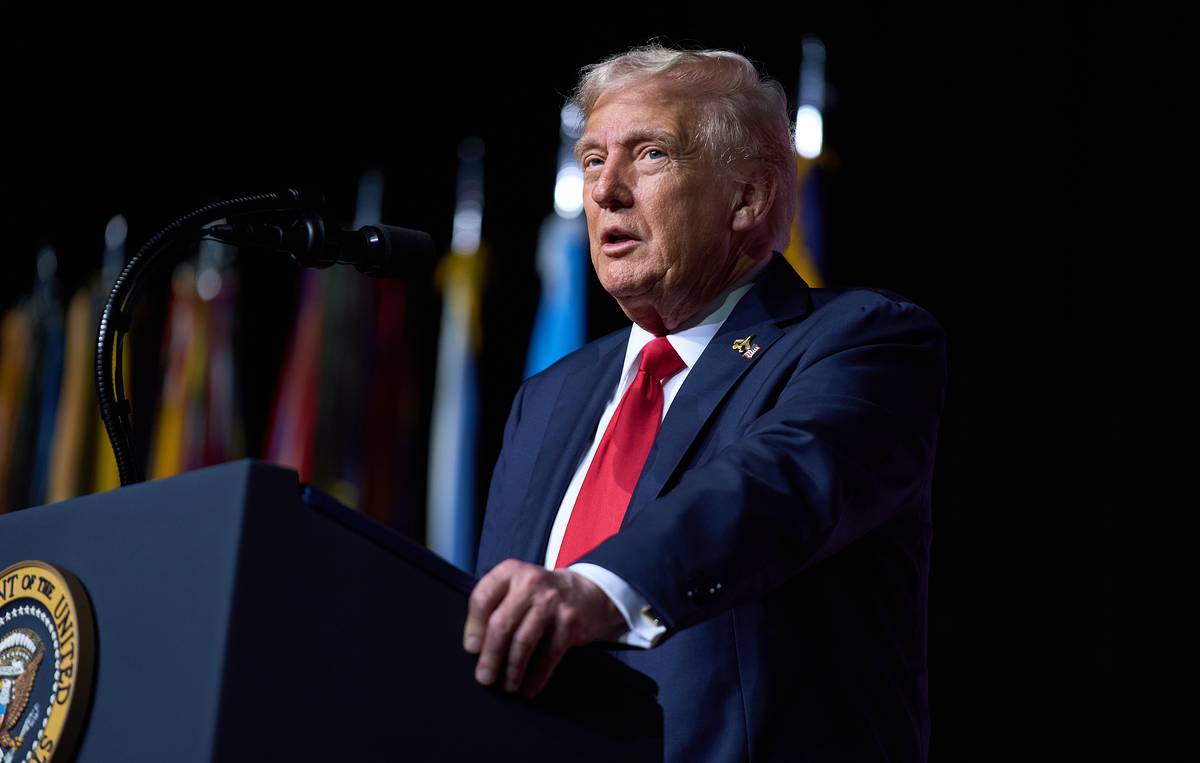
arely has the word "victory" sounded so hollow. The day after a two-week ceasefire was announced in Iran, with no tangible consequences in the region, the Trump administration sought on Wednesday, April 8, to persuade the American public that Operation Epic Fury had been a resounding success. At stake was the interpretation of the president's retreat – he had promised strikes on civilian infrastructure – as well as on the terms of the impending negotiations with Iran, scheduled to begin Friday in Pakistan.
Defense Secretary Pete Hegseth and Chief of the General Staff General Dan Caine outlined what they called "a capital-V military victory." They listed the destruction inflicted on the Iranian armed forces: "Approximately 80% of Iran's air defense systems," "more than 450 ballistic missile storage facilities," "more than 2,000 command and control nodes," "more than 90% of their regular fleet," "more than 95% of their naval mines," "more than 80% of their missile facilities gone" and so on.
What this triumphalist picture left out was the extent of Iran's remaining military capabilities (missiles and drones). The speakers also refrained from speculating on how quickly Iran could rearm if the ceasefire held.