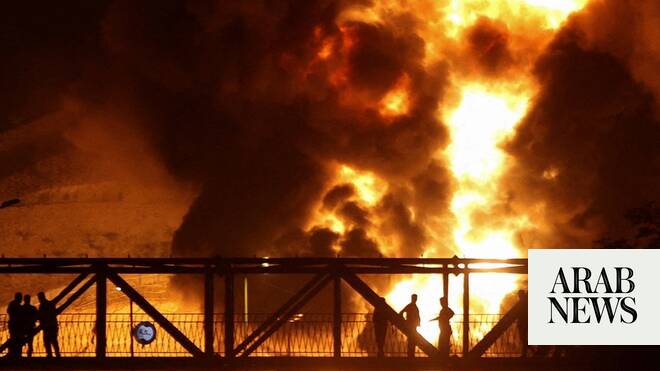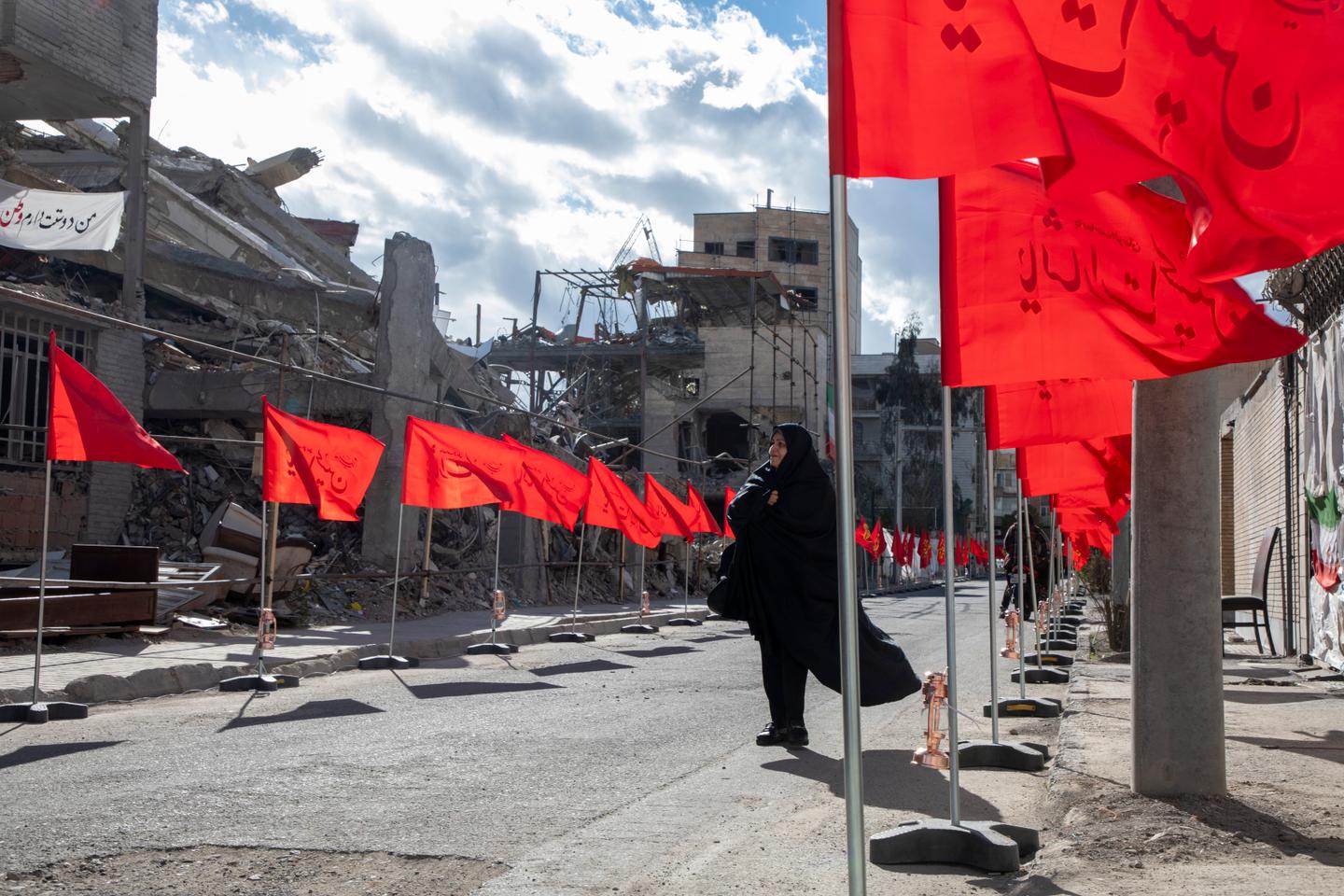
A woman walks past buildings destroyed in a joint attack by Israel and the United States on April 6, 2026, in Tehran, Iran. MAJID SAEEDI / GETTY IMAGES
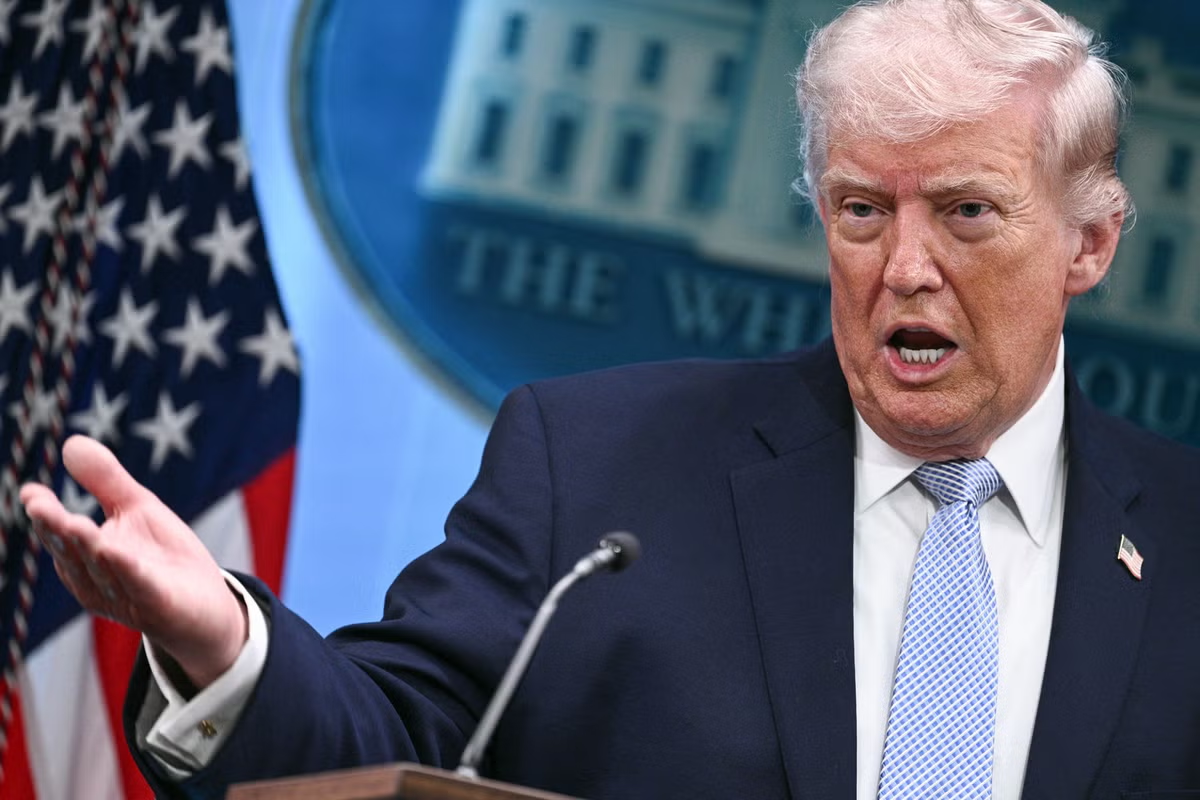
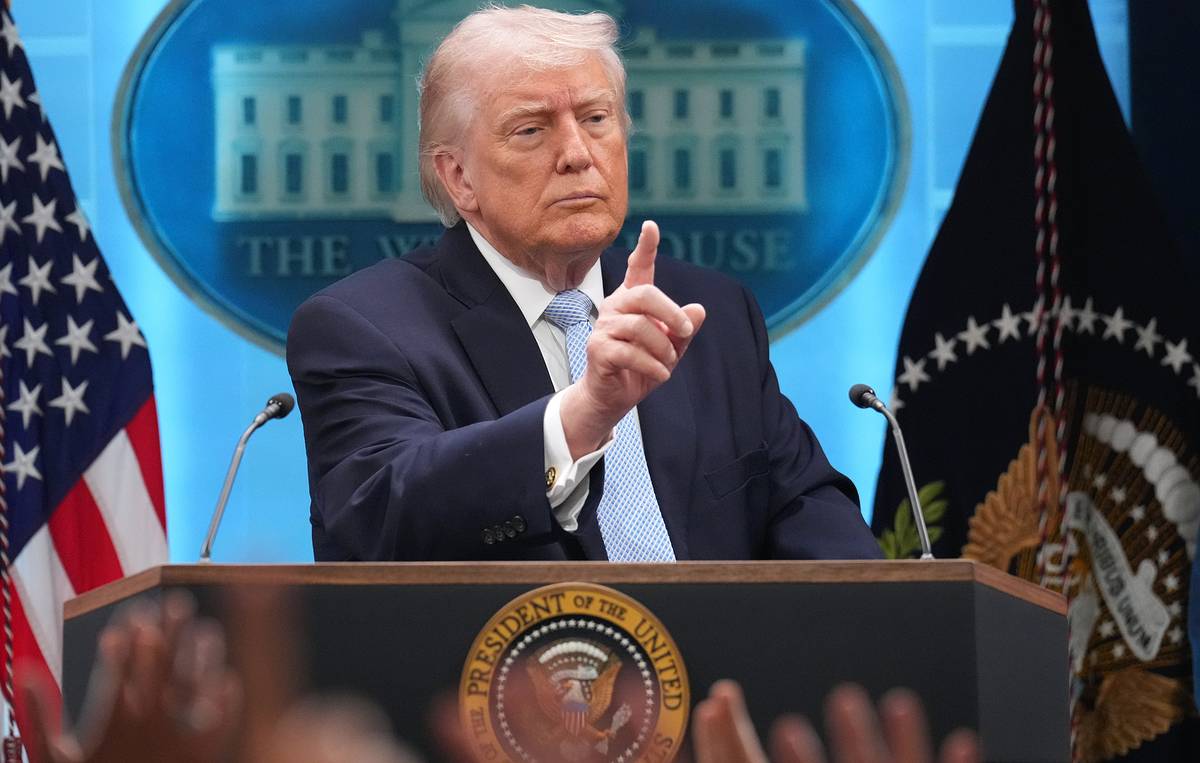
Donald Trump has agreed to step back from the brink. Tuesday, April 7, marked a turning point in the war in Iran, with consequences that are impossible to predict. That morning, the US president used genocidal language, threatening the extinction of Iran's civilization. By evening, less than an hour and a half before his ultimatum to the regime was set to expire, he announced a two-week ceasefire on his Truth Social network, following mediation by Pakistan. Trump agreed to "suspend the bombing and attack of Iran" in exchange for "the complete, immediate, and safe opening of the Strait of Hormuz." He also appeared to abandon – at least temporarily – his threat to destroy civilian infrastructure, starting with bridges and power plants.
"The reason for doing so is that we have already met and exceeded all military objectives, and are very far along with a definitive Agreement concerning longterm peace with Iran, and peace in the Middle East," Trump wrote. "We received a 10 point proposal from Iran, and believe it is a workable basis on which to negotiate." This burst of diplomatic optimism marks a complete reversal for the White House, reflecting the deadlock in which Trump had found himself.