I
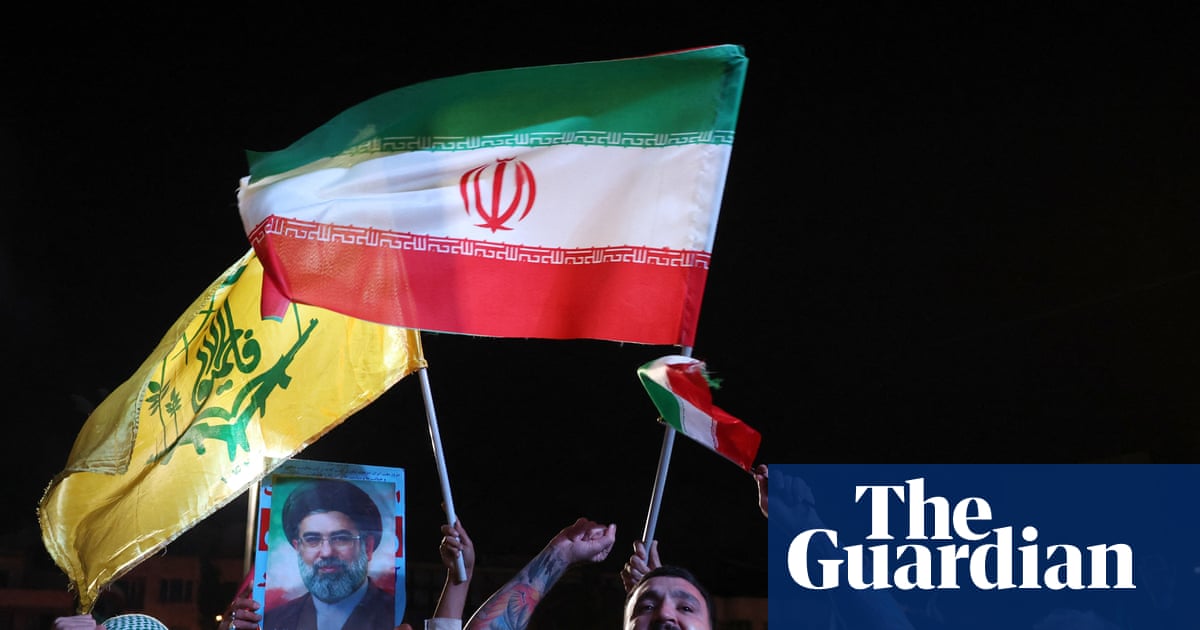
t is easier to start a war than to end one. Donald Trump learned this the hard way with the particularly faltering beginnings of the ceasefire announced Tuesday, April 7, with Iran, meant to bring an end to the conflict jointly launched by Israel and the United States on February 28. Disagreements over the framework for negotiations, over whether or not to extend the ceasefire to Lebanon – which on the same day was struck by particularly deadly new Israeli bombings – have made the path to de-escalation extraordinarily narrow.
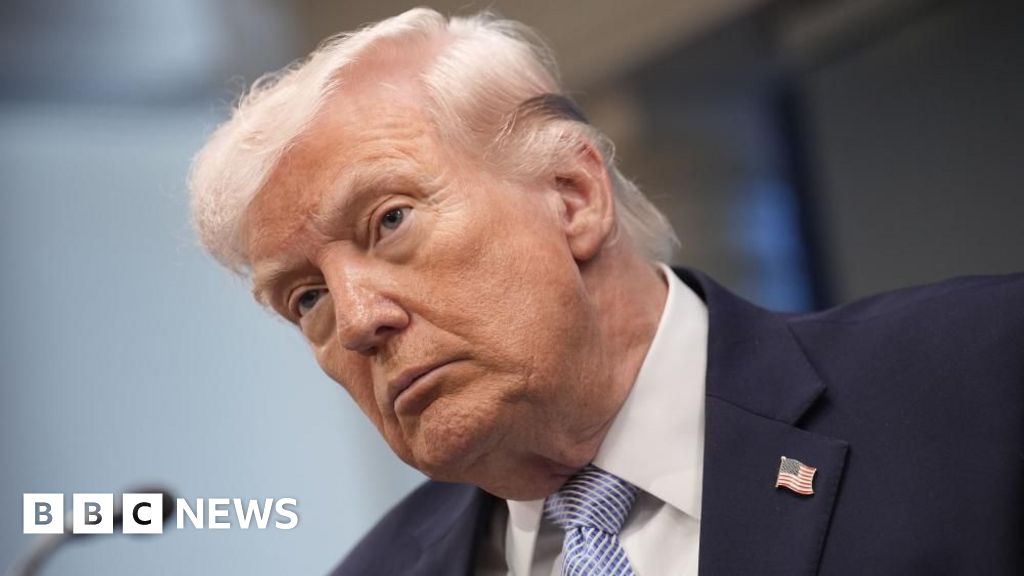
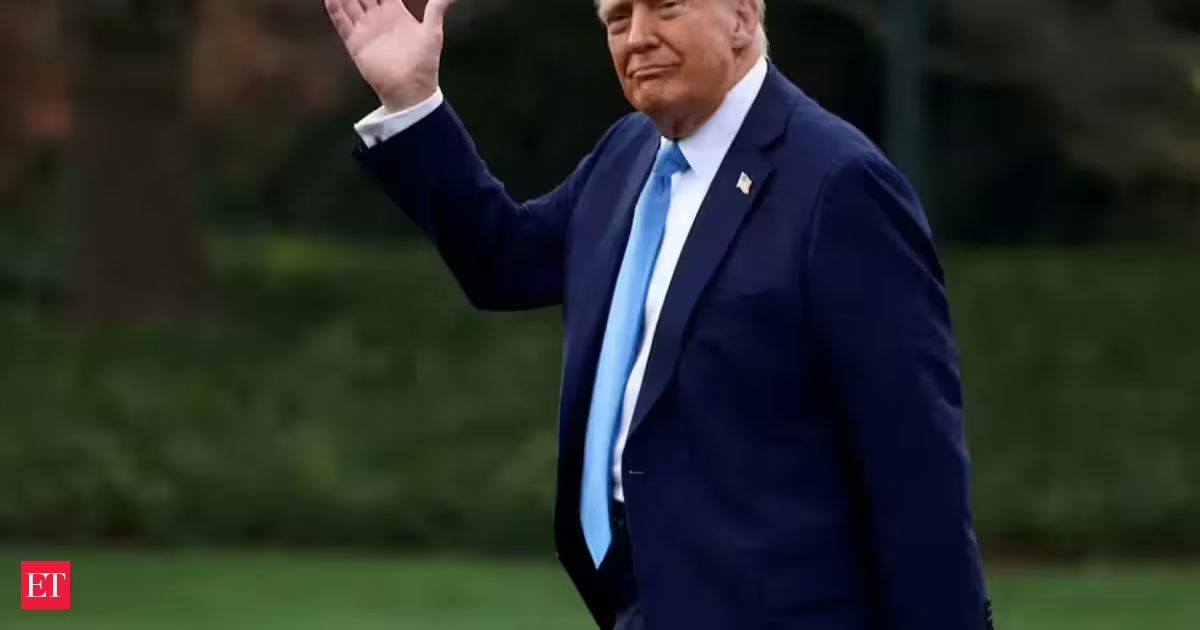
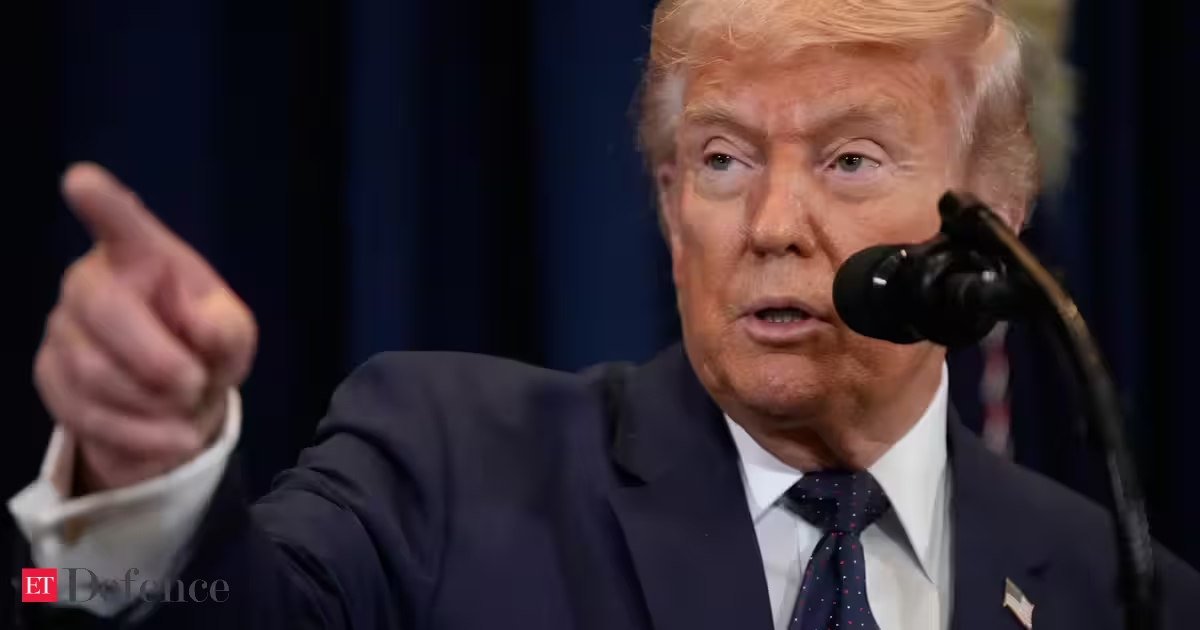
This confusion stems from the US president's eagerness to extricate himself from the trap into which he has rushed himself. After , even from the Vatican, Trump declared that a 10-point document summarizing Iran's maximalist positions was "a workable basis on which to negotiate." Yet these positions were incompatible with those of a president who, not long ago, was demanding Tehran's "unconditional surrender."
Everything indicates, however, that the time has come to give diplomacy another chance. Nearly six weeks of exceptionally intense bombing have highlighted the limits of military force. Trump had put forward three objectives to justify launching the war: toppling the regime in Tehran, striking at a nuclear program that was already declared to be "destroyed" after the brief June 2025 war initiated by Israel and, finally, neutralizing Iran's ballistic capabilities.