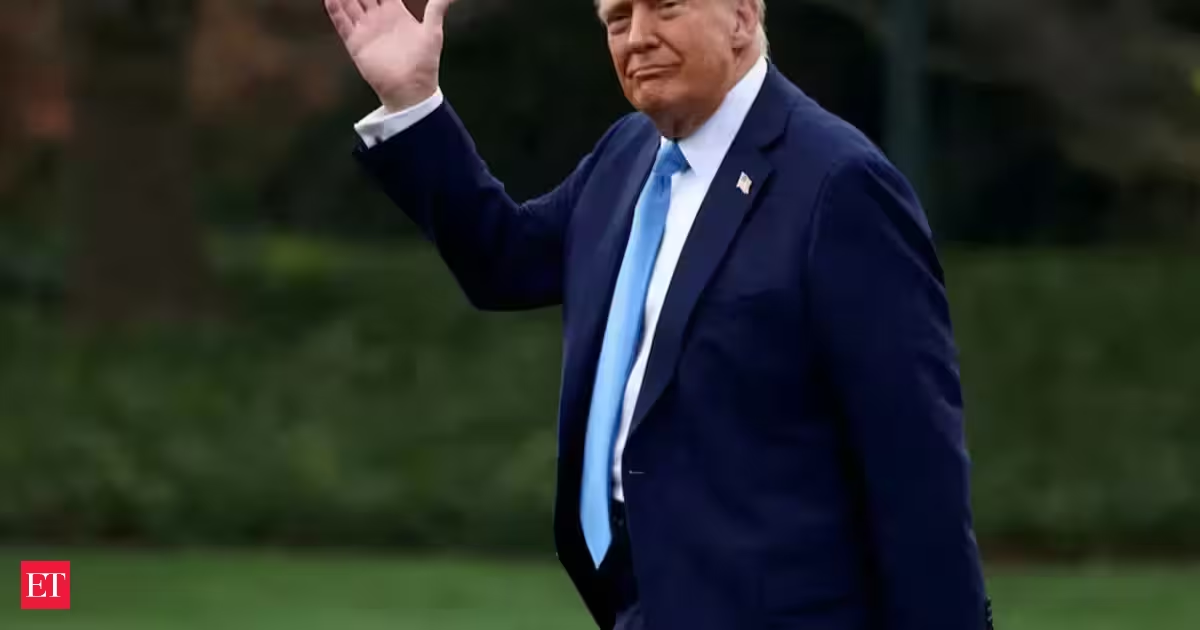
onald Trump, not known for his taste for theories, seems to be forging a new concept with the war he launched against Iran: strategic impatience. The president of the United States often defines himself in contrast to his first Democratic predecessor, Barack Obama. Obama's final national security strategy in 2015 argued that the challenges facing the US, many of which remain relevant today (Russian aggression in Ukraine, rivalry with China), required "strategic patience and persistence."
Critics, including within the Democratic Party, saw this as a recipe for passivity. In their eyes, his refusal to send weapons to Kyiv was the most obvious example – a dramatic decision in retrospect.
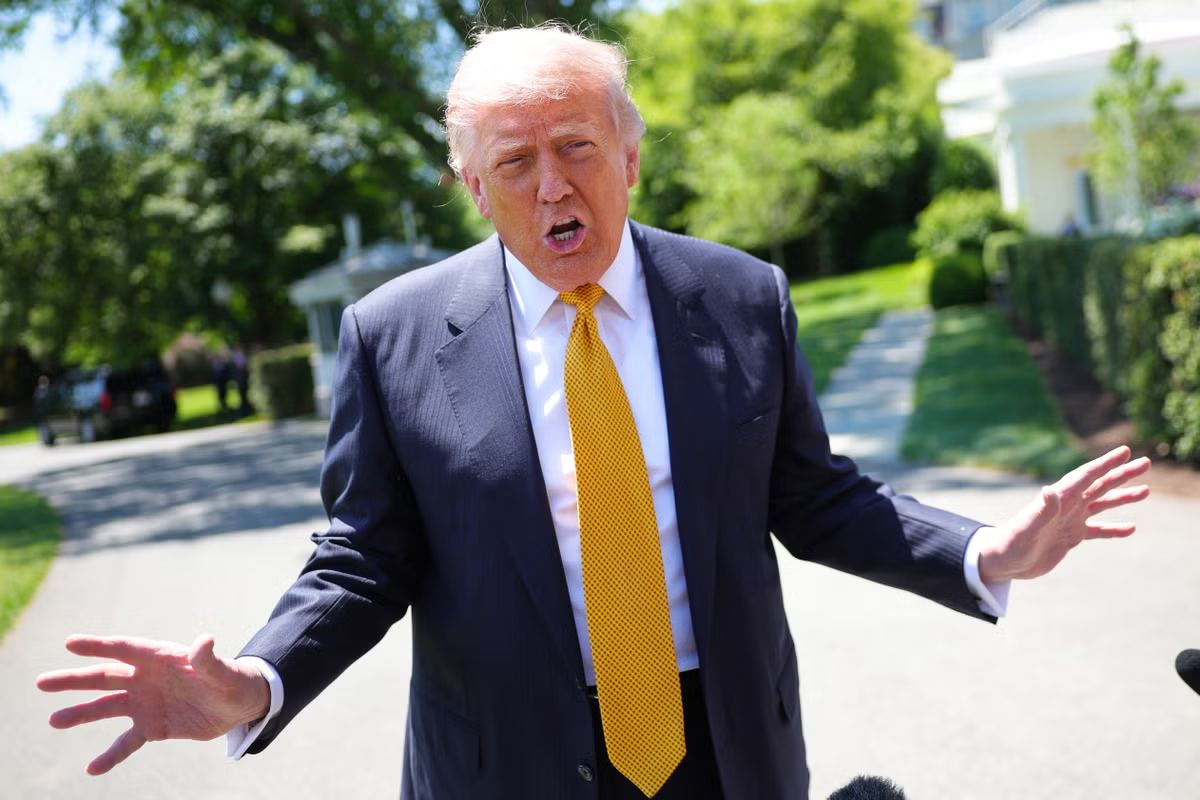
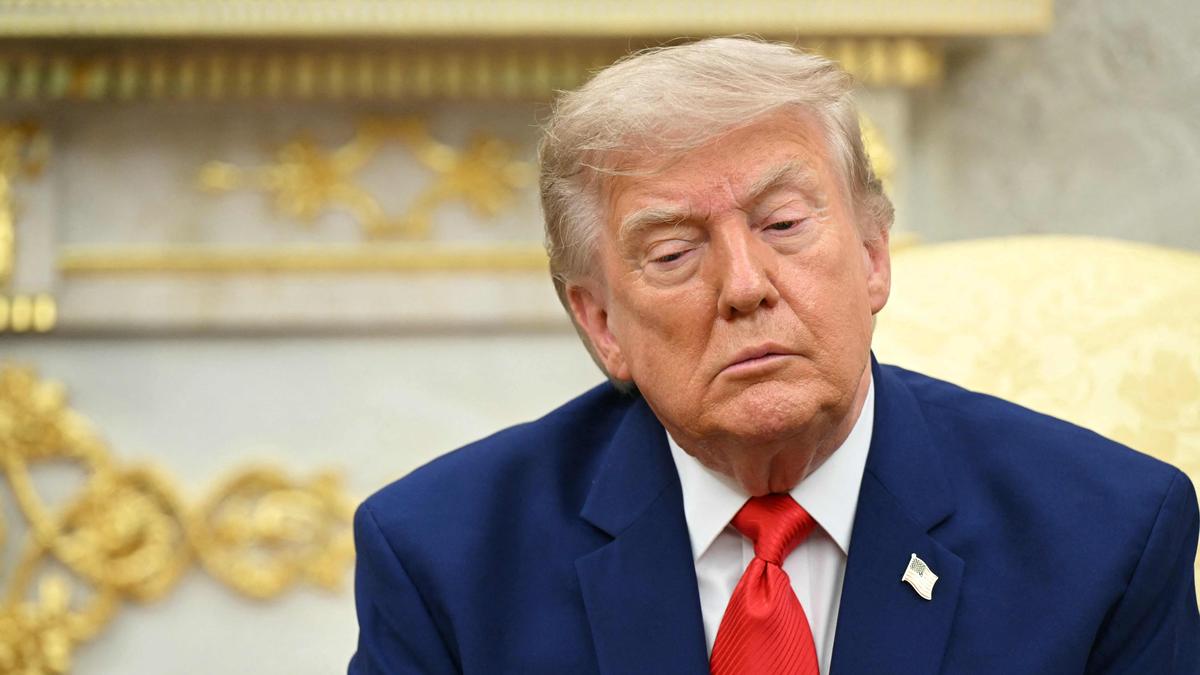
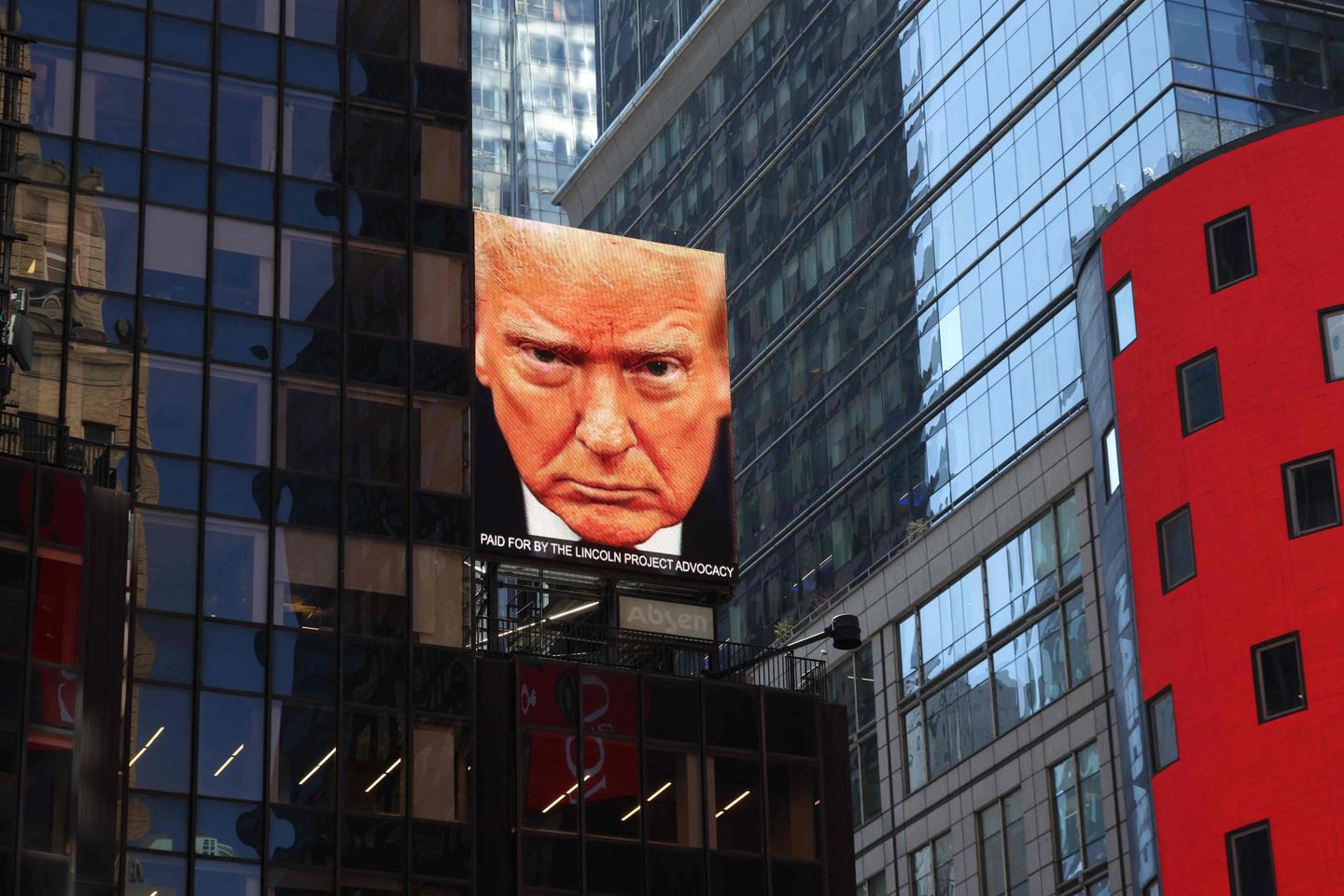
Back in the White House and rid of the "adults" who had restrained his impulses during his first term, Trump has chosen the opposite path: impulsiveness and constant reversals. This has gone hand in hand with a disregard for expertise and an outsized confidence in himself and a handful of advisers whose competence – from Ukraine to Gaza – has so far been woeful.
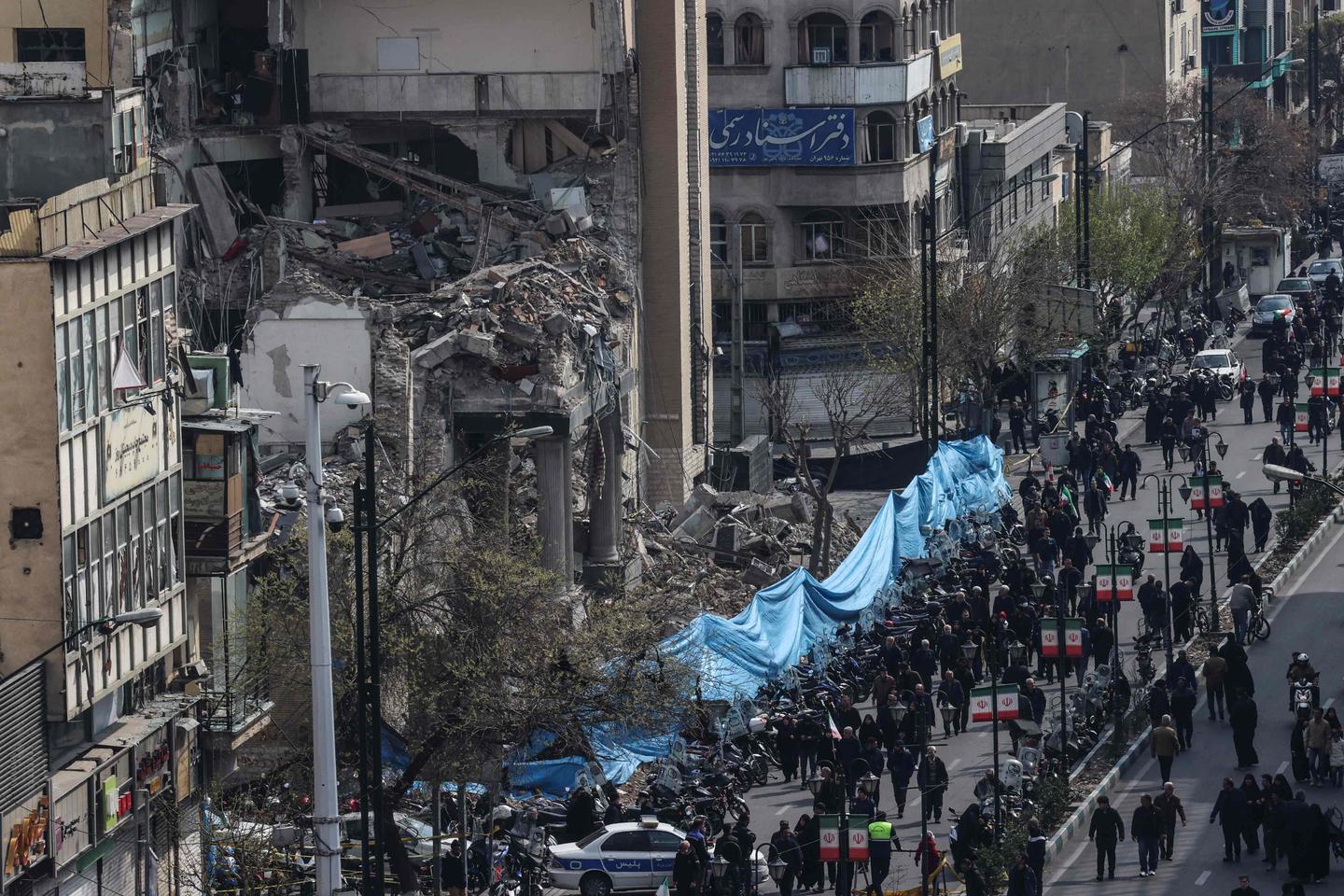
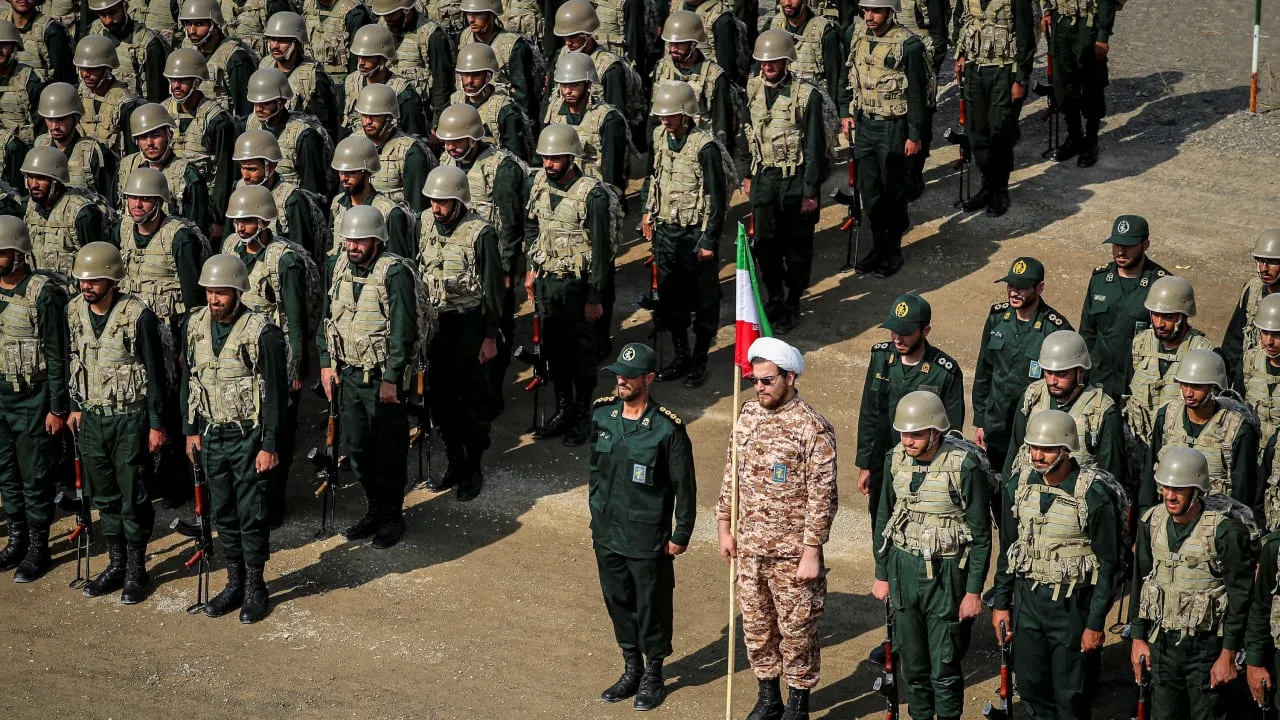
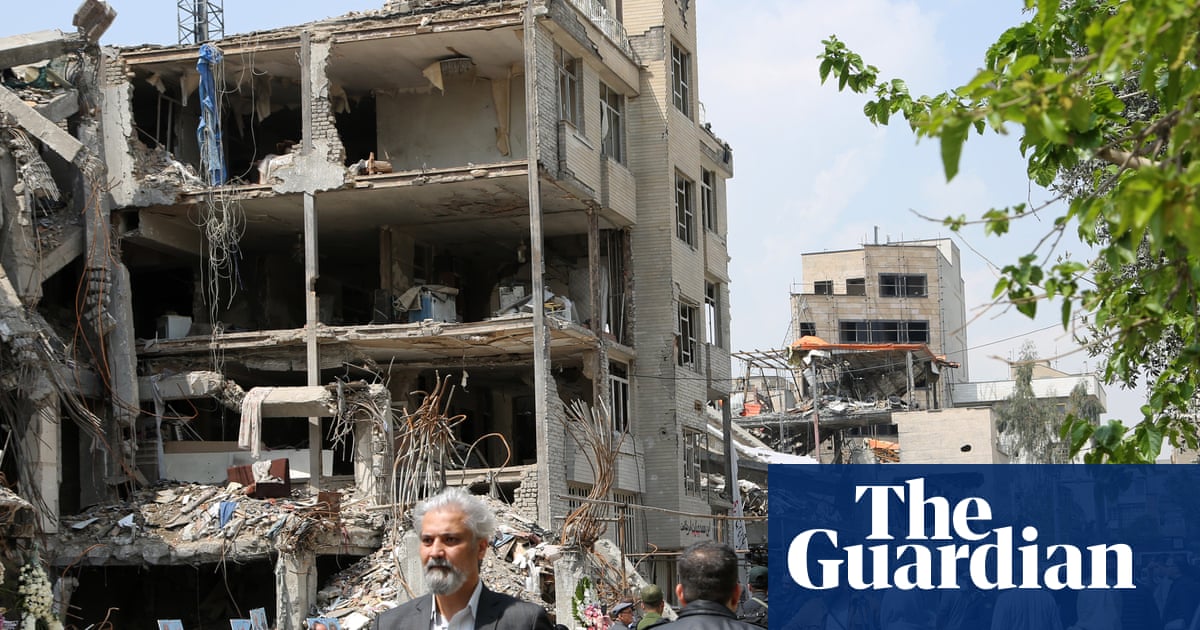
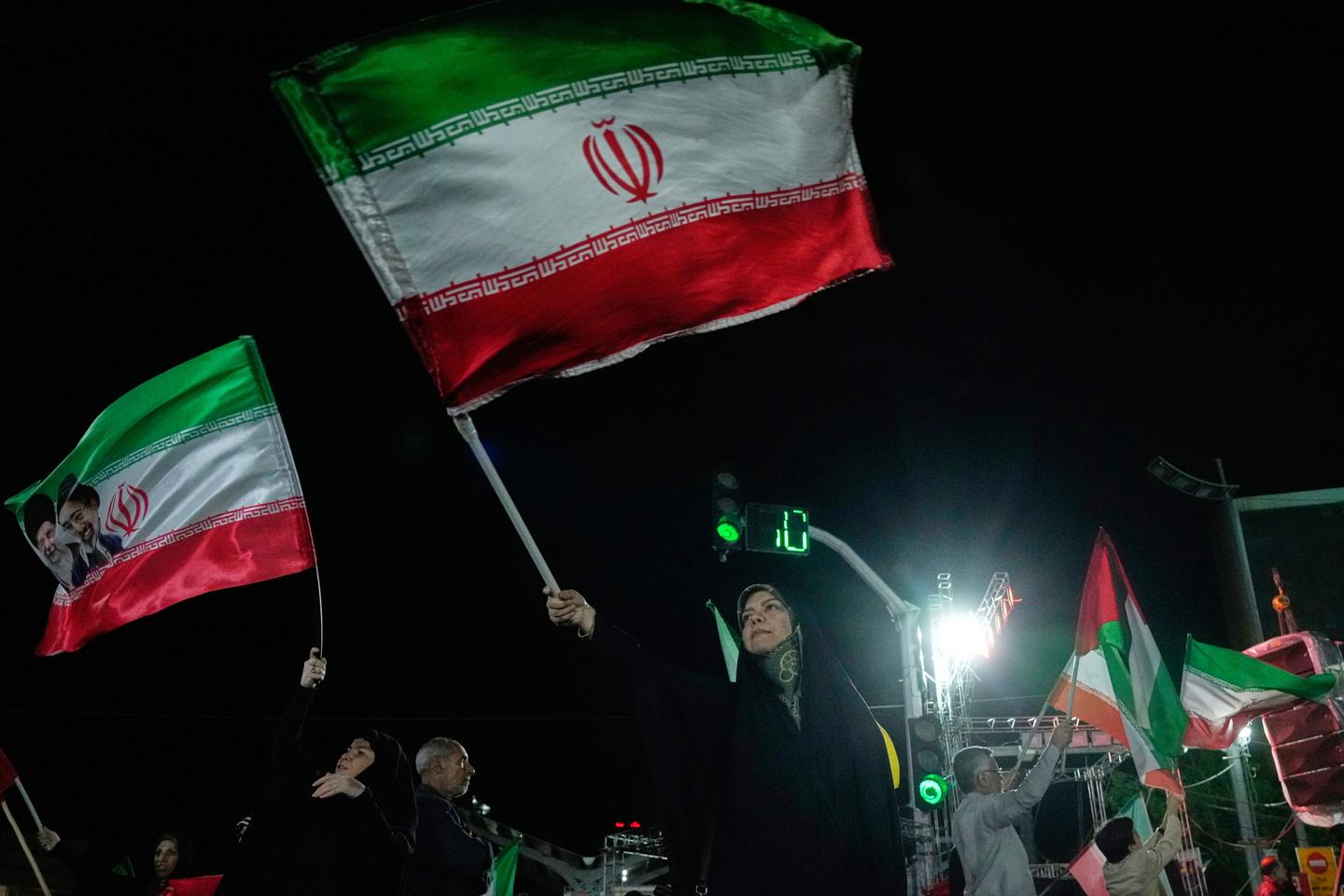
No one has ever claimed the concept of strategic impatience. Its drawbacks are immediately obvious to anyone. Applied to Iran, it has so far led Trump to a dead end – something not lost on what remains of the Iranian regime, quick to claim victory with the same emphasis as the president. Clarifying the contours of this Iranian victory, which still needs confirmation, it seems not without foundation, but it is also shadowed by uncertainty.