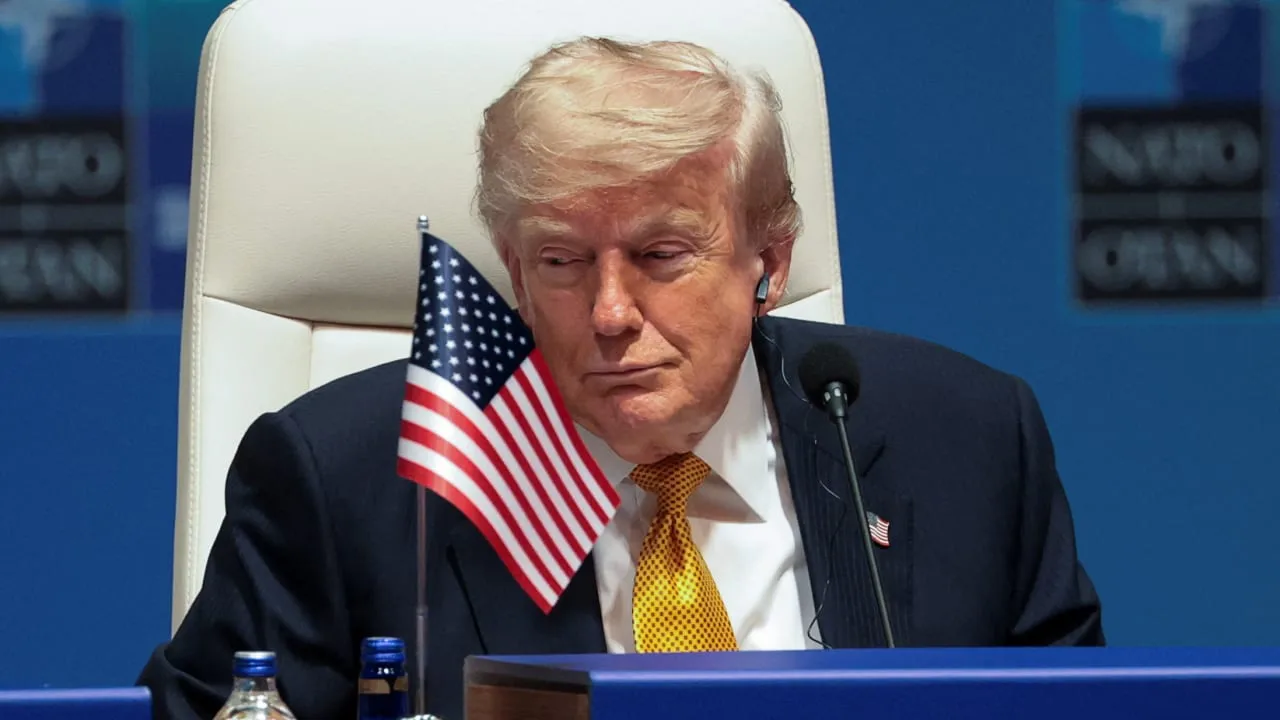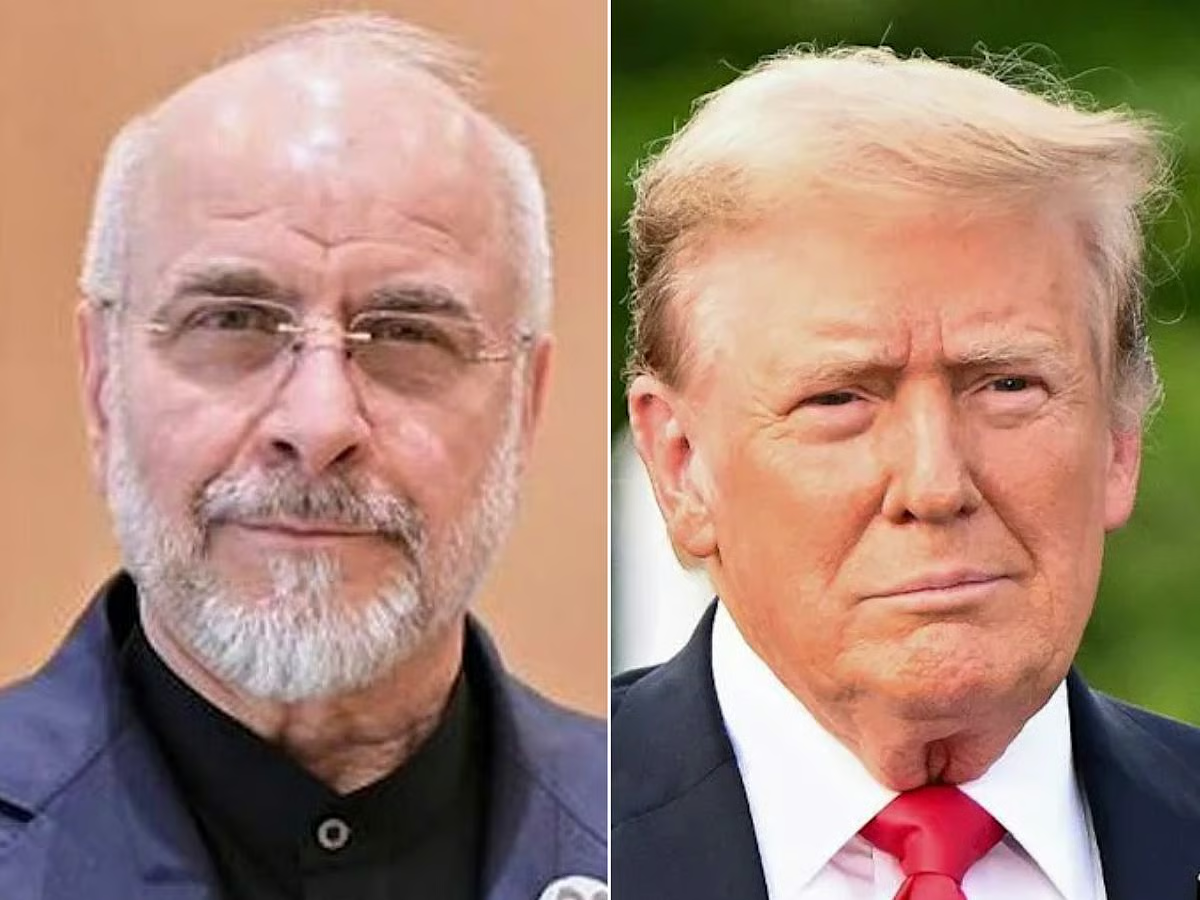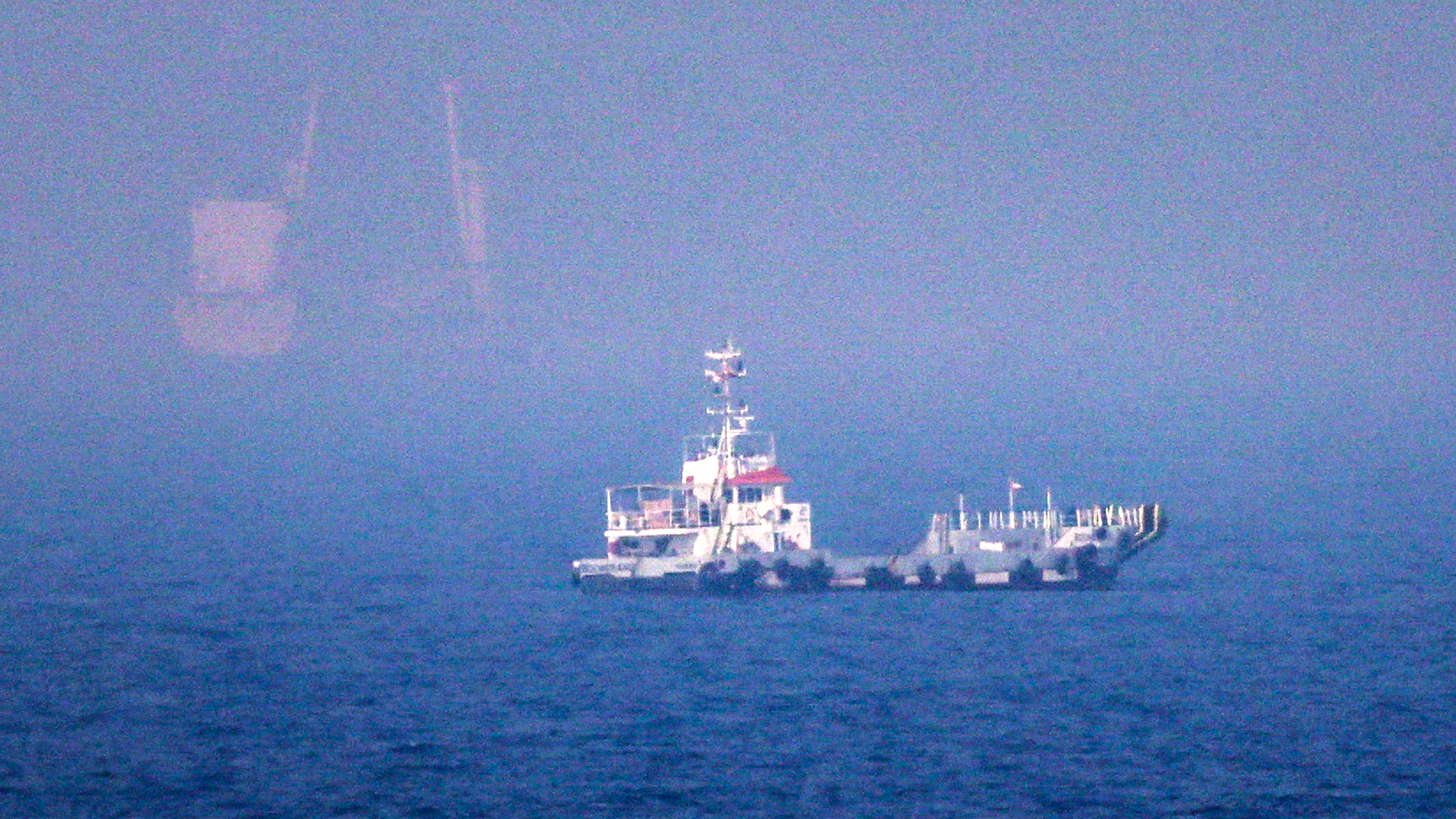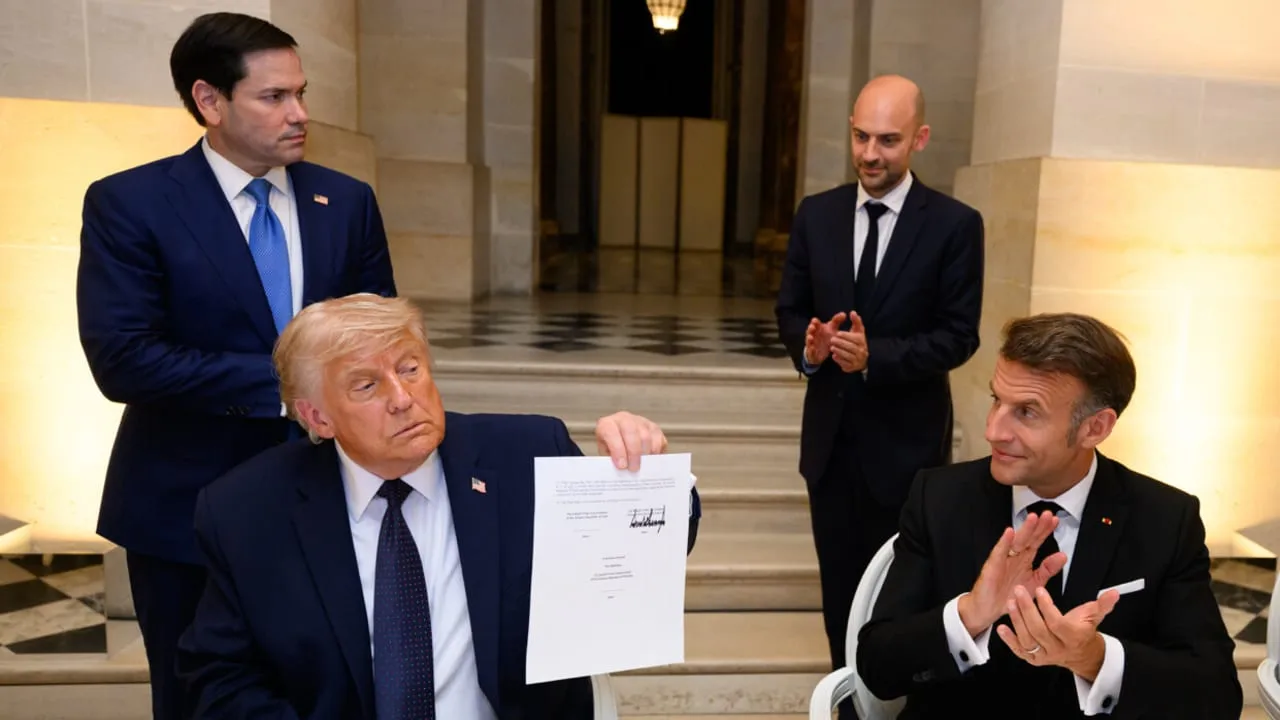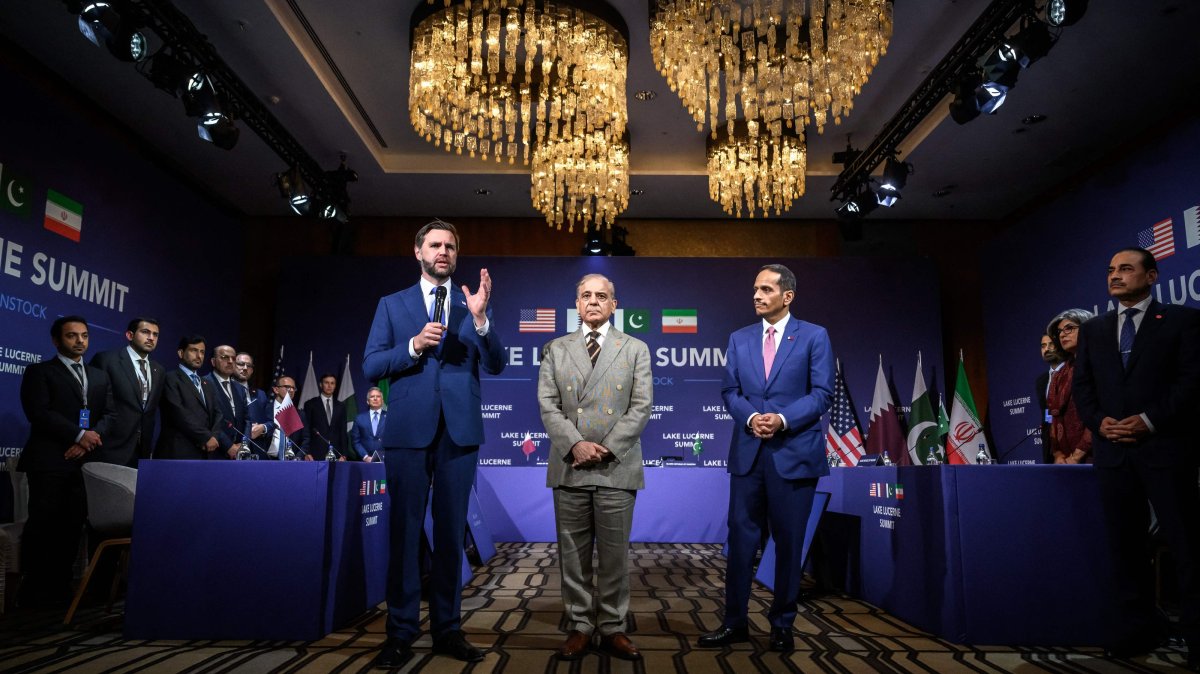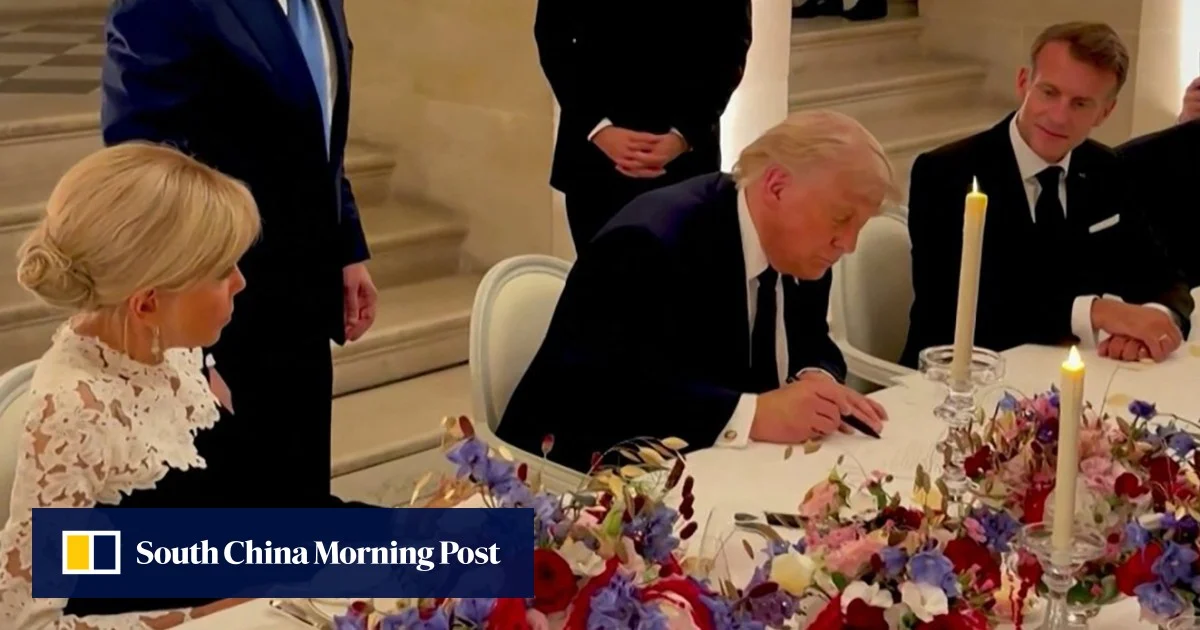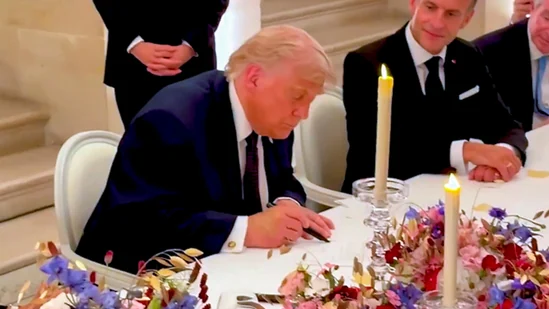
Taking the US-Iran Memorandum of Understanding (MOU) of June 17 as a bookmark, the power equilibrium in West Asia has significantly shifted even if another one is yet to take hold. The declared military objectives of neither the US nor Israel have been realised; instead, Iran is able to demand more as this MOU illustrates. It finds itself in a position to drive a hard bargain with a new potent lever of control over the Strait of Hormuz whilst the US eagerness to conclude a deal is amply evident; the unconventional manner of signing the MOU leaving blank the date and the place in the text indicates that.US Iran deal LIVE updates: In this screengrab from a video posted on June 18, 2026, US President Donald Trump signs the Iran Memorandum of Understanding at the Palace of Versailles, in France. (@WhiteHouse)The MOU commits the two signatories to certain results while other belligerents, like Israel and Hezbollah, are not its signatories. Much like the unimplemented US-negotiated Gaza Peace Plan (October 9, 2025), it extends an existing - albeit fragile - ceasefire (April 1, 2026) by another 60 days for sorting out the gut issues. Moreover, the earlier declared US demands, namely, prohibition of nuclear enrichment and evacuation of the highly enriched uranium, the missile programme, and Iranian support for regional proxies have been dropped or ambiguously worded. Focus is on Iran’s consent for reopening the Strait of Hormuz (contradictory US and Iranian claims about the position presently) along with its demands for release of frozen assets and for lifting of financial sanctions, including on oil sales. Also, there is provision for funding for the reconstruction of its infrastructure amounting to $ 300 billion (Qatar’s role is important here) and discussion between Iran, Oman and other Gulf countries for a new arrangement for commercial shipping through the Strait.First day’s face-to-face talks about implementation on June 21 in Switzerland, in the presence of the Pakistani and Qatari mediators, have led to small negotiating groups on different aspects of MOU with a high-level political oversight committee. The Iranian delegation frontloaded demands for ending the Lebanon conflict (an escalation through insistence on Israeli withdrawal), lifting sanctions on oil sales, unfreezing of its assets and lifting of sanctions – a sharp contrast with the US position on linking these to Iran’s “good behaviour” per MOU provisions.Negotiations are fraught, accompanied as they are by threatening statements from both sides – and, the Gaza Peace Plan playbook provides a reality touch to these proceedings. The looming midterm elections (constraining any large-scale military operations including ground) versus the MOU’s tepid reception complicate US’s bargaining position; attraction of faster financial easing notwithstanding, explicit and implicit acceptance of the Iranian regional leverage through its proxies and the missile programme provides it a significant strategic incentive to further tilt the balance of regional power in its favour. Fissures among the Gulf States are out in the open as their sense of insecurity is high because of Iranian attacks and its domination of the Persian Gulf and the Strait of Hormuz despite their strong military relationships with the US forcing them to adjust to a “new” strategic reality. Iran’s chief negotiator, Parliament Speaker Mohammad Bagher Ghalibaf, is now a Special Representative for China as well and has talked about a new regional bloc comprising Iran and China; the latter, being comfortable in its existing domestic petroleum capacity, is in no hurry to ramp up its purchases from the Gulf.As the strategic trends are becoming fuzzy, their effect on commercial shipping through the Strait of Hormuz is worsening global geopolitical and geo-economic uncertainty. The European powers, led by UK and France, are poised to deploy their forces for its “de-mining” once the fighting stops. India’s major concern would be the MOU’s para 5 about the future “administration and maritime services” for the Strait being determined by a small group of littoral countries in violation of the UN Law of the Sea and the customary international law governing the use of “global commons” by all countries.There is a cruel historical irony in the current West Asia geopolitical scenario, the MOU, the tenor of negotiations. Caught in a pincer due to the US military presence both in Iraq and Afghanistan, Iran’s reach out to the US was rebuffed by the latter in 2003 when it offered discussions for all of the latter’s concerns – as were expressed in the US military objectives before the February 28 operations - about its regional role, including hostility towards Israel, in exchange for regime security and lifting of sanctions. This reversal of the geopolitical circumstances is a testimony to the US failure to effect its envisaged regime change considering that these circumstances have been brought about largely by the collapse of US projects in Iraq and Afghanistan – and, the resulting turmoil of the following decades.(The views expressed are personal)This article is authored by Yogendra Kumar, former ambassador and author, New Delhi.
US-Iran agreement: What next?
This article is authored by Yogendra Kumar, former ambassador and author, New Delhi.
822 words~4 min read