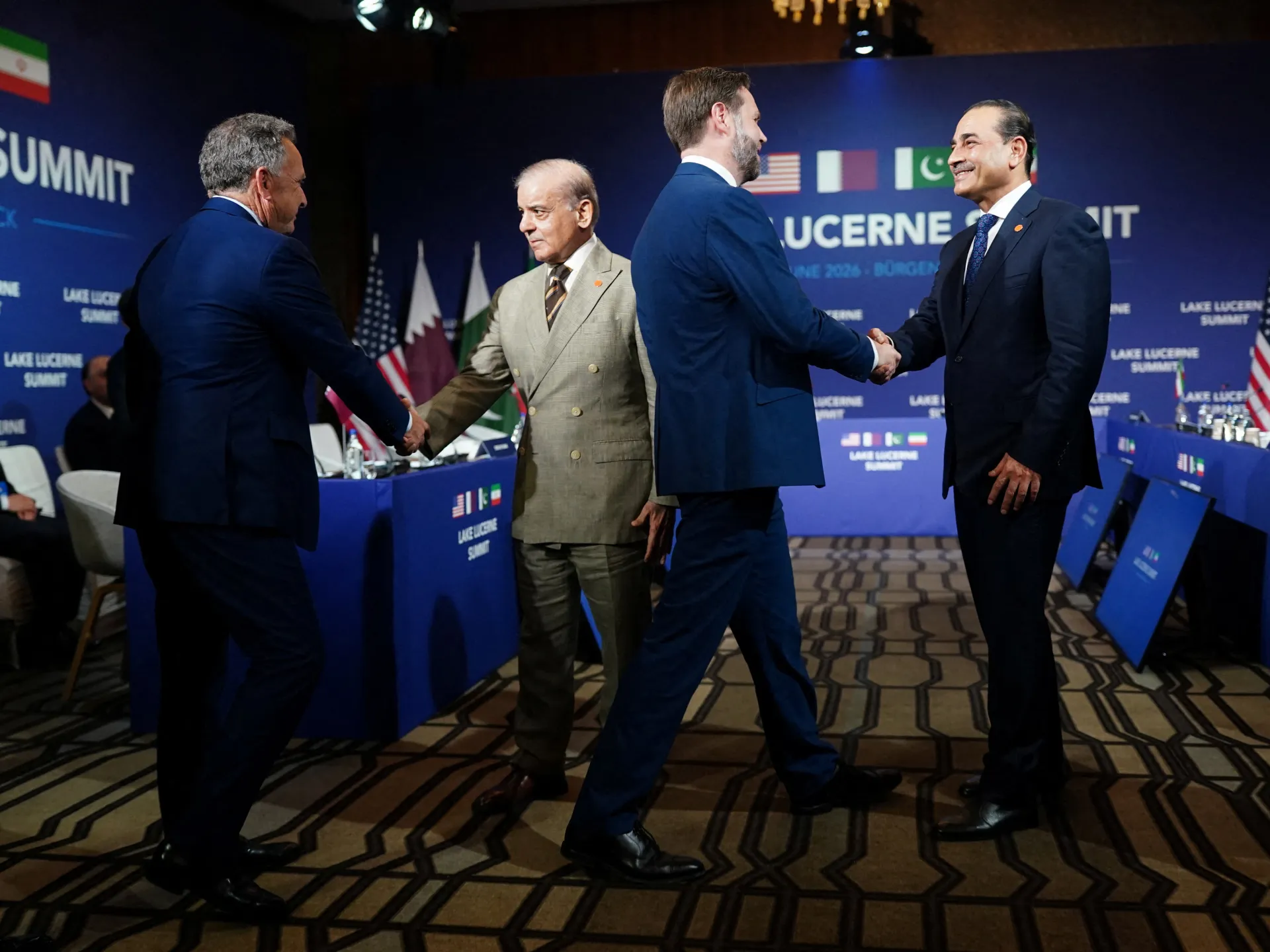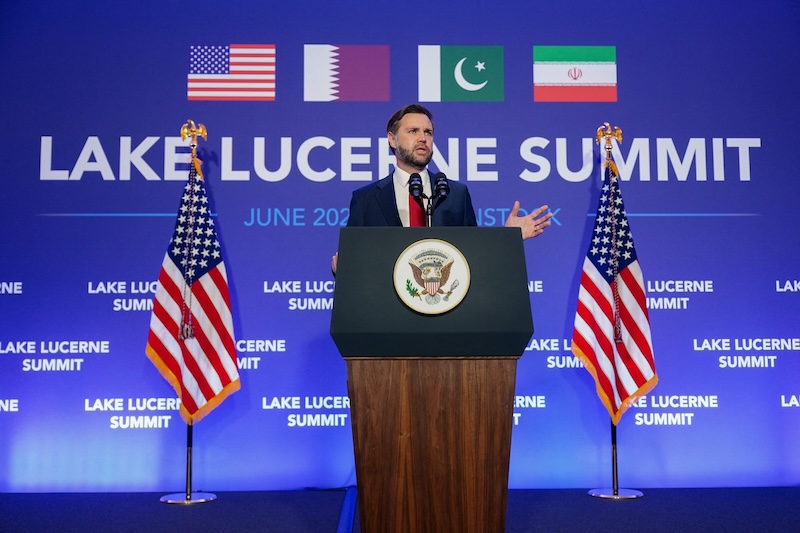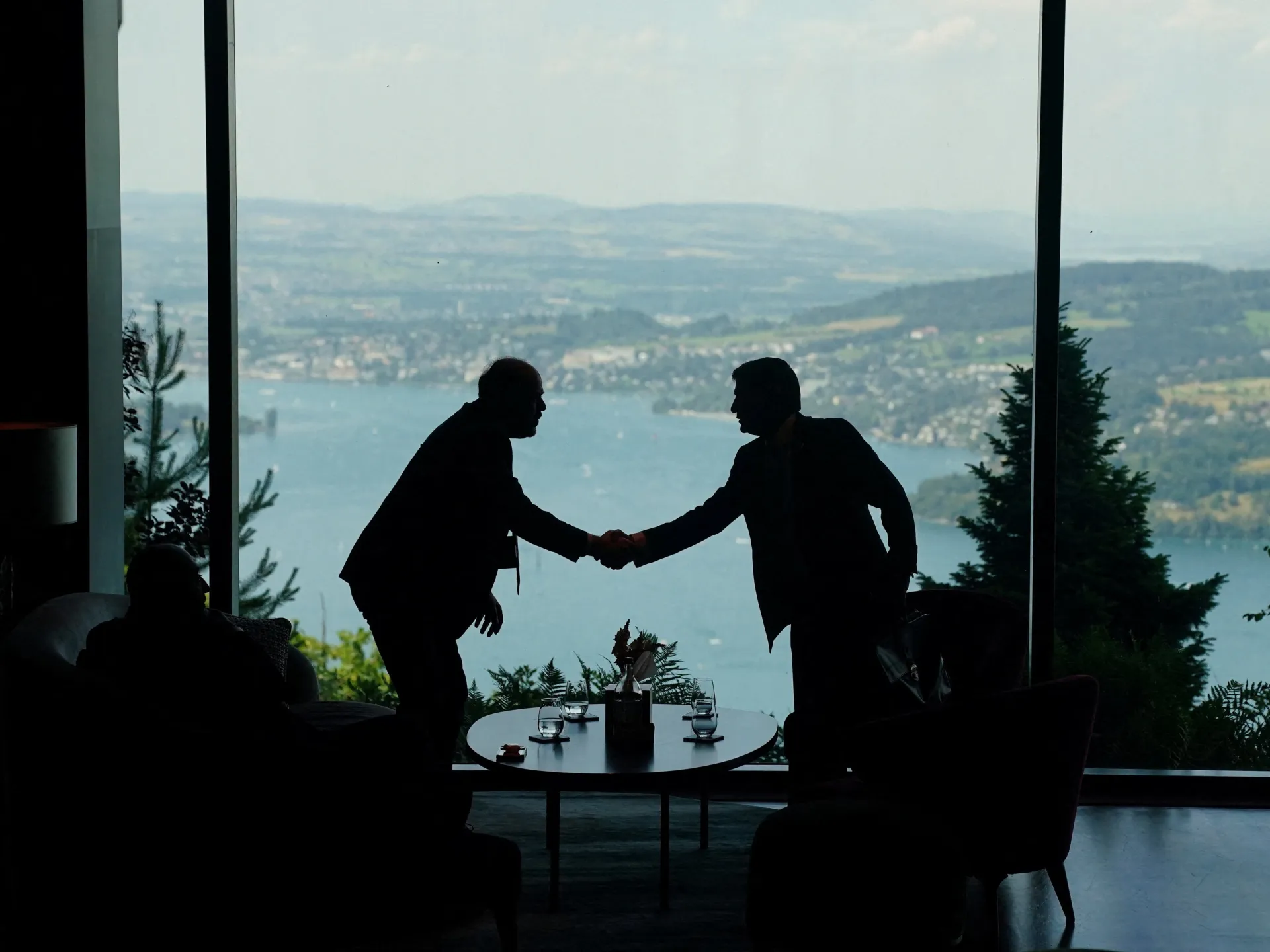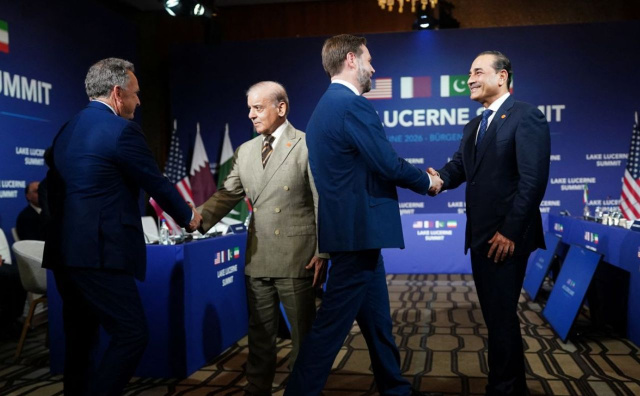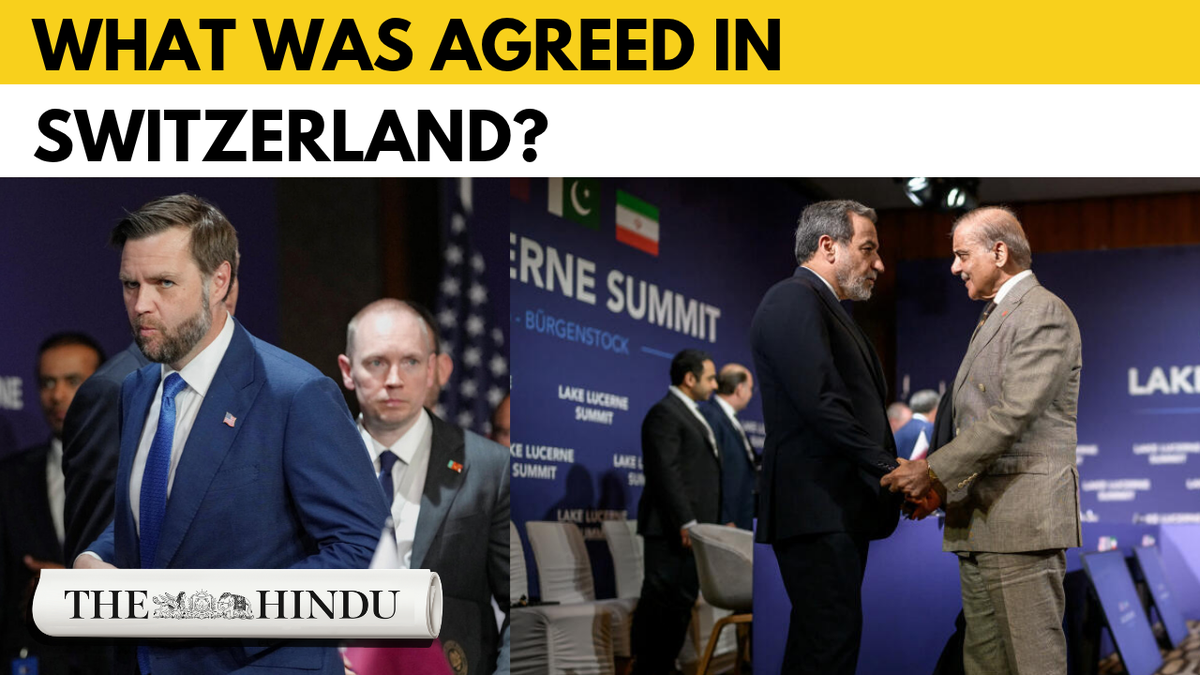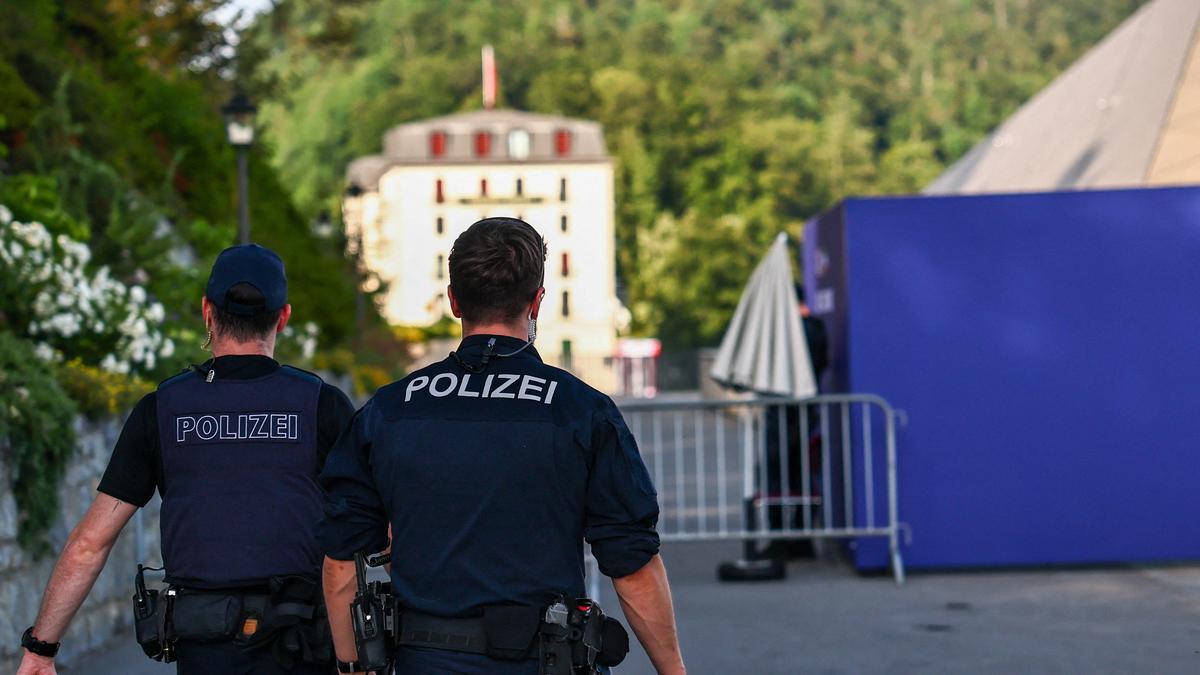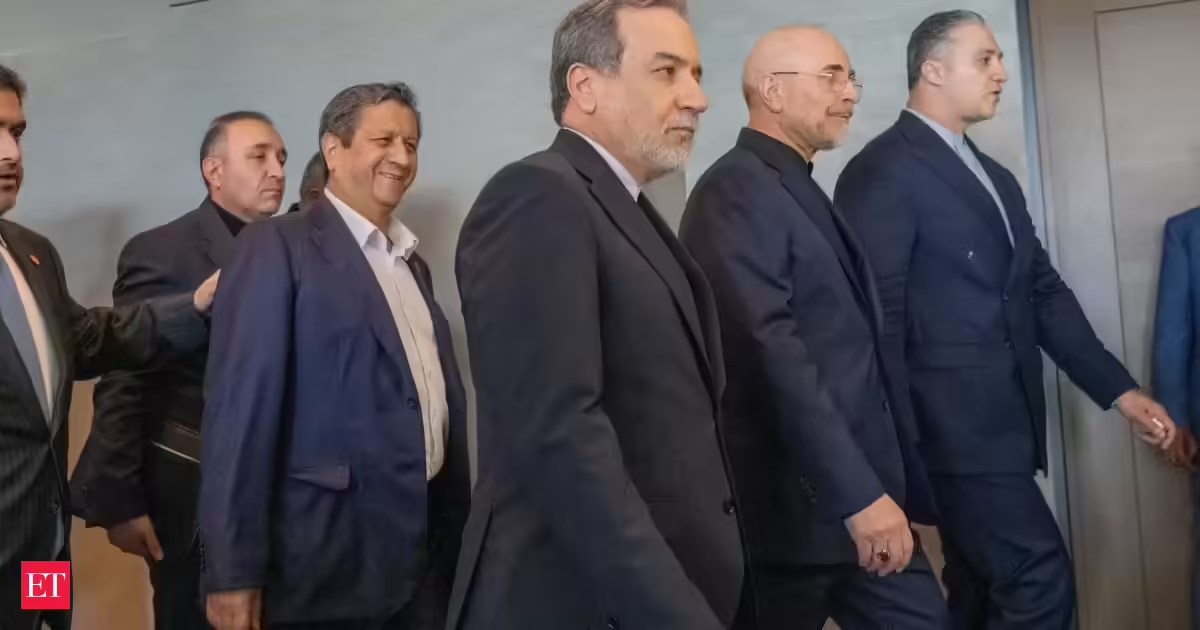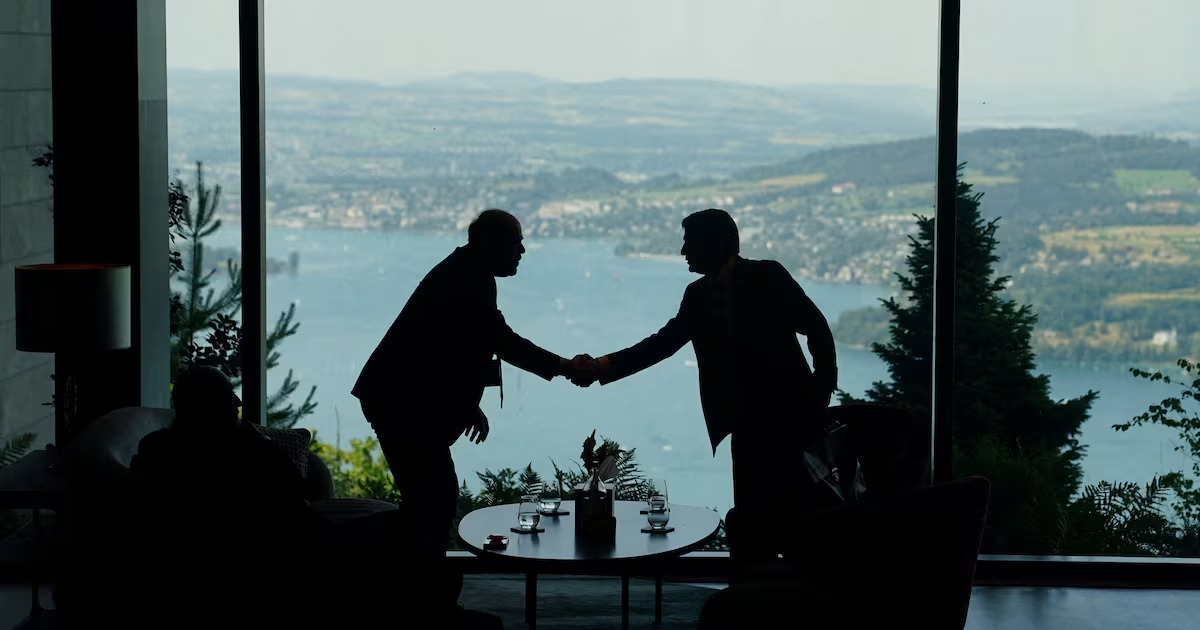
What happenedThe first round of high-level US–Iran talks aimed at reaching a durable peace have concluded at the Burgenstock resort in Switzerland, near Lake Lucerne. The session ran through the night and ended on a more stable note than it began, despite a turbulent opening marked by sharp political rhetoric and conflicting accounts of progress.This round follows a memorandum of understanding (MoU) agreed last week that established the framework and enabled the current negotiations.Mediators Qatar and Pakistan issued a joint statement early on Monday morning saying the talks in Switzerland took place in a “positive and constructive atmosphere” and that “encouraging progress” had been made. They said the parties agreed to a framework for ongoing negotiations rather than a final breakthrough.The opening phase was strained by:Israel’s unrelenting attacks on LebanonIran's IRGC threat to shut Strait of HormuzPublic warnings from US President Donald TrumpDisputes over the status of negotiations and implementation stepsWhat we know so far1. A 60-day roadmapThe parties agreed on a roadmap aimed at reaching a final deal within 60 days. This is not a final agreement, but a structured timeline for continued negotiation.2. New oversight structureA high-level committee will supervise the process, receive regular reports from chief negotiators, and coordinate working groups focused on:Nuclear issuesSanctionsMonitoring and dispute resolution3. Technical negotiations continueDelegations are expected to remain in Switzerland for further technical-level talks this week, focusing on detailed implementation issues.4. Crisis management mechanismsTwo key new mechanisms were agreed:A direct communications line between the parties to reduce the risk of escalation in the Strait of Hormuz, a critical global shipping routeA de-confliction cell involving Lebanon, aimed at preventing further military escalation and ensuring compliance with a cessation of hostilities framework5. Focus on maritime securityThe Strait of Hormuz featured heavily, with the communication channel designed to prevent miscalculations and protect commercial shipping after repeated threats to close the waterway.What happened politically during the talksThe negotiations were overshadowed by external pressure:President Trump issued sharp warnings to Iran, including threats of further military action if proxy groups in Lebanon continued activity and if the Strait of Hormuz were closed againThe talks are being held at Buergenstock resort, near Switzerland's Lake Lucerne. Getty ImagesInfoIranian negotiators reportedly reacted strongly to the comments, with conflicting accounts of whether they briefly paused participationUS officials insisted talks continued throughout the night despite tensionsVice President JD Vance, who led the US delegation, described the process as “messy” but framed it as the beginning of a longer technical negotiation rather than a breakthrough moment.Iranian Foreign Minister Abbas Araghchi presented a more optimistic interpretation, said there was progress on sanctions relief, frozen assets and export waivers — claims not reflected in the mediators’ official statement.Market reactionFinancial markets interpreted the outcome as a reduction in escalation risk. Brent crude oil fell below $80 per barrel, continuing a broader decline from earlier war-driven highs.What we don’t knowSeveral major issues remain unclear:Whether the claimed concessions such as sanctions relief, asset releases and export waivers are real, partial, or disputedHow binding the 60-day roadmap is in practiceWhether both sides are equally committed to the technical process or using it as leverageHow a sidelined Israel will react to the direction of the talksThe actual status of implementation steps linked to Lebanon and maritime securityWhether internal political pressures in Washington and Tehran will disrupt the process before the next phase concludesIf the communication channel in the Strait of Hormuz will be sufficient to prevent escalation during ongoing tensionsThe bottom lineThe talks did not produce a final agreement, but they did establish structure where none existed before: a 60-day negotiation window, new oversight mechanisms, and crisis-control channels for two of the most sensitive flashpoints — the Strait of Hormuz and Lebanon.Whether this becomes a pathway to de-escalation or just a pause in a wider confrontation now depends on whether both sides follow through during the next phase of technical negotiations.
US–Iran talks and MoU explained: What happened and what’s next | The National
Despite tense opening and Trump threats, negotiators agree 60-day roadmap and crisis channels for Hormuz and Lebanon
641 words~3 min read