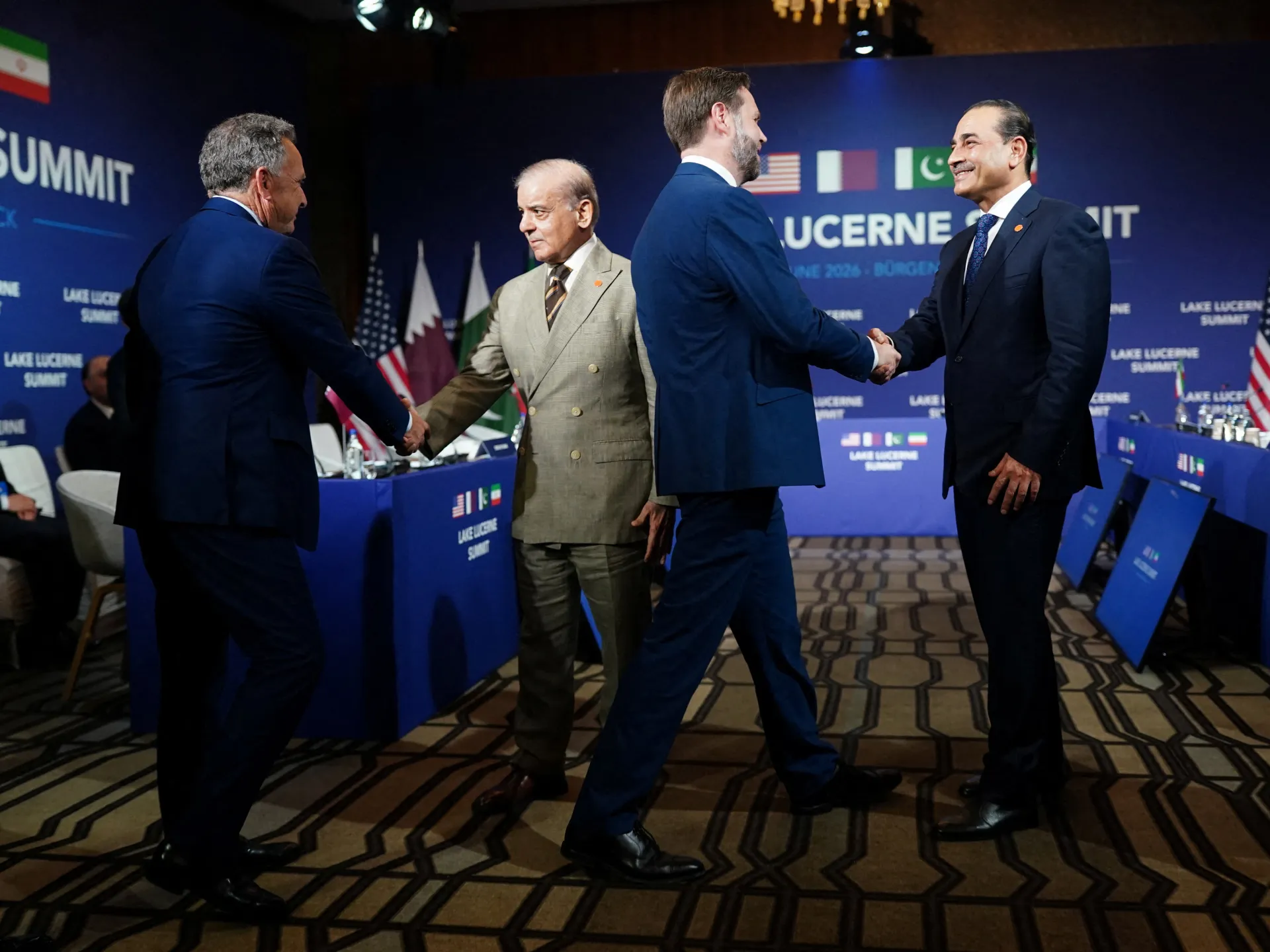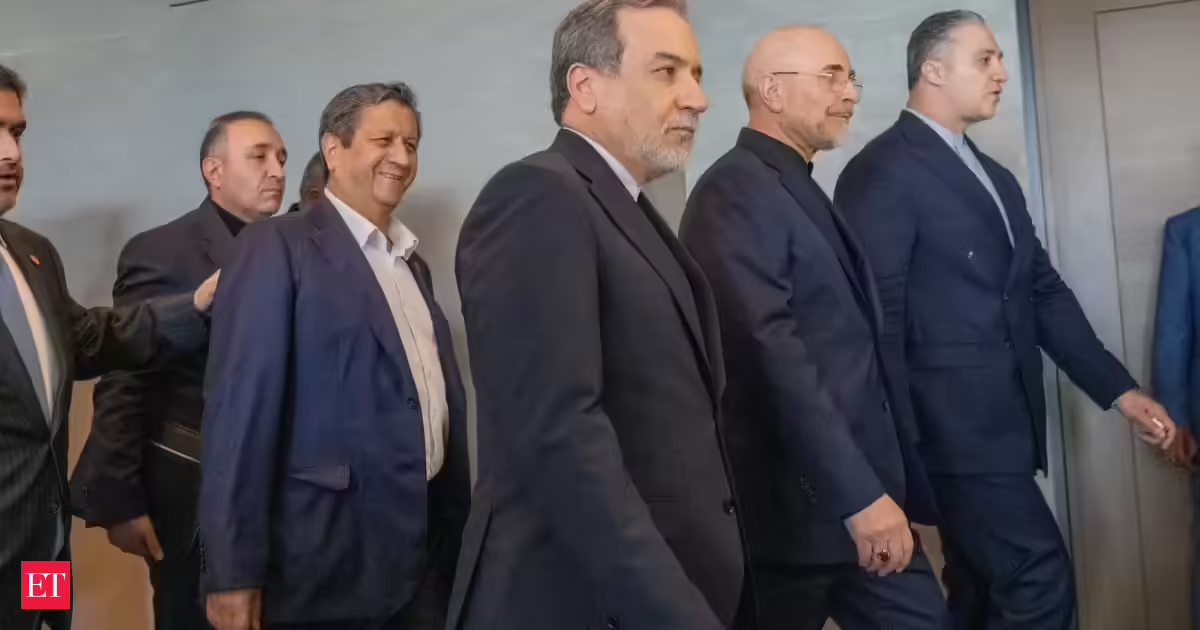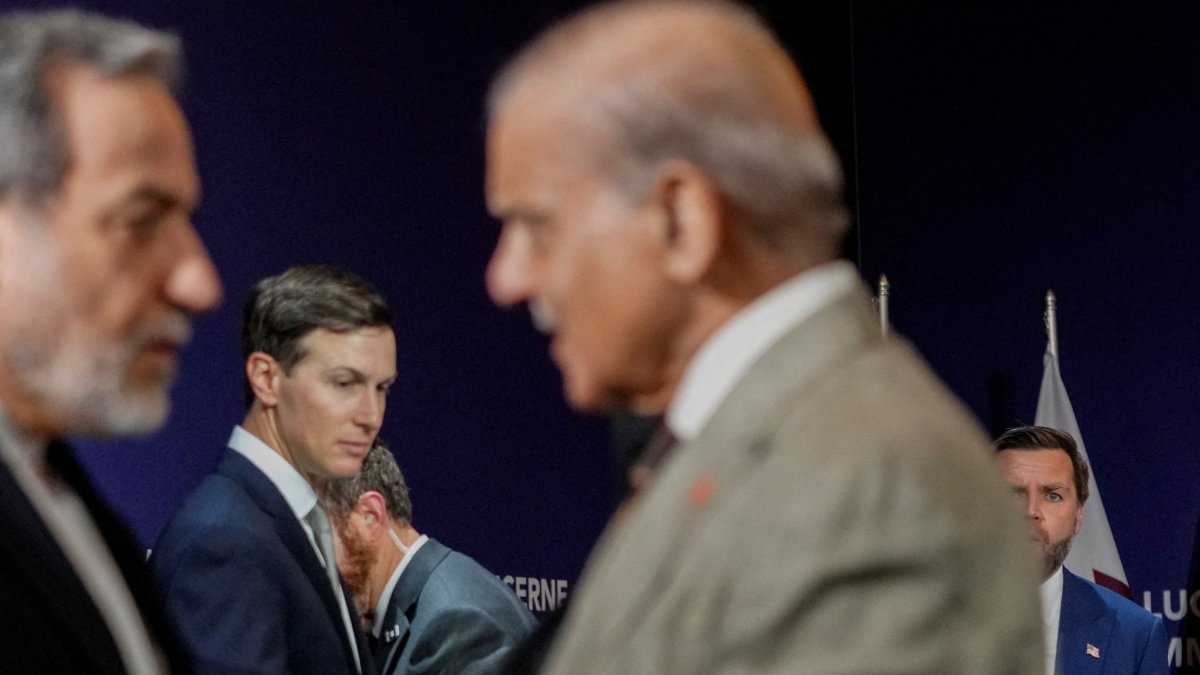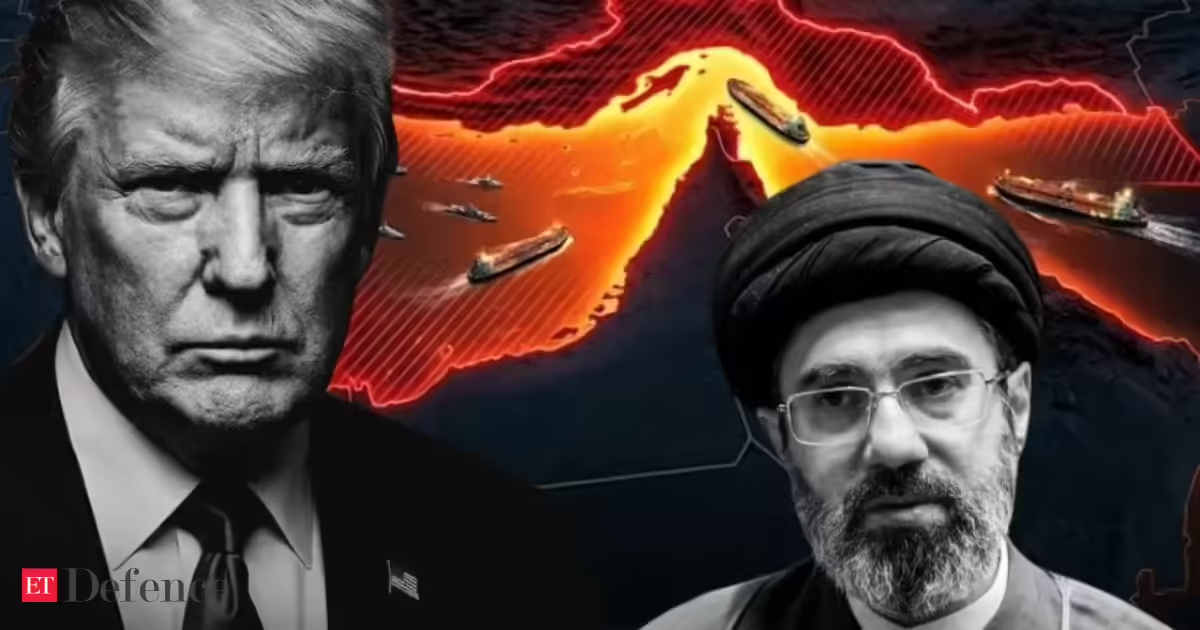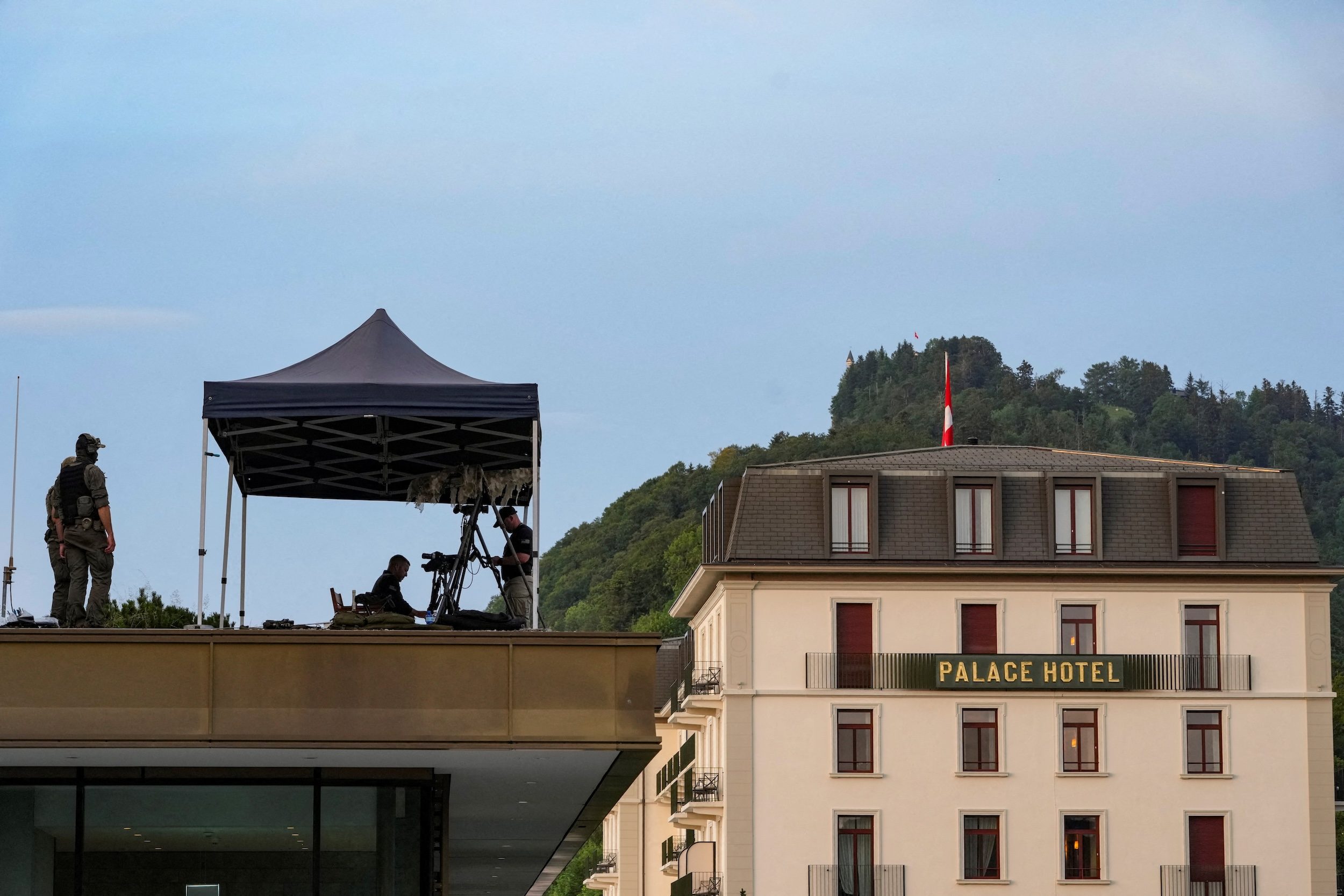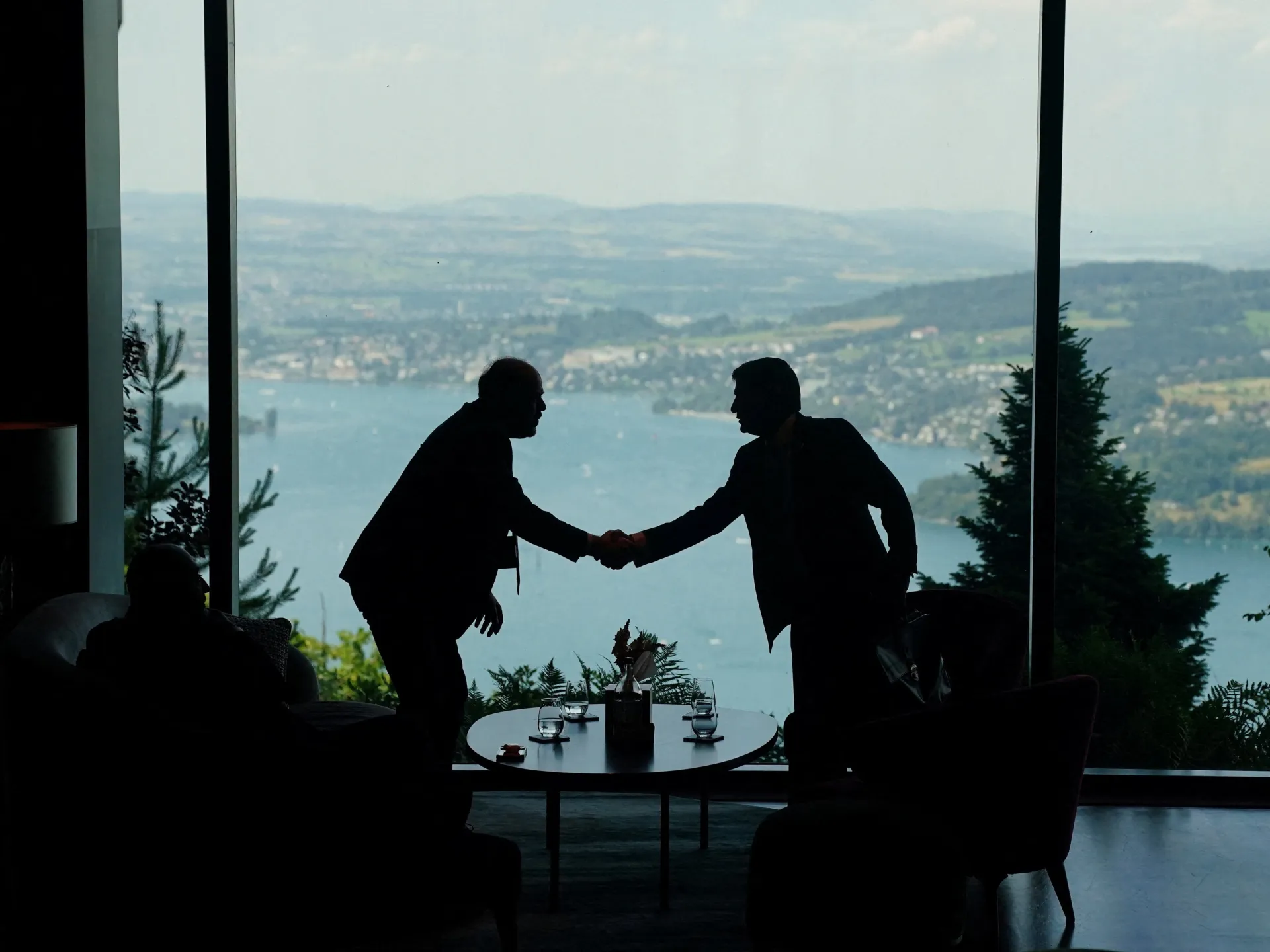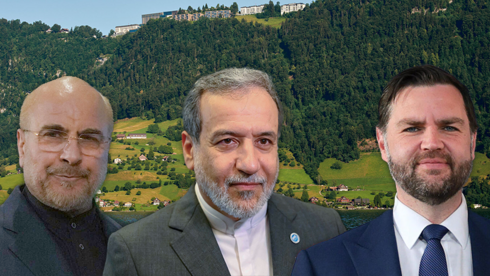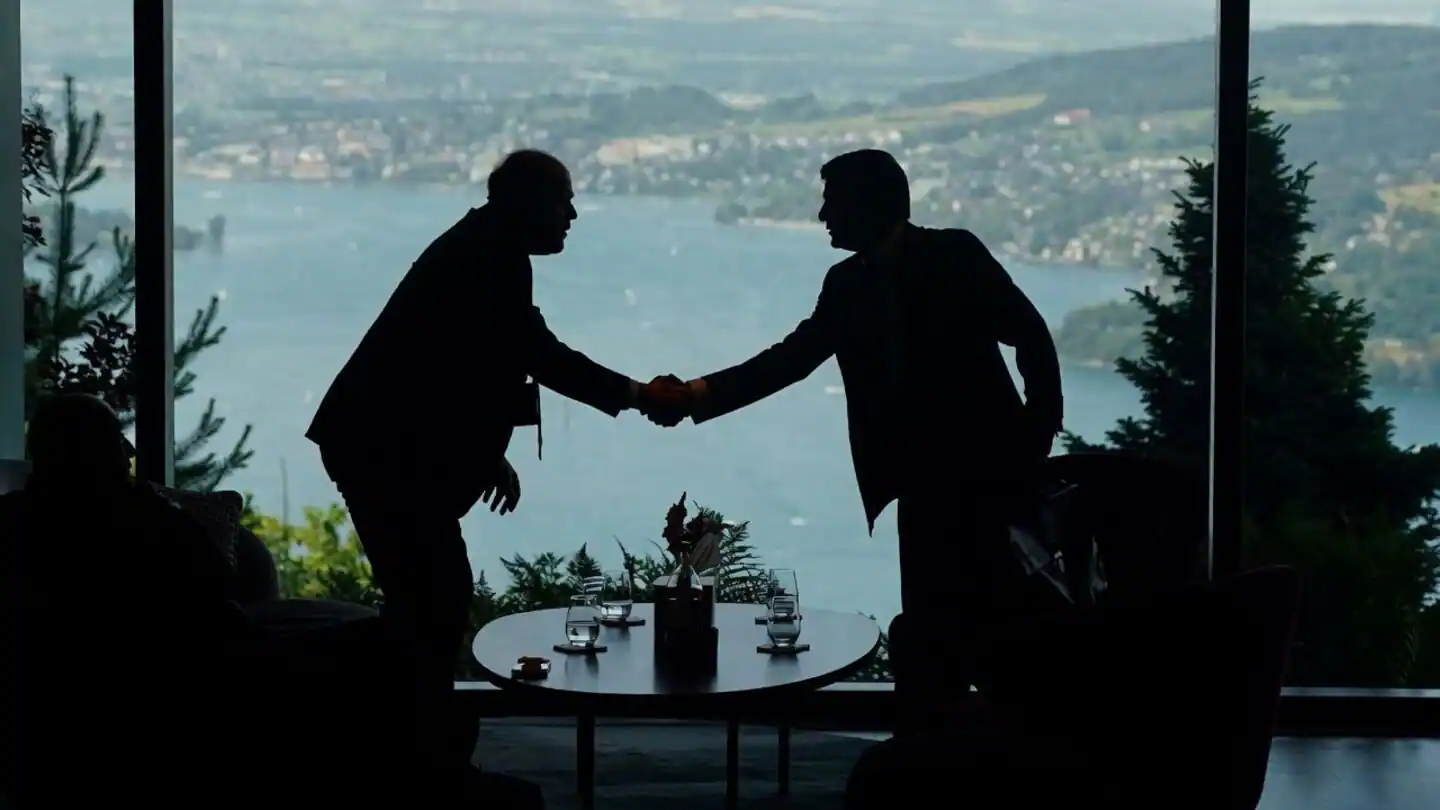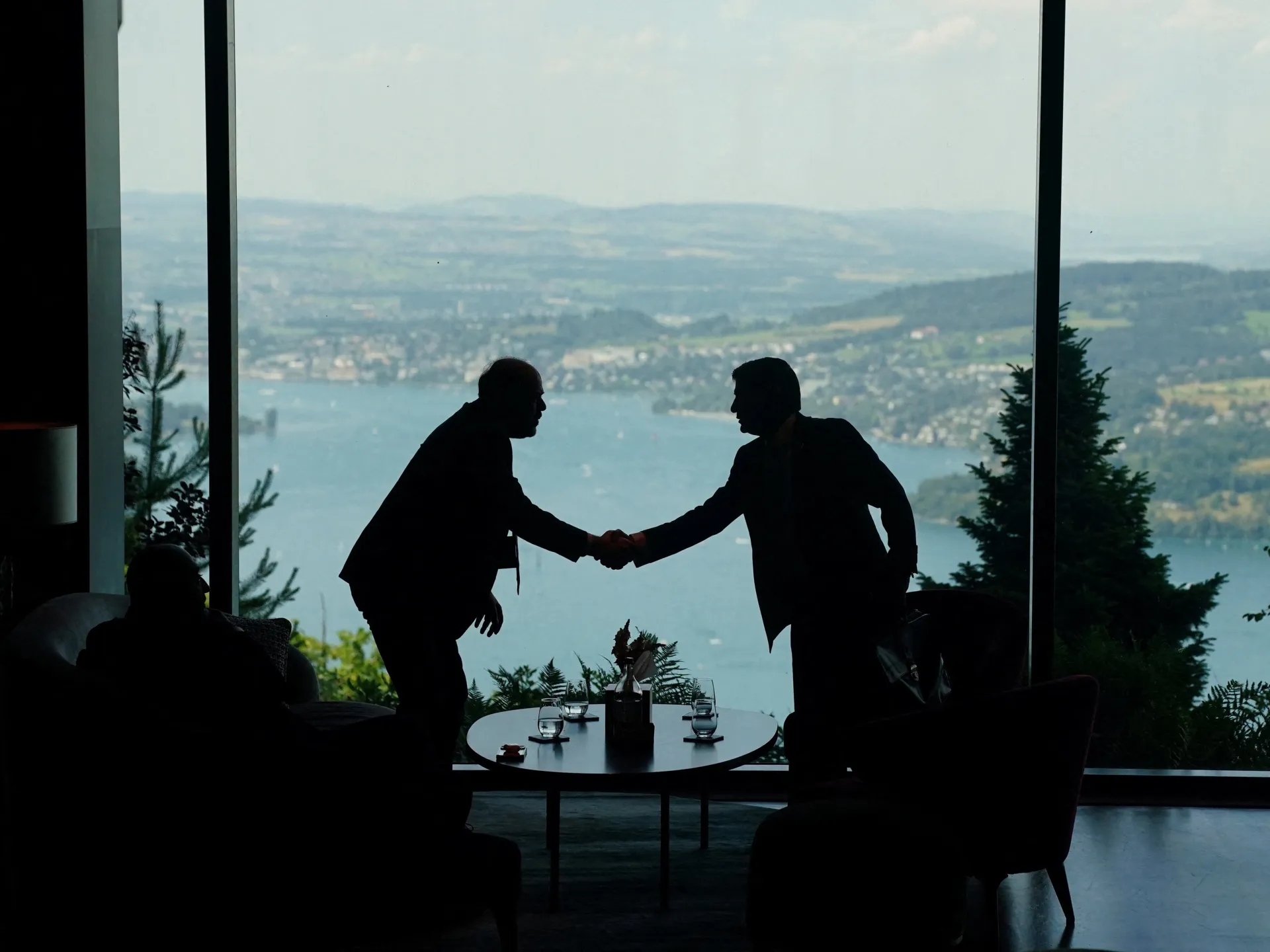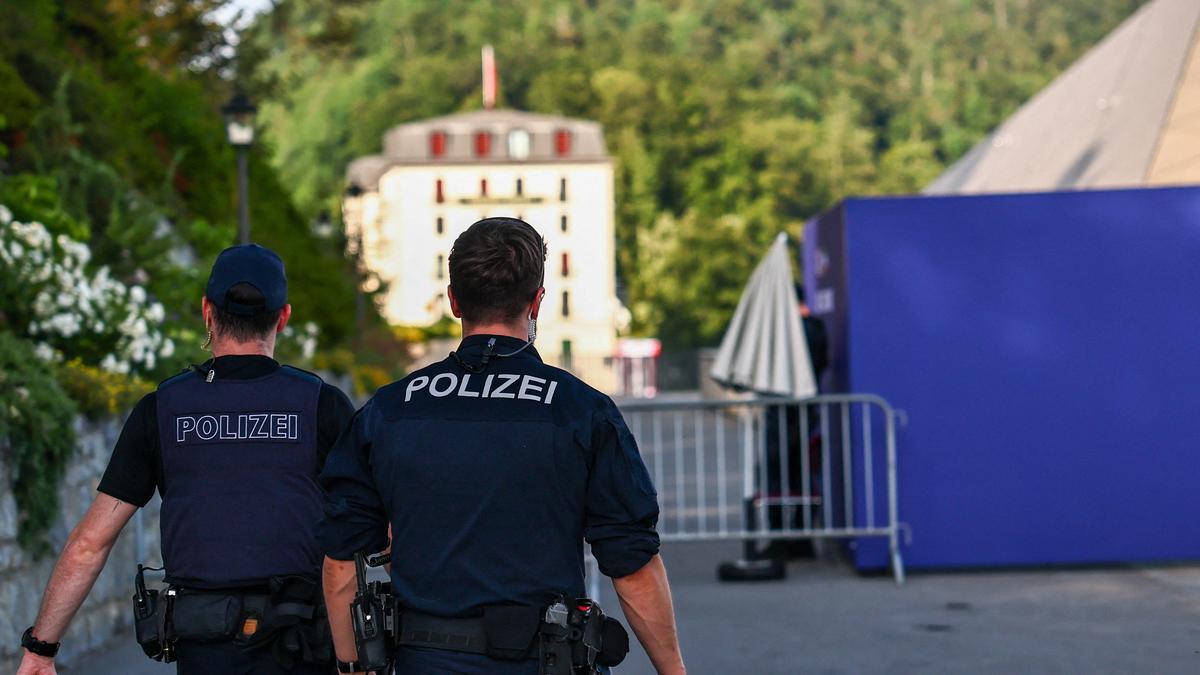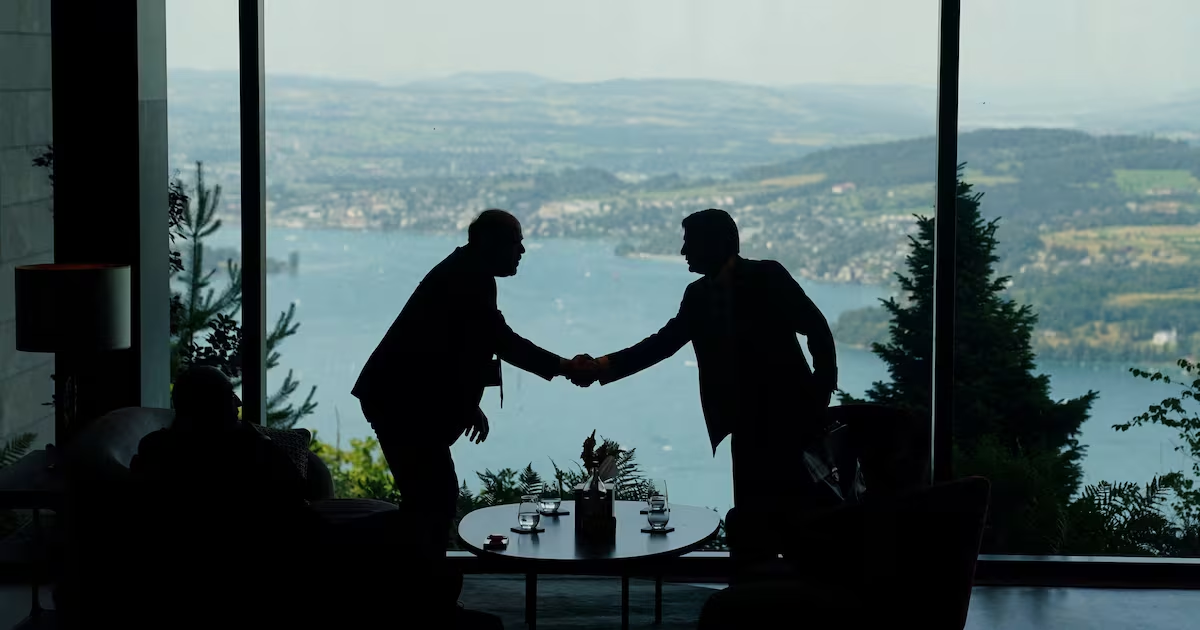
The first round of US-Iran talks aimed at securing a durable peace ended in Switzerland on Monday with mediators Qatar and Pakistan reporting “encouraging progress” and unveiling a roadmap toward a final agreement.The talks ended on a more positive note than they began, after a turbulent opening marked by tensions over the Strait of Hormuz, conflicting accounts of the negotiations and fresh threats from US President Donald Trump. In a joint statement issued after talks at the Burgenstock resort overlooking Lake Lucerne, Qatar and Pakistan said the parties had agreed on “a roadmap towards reaching a final deal within 60 days” and established a high-level committee to oversee the process.The mediators said the summit was conducted in a “positive and constructive atmosphere” and that “encouraging progress has been made including the creation of a mechanism for further technical talks.” Negotiators are expected to remain in Switzerland this week for technical discussions.The statement was issued at 3:07am (5:07am Gulf time) after talks that continued through the night, and set out a framework for the next phase of negotiations.The talks ended on a more positive note than they began, after a turbulent opening marked by tensions over the Strait of Hormuz. Getty ImagesInfoAmong the most concrete outcomes was an agreement to establish a direct communications line between the parties to prevent incidents in the Strait of Hormuz, the world's most important energy shipping chokepoint.The statement said the channel was intended to “avoid incidents and miscommunication” and ensure the safe passage of commercial vessels through the waterway, which Iran had again threatened to close at the weekend.The parties also agreed to establish a “de-confliction cell” involving Lebanon and facilitated by Qatar and Pakistan. The mechanism is intended to ensure compliance with the cessation of military operations in Lebanon, a conflict that has increasingly become intertwined with the wider US-Iran confrontation.The Lebanon issue loomed over the talks from the outset. Tehran had justified its latest move to halt maritime traffic through Hormuz by arguing the US had failed to uphold commitments related to ending the fighting in Lebanon.Trump threatMr Trump, meanwhile, used the opening day of negotiations to sharpen pressure on Tehran. In a social media post, he warned Iran to “immediately stop their highly paid proxies in Lebanon from causing trouble”, referring to Hezbollah.“If they don't, we'll hit Iran very hard again, just like we did last week, only harder!” Trump wrote.Fox News said Mr Trump also told Iranian officials that if they attempted to close the Strait of Hormuz again, “you won't have a country”, while reiterating earlier suggestions that Washington could ultimately take control of the waterway and impose transit fees.The rhetoric briefly raised questions about whether the negotiations would survive their opening hours.Iran's semi-official Tasnim news agency reported that Iranian negotiators refused to return to the room after Mr Trump's comments became public, insisting implementation of earlier commitments — including the release of frozen assets and waivers for Iranian oil exports — must come before substantive nuclear discussions.US officials disputed the suggestion that talks had stalled. “The Iranians never left and are still here meeting and negotiating deep into the night,” a US diplomat involved in the discussions said, describing talks on Hormuz, Lebanon, nuclear issues and implementation of the memorandum of understanding.Vice President JD Vance, who led the US delegation at the talks, also sought to project optimism, arguing that progress had been made despite the tensions. “These things are always a little bit messy,” he told reporters, describing the negotiations as the start of a longer technical process rather than a one-day breakthrough.“What today really represents is the beginning of a technical negotiation that's not going to solve every disagreement,” Mr Vance said.Iranian Foreign Minister Abbas Araghchi struck a more triumphant tone after the talks concluded. In a post on X, he credited “tireless Pakistani and Qatari mediation” with delivering “major progress” toward ending the Lebanon war.Mr Araghchi said Iran had secured waivers for oil and petrochemical exports, the lifting of blockades, the release of some frozen assets and the launch of a reconstruction and development plan. None of those measures were mentioned in the mediators' joint statement, and the White House did not immediately comment on his claims.Markets nonetheless interpreted the outcome as a step away from escalation, Reuters reported. Brent crude fell below $80 a barrel after the statement was released, extending a week-long retreat from the war-driven highs that followed the outbreak of conflict in February.For now, the talks have produced a roadmap, new crisis-management mechanisms and a commitment to keep negotiating. Whether they can bridge the deeper disputes over Iran's nuclear programme, sanctions relief and the future of Lebanon remains the question that will define the next 60 days.
First round of US-Iran talks end with 'encouraging progress' | The National
Arch-foes agree on Strait of Hormuz hotline and Lebanon de-confliction mechanism to reduce escalation risk
TL;DRAI
US and Iran agree to finalize deal within 60 days, establishing direct Hormuz communication to prevent escalation. De-escalation signals lower energy prices—Brent fell below $80—and reduces semiconductor supply chain volatility for data center budgets.
785 words~4 min read