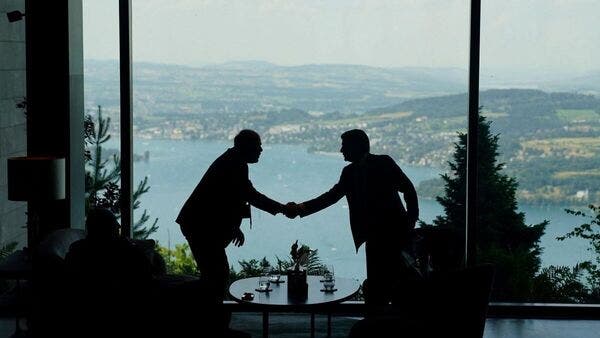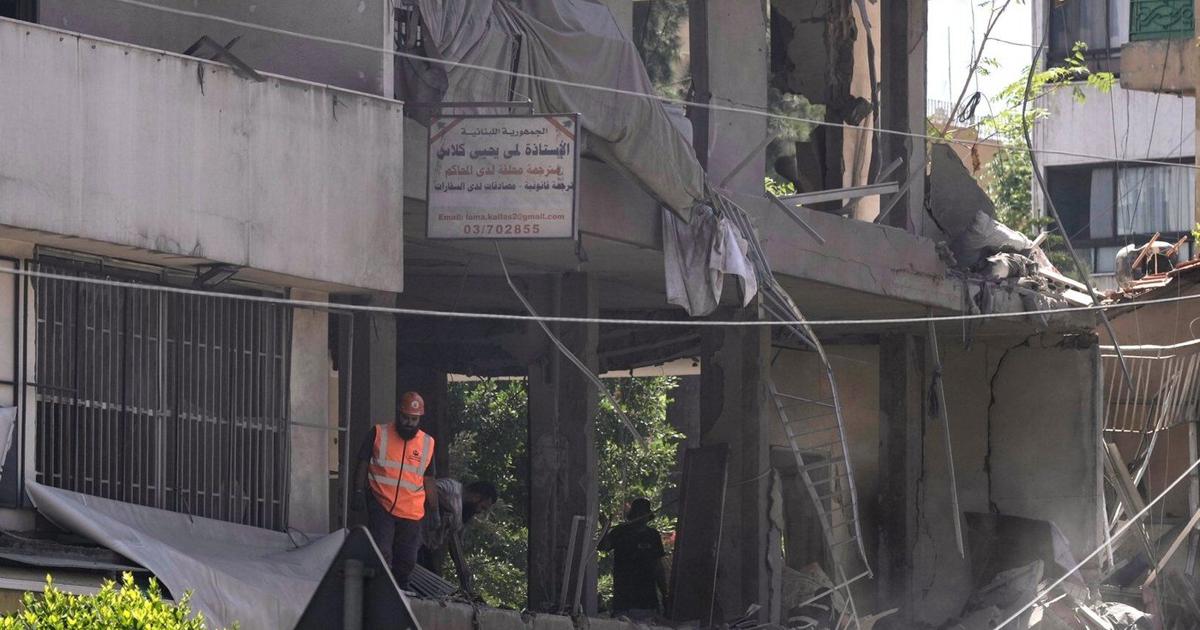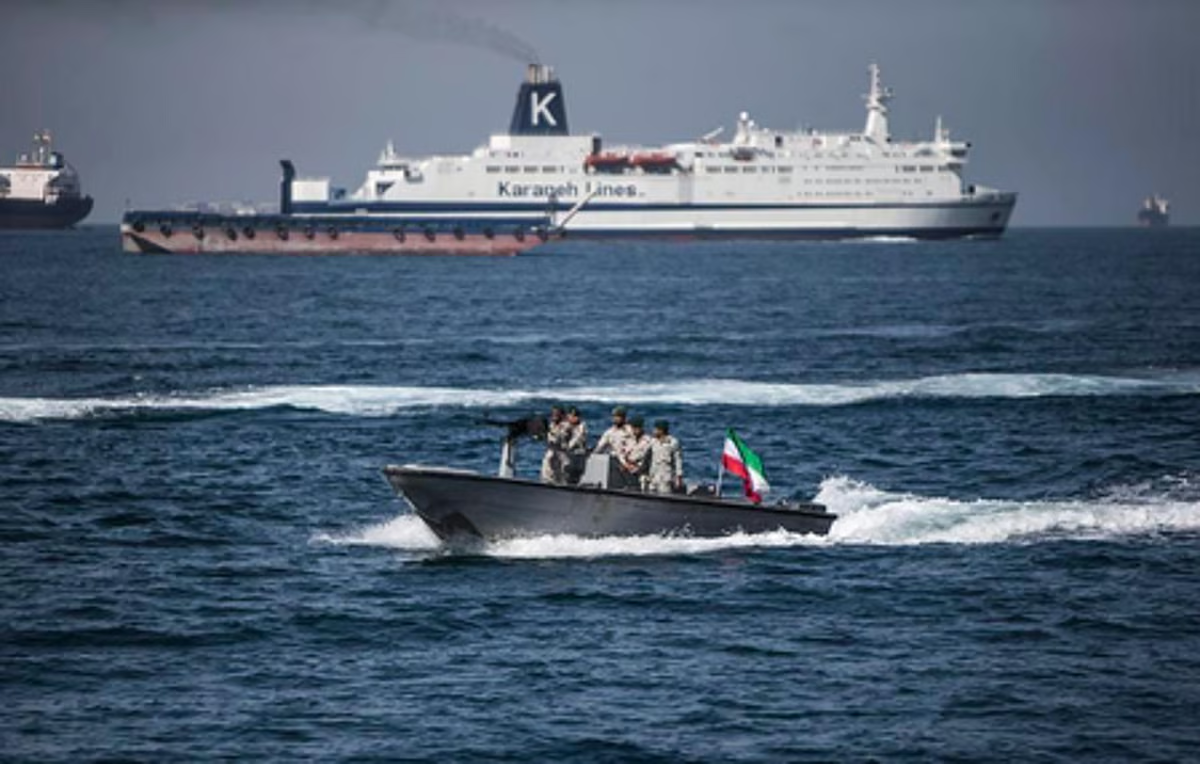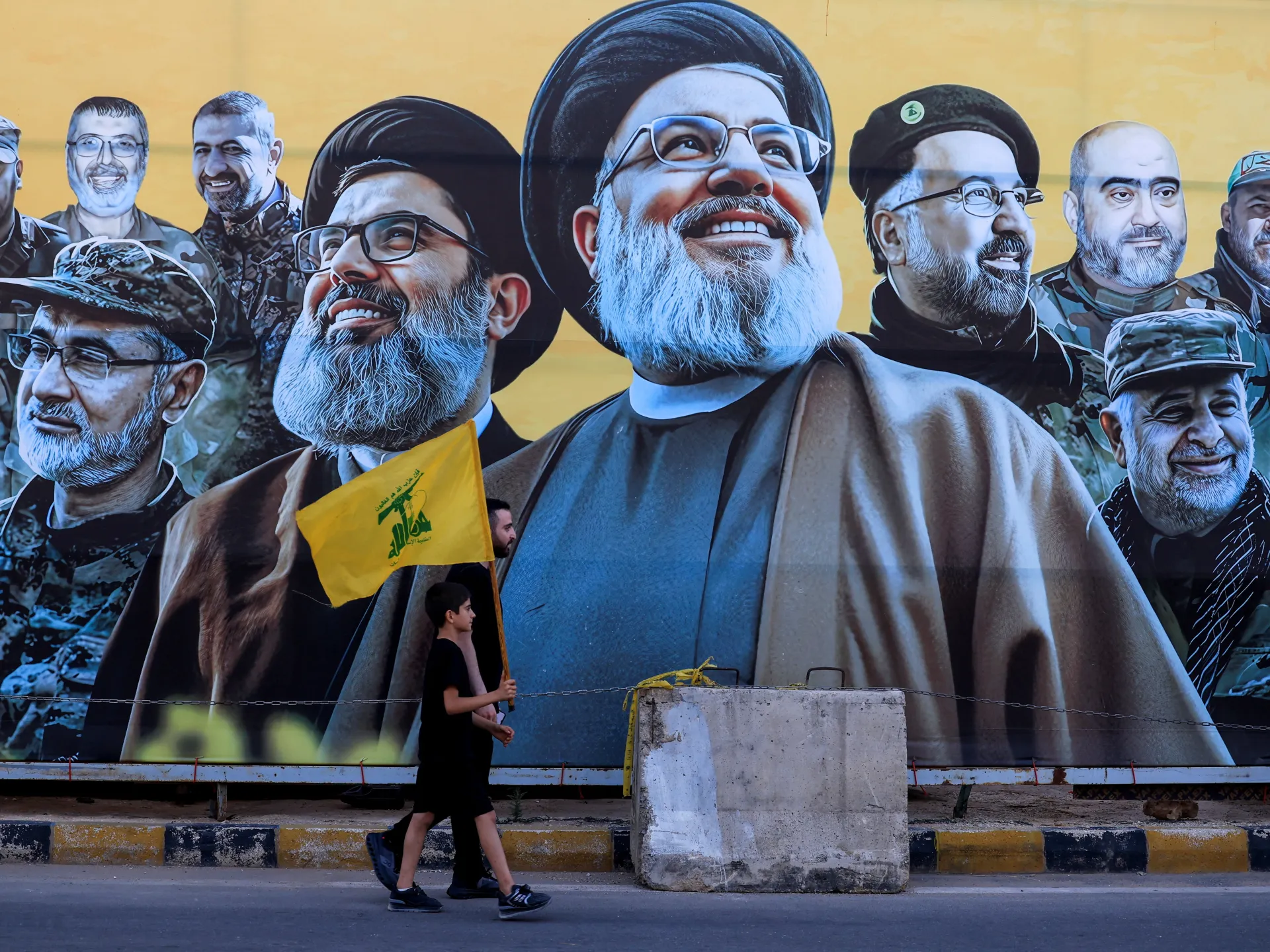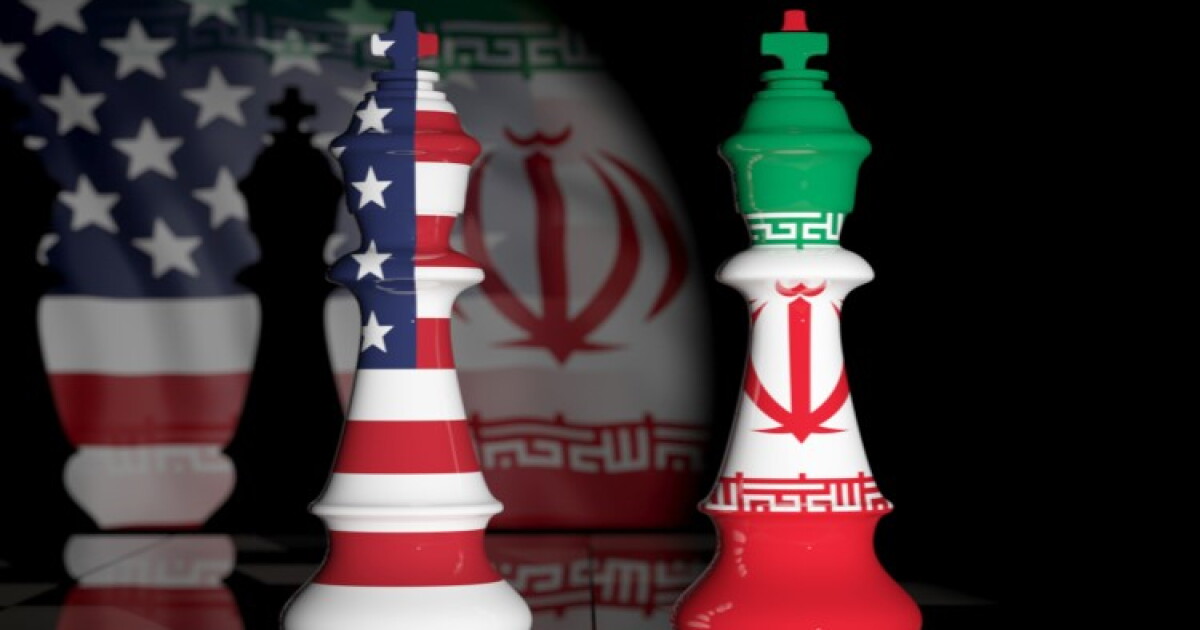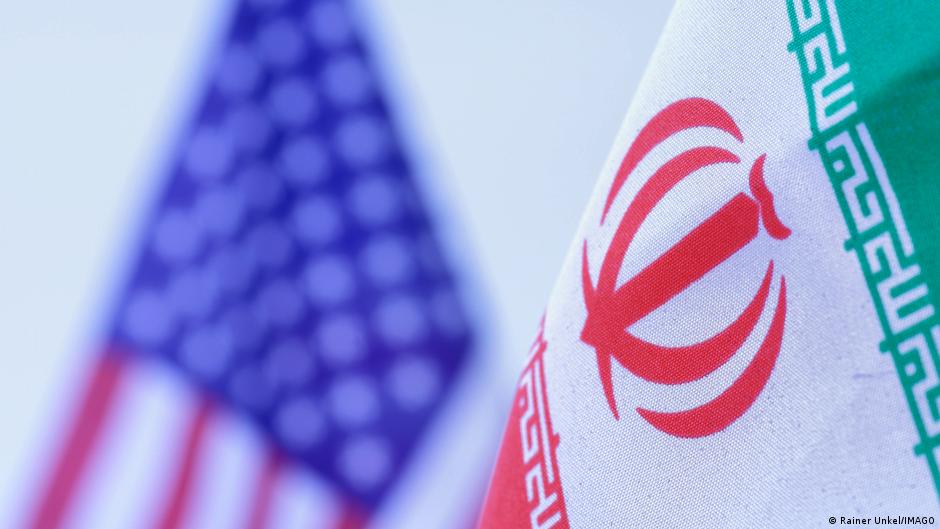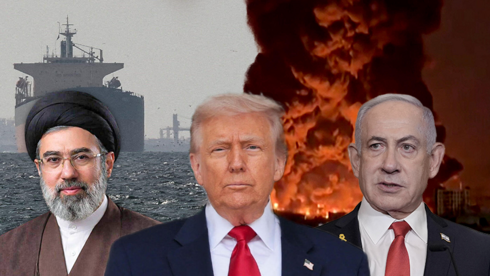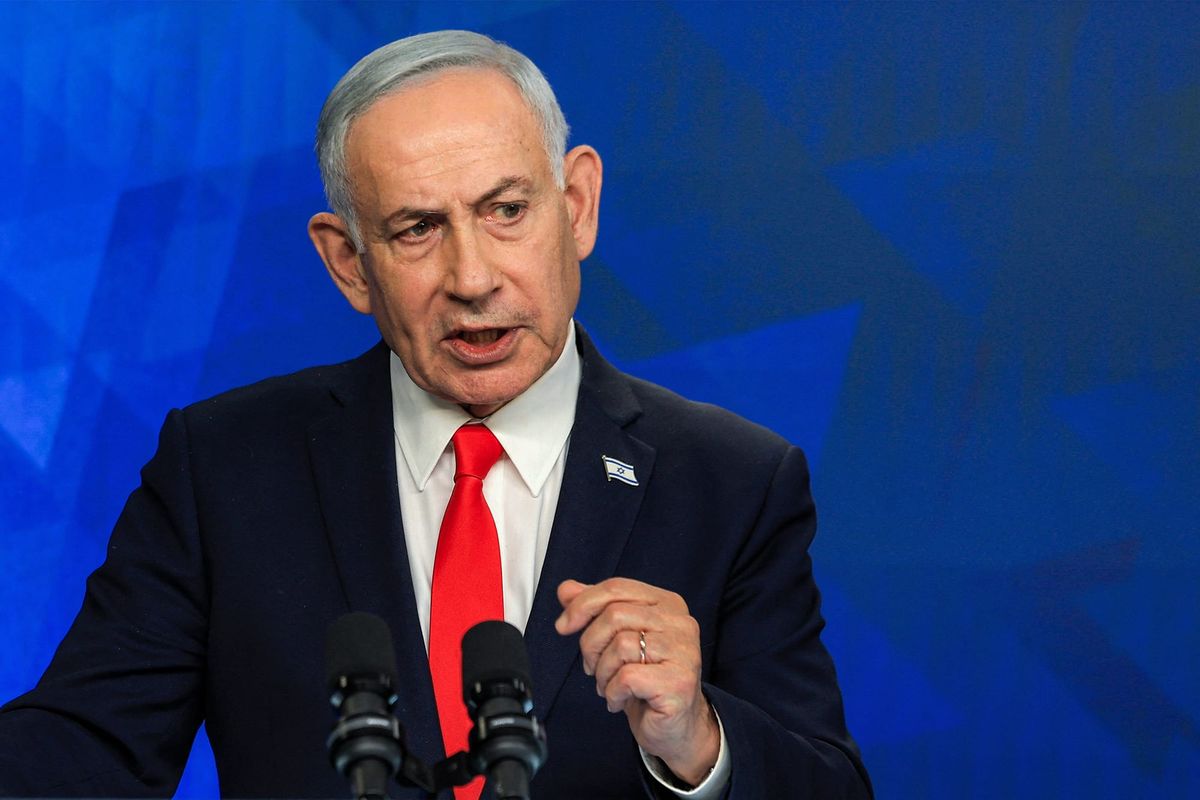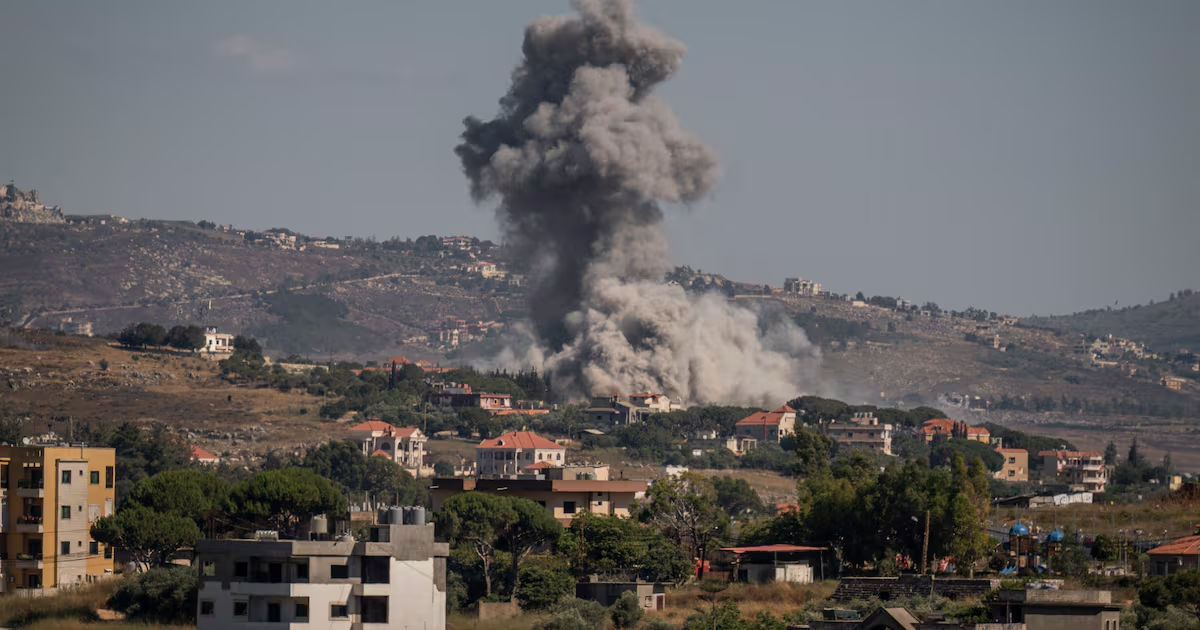
The Memorandum of Understanding (MoU) agreed between the United States and Iran is a fragile agreement, as demonstrated by the last-minute postponement of technical talks in Switzerland on Friday, and it leaves the most difficult issues to be resolved in future talks. Further illustrating the risks ahead, the announcement on Friday of a ceasefire between Israel and Hizbullah was followed by further reported strikes in Lebanon. The memorandum describes the contours of a deal that could, if implemented, reshape the Middle East and transform the roles of both Washington and Tehran.Donald Trump’s critics have compared the agreement unfavourably with the Joint Comprehensive Plan of Action (JCPOA) negotiated with Iran by the US under Barack Obama, along with five other countries. But while the JCPOA was narrowly focused on Iran’s nuclear programme, the MoU is broader and more political in its scope. The negotiations could lead to a grand bargain between the US and Iran that goes beyond the nuclear issue to deal with sanctions, sovereignty, freedom of navigation through the Strait of Hormuz and economic reconstruction. By holding out the possibility of reintegrating Iran into the global economy, Washington is also offering Tehran the prospect of a new place in the regional order in the Middle East.Washington has committed to developing a reconstruction and development plan for Iran worth at least $300 billion, although Trump has made clear that the money will not come from the US. Iran will be allowed to sell its oil on the international market immediately and the US agrees that following a final agreement, that it will negotiate the end of all sanctions including those imposed by the United Nations and the International Atomic Energy Agency.All this depends on Iran verifiably ending all activity that could lead to the production of a nuclear weapon and the removal or dilution of its existing stock of highly enriched uranium. And Israel can derail the agreement, negotiated over its head, by continuing to attack targets in Lebanon. Other regional actors such as the Gulf Arab states saw during the war that the US was unable to protect them from Iranian attacks or to keep open the shipping routes for energy and trade on which their economies depend. They may conclude that their security interest lies in finding a diplomatic accommodation with Tehran while making their own defences more resilient.US vice-president JD Vance told Israel this week that as a country of nine million people, it cannot kill its way out of every national security problem it faces. As the US security guarantee to all its allies becomes more conditional, Israel can better secure its future through diplomacy than in war, starting with the negotiation of a two-state solution with the Palestinians.
The Irish Times view on the Middle East: the chance of a grand bargain
The fragile US/Iran agreement describes the possible contours of a wider deal
453 words~2 min read