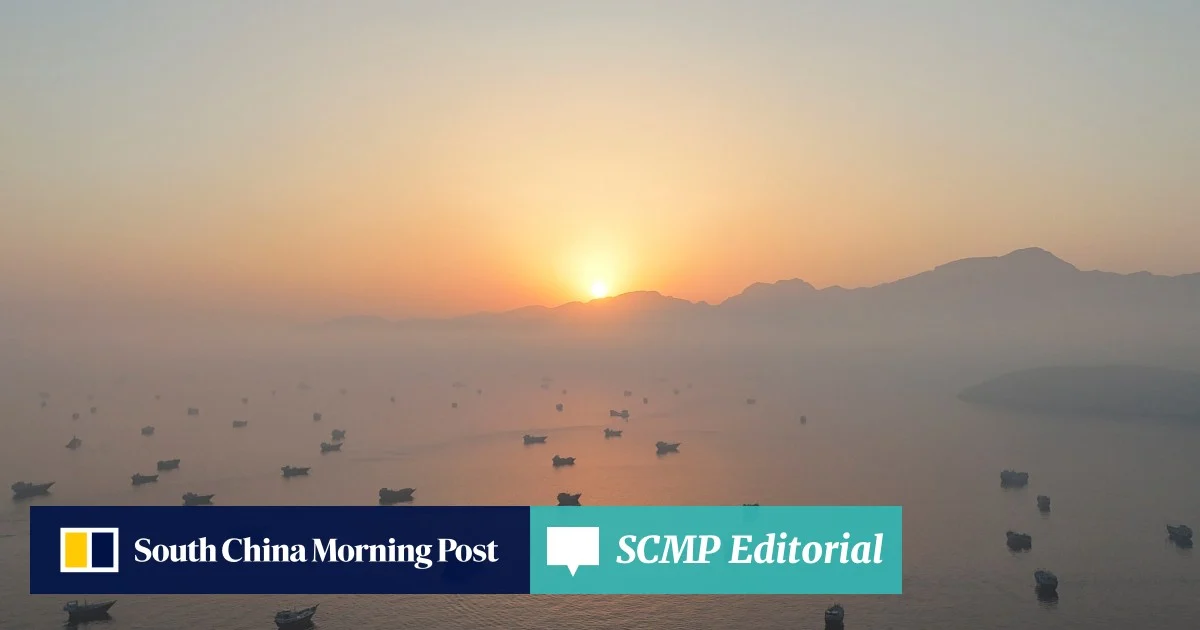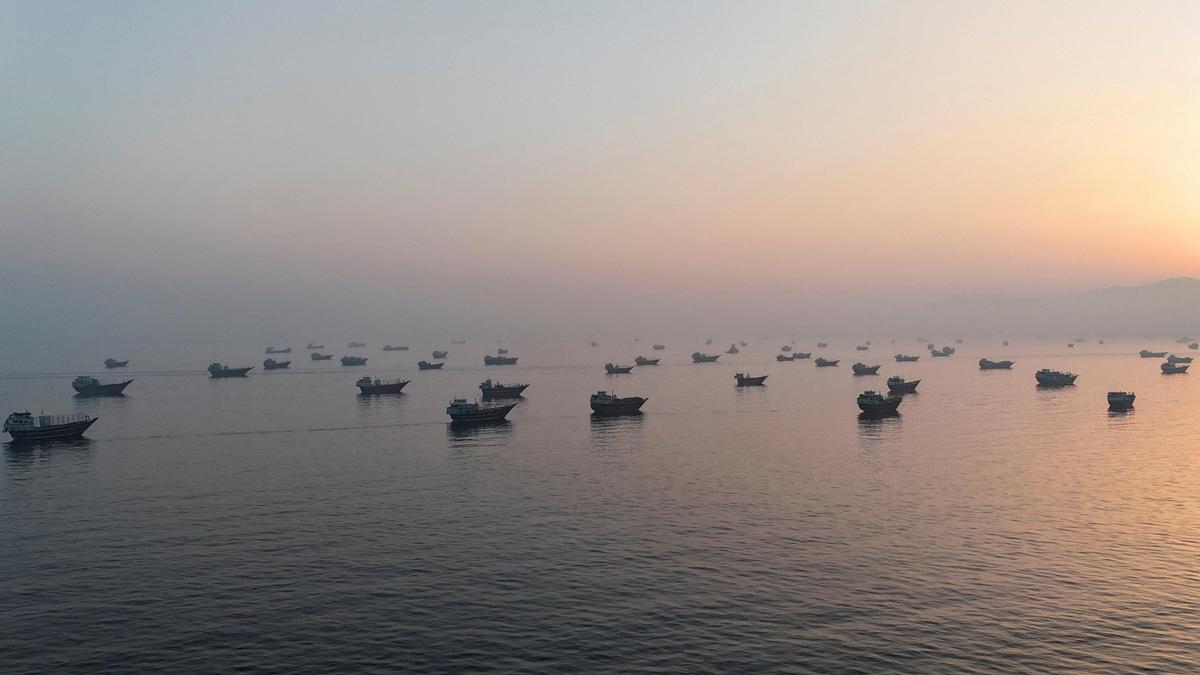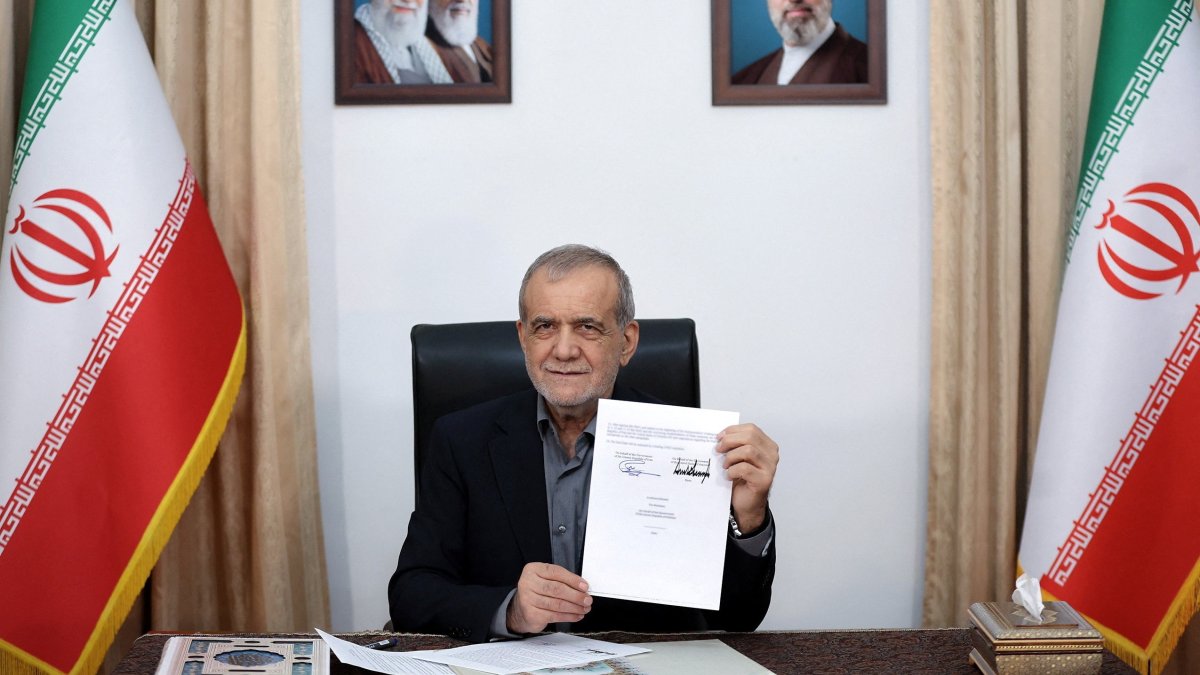
News that America and Iran have reached a truce in their three-month war will come as a relief to the world economy, which has been battered by the resultant food and energy crisis. More talks will be needed for durable peace to be achieved in the Gulf region and for the world’s energy markets to settle to prewar levels. On Monday, negotiators from Iran and the US announced that they had reached a memorandum of understanding (MoU) to pause their war. In essence, the framework, to be formally signed on Friday, provides for the reopening of the Strait of Hormuz and the lifting of the US blockade on Iranian ports. The current phase of the agreement, extending the ceasefire by another 60 days, deals only with the less contentious issues. For Iran, which has suffered from years of crippling sanctions and misery for its citizens, the deal also paves the way for the easing of restrictions on exports of its oil and access to some of its frozen assets. The contentious subject of Iran’s nuclear programme is a subject of the next phase of talks. Significantly, the current deal excludes Israel, the other protagonist in the war, and doesn’t say what has to happen to Iran’s proxies in the region. As a start to ending the war that has caused untold pain to the world economy, the agreement has to be welcomed. For US President Donald Trump, this gives him a breather ahead of crucial midterm elections. The war is unpopular in the US. The parties to the deal, brokered by Pakistani and Qatari facilitators, owe the world more transparency to the details of what they have agreed. Economic operators such as insurers need to know the details so that they can appropriately price the risks they underwrite. Despite the optimism that greeted news of the deal, it will take more time for oil traffic to start flowing again. There are still hurdles to clear. For example, the strait has thousands of land mines deployed by Iran as part of its leverage. To clear these will take time and will require the expertise of countries that were not party to this war. Crucially, it will require that Iran co-operates in identifying the location of the mines. This means showing goodwill and good faith. The war has also strained relations between the US and its ally Israel. As the peace talks intensified, Benjamin Netanyahu, Israel’s prime minister, continued the bombing campaign. This caused Trump to be irate, resulting in him calling Netanyahu a difficult guy. The world will feel that Trump owes it an apology for the pain this war has caused. His goals for the war remain vague. Killing Ayatollah Khamenei has not brought democracy to Iran. The regime he sought to oust is now the one he is negotiating with. Claims that the war was aimed at destroying Iran’s nuclear capability are hard to substantiate. He also failed to sell the war to his allies and the American public. America’s allies are also not blameless. Not joining the war was the bare minimum, but more should have been done sooner. In a just, albeit improbable, world, they would stiffen their spine and call him out for holding the world economy ransom. A bigger and harder task lies ahead: that is, a lasting deal on how the strait has to be managed after the war.
EDITORIAL: An imperfect but hopeful Middle East peace deal
Truce in US-Iran war brings relief but leaves key issues unresolved
565 words~3 min read