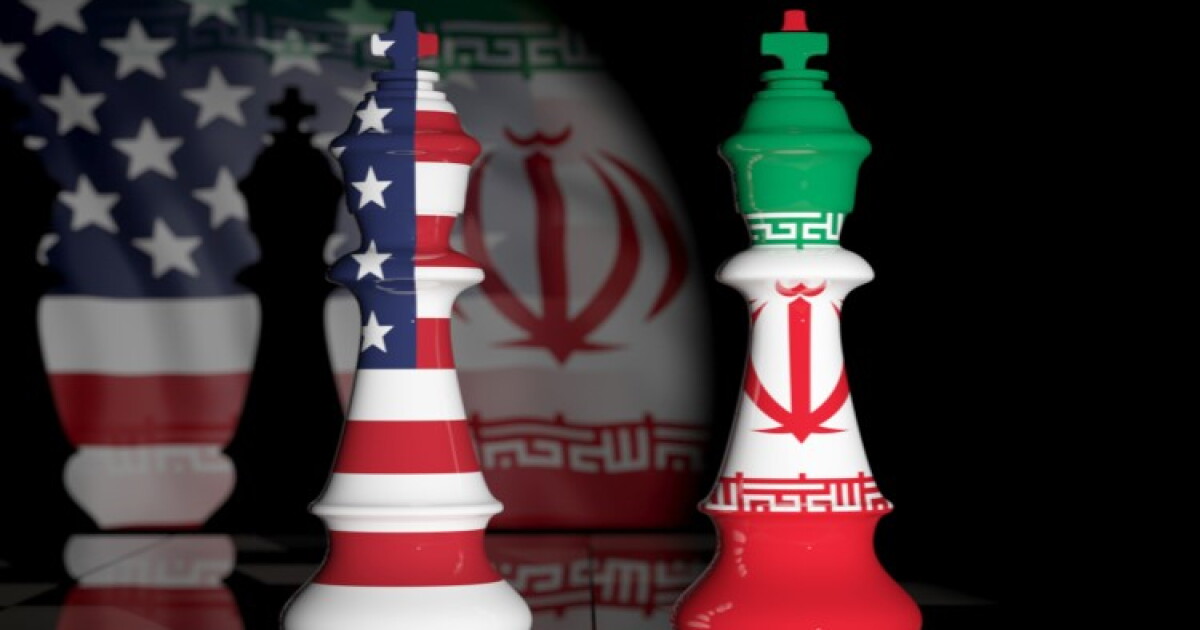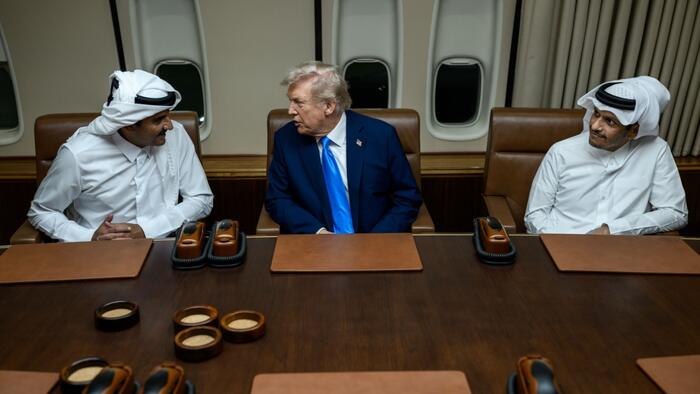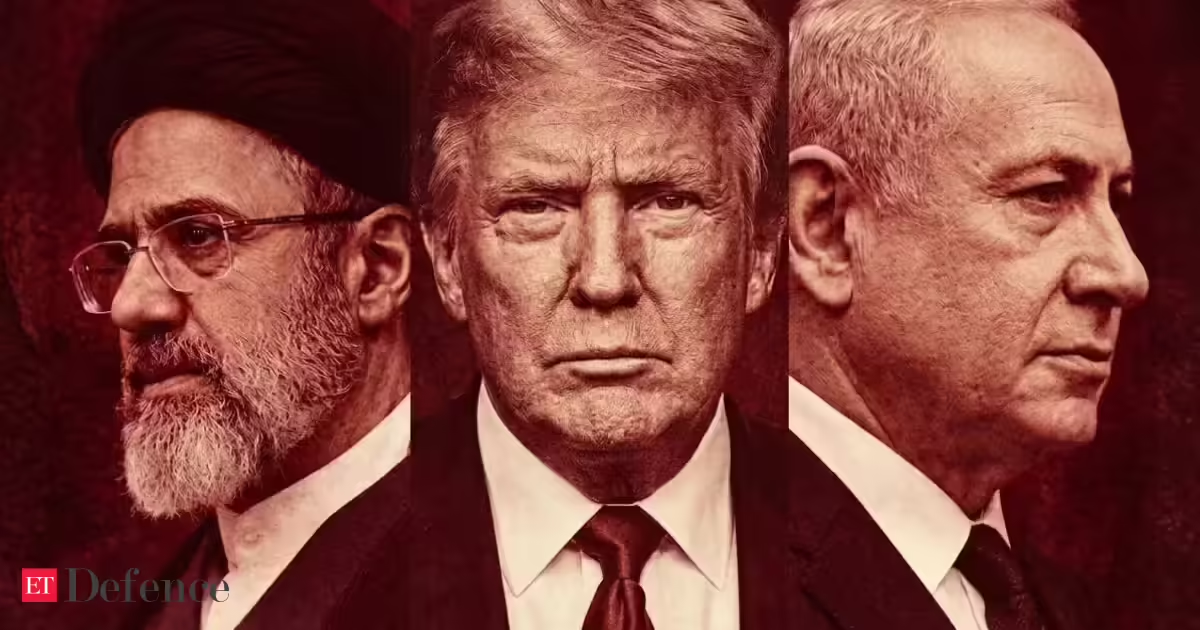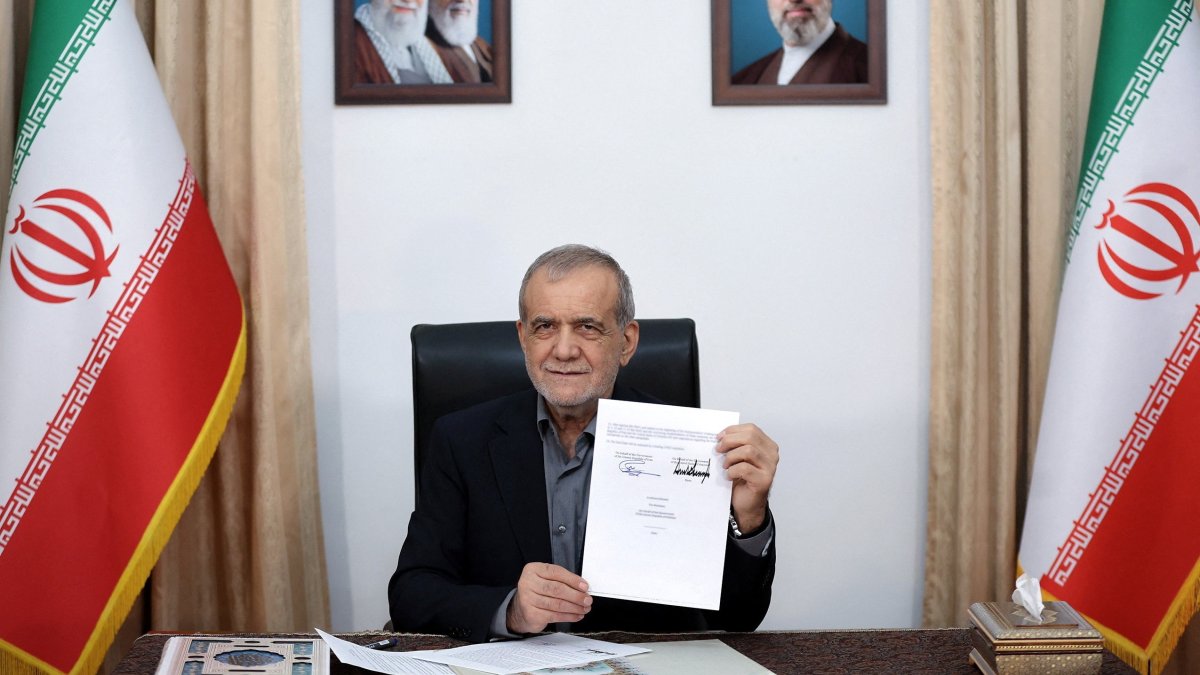
The Middle East is once again at a critical turning point. The 60-day ceasefire agreement reached between the U.S. and Iran appears, at first glance, to be a development that has brought relief to the region. Oil markets have caught their breath, the global economy has found some respite, and tensions around the Strait of Hormuz have eased. However, all of this should not make us forget one simple truth: The silence of the guns does not mean the war is over. Looking at the picture that has emerged today, we see not so much a lasting peace agreement as a fragile balance in which the parties are playing for time.
Upon examining the text of the agreement, the first thing that stands out is that the fundamental disagreements between the parties remain unresolved. Regional power struggles, including, foremost among them, Iran’s nuclear program, the lifting of sanctions and the threats posed by Israel, have not come to an end. In short, the parties have not resolved the crisis; they have merely bought themselves time to manage it. For this reason, the next 60 days look less like a peace process and more like a period of tough negotiations.
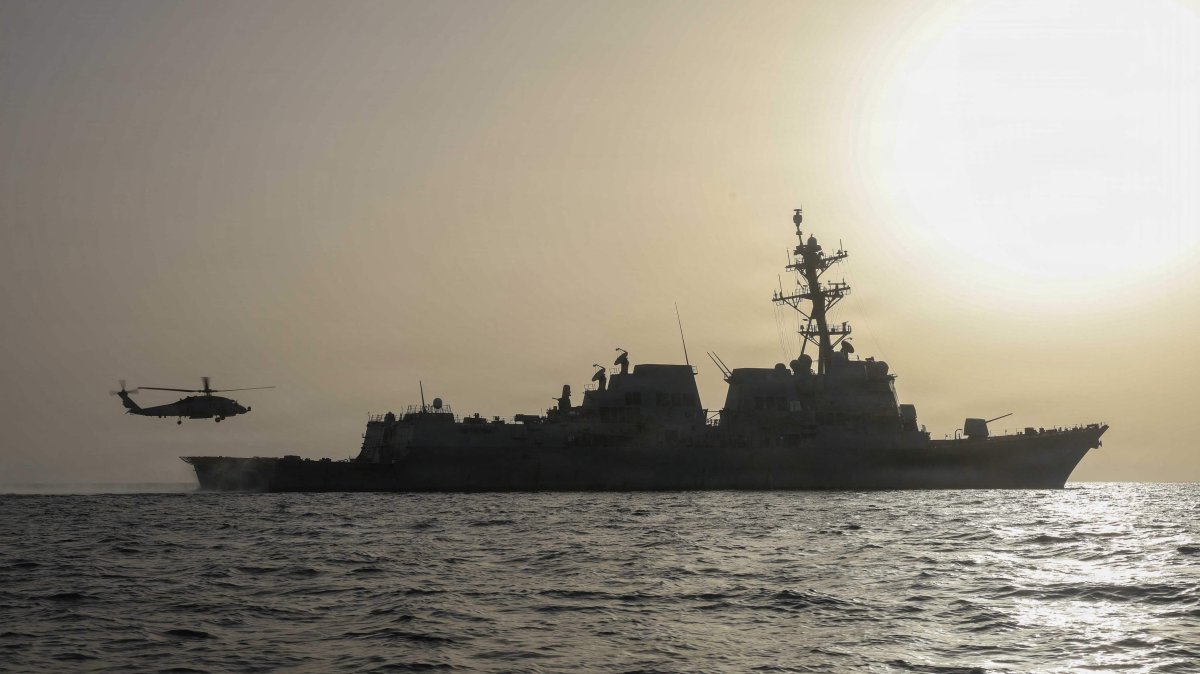
The Strait of Hormuz is nearly the only area where the parties’ common interests intersect. The U.S. does not want energy flows to be disrupted. Iran wants its oil exports to continue. Both sides are aware of the cost of a new energy crisis that would shake the global economy. For this reason, a common understanding has emerged regarding the Strait of Hormuz for the time being. However, it is not possible to say that this issue has been completely resolved. This is because critical topics, such as how the Strait will be managed in the future, Iran’s role in the region, and the mechanisms through which energy security will be ensured, are still awaiting discussion at the negotiating table.