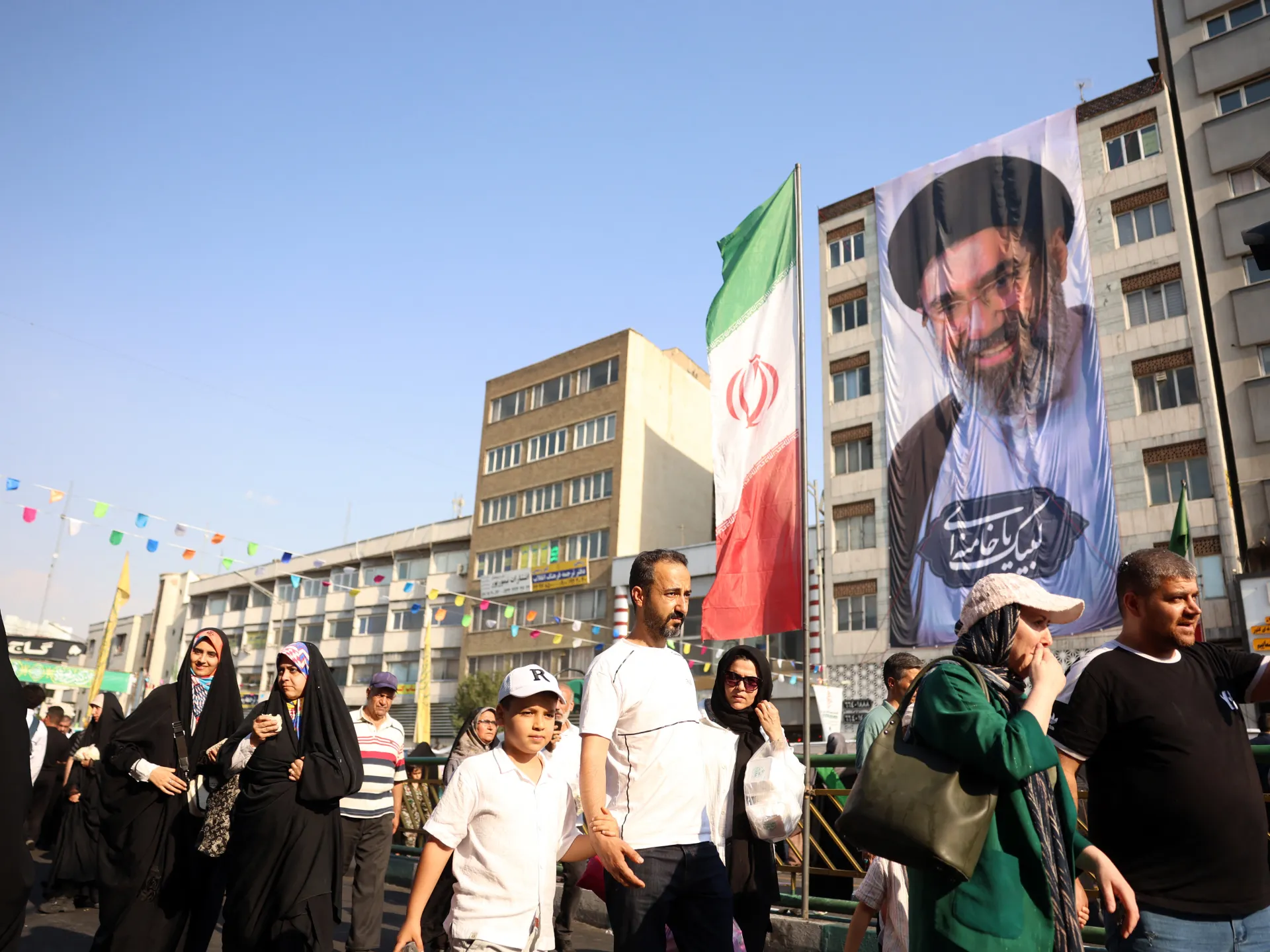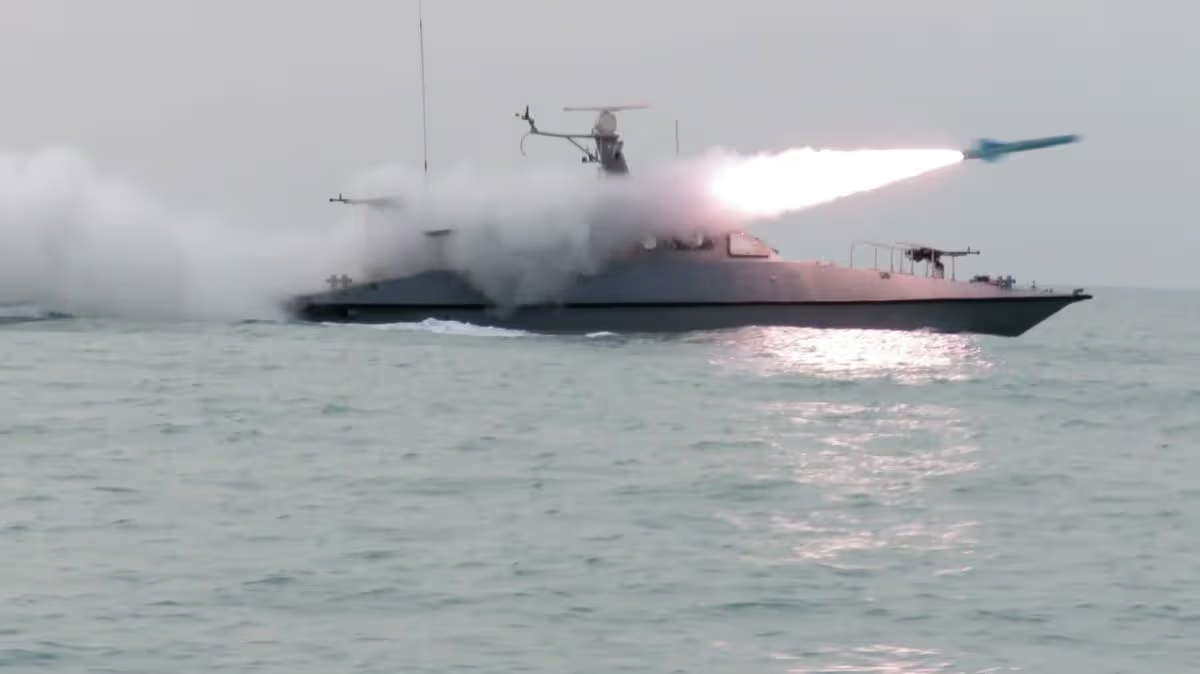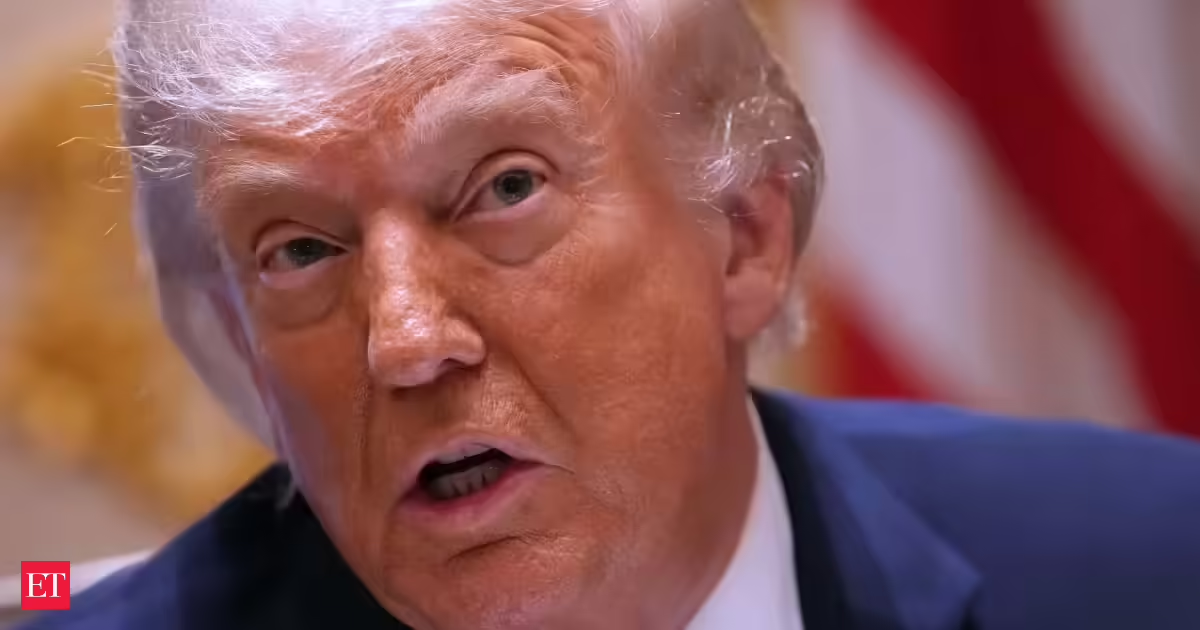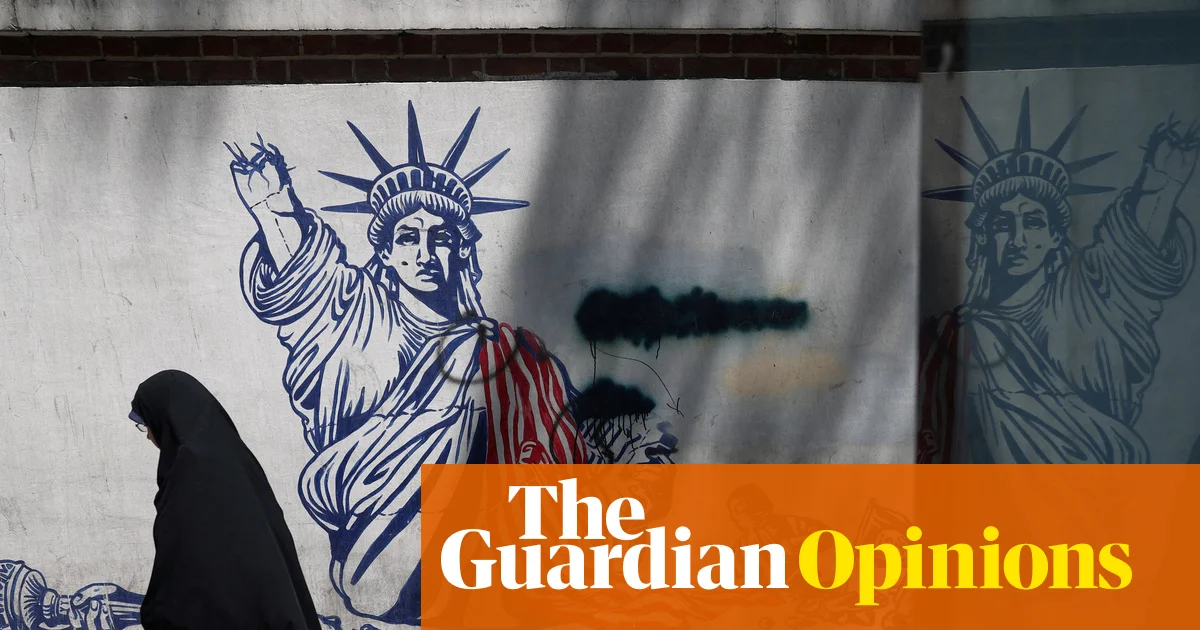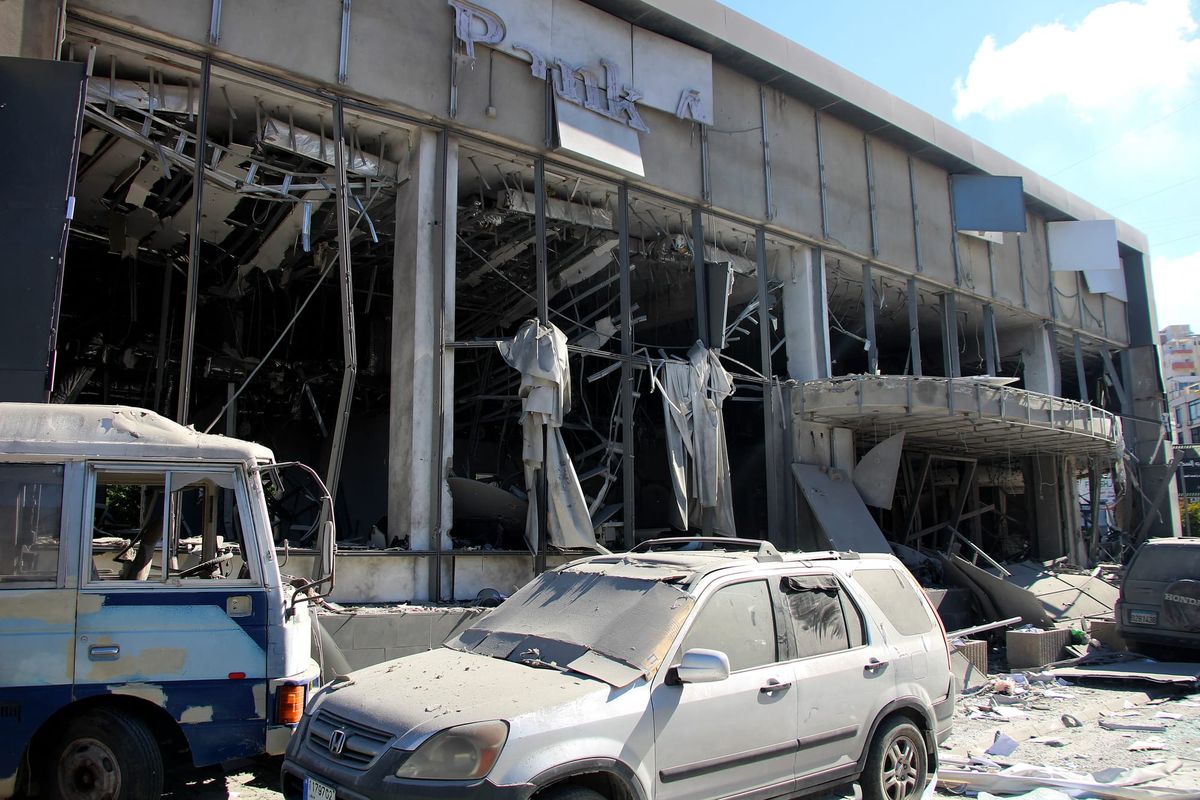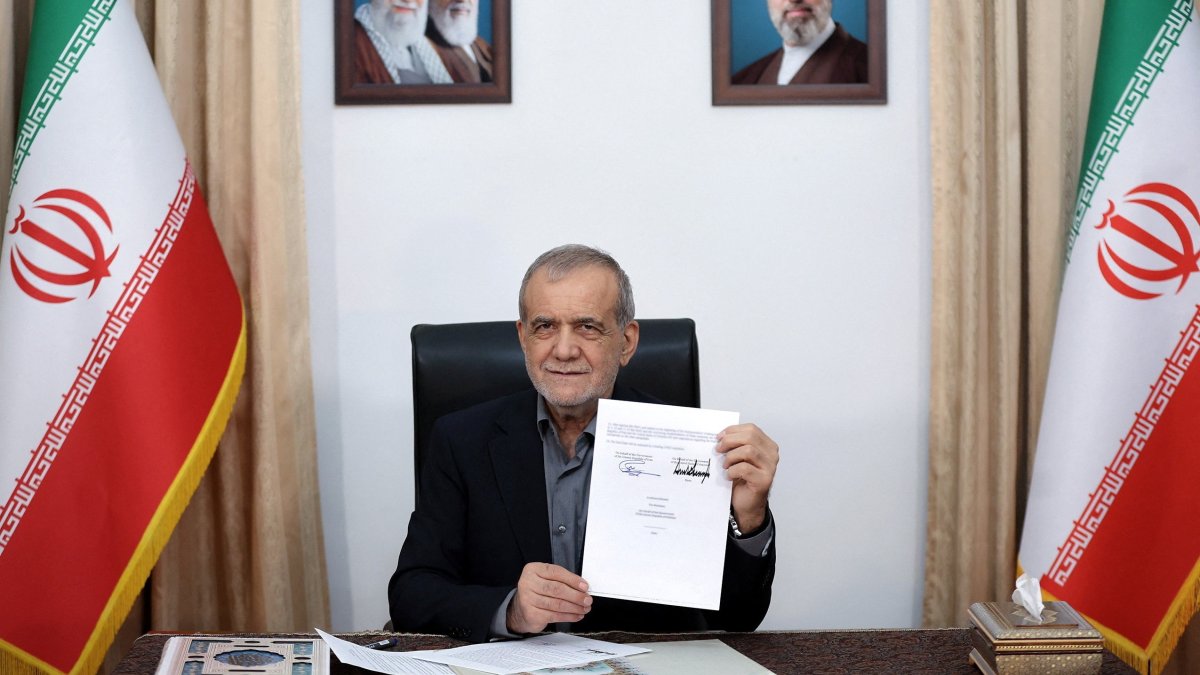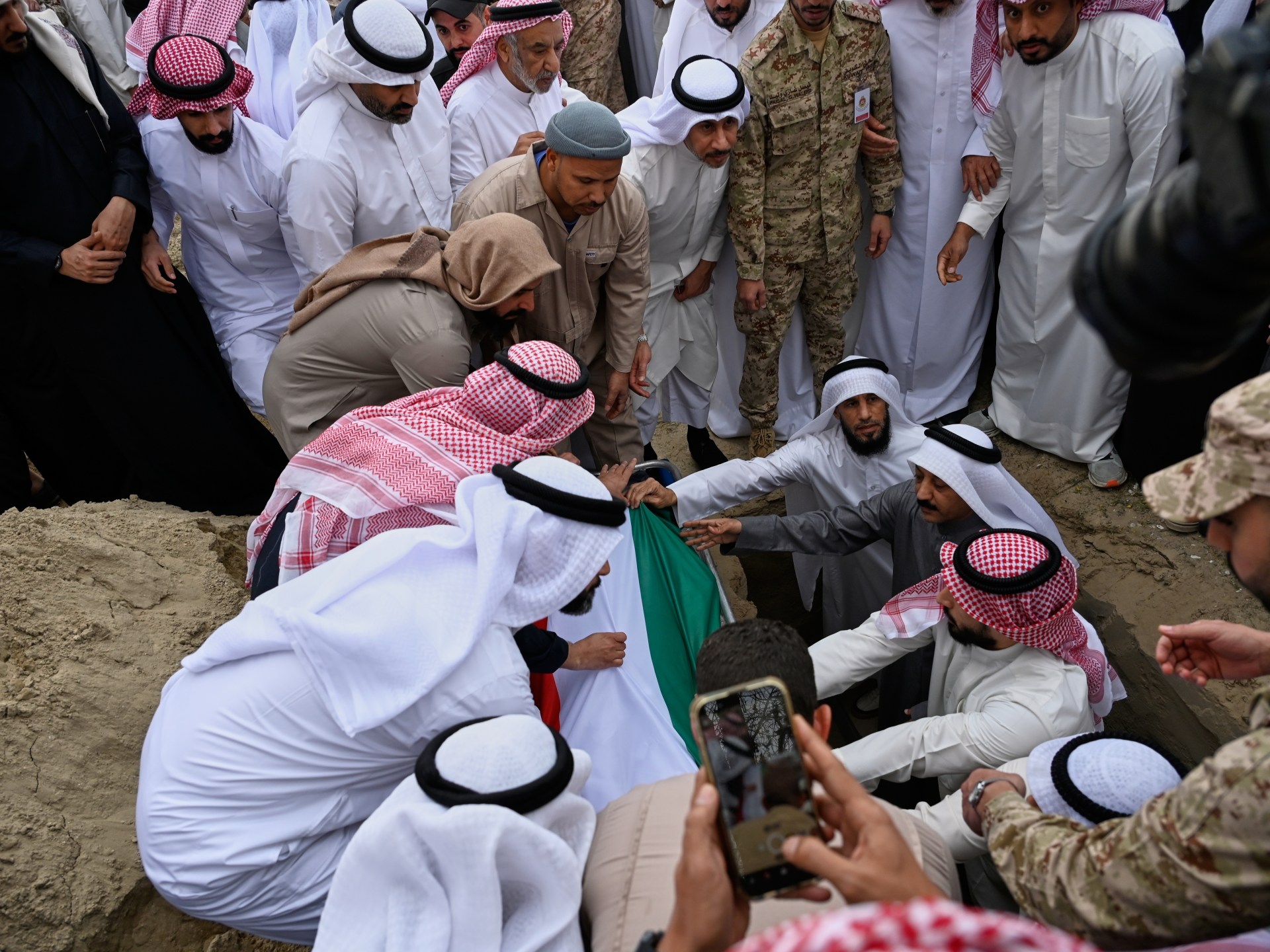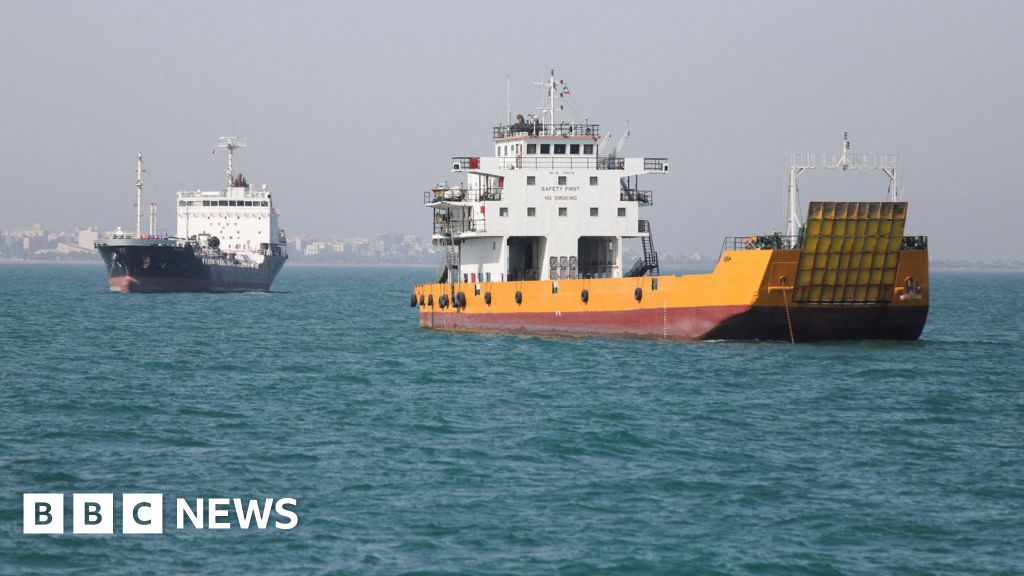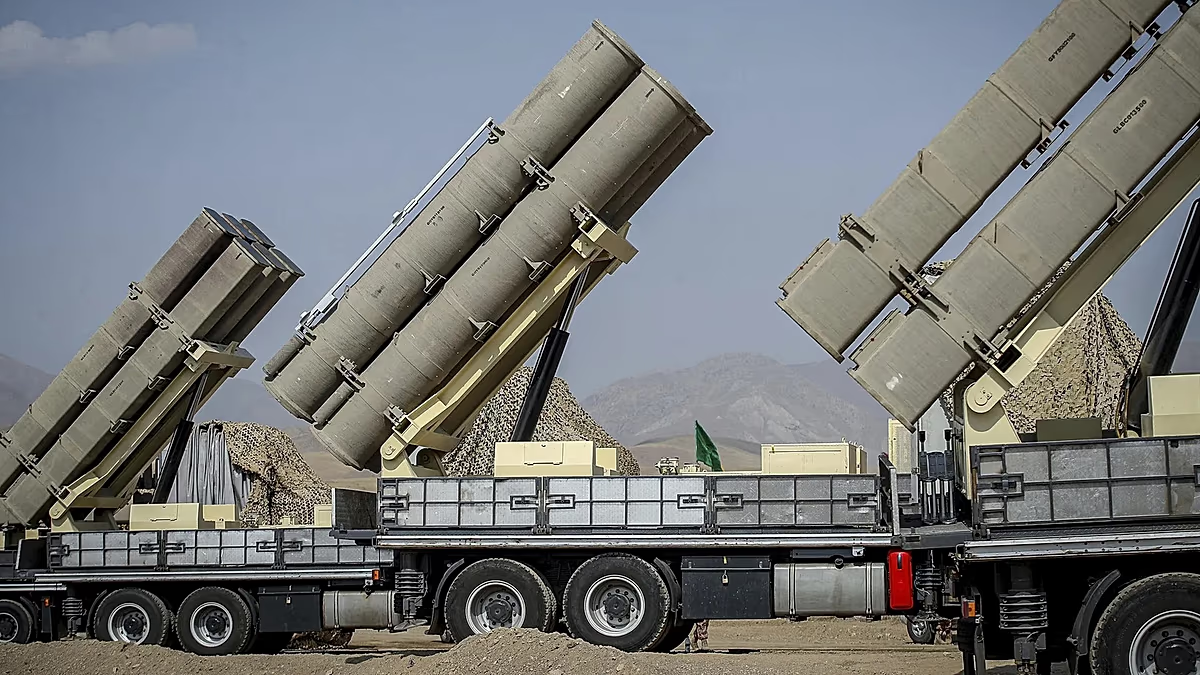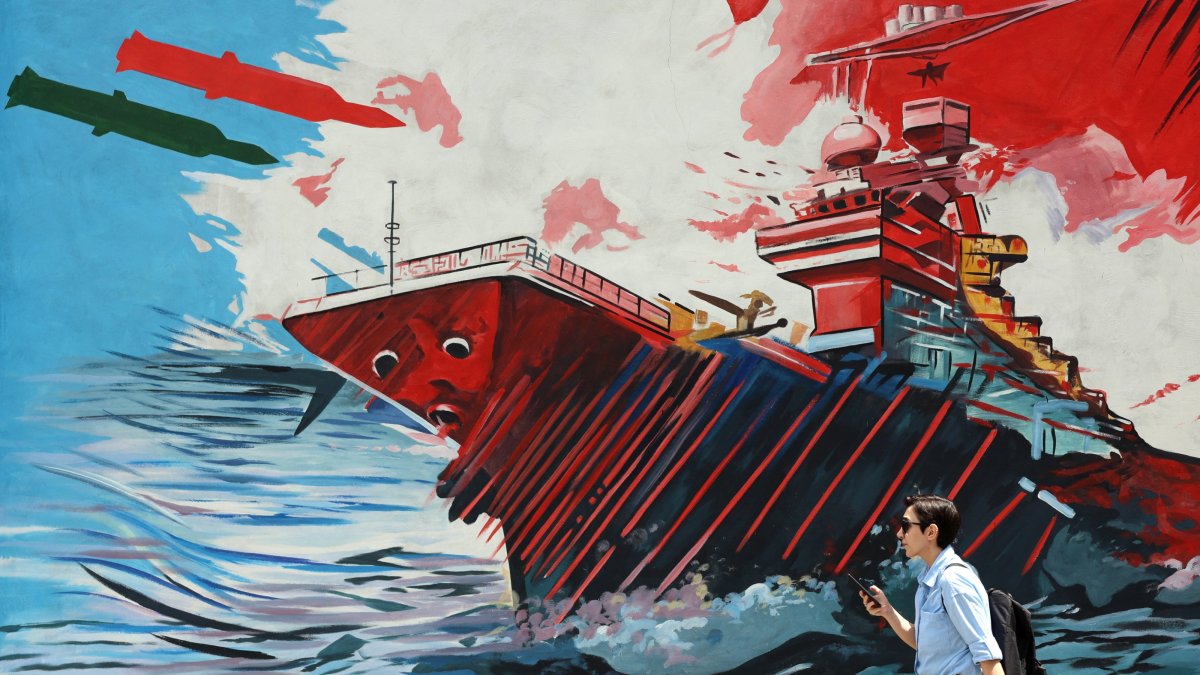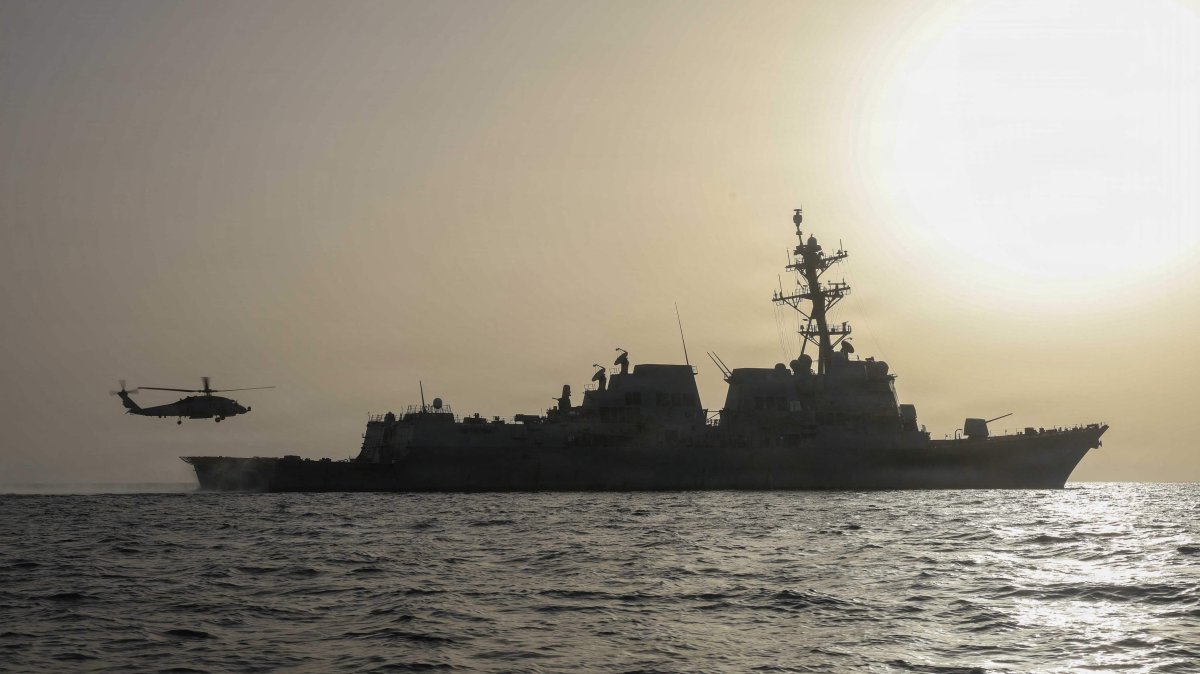
Despite diplomatic efforts between the United States and Iran, tensions in the Middle East show no signs of easing. This is no longer merely a regional crisis; it has become one of the most critical fronts in the global power struggle. While cease-fire talks appear to be ongoing, the reality on the ground tells a different story. While diplomacy is being discussed at the table, war preparations continue on the ground.
The primary reason for this deadlock is the China factor. Washington has failed to reach an agreement that would force Beijing to back down on Iran. It appears that the U.S. has tried to persuade China to cut off its support for Iran through economic concessions and the Taiwan issue, but has failed to achieve results. From China’s perspective, Iran is not merely an energy supplier; it is also a strategic buffer keeping the U.S. out of its own region. Beijing knows that if Iran weakens, the U.S. will shift all its attention to the Asia-Pacific. For this reason, it appears determined to continue its support for Iran.
The second major sticking point is Israel. The Tel Aviv administration does not want a lasting reconciliation between the U.S. and Iran. Israel’s priority is the complete elimination of Iran’s nuclear capabilities. However, the issue is not merely the nuclear program. From Israel’s perspective, the primary strategic goal is to destabilize Iran from within over the long term and break its regional influence, in other words, the “Iraqification” of Iran.