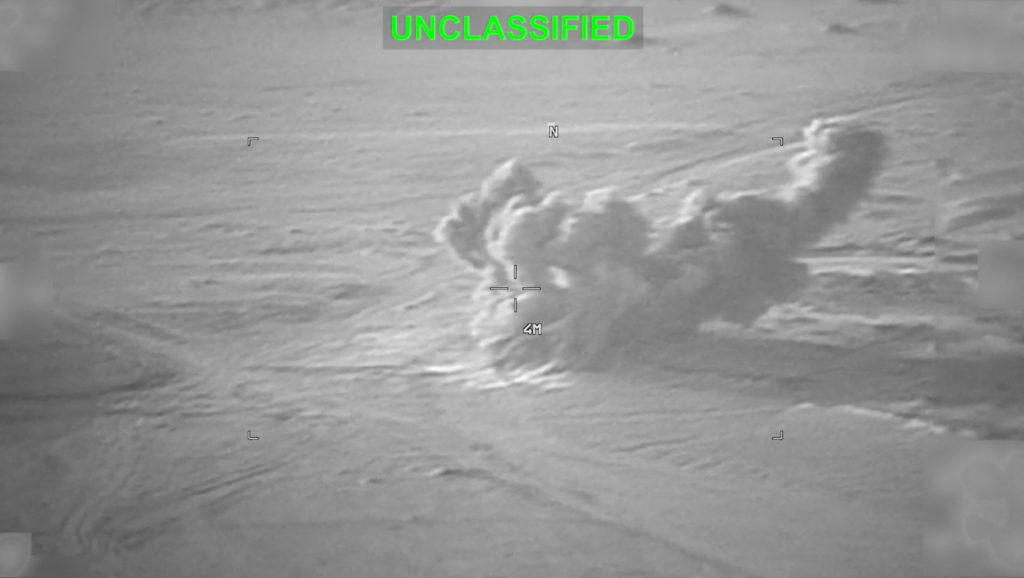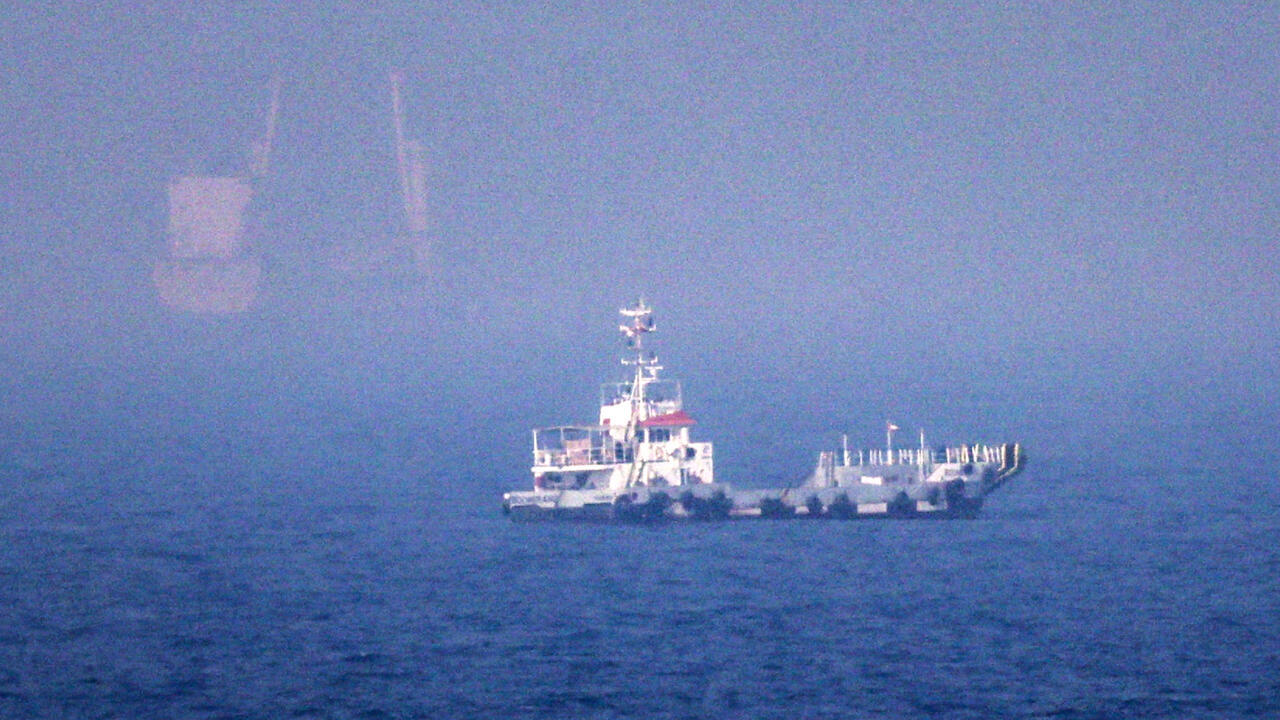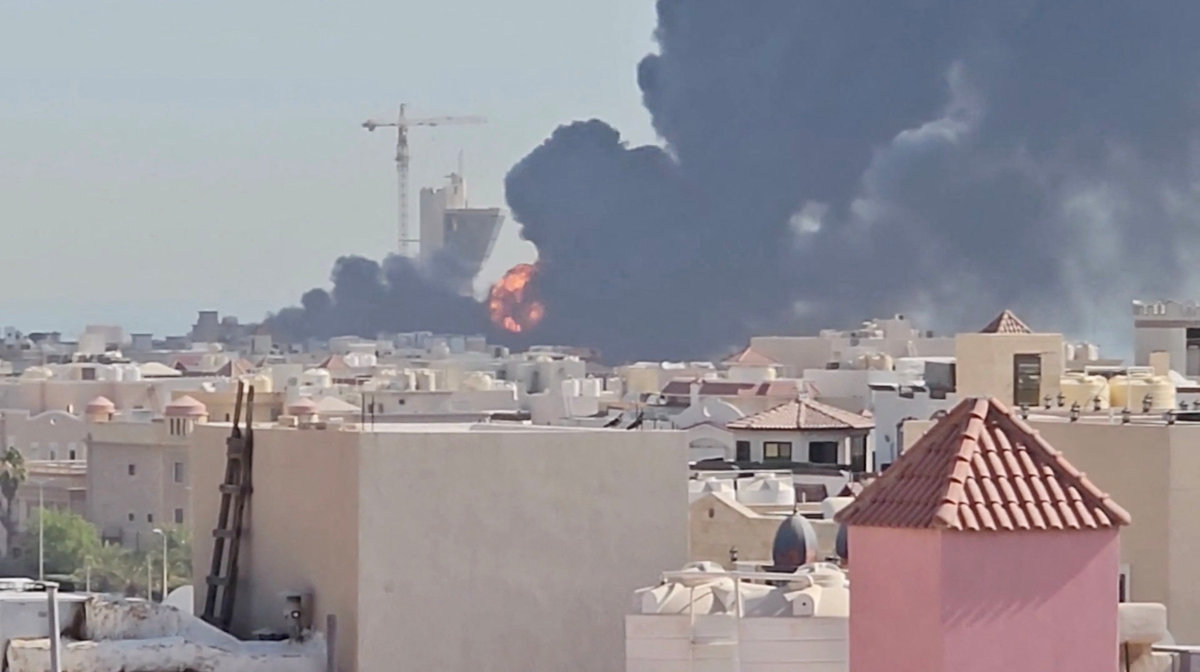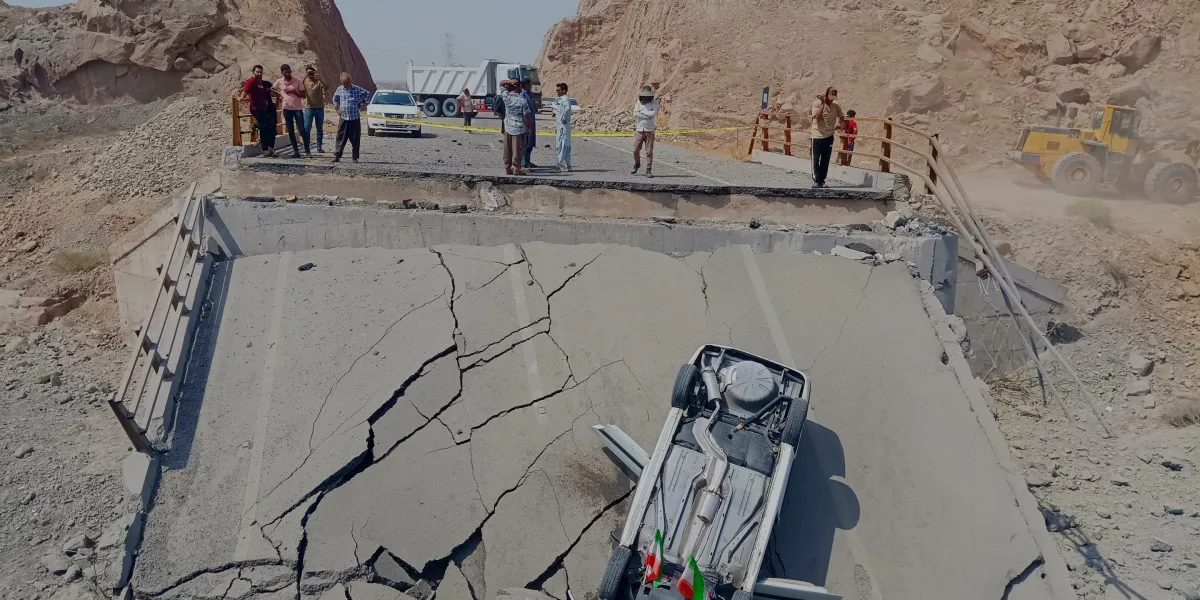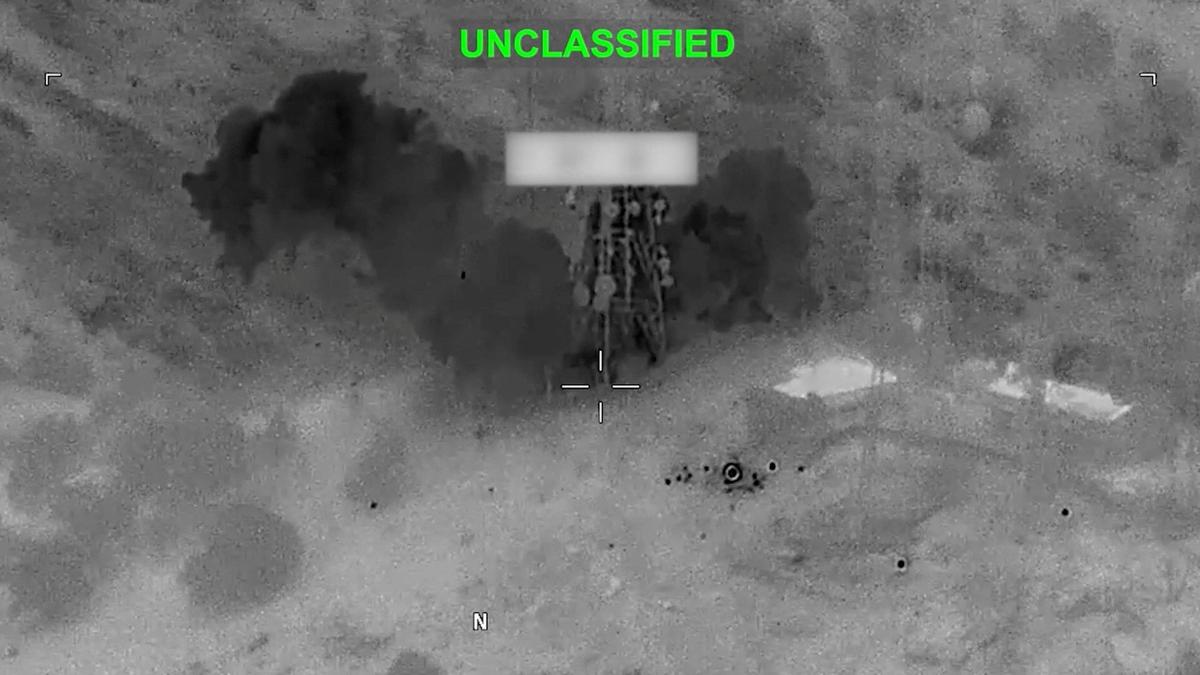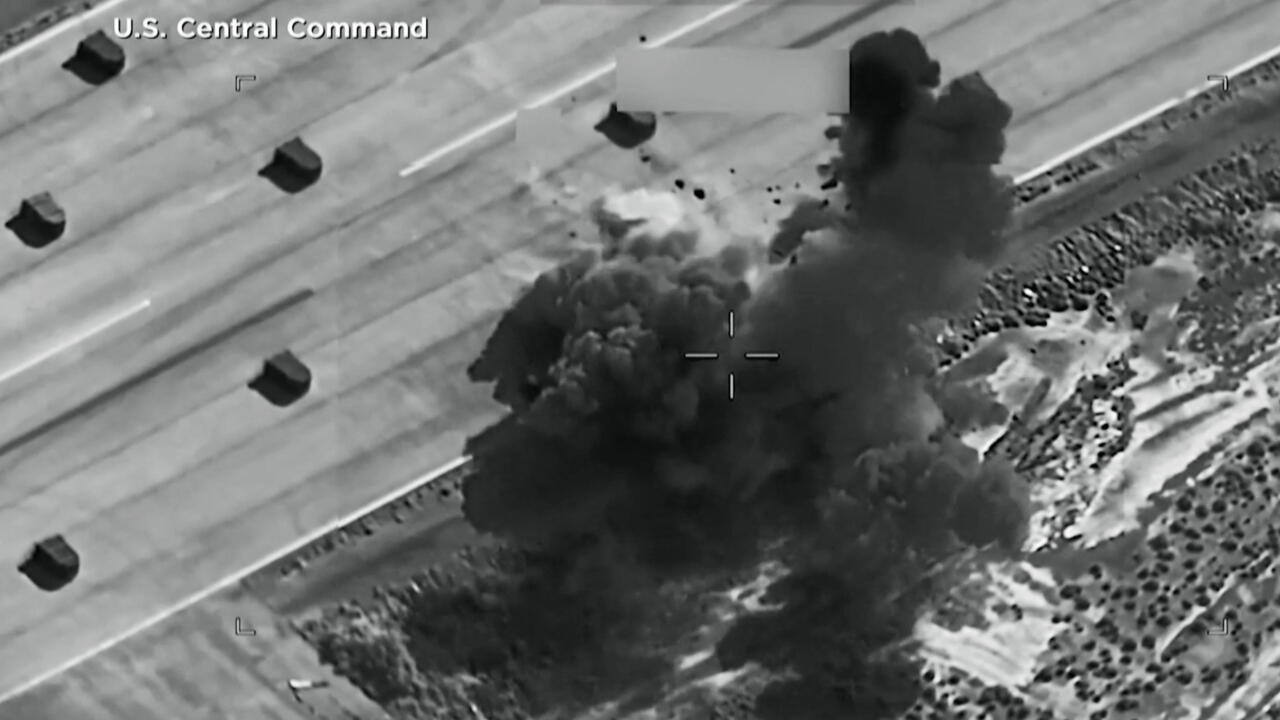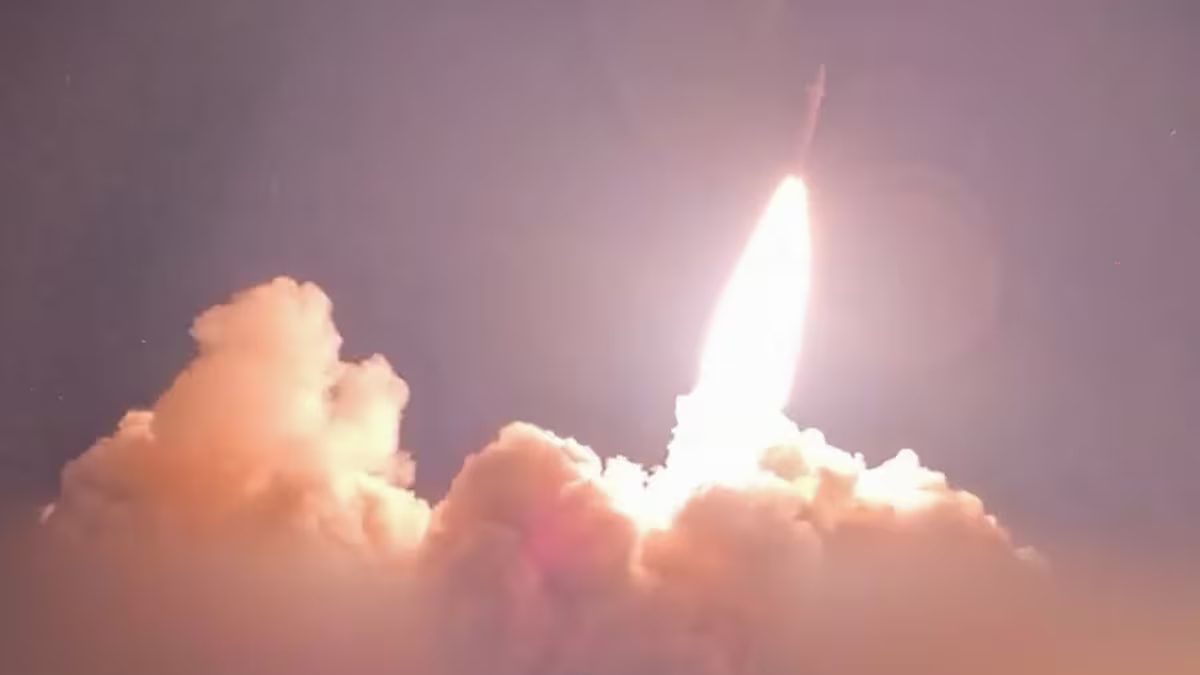
DUBAI, United Arab Emirates (AP) — The United States and Iran exchanged fire across the Middle East on Wednesday, as officials in both nations called into question diplomatic efforts to stop the war as it threatens to again spin out of control. The U.S. launched an 11th night of airstrikes on the Islamic Republic, hitting targets across the nation as air defense systems opened fire over the capital, Tehran. It wasn’t immediately clear what specific targets the Americans went after in these nighttime strikes. Iran retaliated with missile and drone fire targeting Jordan’s port city of Aqaba, once again attacking just on the doorstep of Israel. The U.S. has been using Israel’s main Ben-Gurion International Airport to host its refueler aircraft and has put fighter jets at bases in the country, but Iran has been hesitant to strike for fear of bringing the Israeli military back into the conflict. Meanwhile, shipping remains through the Strait of Hormuz, the narrow mouth of the Persian Gulf through which a fifth of all oil and natural gas traded passed in peacetime. Iran’s attacks on shipping in that waterway sparked the recent series of attacks, and the Iranian-backed Houthi rebels of Yemen are now threatening Saudi oil tankers in the Red Sea as well. That pressure pushed benchmark Brent crude above $94 a barrel in trading, again straining global energy supplies and raising the cost of gasoline in the United States ahead of midterm elections this fall.
US and Iran attacks rage as officials question whether diplomacy can stop march toward war resuming
The United States and Iran have exchanged fire across the Middle East, raising concerns about diplomatic efforts to save an interim deal.
601 words~3 min read