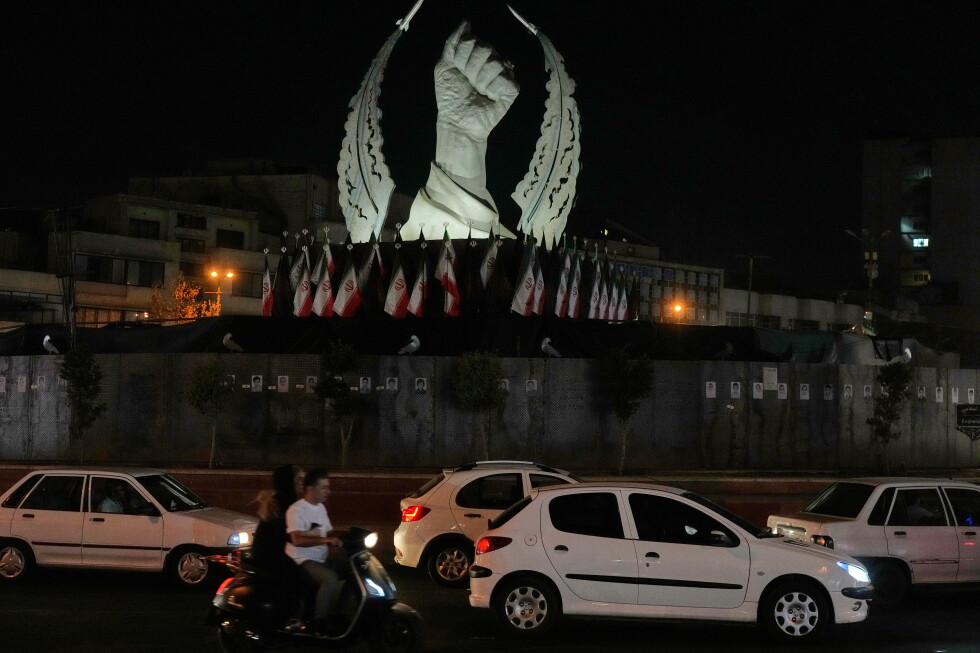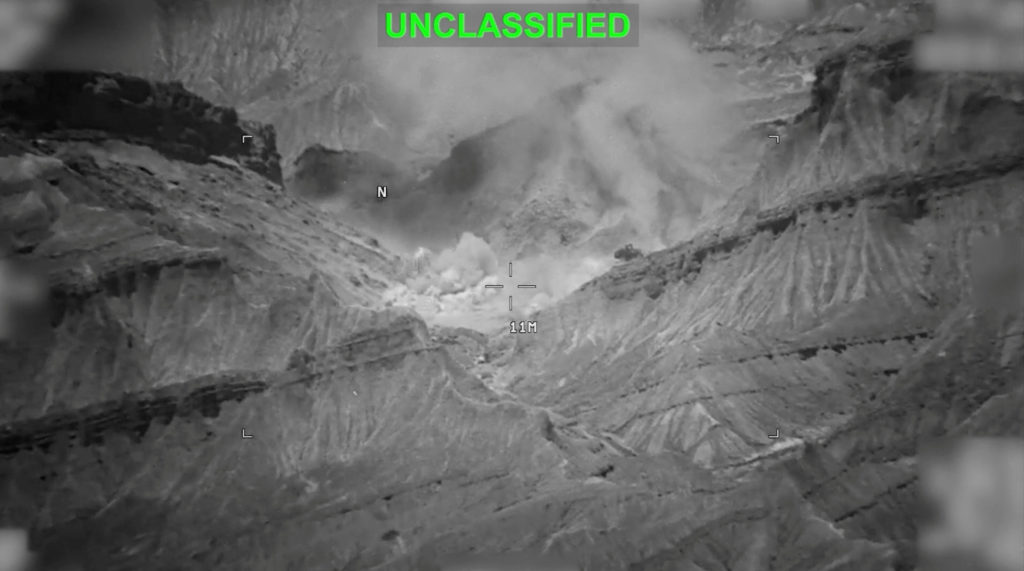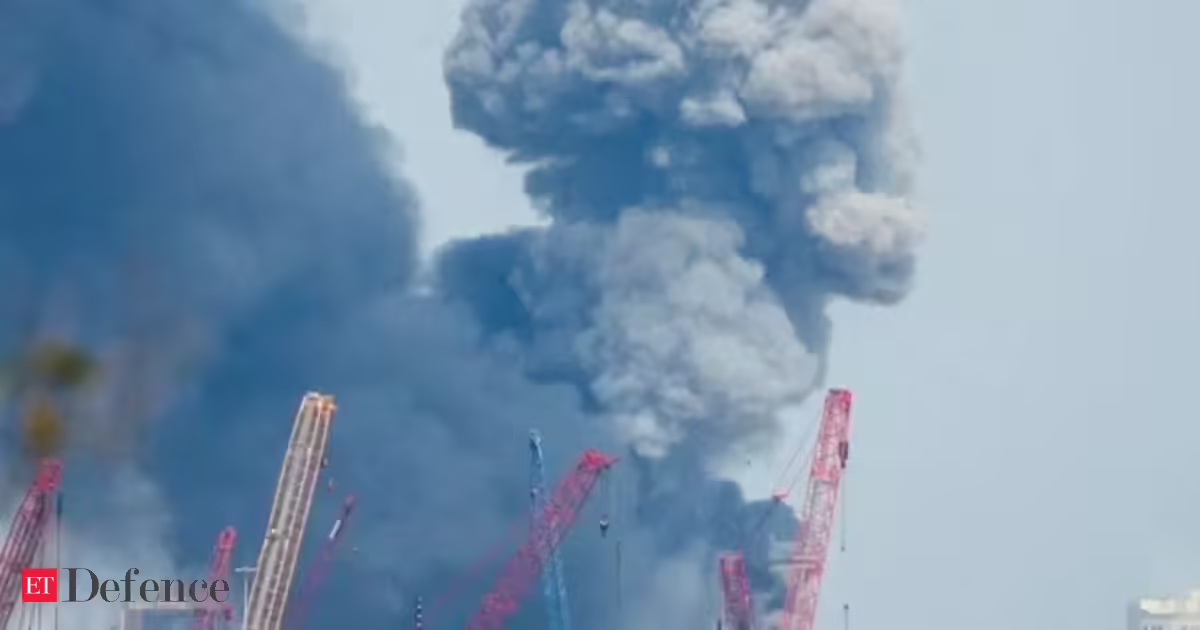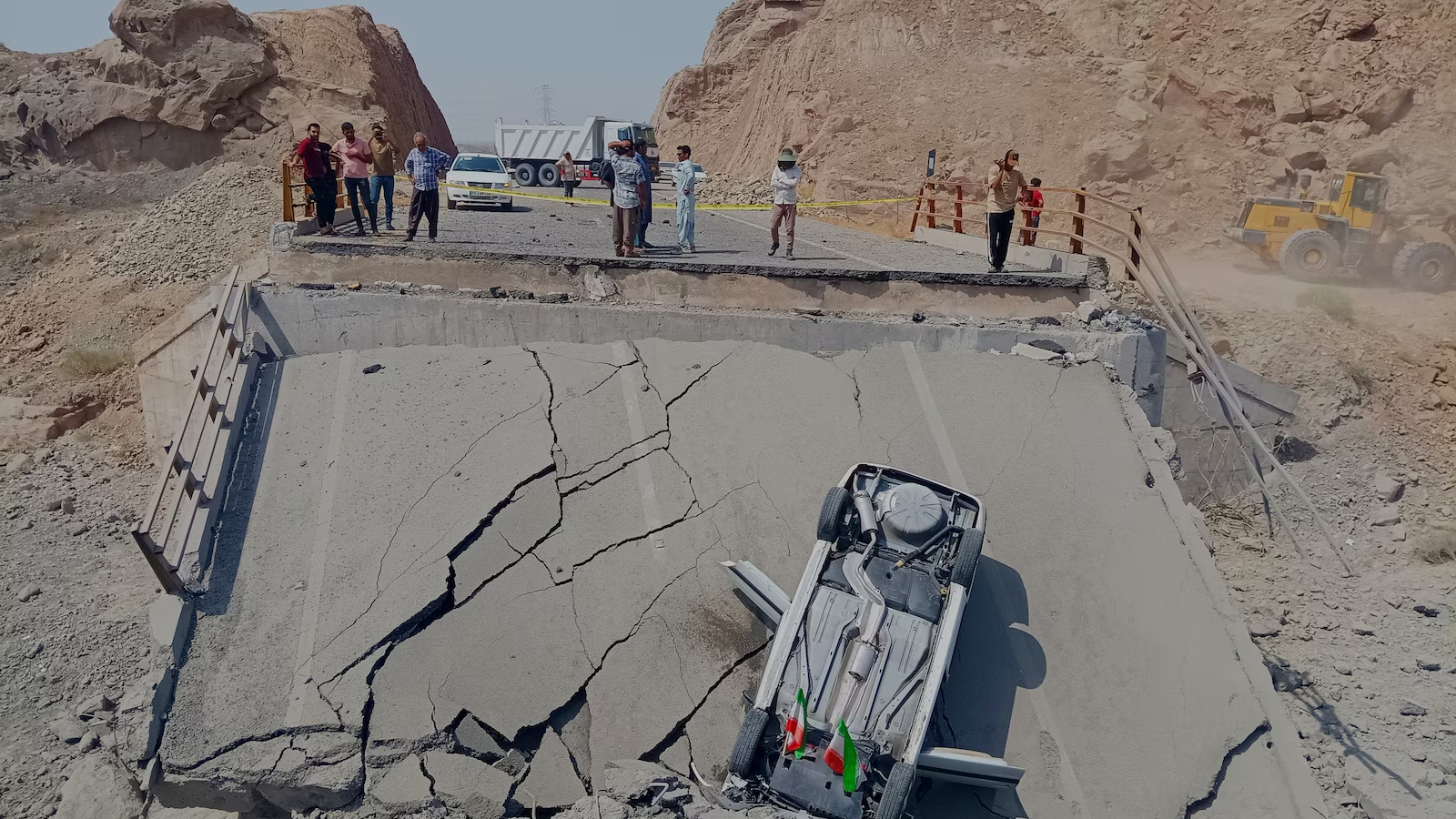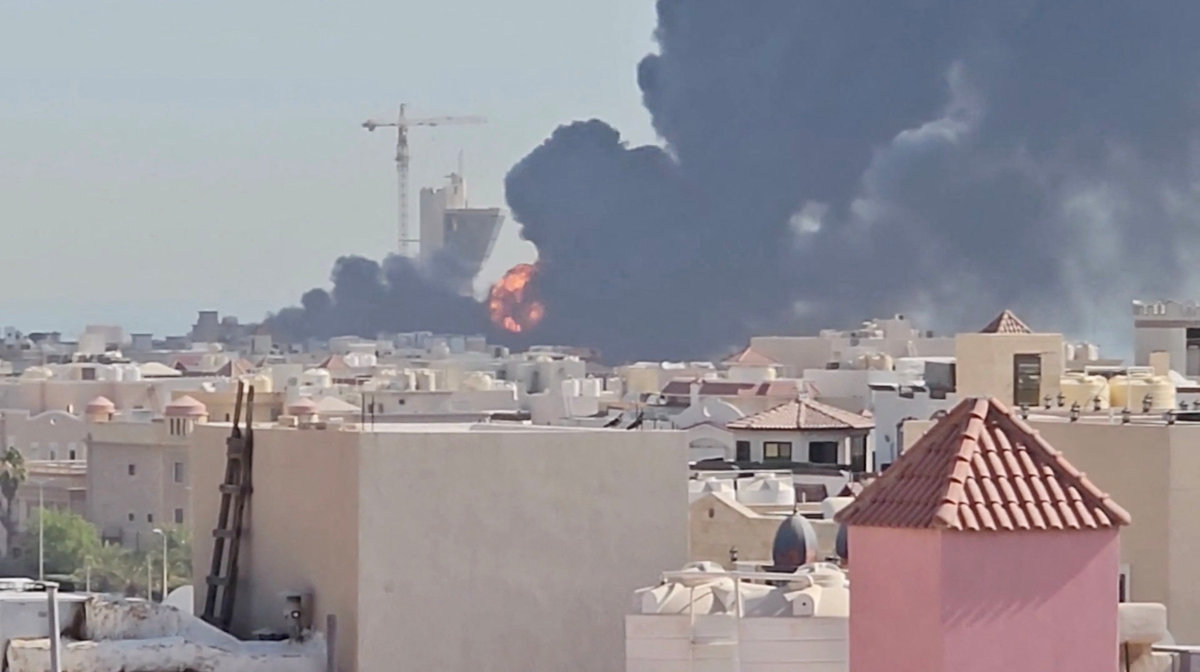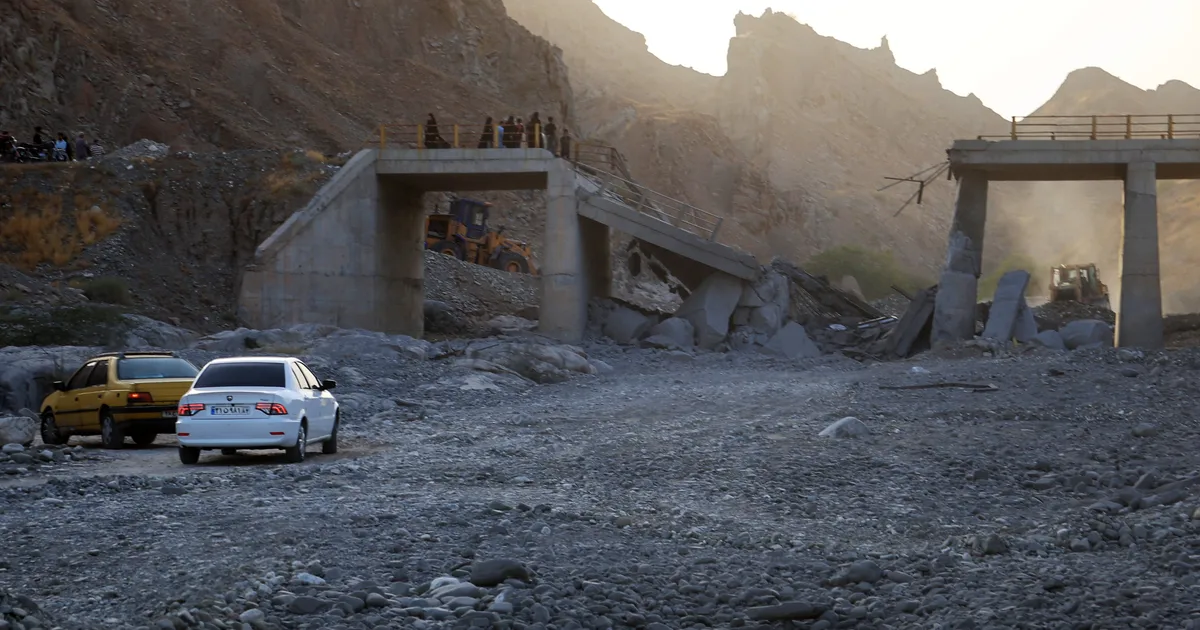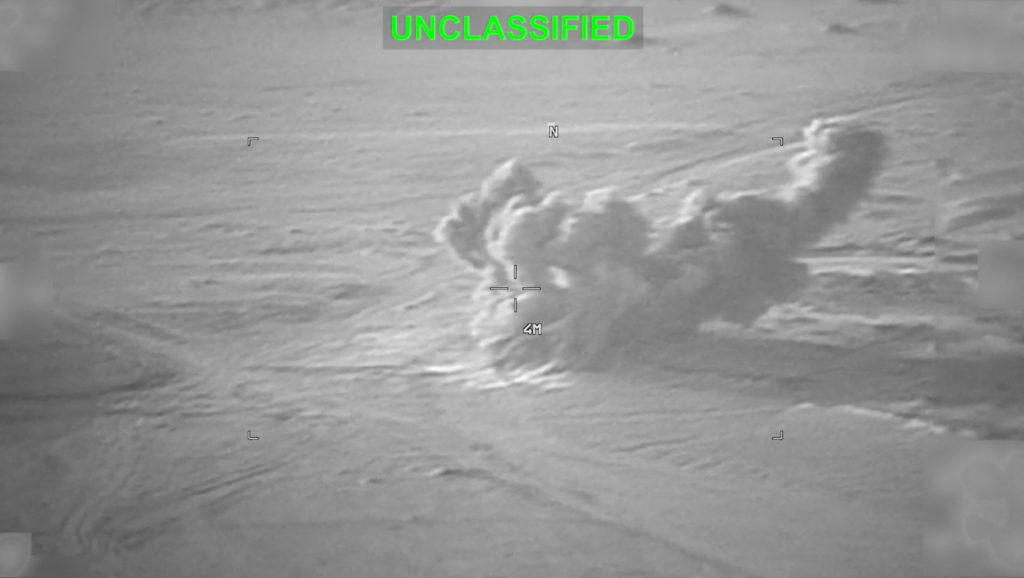
DUBAI, United Arab Emirates (AP) — The United States conducted a new round of airstrikes against Iran on Monday after announcing the death of another American service member. Iran responded by launching attacks on American allies Kuwait and Bahrain, home of the U.S. Navy's 5th Fleet.
Even as the U.S. and Iran inch closer to all-out war, glimmers of hope appeared on the diplomatic front, as two regional officials said Iran's interior minister was expected to arrive late Monday for a two-day visit in Pakistan, a key mediator in the conflict. The officials spoke on condition of anonymity because of the sensitivity of the matter.
READ MORE: U.S. military identifies 2 soldiers killed in Iranian attack on Jordan
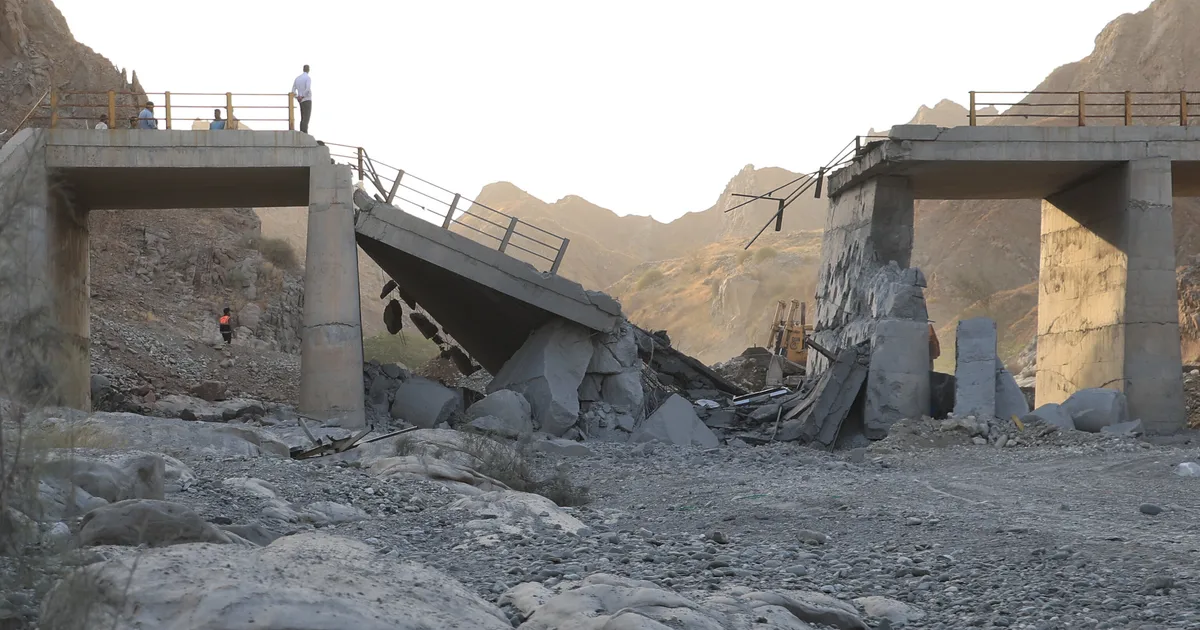
The interim deal signed last month that was meant to end the fighting has crumbled and shipping through the Strait of Hormuz — a vital supply route for world energy supplies — has largely stalled. As fighting intensifies, both sides have targeted civilian infrastructure relied on by millions of people.
The escalation has pushed oil prices higher in recent weeks. Benchmark Brent crude traded Monday above $86 a barrel and regular gasoline in the U.S. climbed to an average of $4 a gallon, keeping pressure on Americans' wallets ahead of midterm elections this fall.