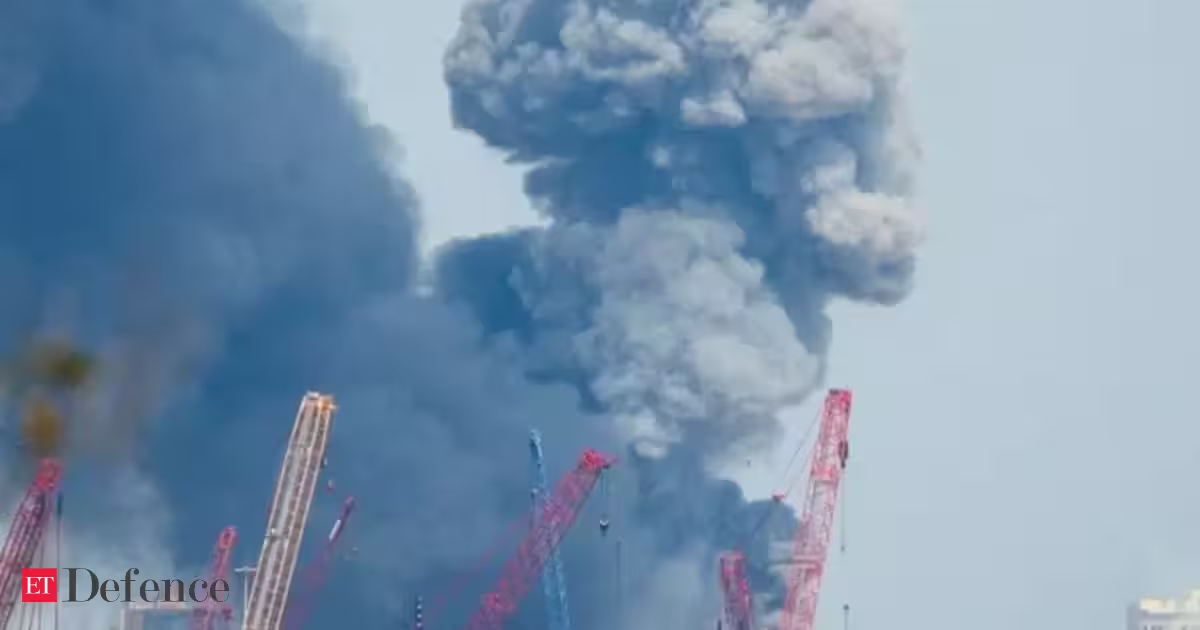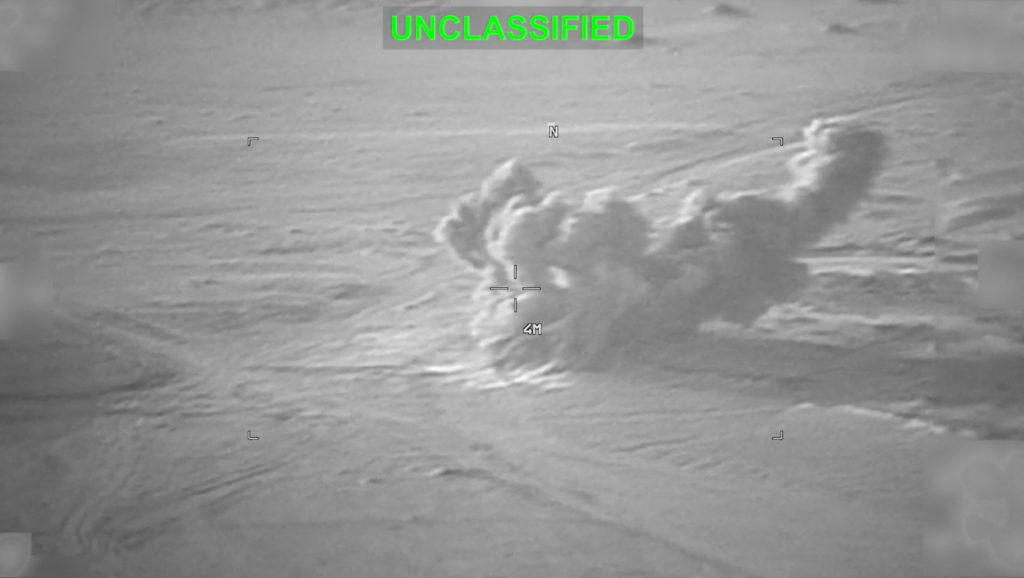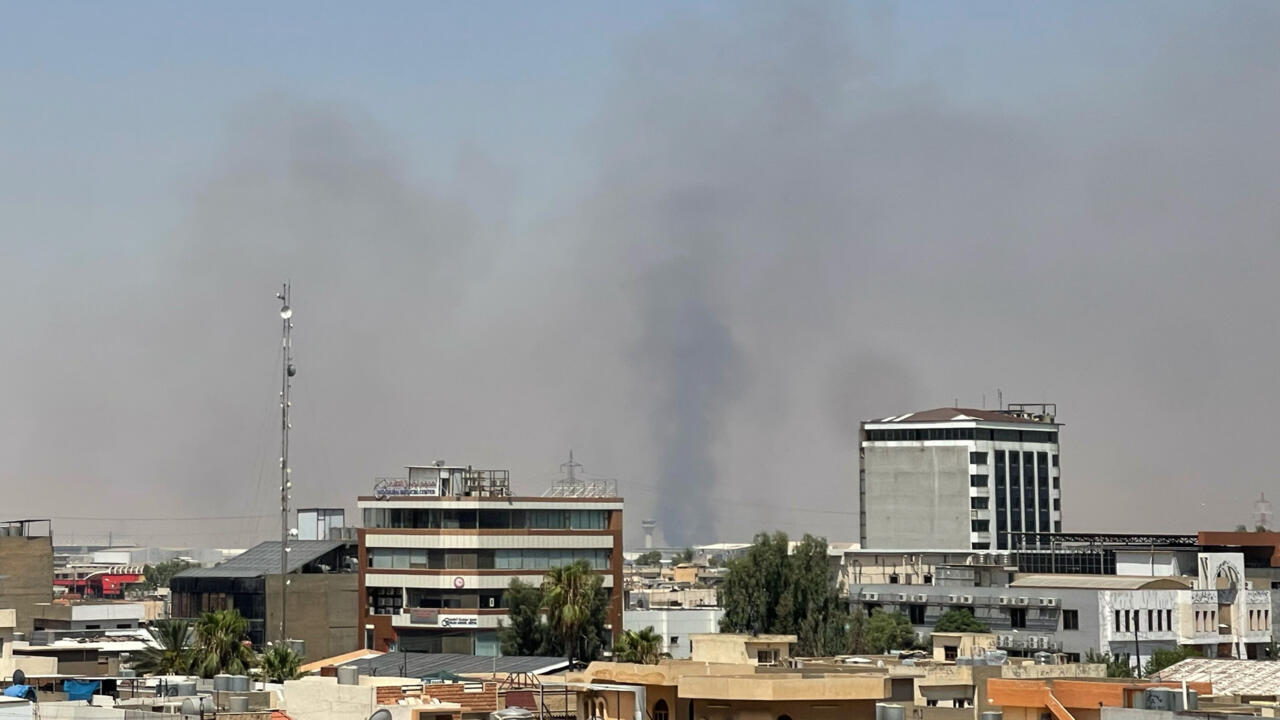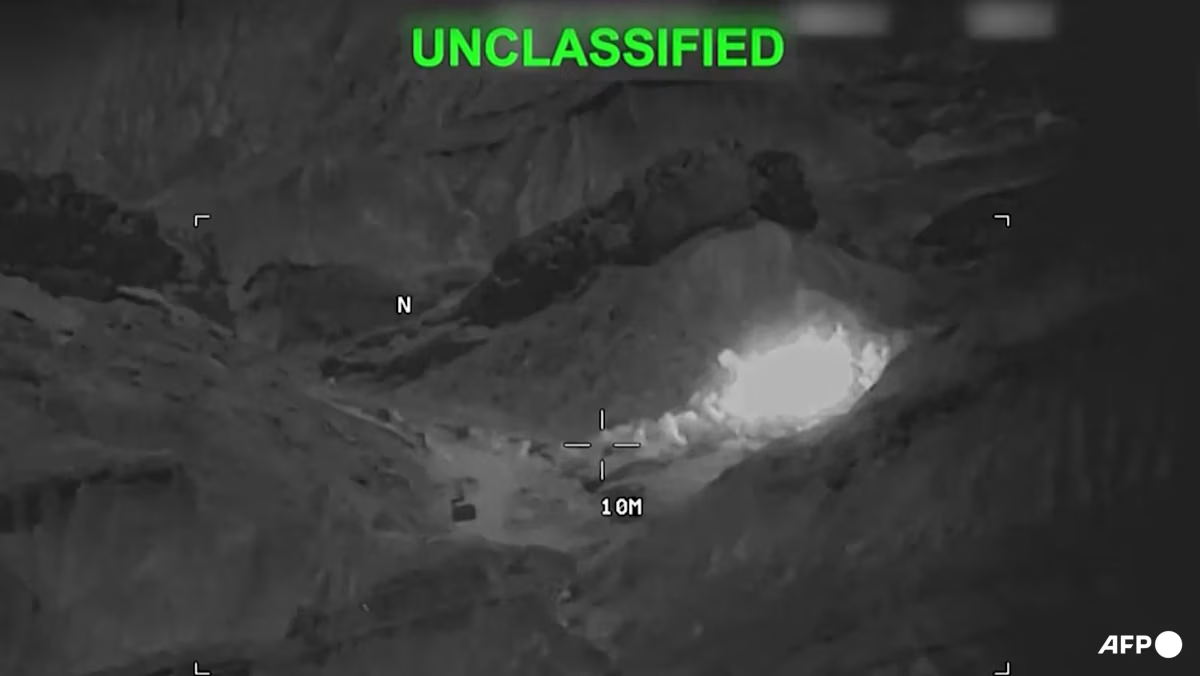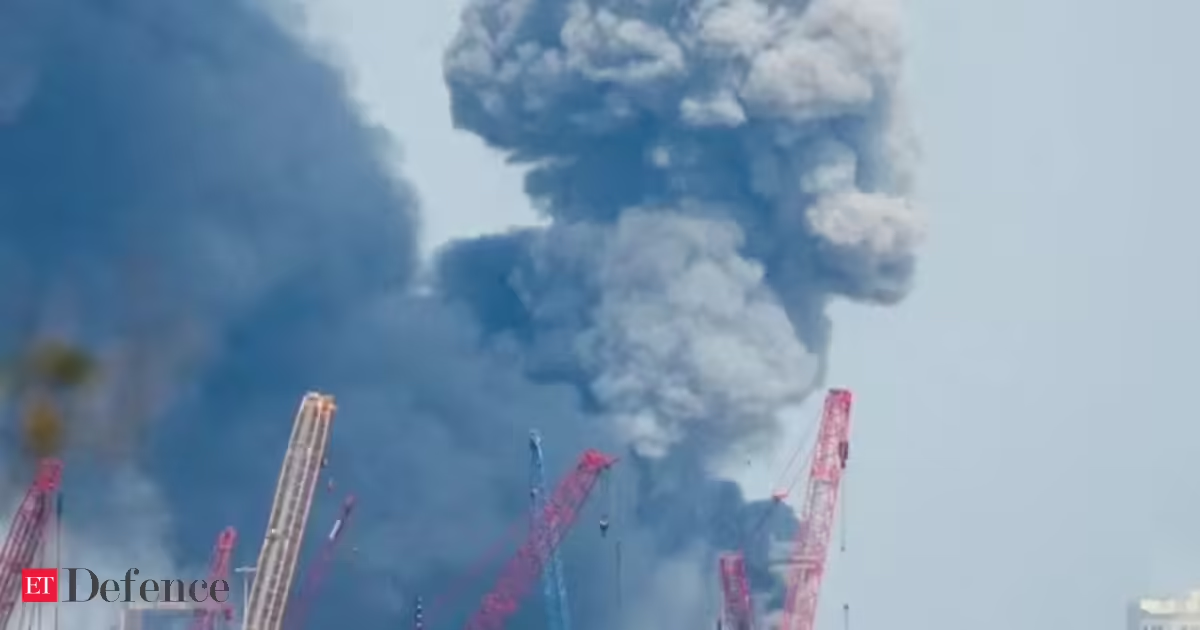
The United States bombarded Iran again on Monday after announcing the death of another American service member, and Iran retaliated by launching attacks on American allies Kuwait, Jordan and Bahrain, home of the U.S. Navy’s 5th Fleet.
Even as the U.S. and Iran inch closer to all-out war again, glimmers of hope appeared on the diplomatic front, as Iran’s interior minister traveled to Pakistan, a key mediator in the conflict, for talks.
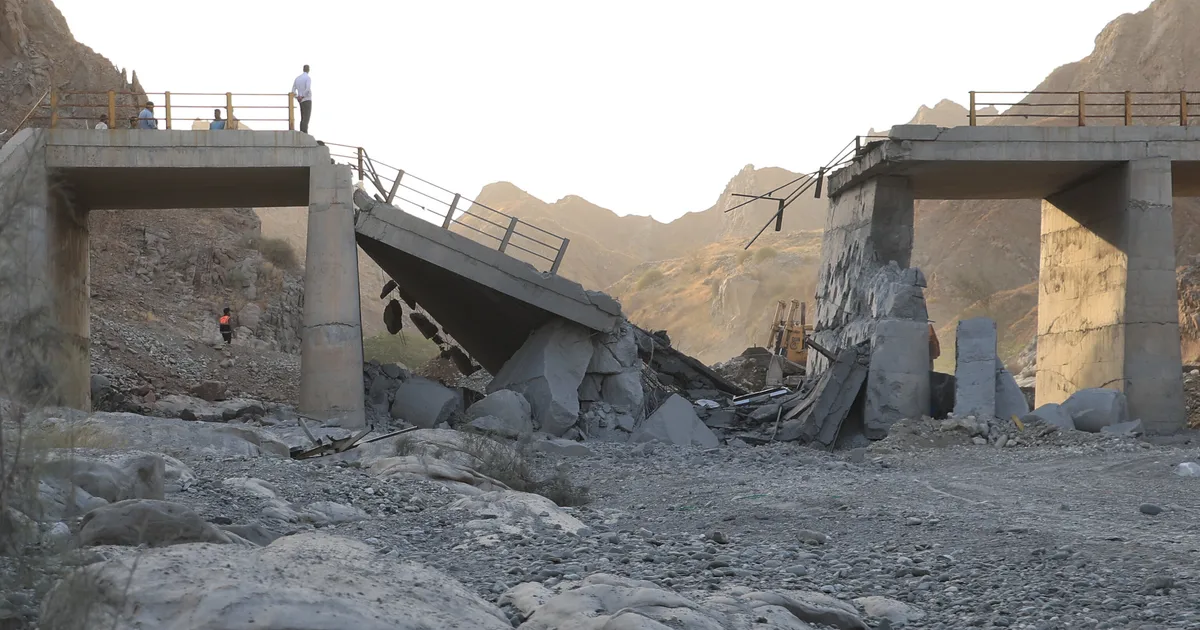
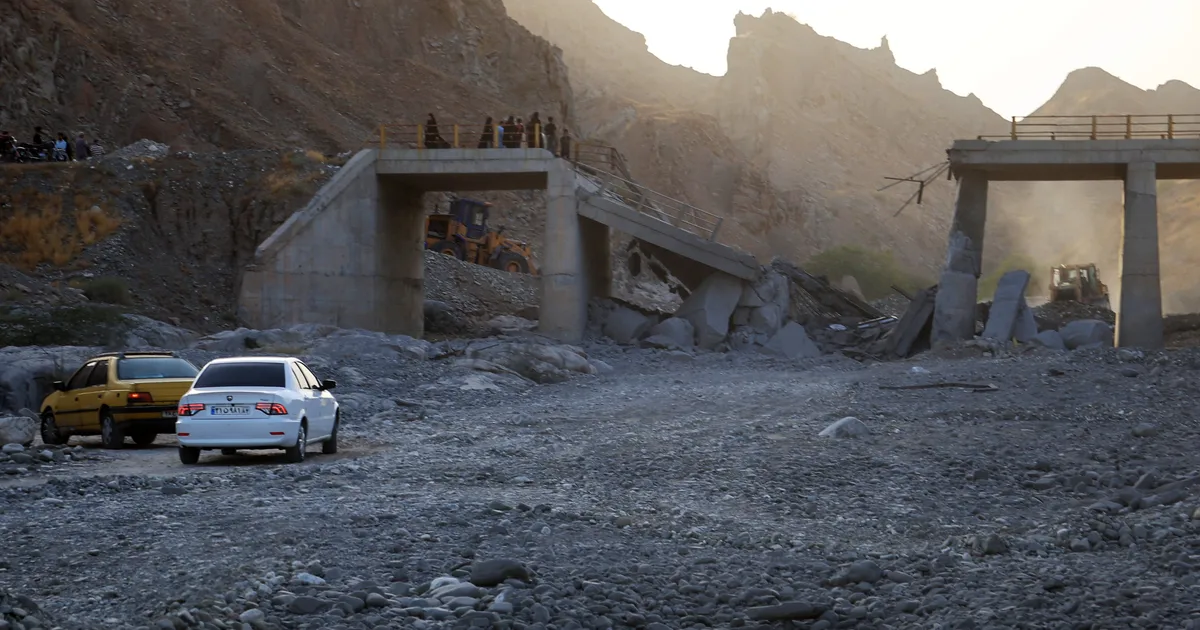
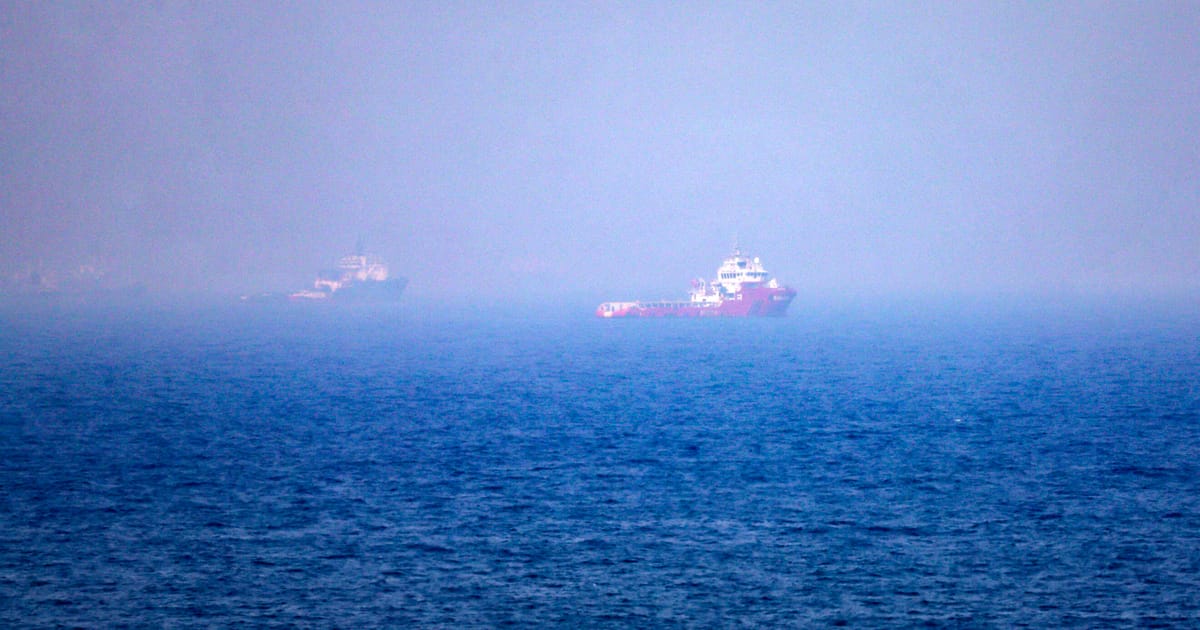
The interim deal signed last month that was meant to end the fighting has crumbled. Shipping through the Strait of Hormuz — a vital supply route for world energy supplies — has largely stalled. And as fighting intensifies, both sides have targeted civilian infrastructure relied on by millions of people.
A new potential threat to world energy markets emerged Monday after Iran-backed rebels in Yemen said they planned to prevent Saudi Arabia from shipping in the Red Sea, an alternate route for oil exports during the war.
The escalation has pushed oil prices higher in recent weeks. Benchmark Brent crude traded Monday above $88 a barrel and regular gasoline in the U.S. climbed to an average of $4 a gallon, keeping pressure on Americans’ wallets ahead of midterm elections this fall.