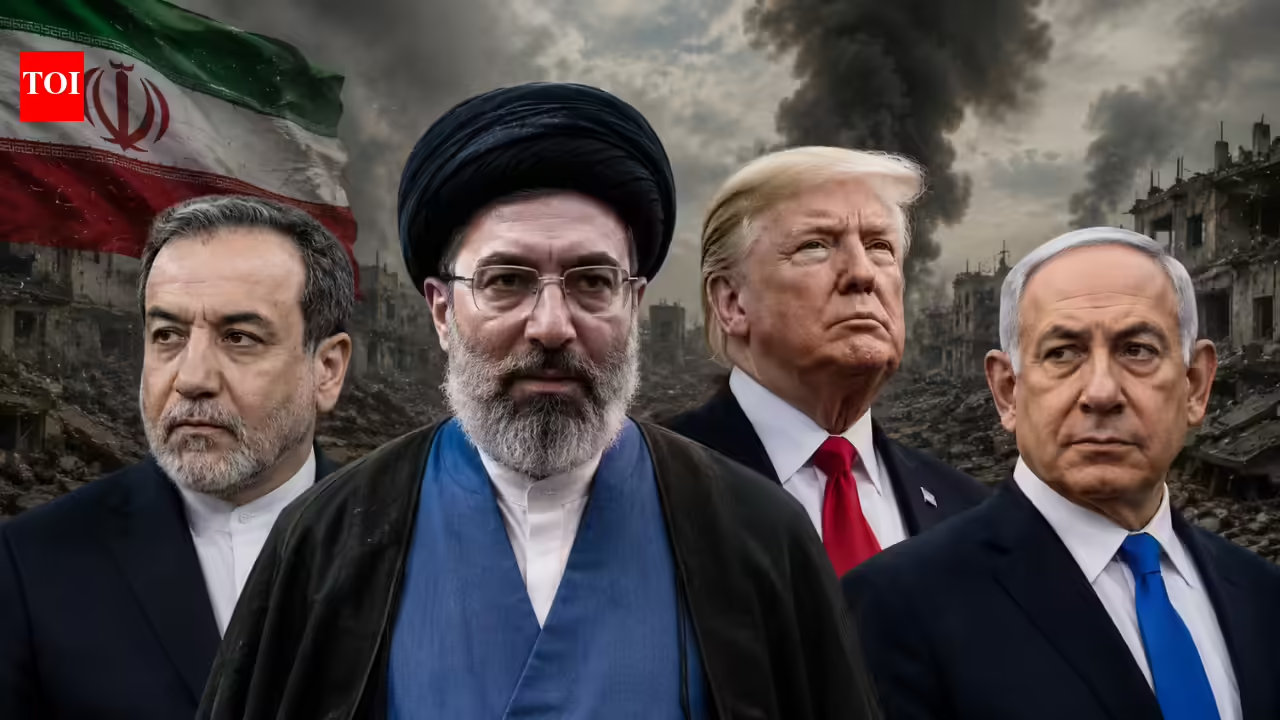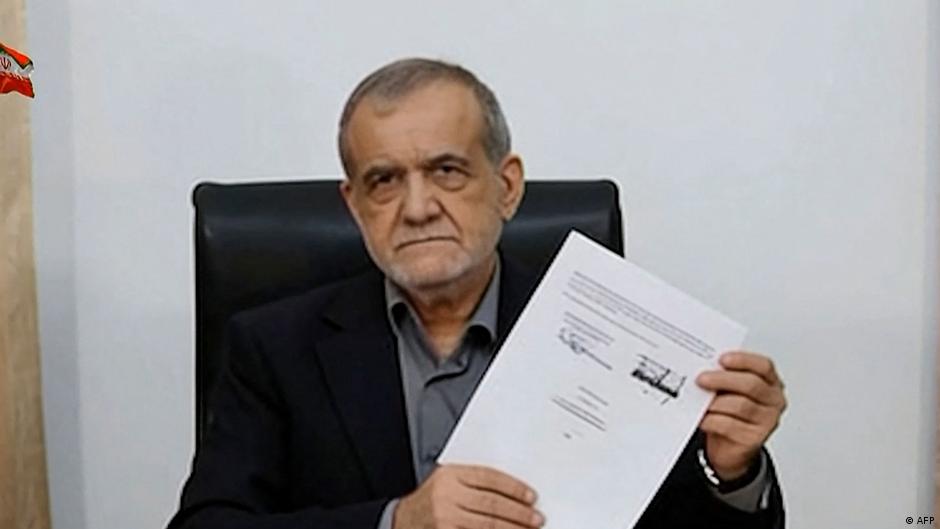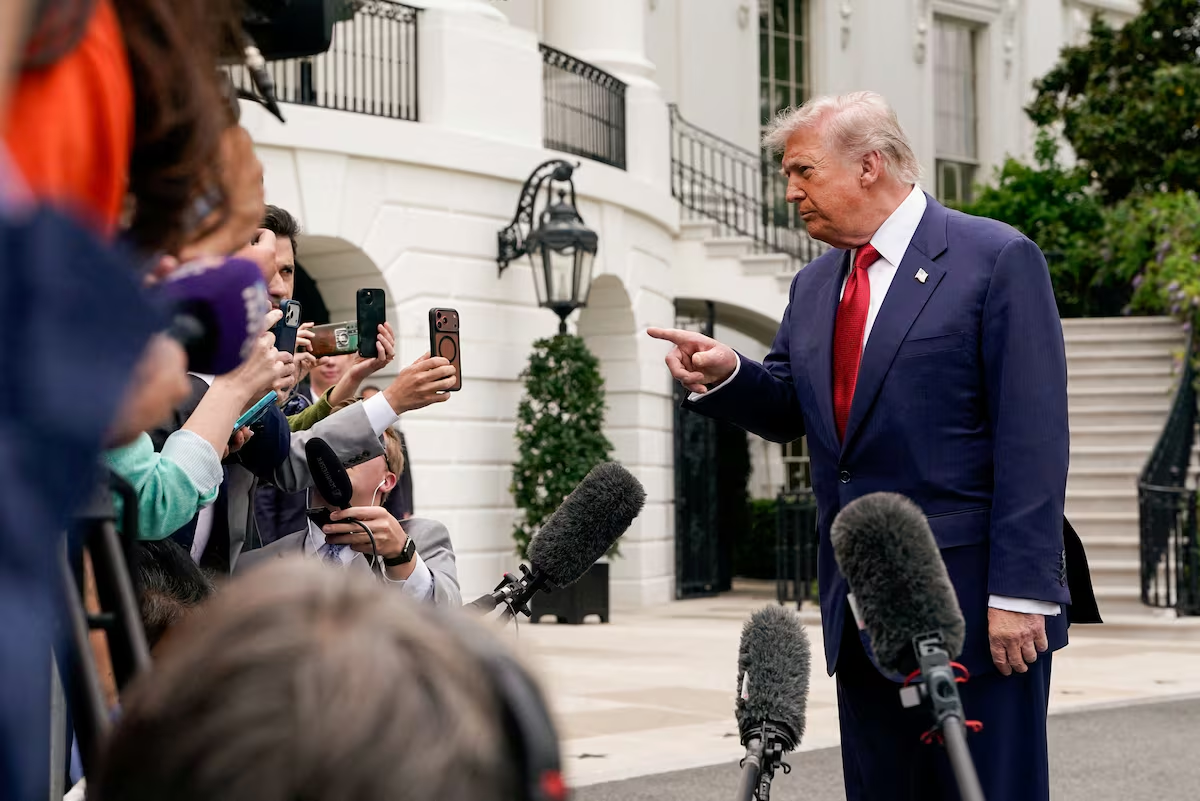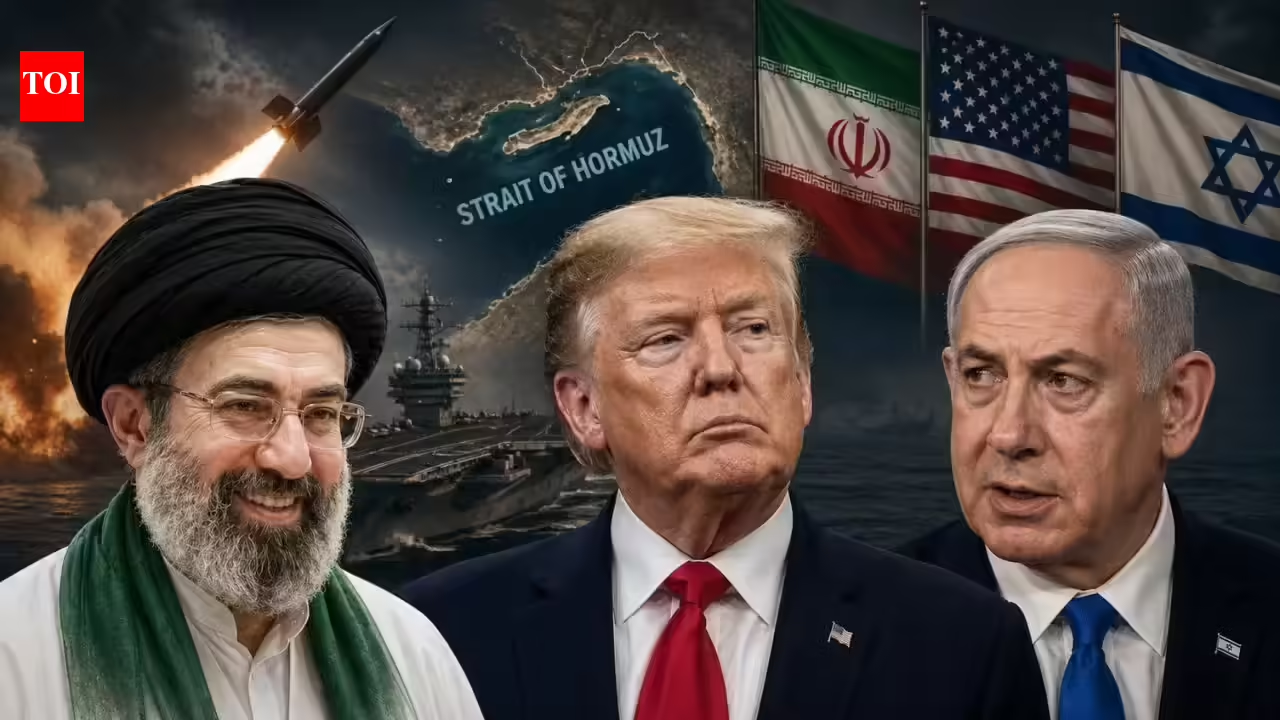
The United States and Iran have entered a precarious 60-day agreement, a memorandum of understanding (MoU) signed earlier this week following intense mediation efforts, primarily involving Pakistan and other regional actors. This interim deal aims to extend a fragile ceasefire, reopen critical maritime routes, and kickstart negotiations on longstanding disputes, particularly Iran’s nuclear program.
For all the latest headlines follow our Google News channel online or via the app.
Emerging from a period of direct conflict that began earlier in 2026 – with US and Israeli strikes targeting Iranian assets and Iran responding with disruptions in the region – the agreement represents a temporary pause in hostilities. It halts military operations across multiple fronts, including in Lebanon, lifts aspects of the US naval blockade, and commits both sides to refrain from the threat or use of force while respecting sovereignty.
This 60-day window is not a comprehensive peace treaty but a high-stakes testing period. It can either pave the way for a lasting peace agreement that transforms the Middle East and fundamentally improves US-Iran relations, or it can unravel rapidly, spiraling the region back into open conflict.