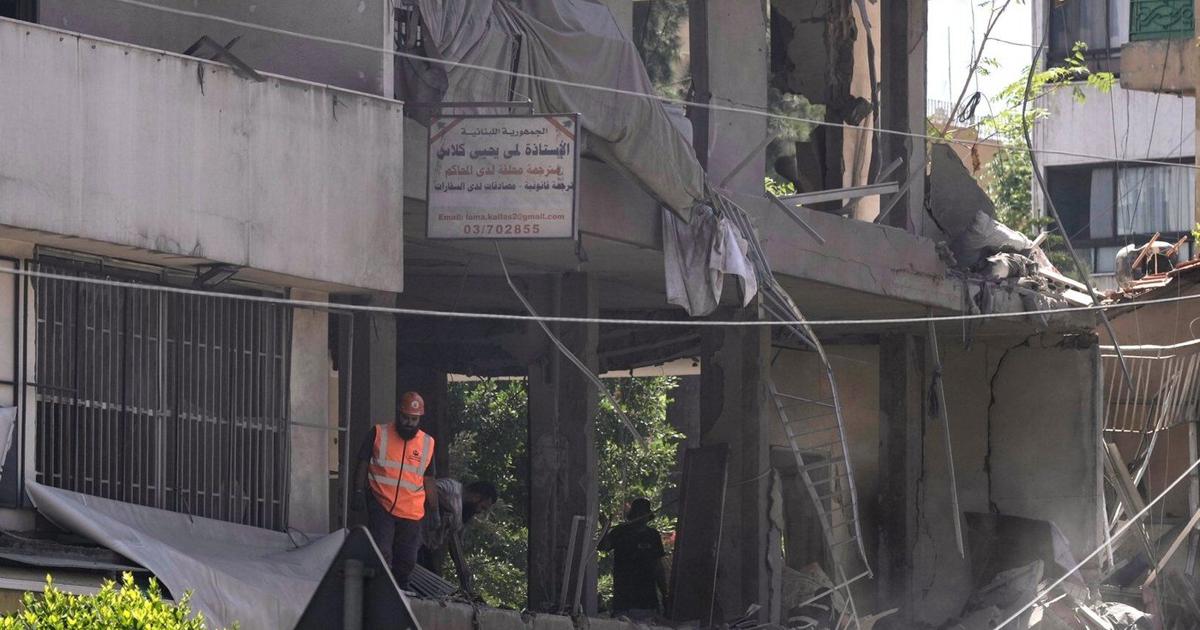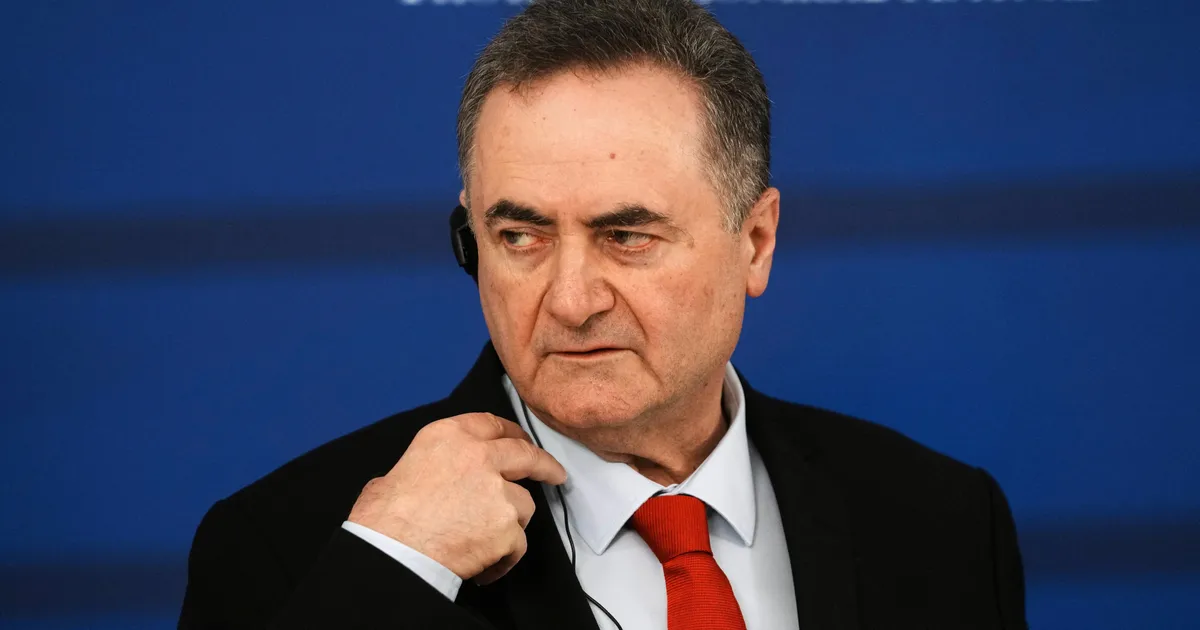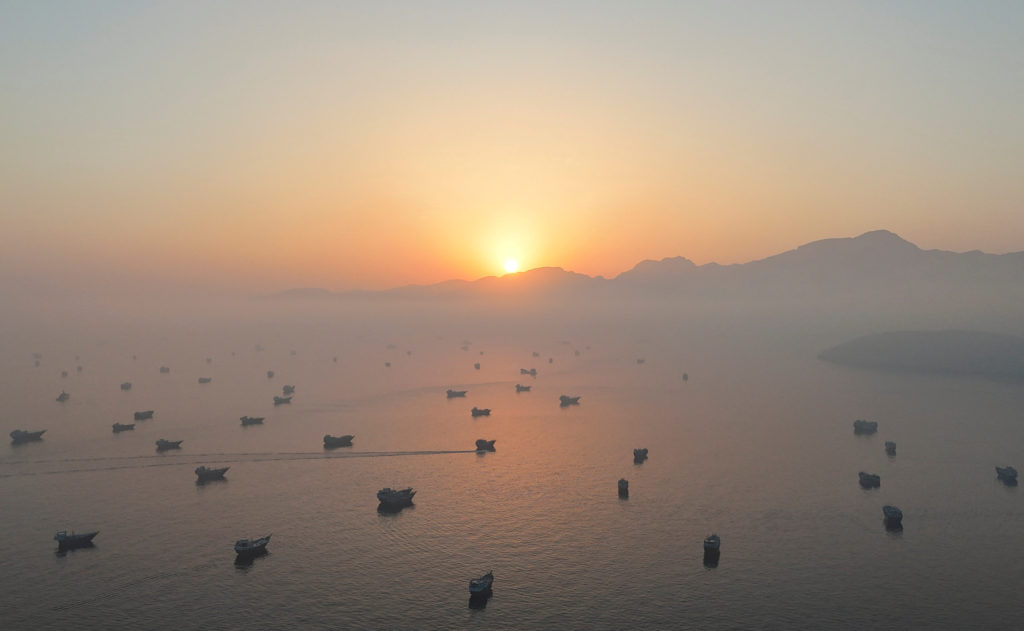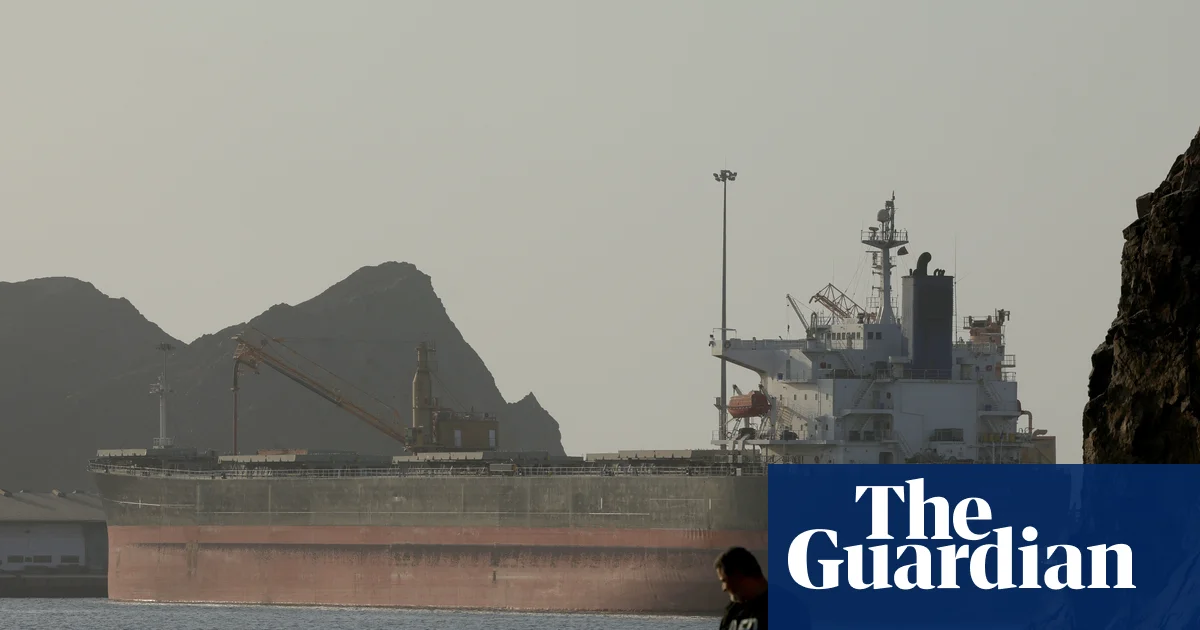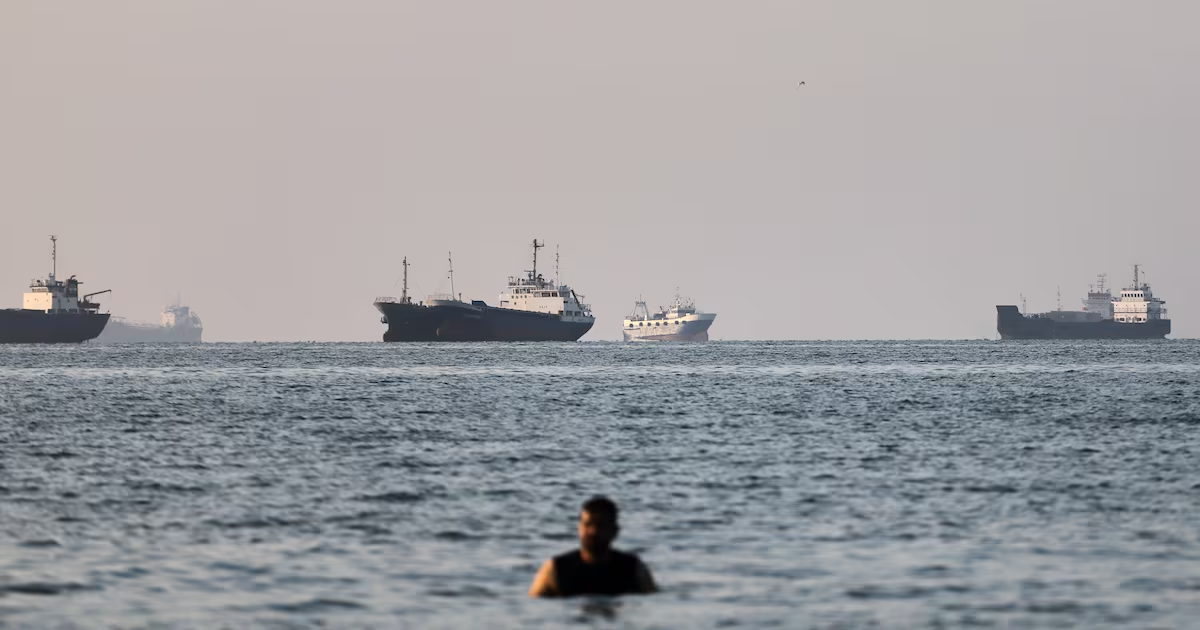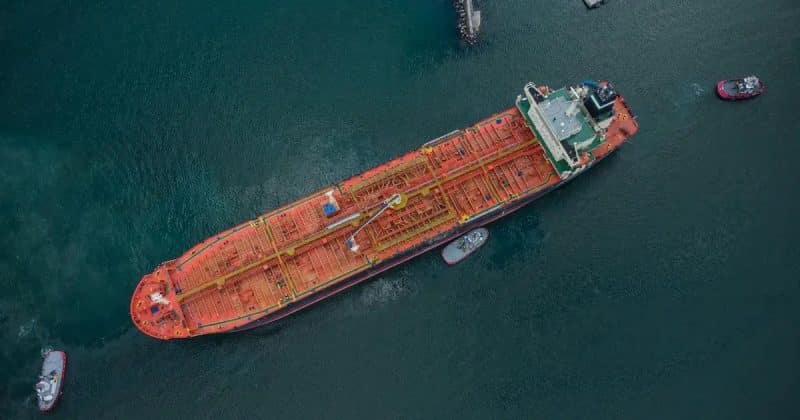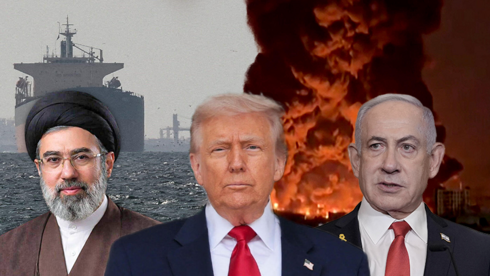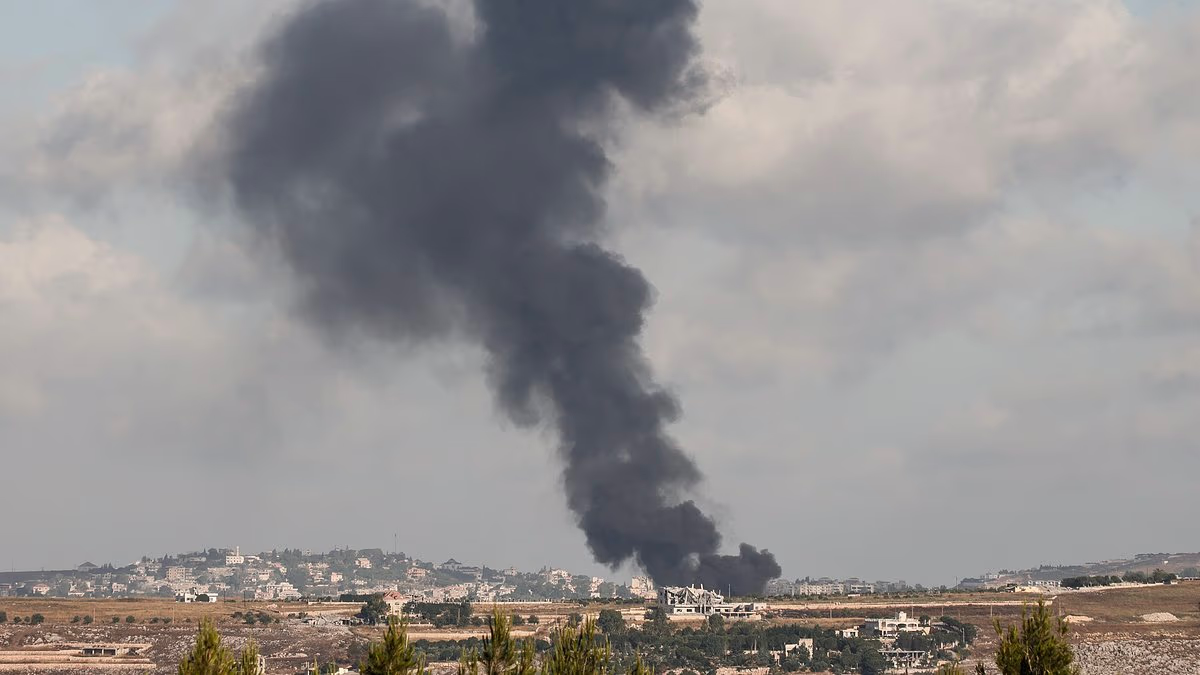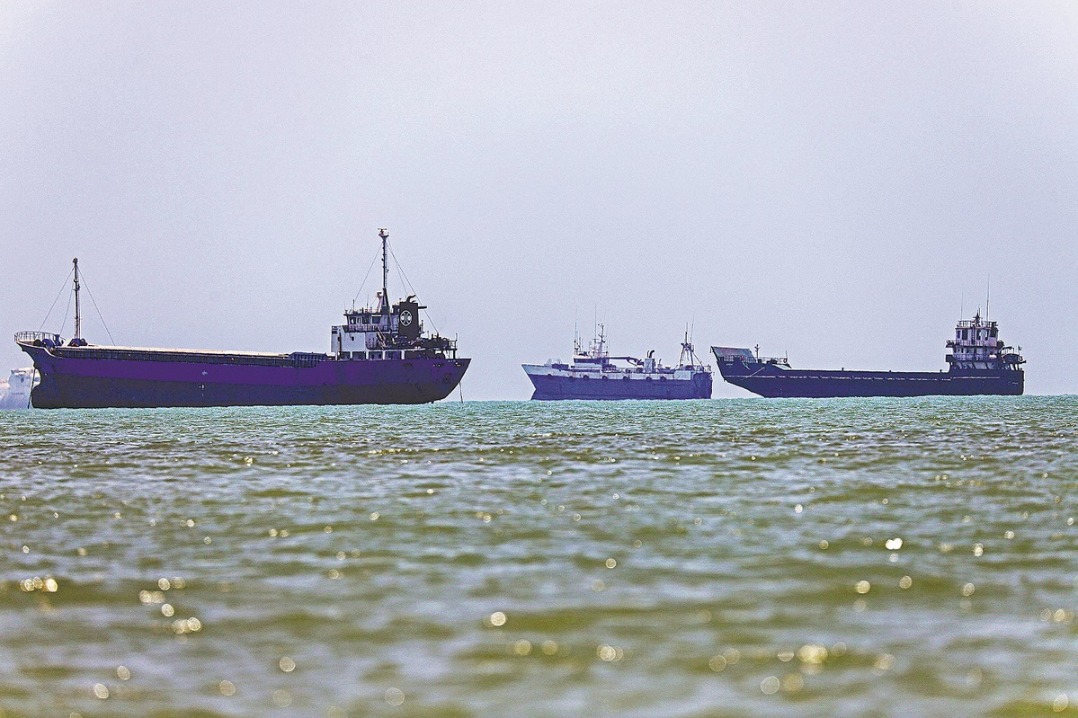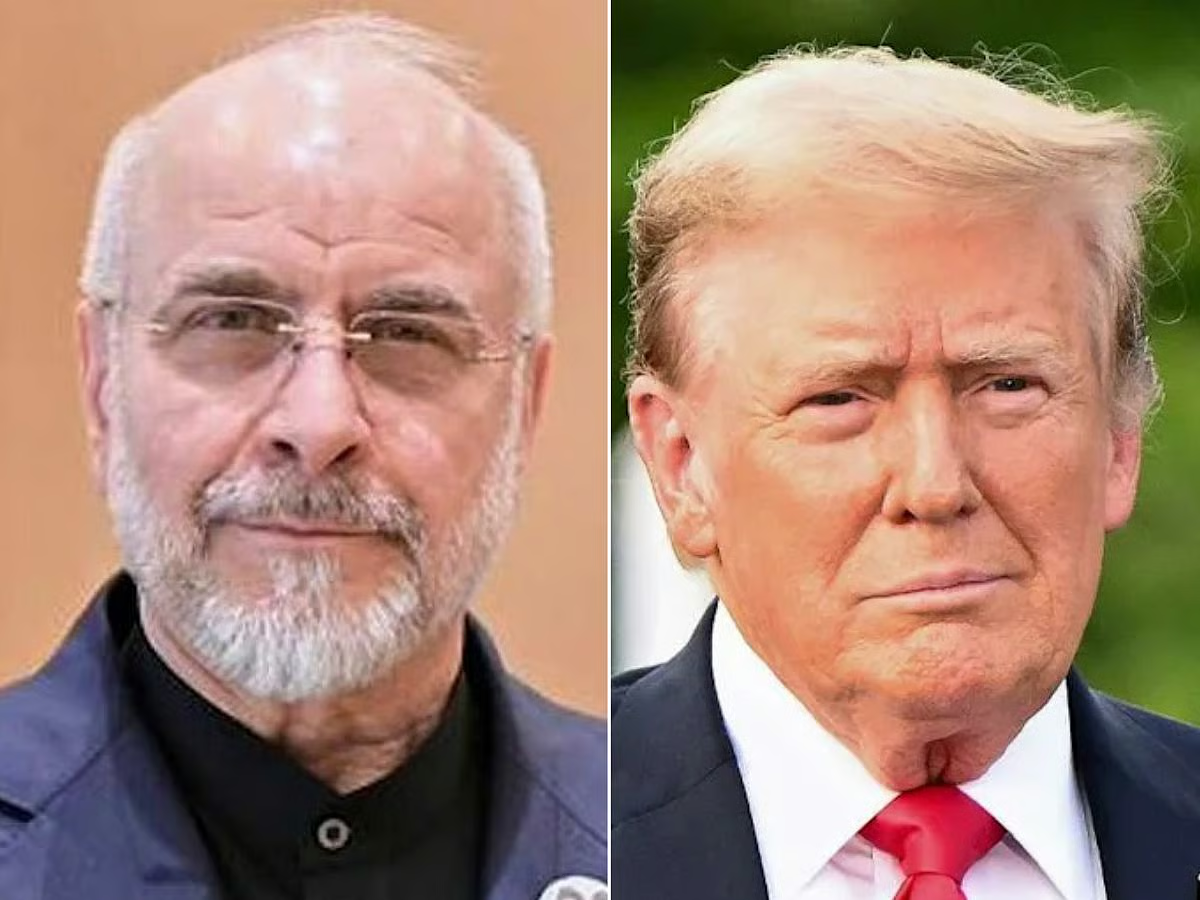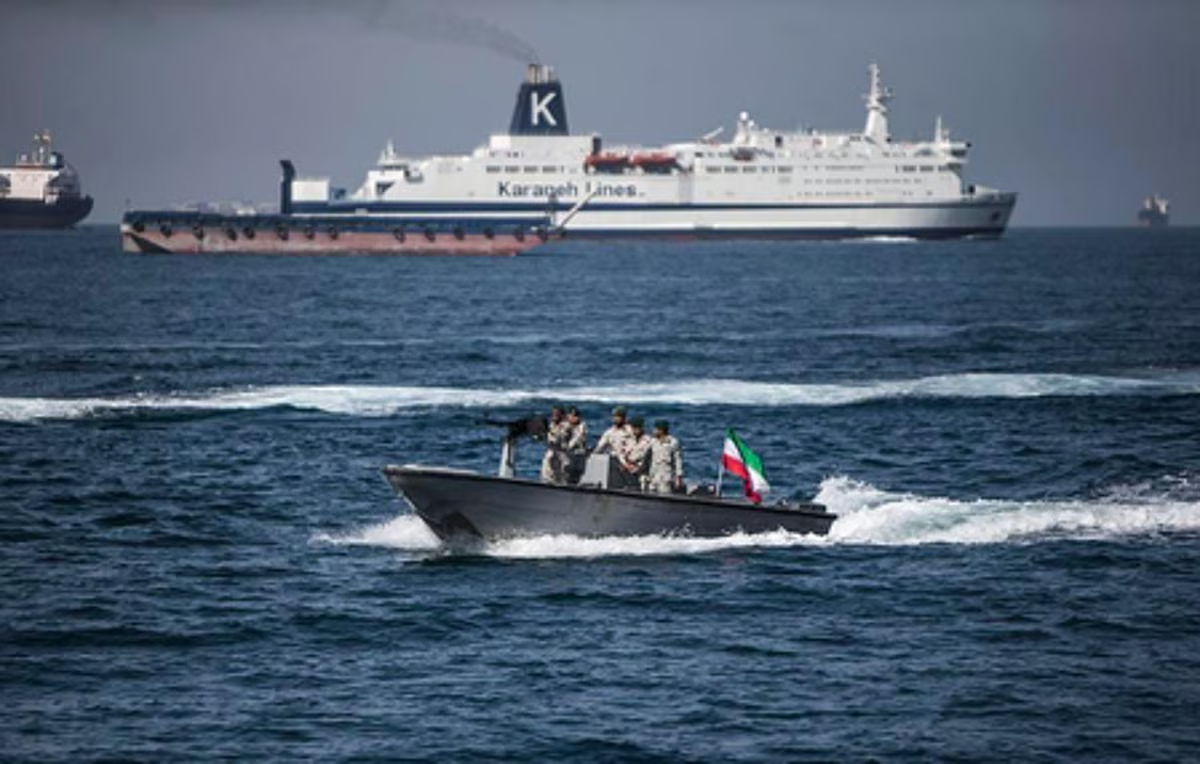
Memorandum of understanding sets out halt in hostilities but leaves key issues unresolvedLast updated: June 15, 2026 | 12:564 MIN READIranian authorities described it as a memorandum of understanding that includes an “immediate and permanent suspension” of military operations across multiple fronts, including Lebanon, and an easing of maritime restrictions affecting the Strait of Hormuz.Gulf News ArchivesDubai: A fragile US-Iran agreement to halt hostilities has been sealed — but not on the same timeline, and not in the same narrative — turning a breakthrough moment into a carefully choreographed duel over symbolism, timing and credit.US President Donald Trump announced on Monday that a deal with Iran was “complete”, framing it as a historic diplomatic win coinciding with his 80th birthday. In a post on Truth Social, Trump declared full authorisation for the reopening of the Strait of Hormuz and the lifting of a US naval blockade, saying: “Ships of the world, start your engines. Let the oil flow!”But even as Washington projected closure and celebration, Tehran quietly rewrote the clock.Iran, according to officials cited by The New York Times, deliberately delayed the formalisation of the memorandum of understanding until after midnight local time, ensuring the agreement would not fall on June 14 — Trump’s birthday — but instead be logged as June 15 in Tehran.The seven-and-a-half-hour time difference between Washington and Tehran effectively allowed both sides to claim their preferred version of events: One anchored in political theatre, the other in procedural defiance.“The seven-and-a-half-hour time difference allowed both Tehran and Washington to claim their preferred version of when the deal was finalised,” the report said, citing two Iranian officials familiar with the discussions.What the US-Iran MoU reportedly includesImmediate reopening of the Strait of Hormuz to commercial shippingUS to begin lifting its naval blockade on Iranian portsInitial steps expected to be completed within 30 daysFreeze on new US sanctions, with talks on broader sanctions relief tied to complianceUS blockade in the Strait of Hormuz expected to be lifted on Friday when the agreement is signed, according to US State Department officials citing President Donald TrumpTrump had earlier suggested the agreement would be completed on Sunday, while Iranian officials insisted the timing would extend beyond that date. In the end, both were technically right — but on different calendars.The deal, initially announced by mediator Pakistan, was confirmed by Trump at 5:29 pm Eastern Time on June 14. By then, it was already early morning in Tehran on June 15.A deal built on ambiguityDespite the announcement, the contents of the agreement remain only partially defined. Iranian authorities described it as a memorandum of understanding that includes an “immediate and permanent suspension” of military operations across multiple fronts, including Lebanon, and an easing of maritime restrictions affecting the Strait of Hormuz.Iranian Deputy Foreign Minister Kazem Gharibabadi said the agreement does not reflect trust in Washington, but rather a monitored framework. “We will monitor the implementation of US commitments,” he said, according to Iranian media.The agreement is expected to be formalised at a signing ceremony in Geneva on June 19, followed by a 60-day negotiation period aimed at producing a final settlement.US officials, meanwhile, described the deal as a broad ceasefire framework intended to halt escalating confrontation that had intensified over the past months, though they offered limited detail on verification mechanisms or enforcement.Israel remains the biggest wildcardEven as Washington and Tehran move toward a temporary reset, Israel remains outside the negotiating framework — a gap that could prove decisive.Israeli Prime Minister Benjamin Netanyahu, already under domestic pressure over ongoing regional conflicts, has not formally responded to the agreement. However, Israeli Defence Minister Israel Katz signalled continued hardline positioning, saying Israel would maintain control over territory seized in Lebanon and warning of strong retaliation if Iran escalates.Over the past two years, Israel has expanded its military footprint in Gaza, Lebanon and Syria, controlling significant territory in what it describes as security buffer zones.The absence of Israel from the negotiations adds a volatile layer to the agreement, raising questions about whether a US-Iran understanding can hold while a key regional actor remains in active confrontation.Hormuz and the economic stakesOne of the most significant elements of the deal is the proposed reopening of the Strait of Hormuz, a critical artery for global oil shipments. Trump said the waterway would be fully reopened following implementation of the agreement, describing it as a step toward stabilising energy flows.For global markets, the easing of restrictions could bring immediate relief. But analysts note that reduced pressure may also give Iran greater room to delay or renegotiate commitments during the 60-day transition period.Two victories, one agreementAt its core, the agreement reflects a rare diplomatic outcome where both sides are attempting to claim success from the same document — but on different terms.For Trump, it is a headline-defining breakthrough tied to personal symbolism and political projection. For Iran, it is a controlled pause framed as resistance managed on its own timeline.The result is not a single moment of peace, but two competing versions of when peace began.And in that gap between clocks lies the real uncertainty: Not whether a deal was signed, but whether it will survive the next 60 days.A Senior Associate Editor with more than 30 years in the media, Stephen N.R. curates, edits and publishes impactful stories for Gulf News — both in print and online — focusing on Middle East politics, student issues and explainers on global topics.
US-Iran deal tests fragile regional balance as Israel, Hormuz shape next phase
US-Iran deal reopens the Strait of Hormuz, tests fragile regional balance and leaves Israel outside talks, raising questions over whether the ceasefire can last.
967 words~4 min read