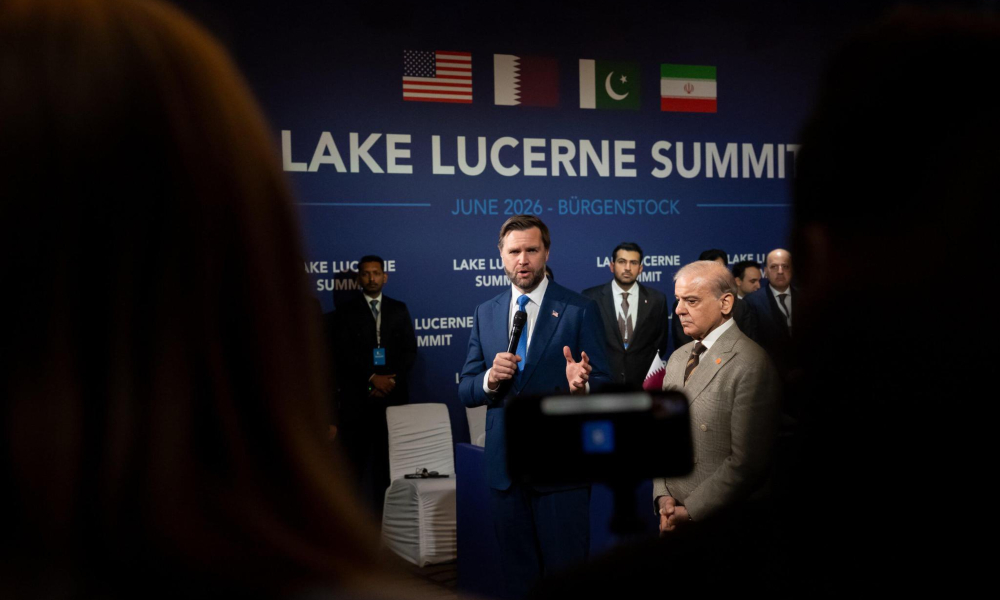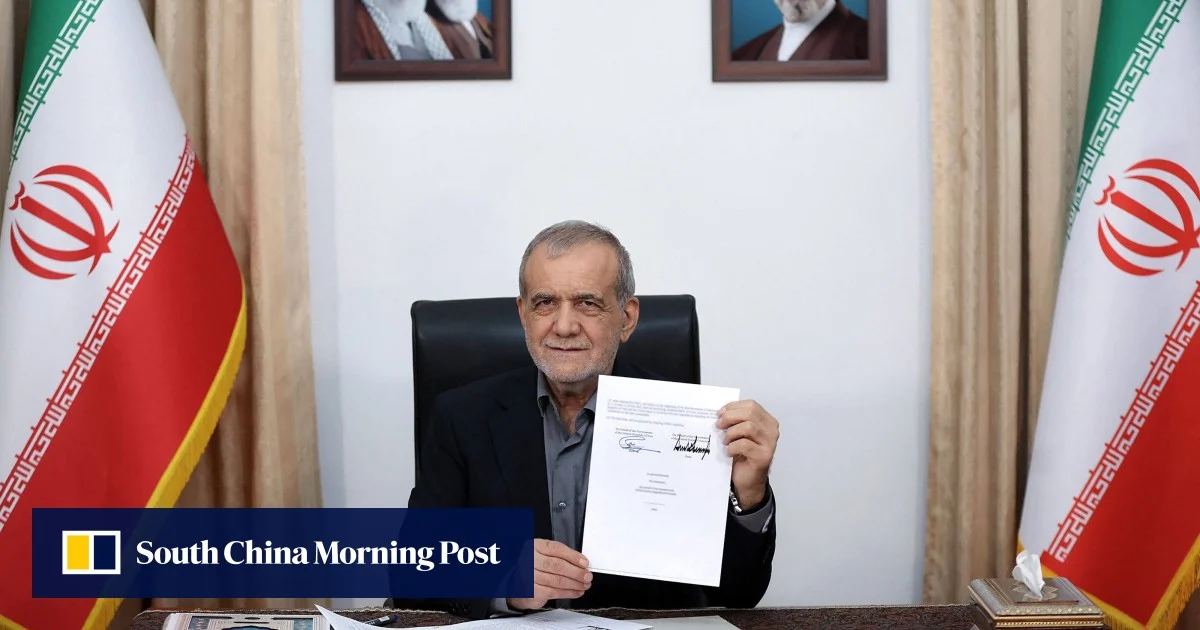
The memorandum of understanding that the United States and Iran signed last week has been read in Washington as either a historic victory or a surrender.
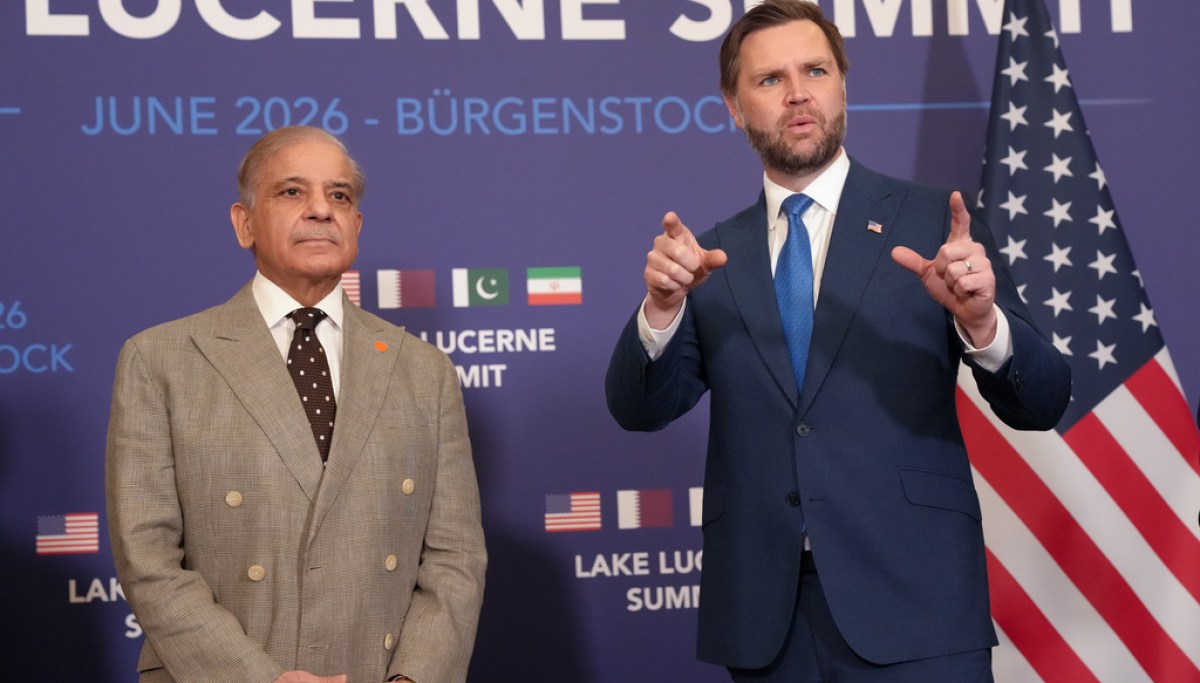
After the first high-level talks in Switzerland over the weekend, it is clear that it is neither. The document has become a basis for dialogue and a wider regional follow-on process, which will include political oversight, technical working groups, a communication line for the Strait of Hormuz, and a deconfliction cell for Lebanon.
That is genuine progress, but it is only an early step toward a nuclear deal.
Making any further diplomatic headway will require first and foremost reaching a joint understanding on the current status of Iran’s nuclear program. Without that, the memorandum’s central promise—to freeze Iran’s nuclear program in exchange for economic relief while negotiating a final deal—is impossible to verify and easy for either side to contest.
On the nuclear file, the memorandum restates Iran’s pledge not to build a nuclear weapon, commits the parties to agree on a way to dilute and possibly dispose of the country’s highly enriched uranium stockpile, and defers discussion of Iran’s capabilities—including future enrichment and stockpiles—to a final deal.