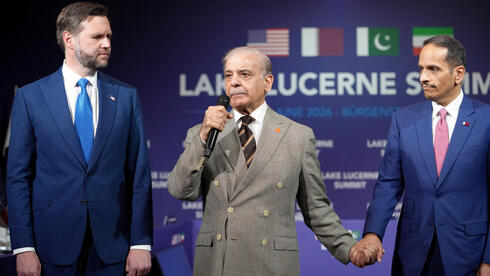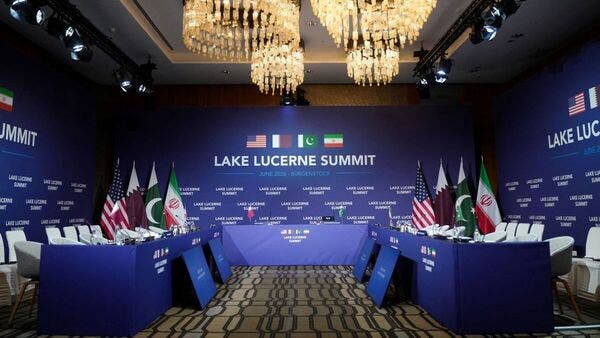
BURGENSTOCK, Switzerland -- After briefly appearing to falter, US-Iran implementation talks are back on track, with senior American and Iranian delegations converging on Switzerland for what could prove a decisive phase in turning a fragile wartime memorandum into a broader political settlement.The renewed diplomatic push followed urgent intervention by Swiss and Qatari officials after uncertainty over Iran’s participation briefly disrupted the schedule.Swiss Federal Councilor Ignazio Cassis held consultations with Qatari Prime Minister Muhammad bin Abdulrahman bin Jassim al-Thani at Burgenstock, while RFE/RL learned that Pakistani intermediaries and senior aides from both Washington and Tehran were also drawn into efforts to salvage the process.
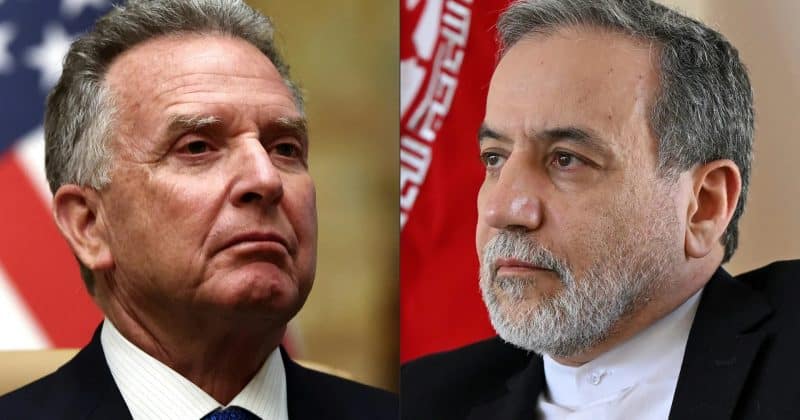
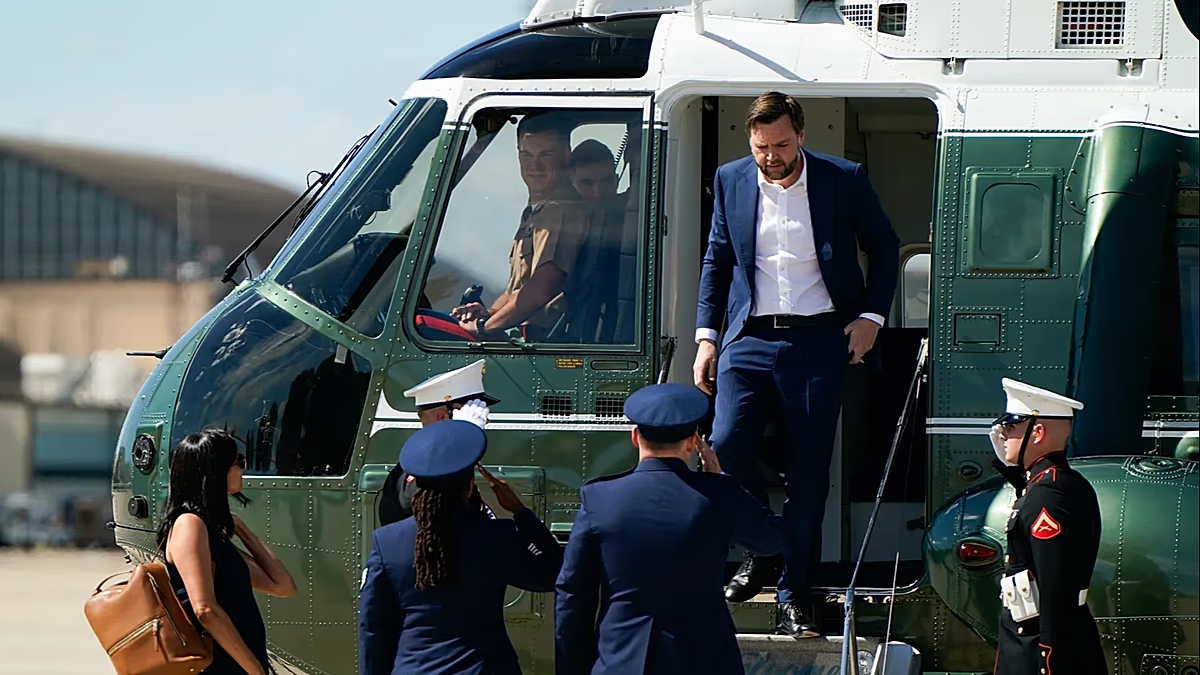
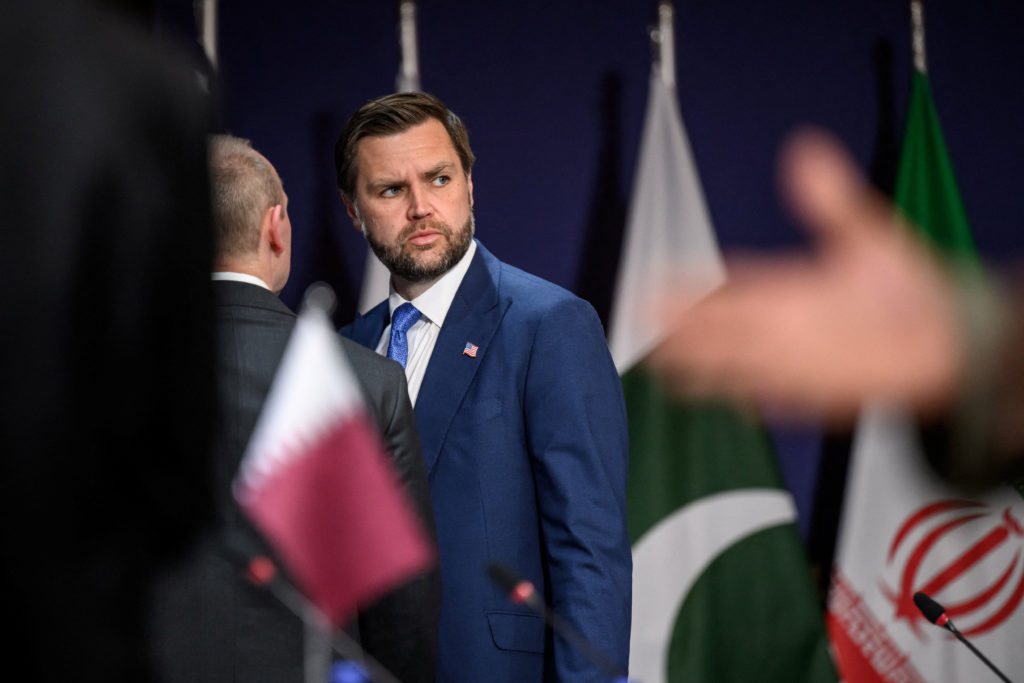
By June 20, technical experts had resumed preparatory meetings at the Swiss resort, and Bern publicly confirmed the talks remained active.“Switzerland continues to provide a discreet and reliable setting to facilitate talks at Burgenstock on the implementation of the Memorandum of Understanding between the US and Iran,” the Swiss government said, declining to provide further details. Both Washington and Tehran later confirmed its negotiators would travel to Switzerland.Talks Resume Under PressureBy the evening of June 20, Iran’s high-level delegation had arrived in Zurich ahead of talks expected to begin on June 21.The team is led by parliament speaker Mohammad Bagher Ghalibaf and includes Foreign Minister Abbas Aragchi, Foreign Ministry spokesman Esmaeil Baghaei, as well as senior banking and oil officials -- underscoring that sanctions relief and economic recovery remain central to Tehran’s calculations.On the US side, Vice President JD Vance is expected to join special envoy Steve Witkoff and presidential adviser Jared Kushner, who are already on the ground working through technical details.Speaking to reporters before departing Joint Base Andrews on June 20, Vance framed the talks around two immediate priorities: Iran’s nuclear program and stabilizing Lebanon.