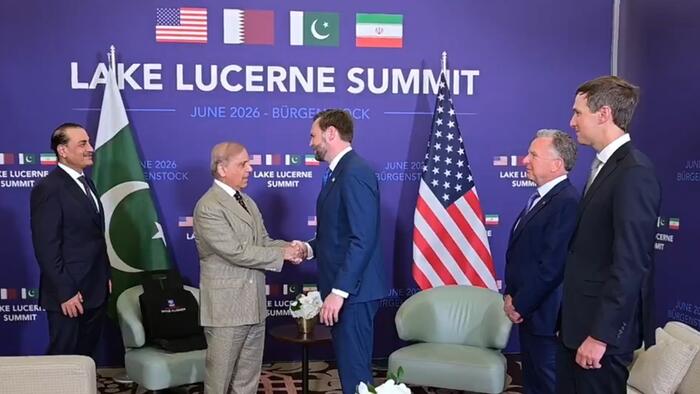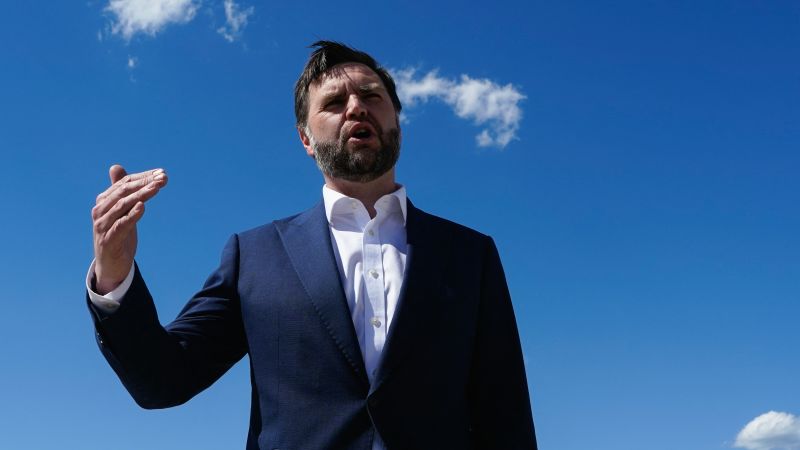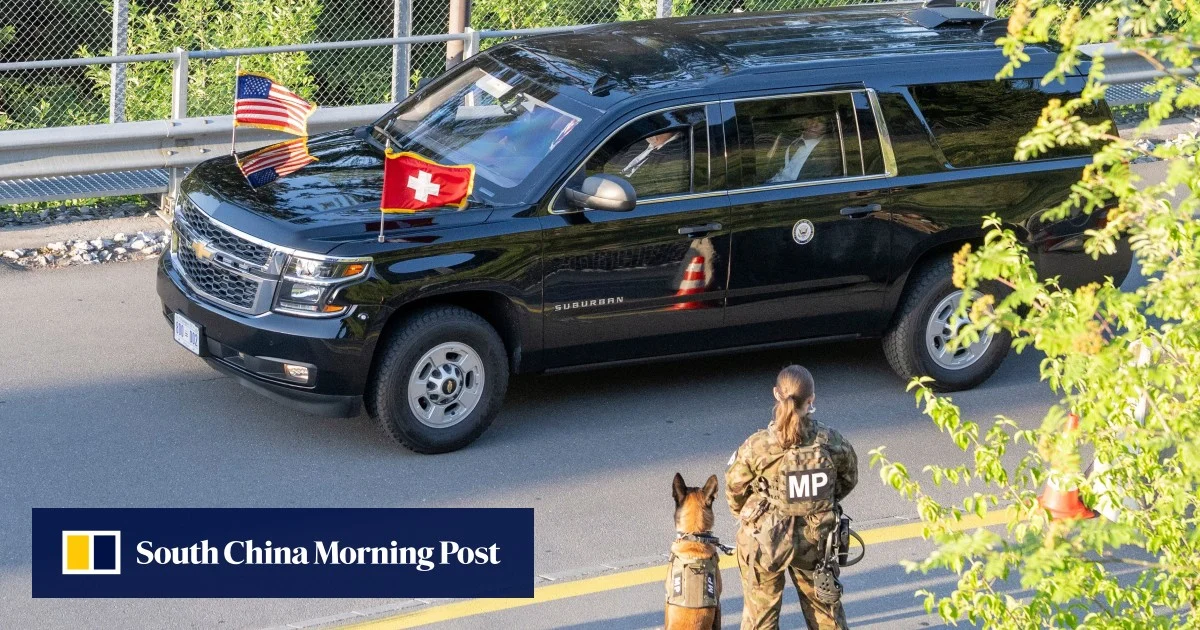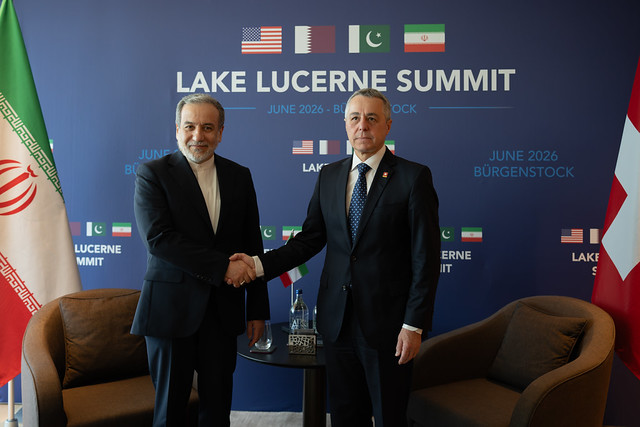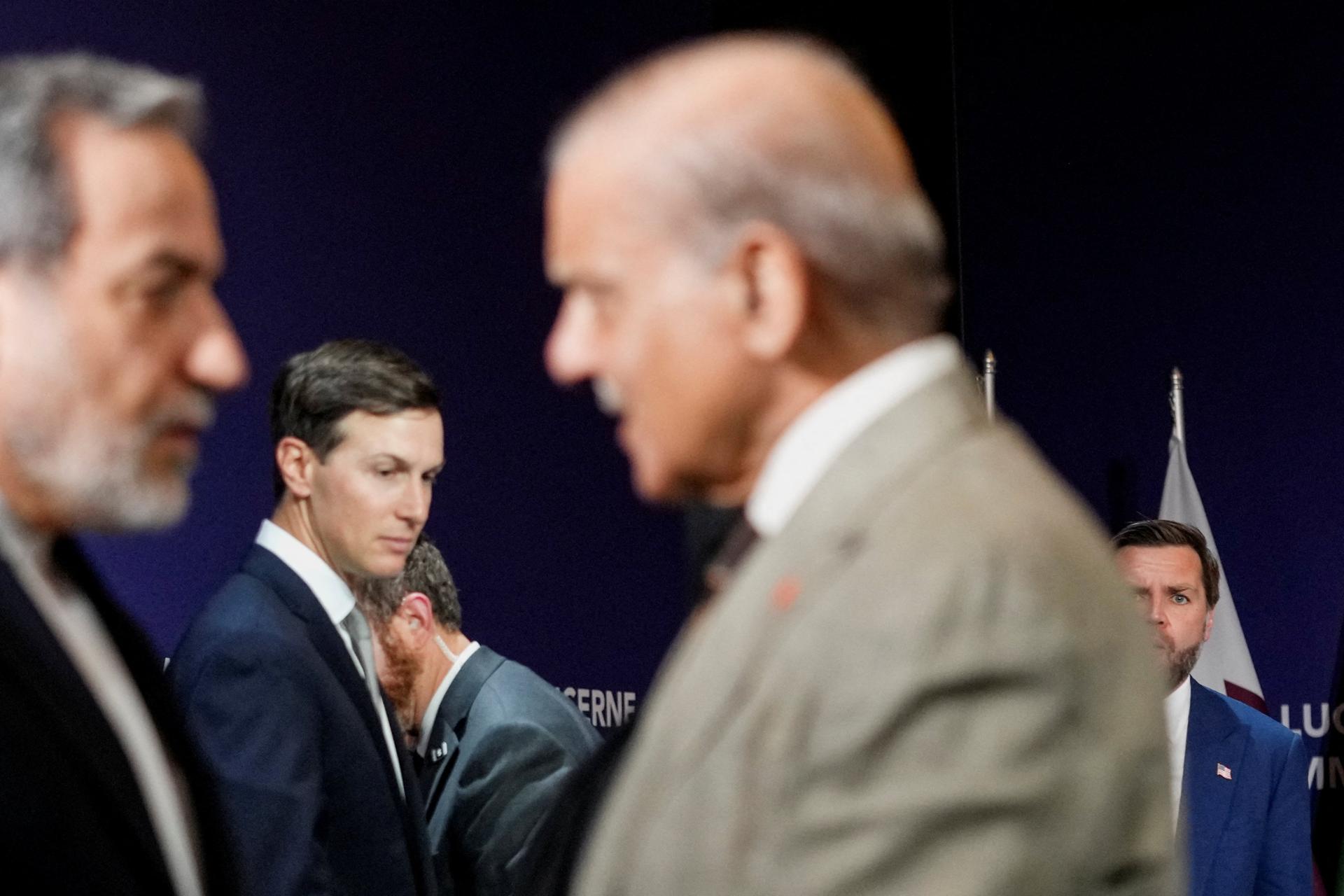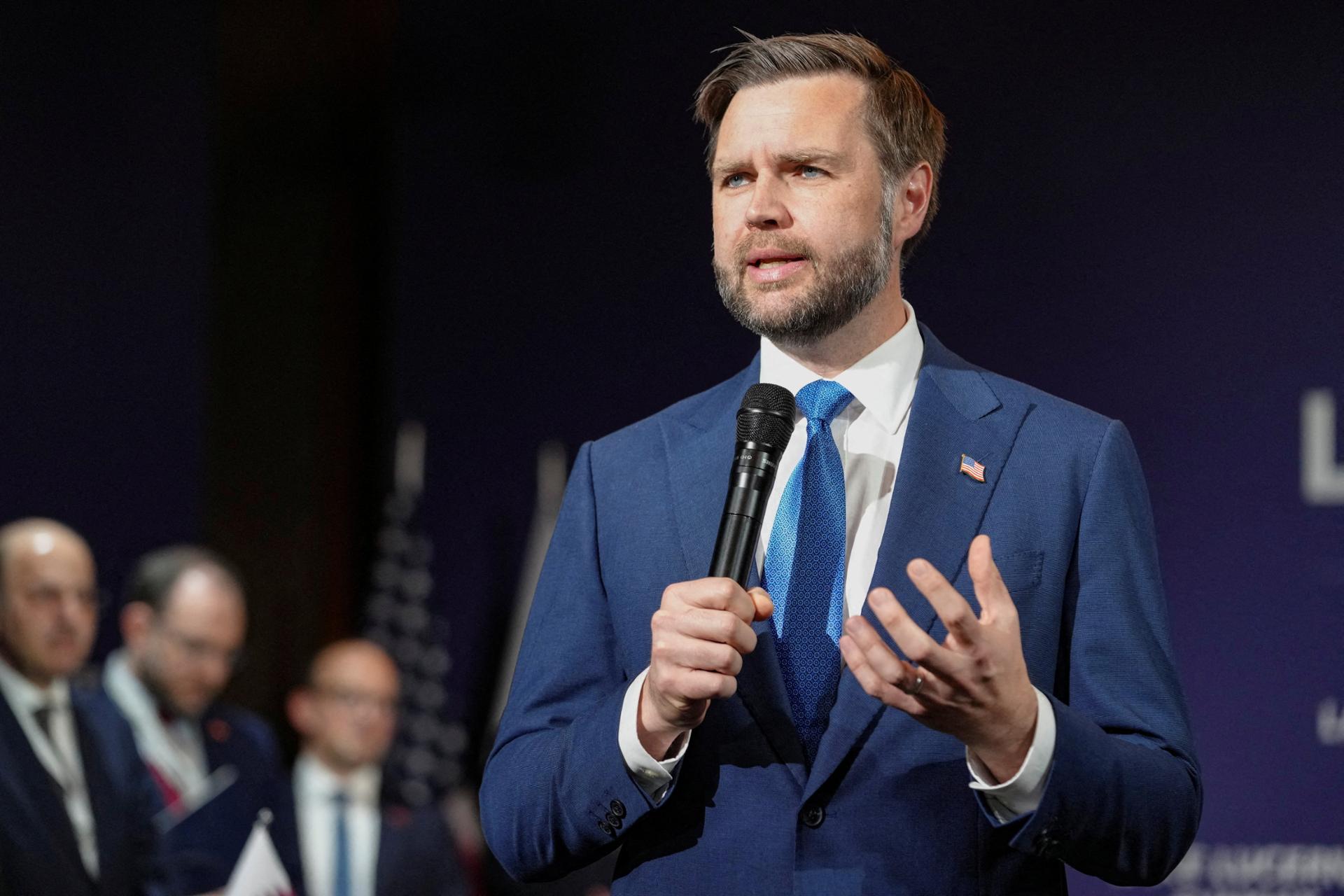
The United States and Iran sat down at the negotiating table on June 21 at the Bürgenstock resort in Switzerland, kicking off what both sides have framed as the most consequential round of diplomacy between the two countries in years. Vice President JD Vance is leading the American side. Iran’s delegation is headed by Speaker of Parliament Mohammad Bagher Ghalibaf.
Qatar and Pakistan are serving as mediators, a dual-facilitator arrangement that underscores just how many regional interests are tangled up in this one set of talks. The goal: hammering out progress on an interim peace deal while the window for diplomacy is still open.
What’s on the table
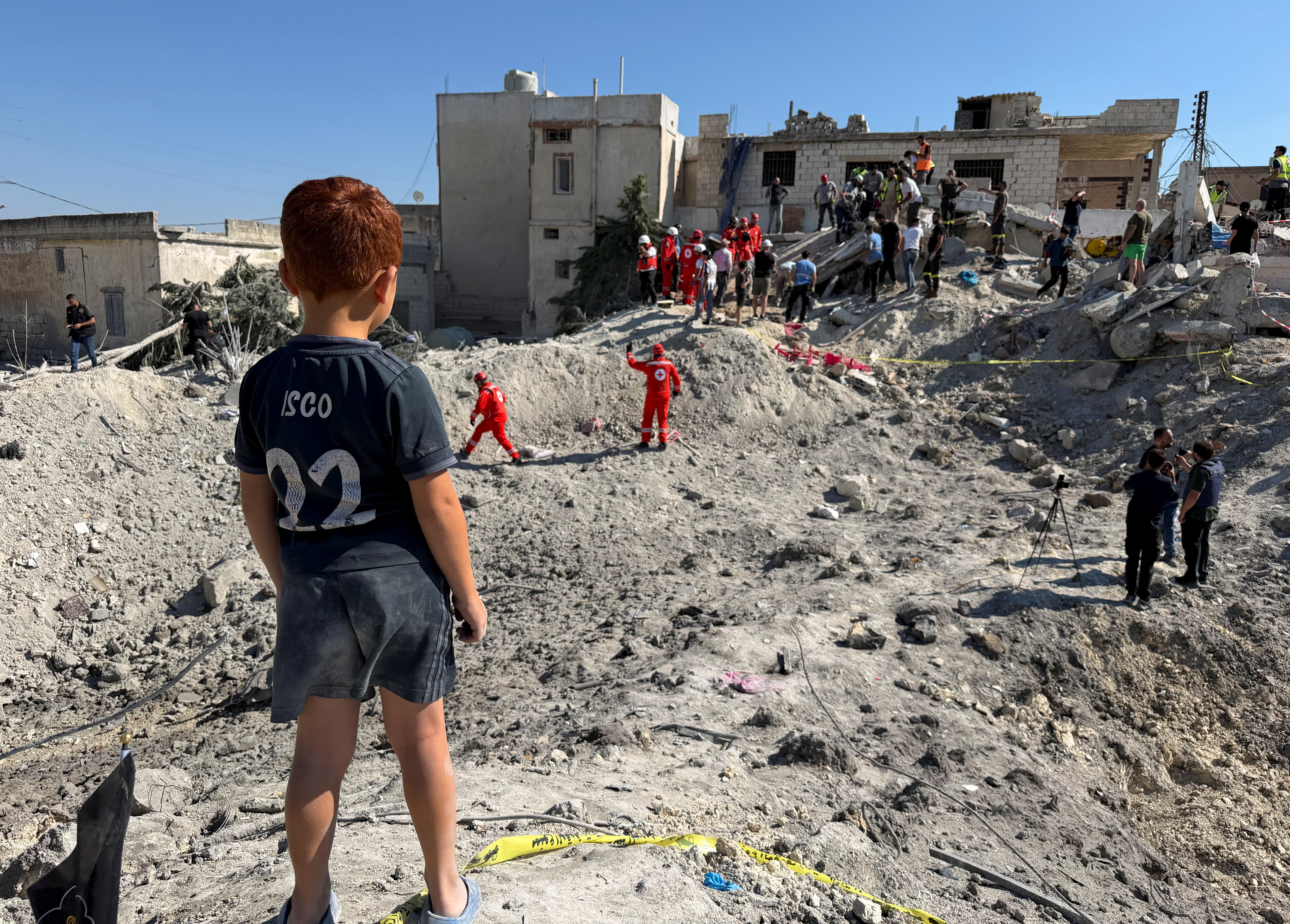
The agenda reads like a greatest-hits compilation of Middle Eastern geopolitical flashpoints. Iran’s nuclear program. A ceasefire in Lebanon. Reopening the Strait of Hormuz. Lifting US sanctions on Iranian oil exports. Unfreezing Iranian assets held overseas.
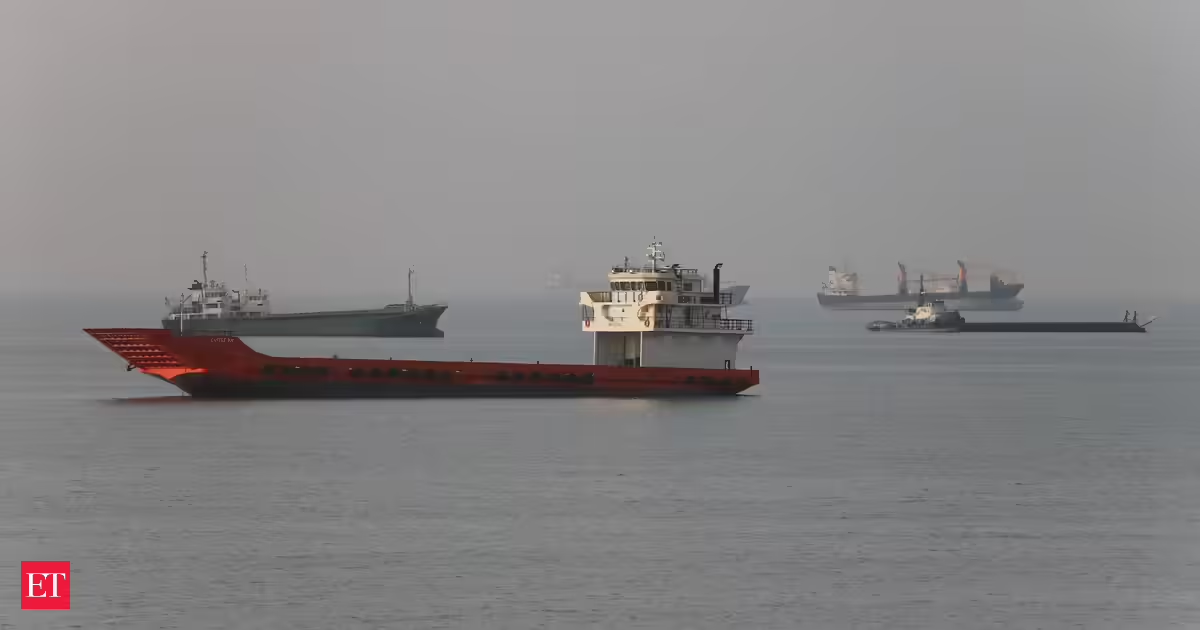
That last item, the Strait of Hormuz, is arguably the most market-sensitive issue on the list. Iran has kept the strait closed as a direct protest over the ongoing conflict in Lebanon, effectively choking one of the world’s most critical shipping lanes for oil.