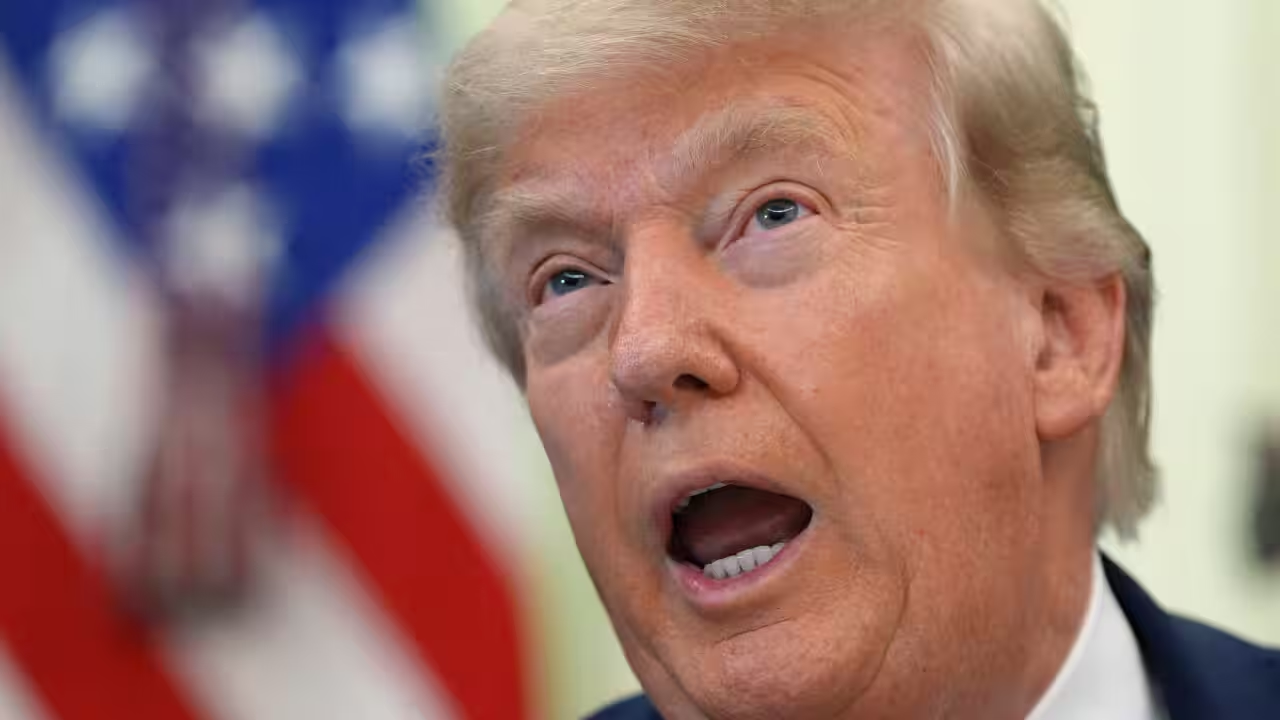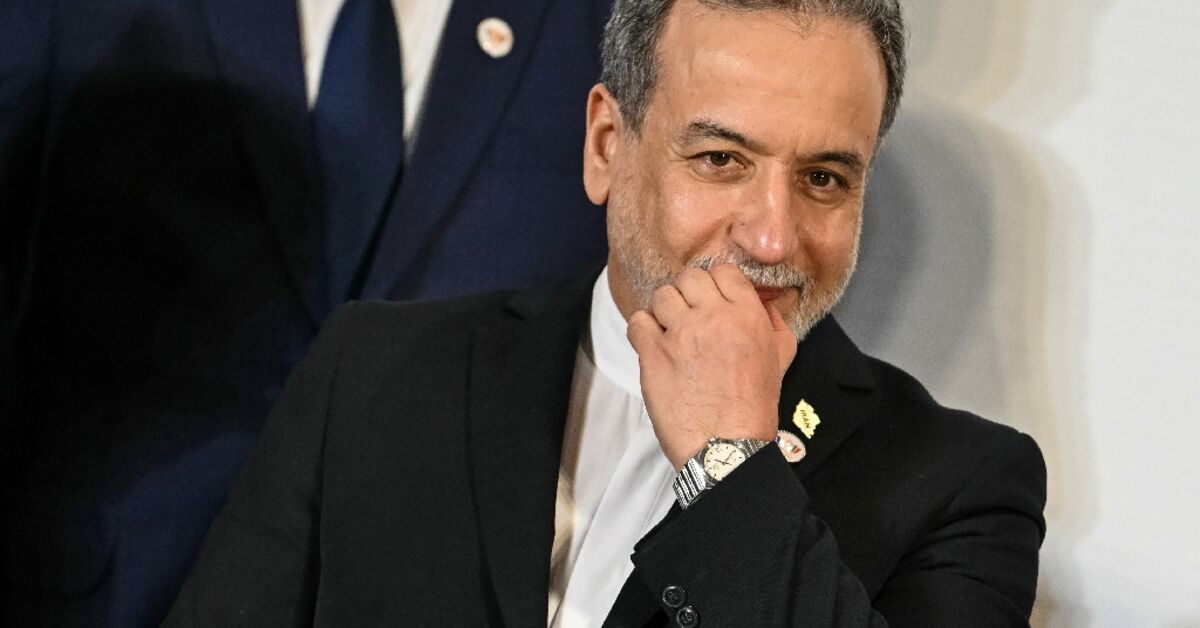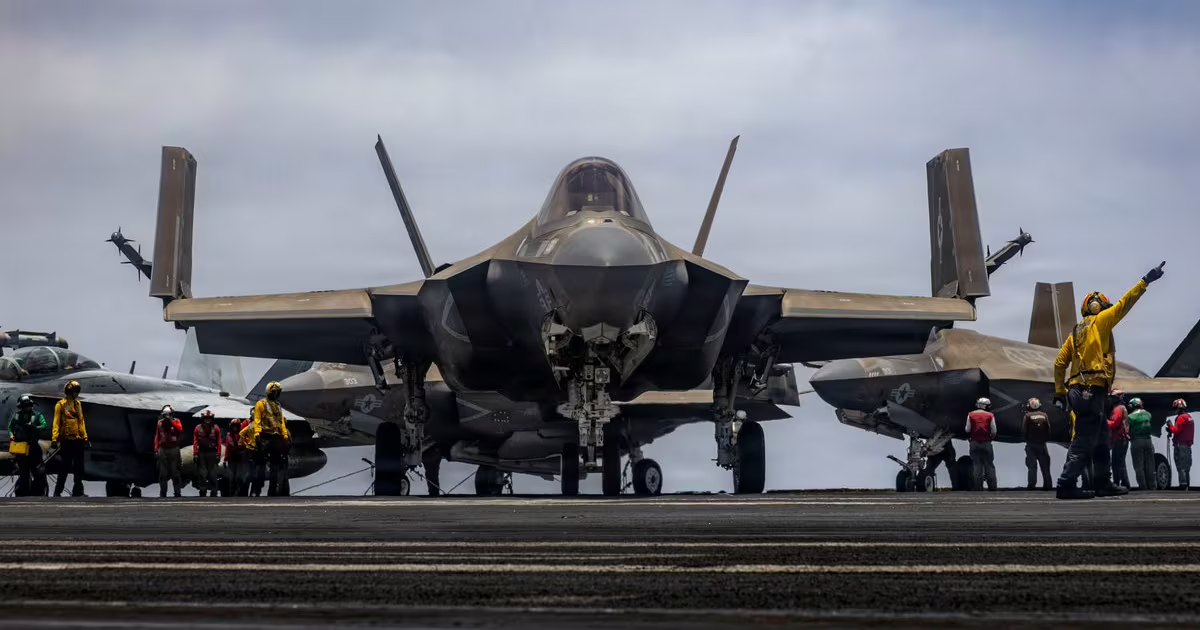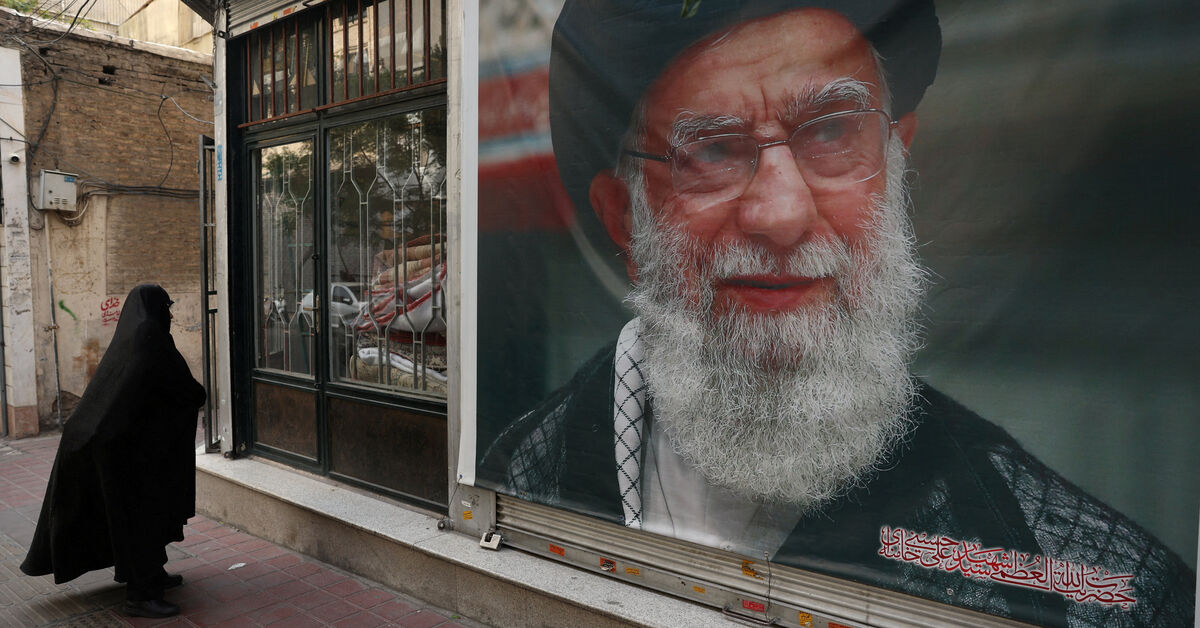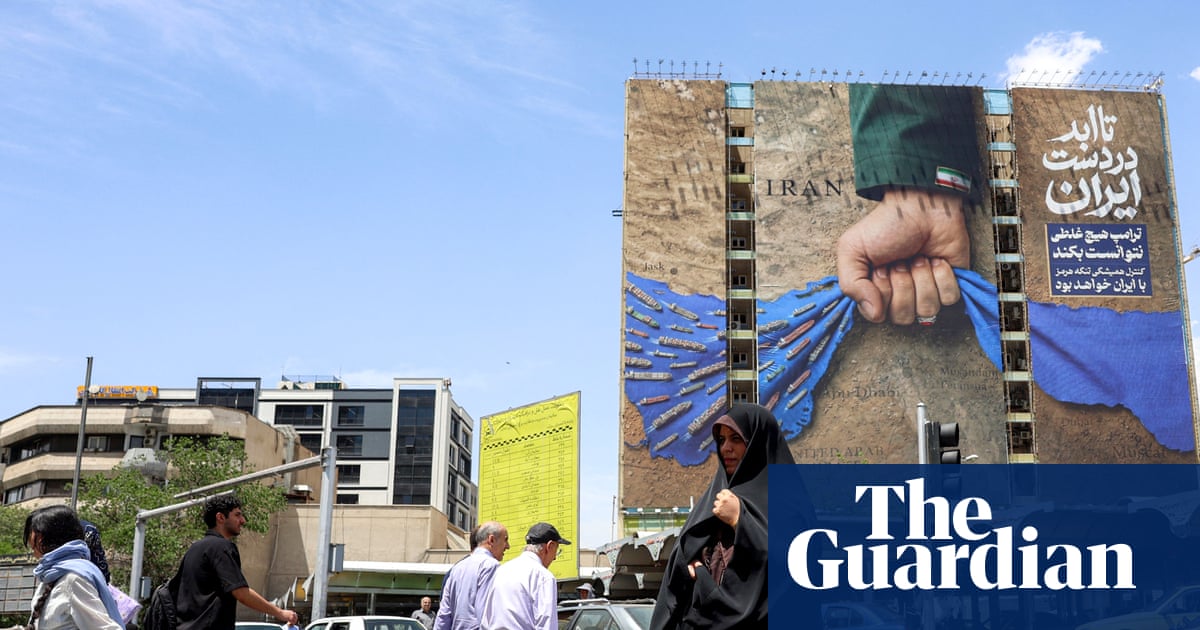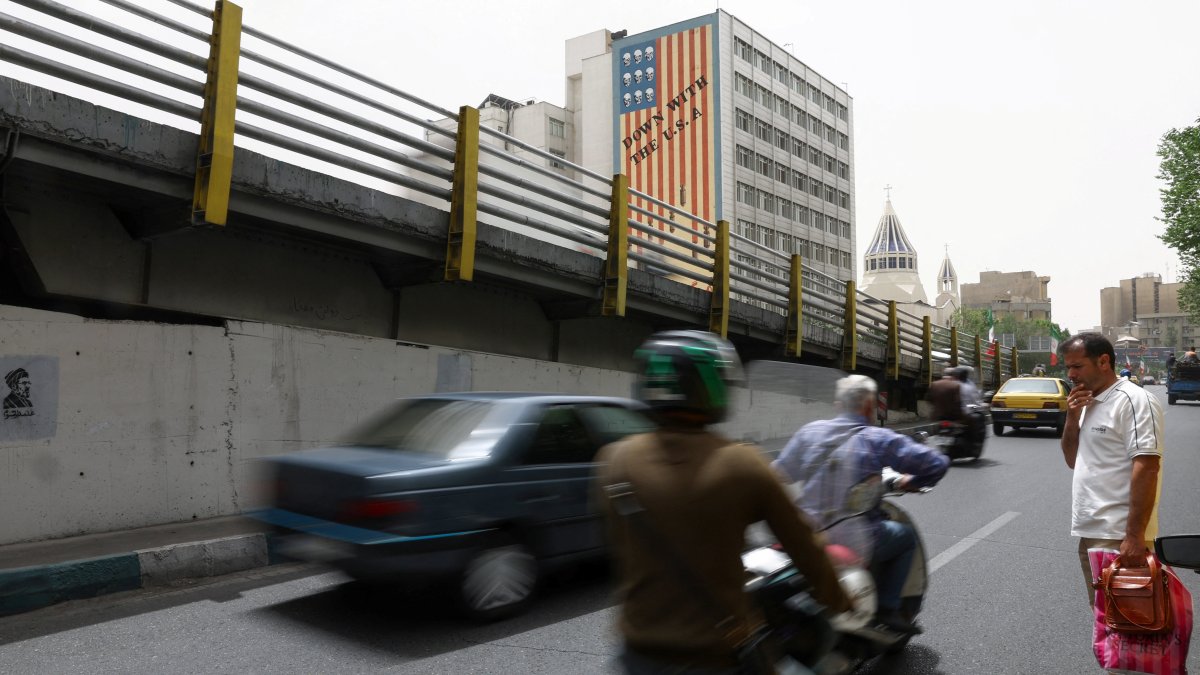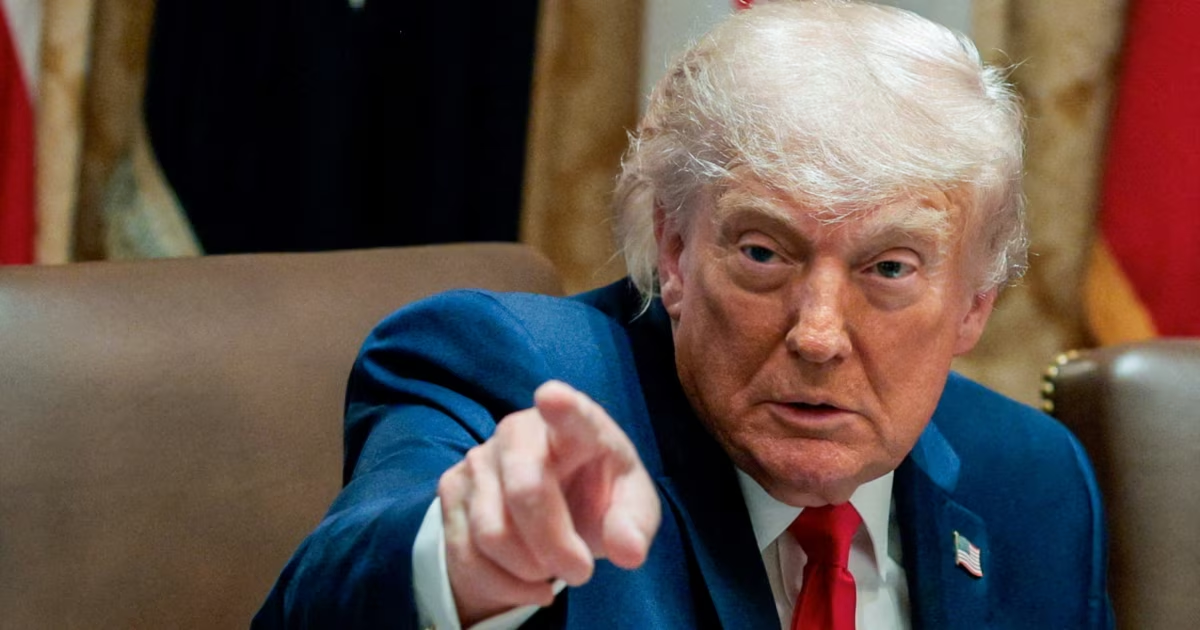
WASHINGTON -- After more than three months of conflict that has shaken the Middle East, disrupted energy markets, and heightened concerns about regional stability, the United States and Iran appear to be moving closer to a possible peace agreement.Amid intensive diplomatic efforts brokered by Pakistan, officials in Washington, Tehran, and Islamabad indicated on June 12 that negotiations on a preliminary Memorandum of Understanding (MoU) had made significant progress.The proposed agreement would focus on immediate de-escalation measures, including reopening the Strait of Hormuz, ending the US naval blockade of Iranian ports, and securing a commitment from Tehran not to develop or acquire nuclear weapons.
If signed, the MoU would open a 60-day period of technical negotiations aimed at addressing broader issues.Phased Approach To De-EscalationAnalysts say the apparent progress reflects a shift in Washington’s negotiating strategy, with officials separating immediate security concerns from longer-term disputes.Azeem Ibrahim, director of special initiatives at the Washington-based New Lines Institute for Strategy and Policy, told RFE/RL that this sequencing has increased the prospects for a near-term agreement.“What appears significant is that the Trump administration has effectively broken the negotiations into separate, more manageable tracks rather than attempting to resolve every issue at once,” Ibrahim said.“The immediate priority seems to be securing the reopening of the Strait of Hormuz and restoring freedom of navigation, which would quickly relieve pressure on global energy markets and reduce the risk of a wider economic shock.”At the same time, Ibrahim cautioned that more difficult questions remain unresolved.“More difficult issues, particularly the future of Iran’s uranium enrichment program, verification mechanisms, and long-term nuclear restrictions, are being deferred to a later phase,” he said.