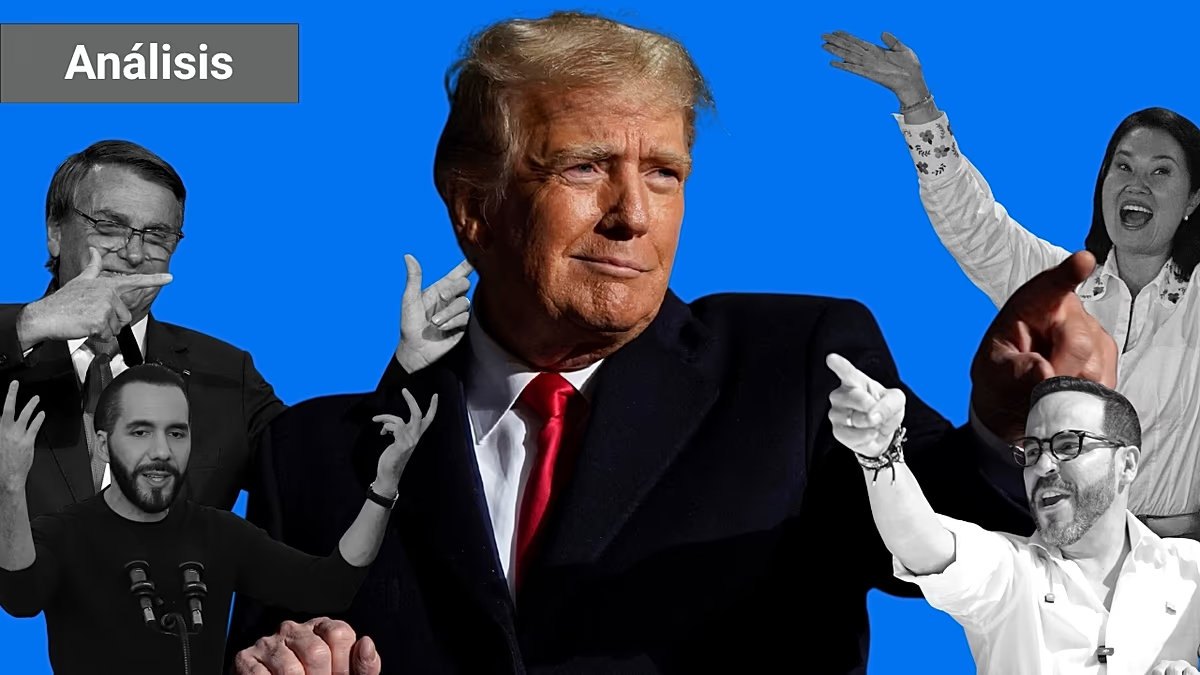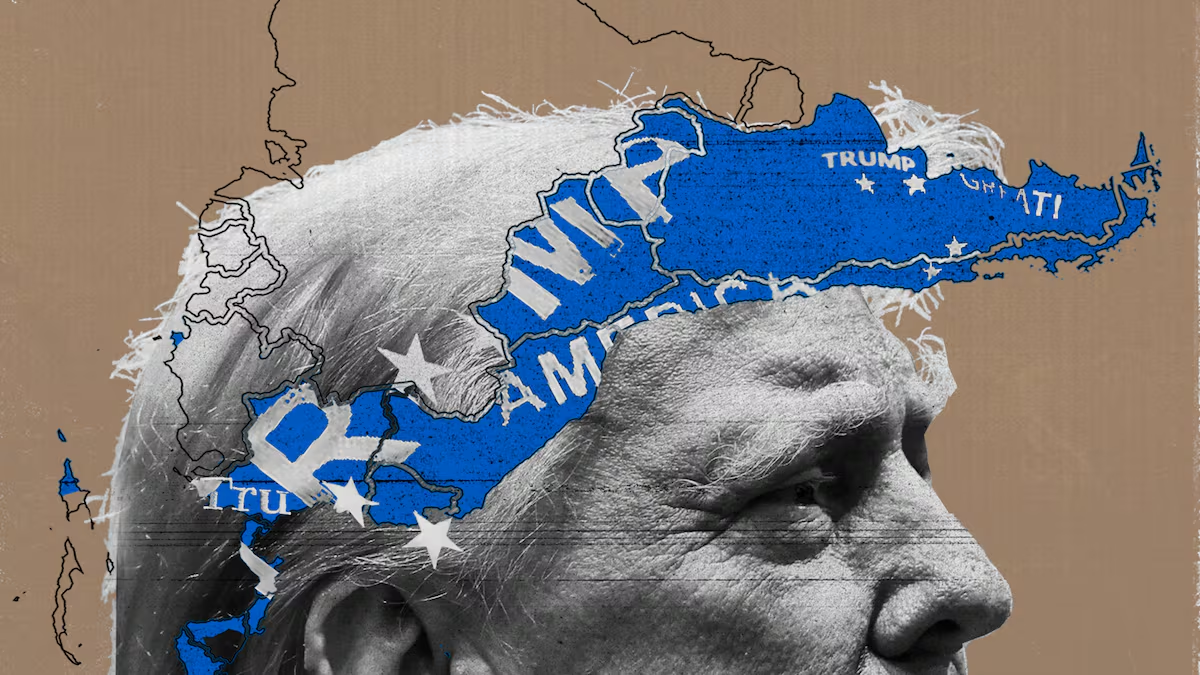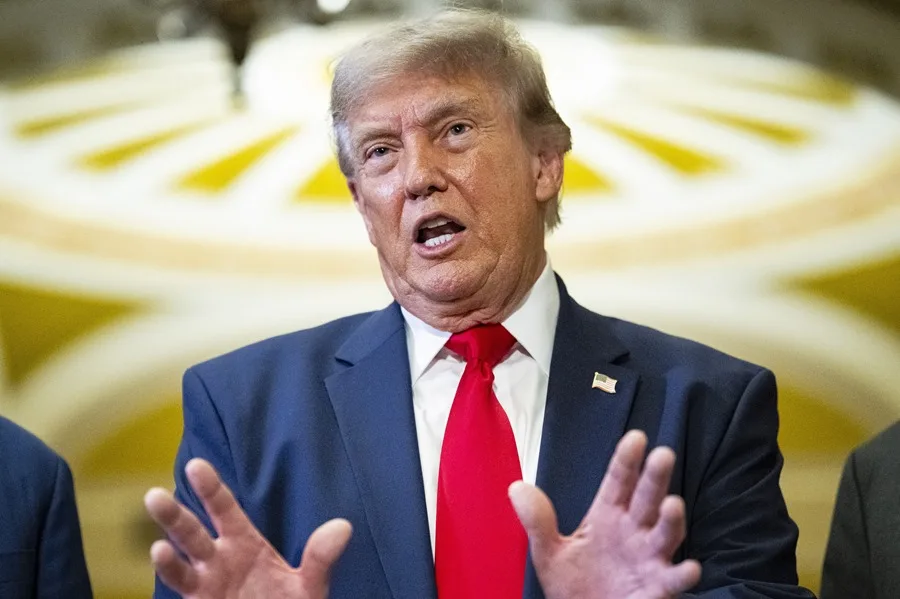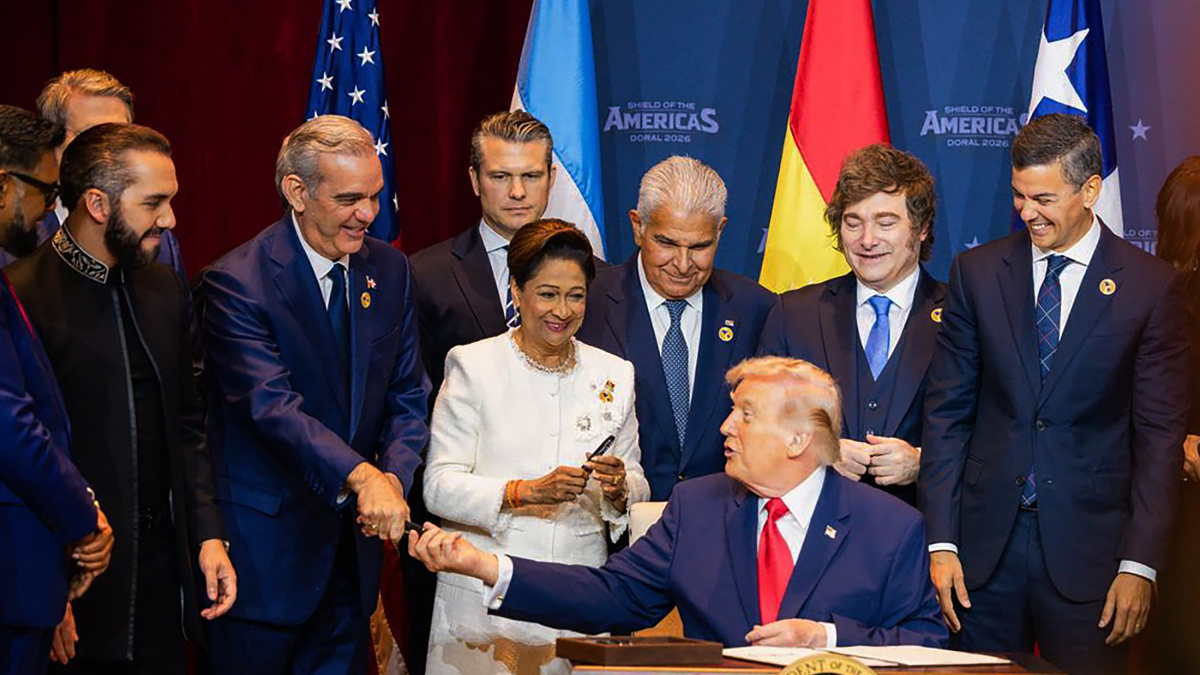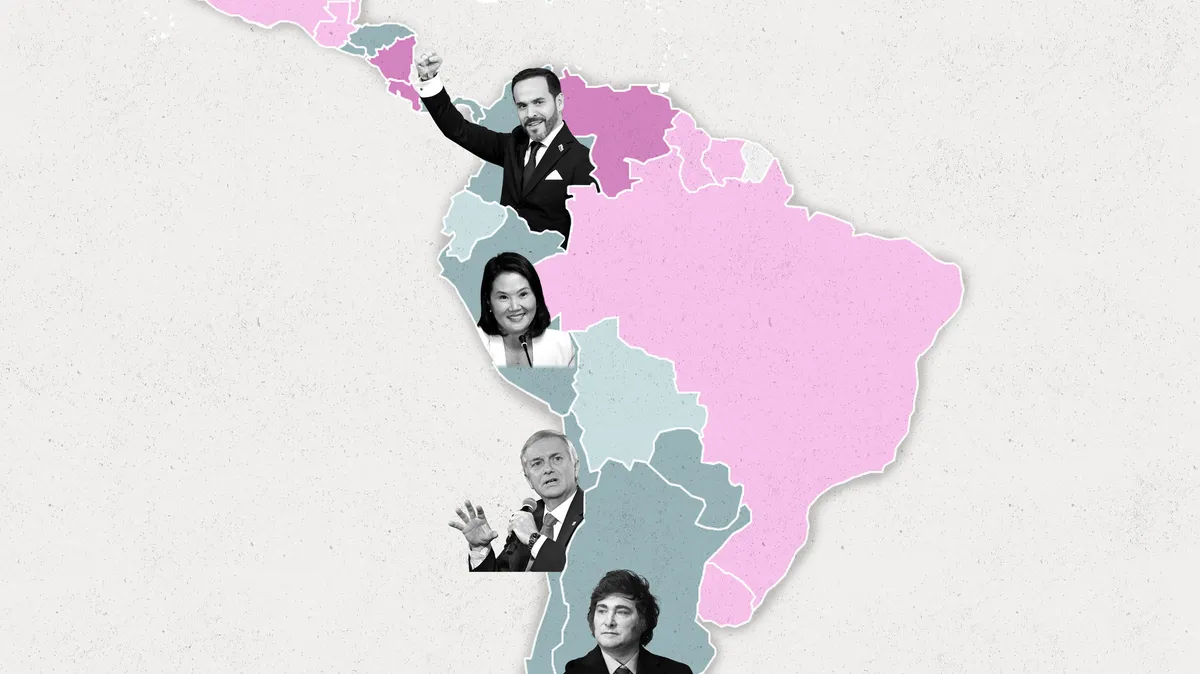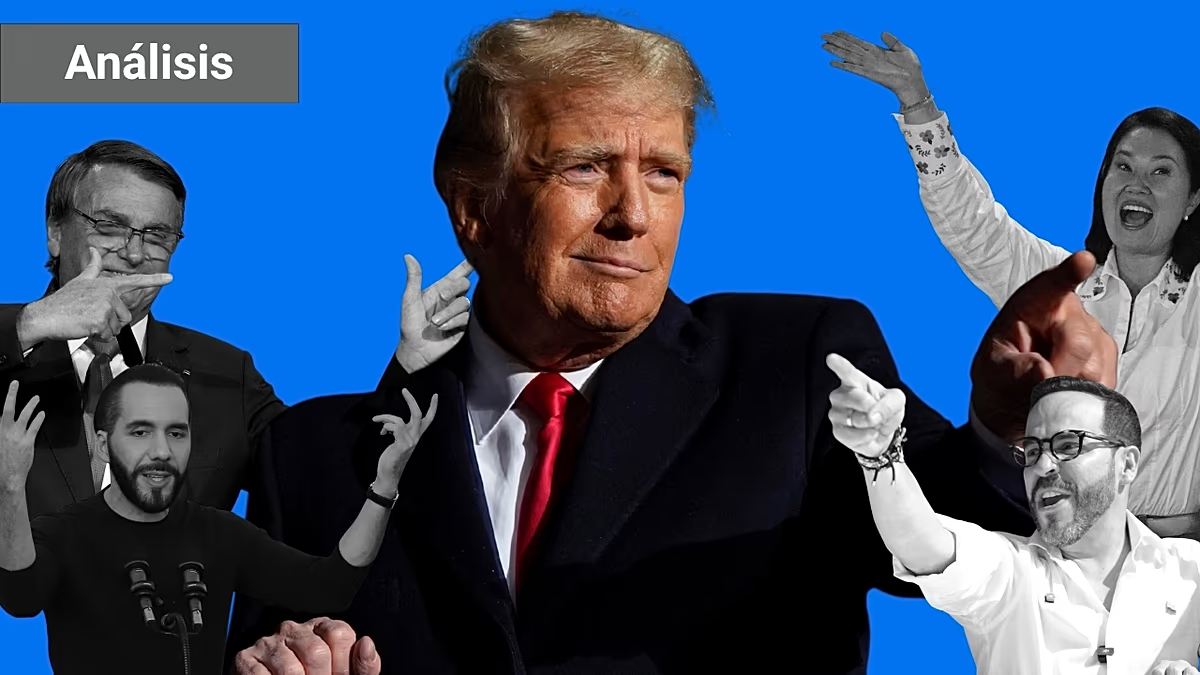
Some are battle-hardened veteran politicians who are no longer presidents, as is the case with Brazil's Jair Bolsonaro. Others, by contrast, built their huge popularity almost unexpectedly, like Nayib Bukele in El Salvador. All of them, however, share certain traits: nationalist rhetoric, unabashed populism and, above all, a clear role model — Donald Trump.
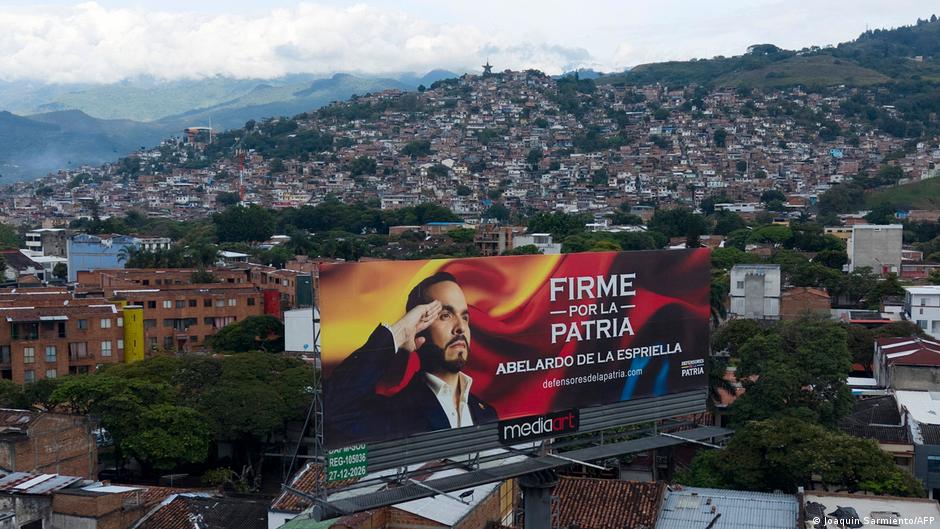
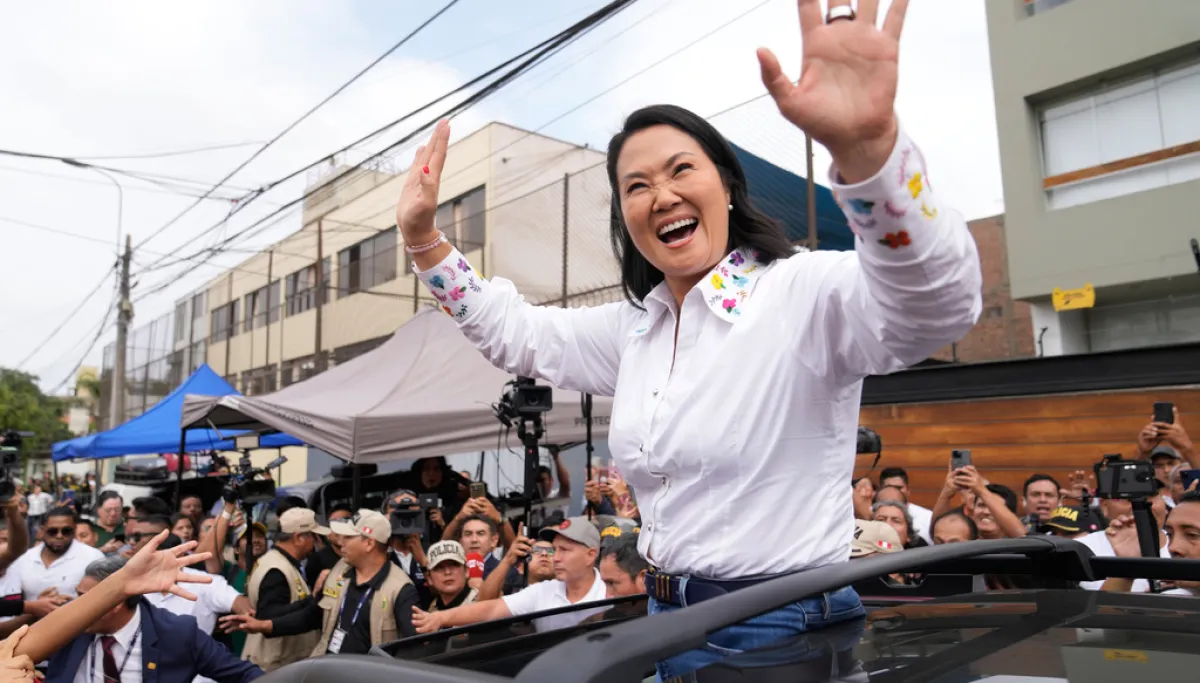
The latest examples of this rise of the right in Latin America can be found in Colombia and Peru, where Abelardo de la Espriella and Keiko Fujimori look set to bring an end to two of the few left-wing governments still remaining in a region that for years has been defined by its more socialist leanings.
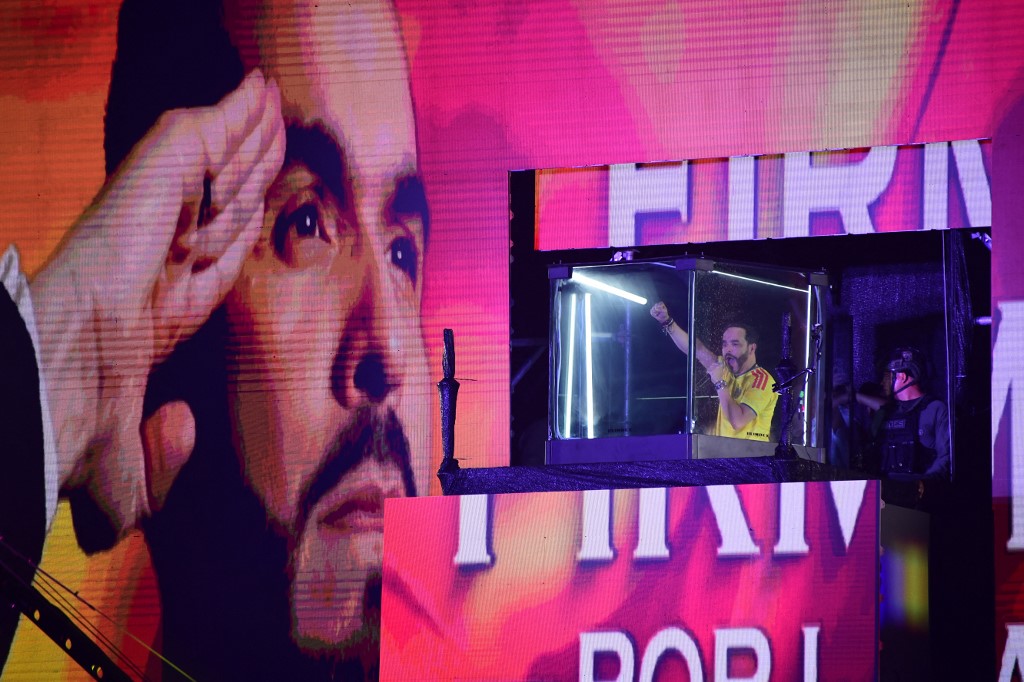
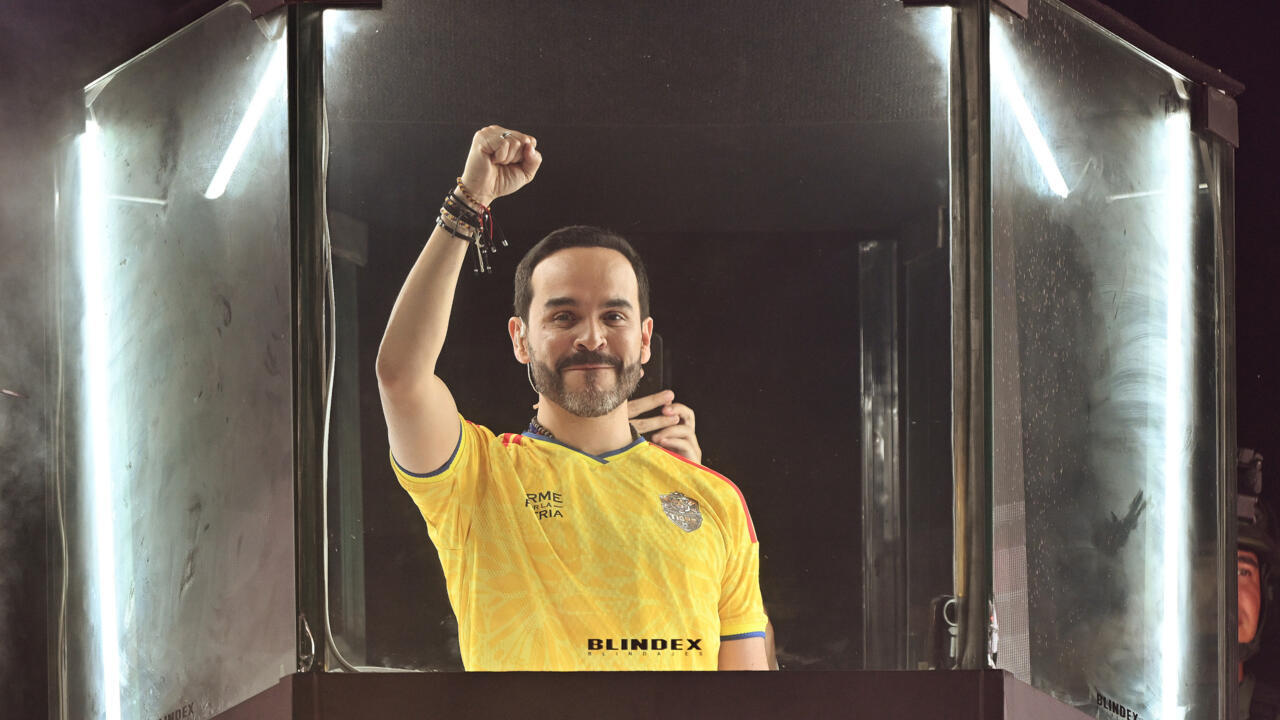
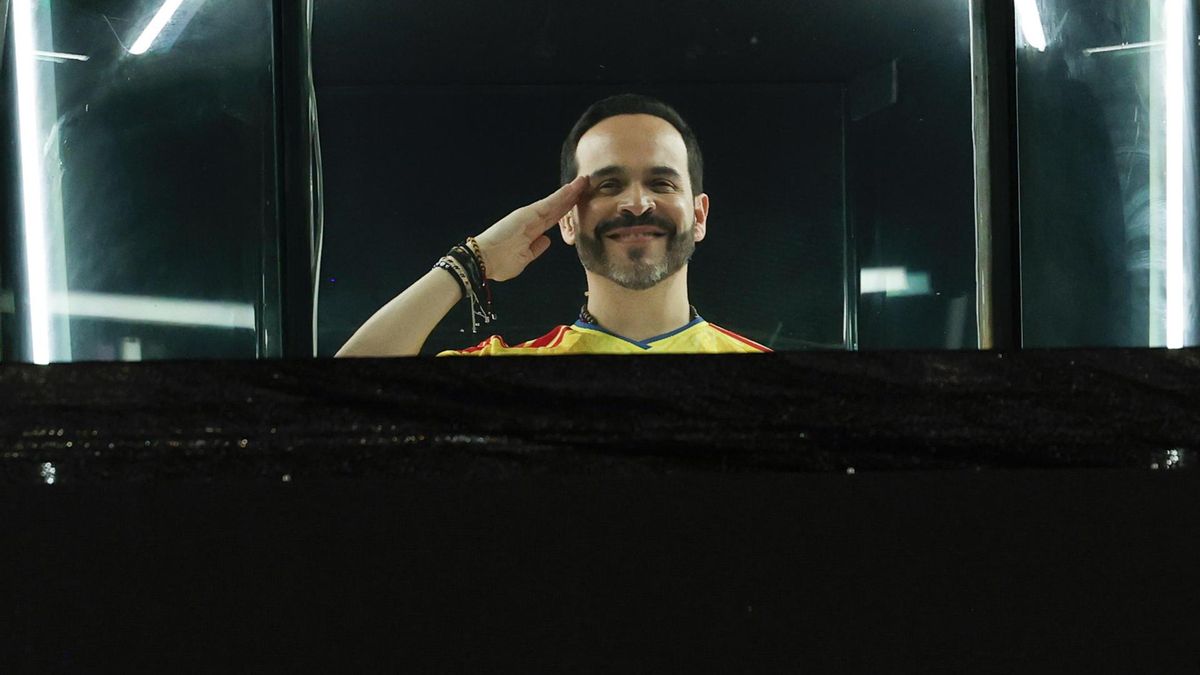
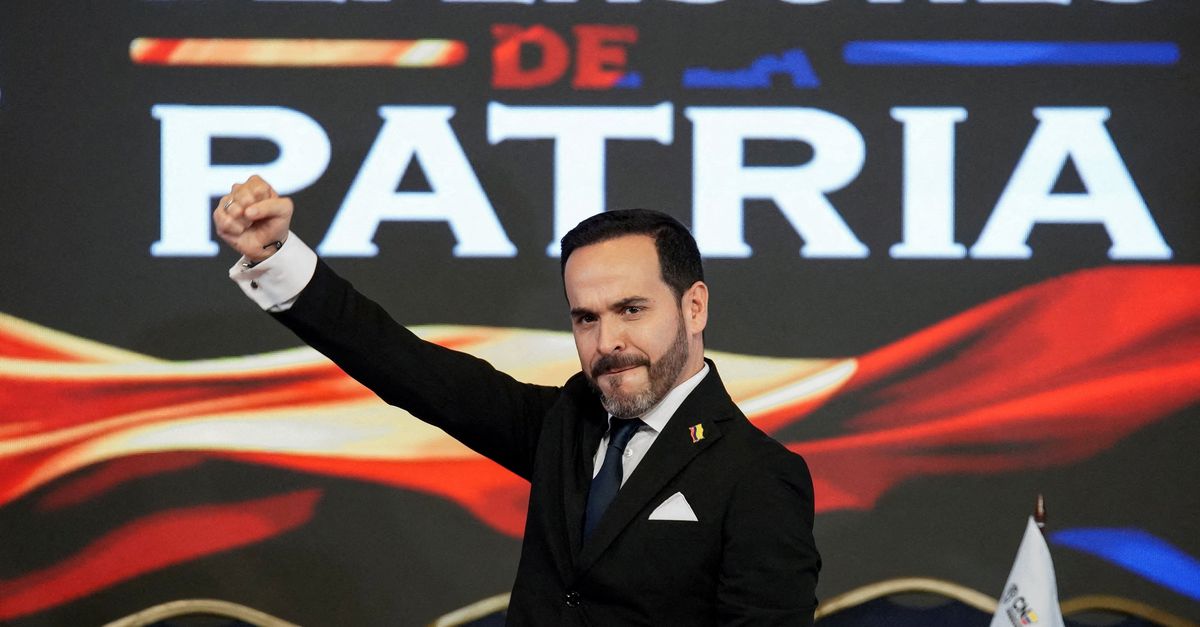
In Colombia's case, the 47-year-old lawyer and businessman, who had no previous political career, won the election, defeating left-wing senator Iván Cepeda by a margin of barely 200,000 votes. On 6 August, De la Espriella will move into the Casa de Nariño, replacing Gustavo Petro, an icon of the Colombian left and one of Trump's most vocal critics.
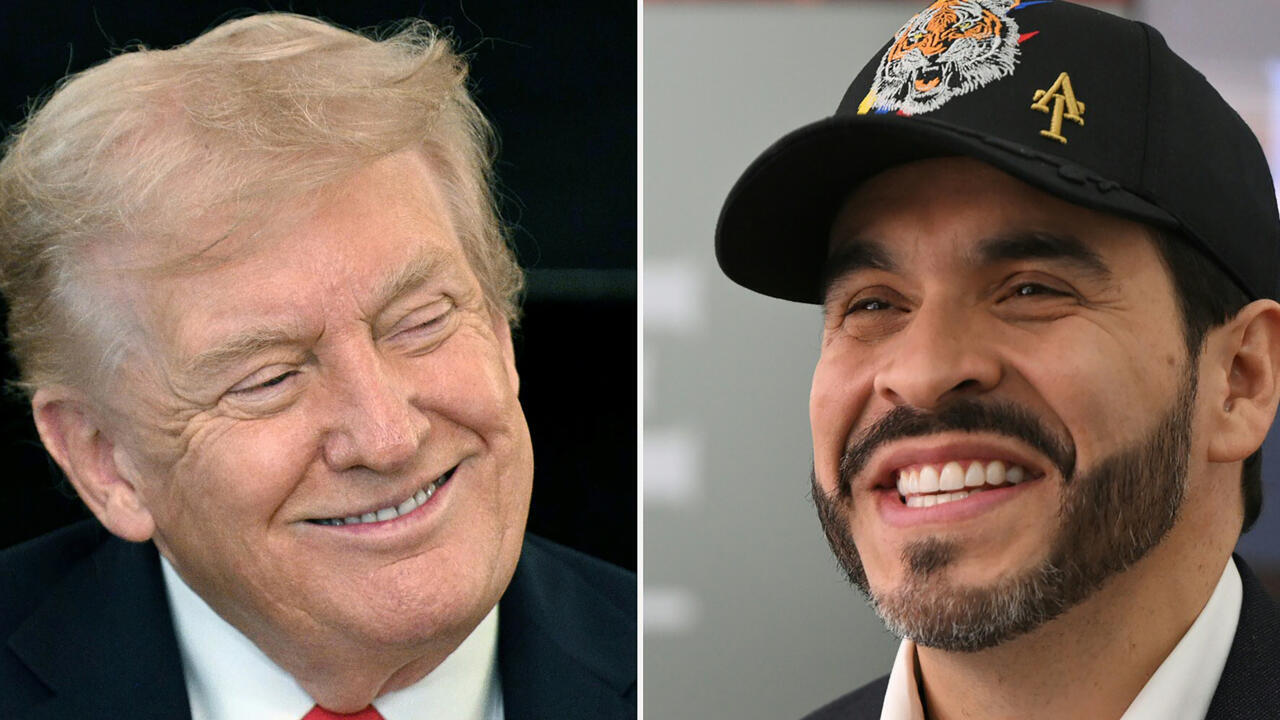
De la Espriella, by contrast, enjoys an excellent relationship with the US president, who backed him throughout the campaign and hurried to call him on Sunday shortly after his victory at the polls was confirmed. On social media, Trump celebrated the result with a terse message alongside an article about the victory "of the candidate backed by Trump": "He won, big!"