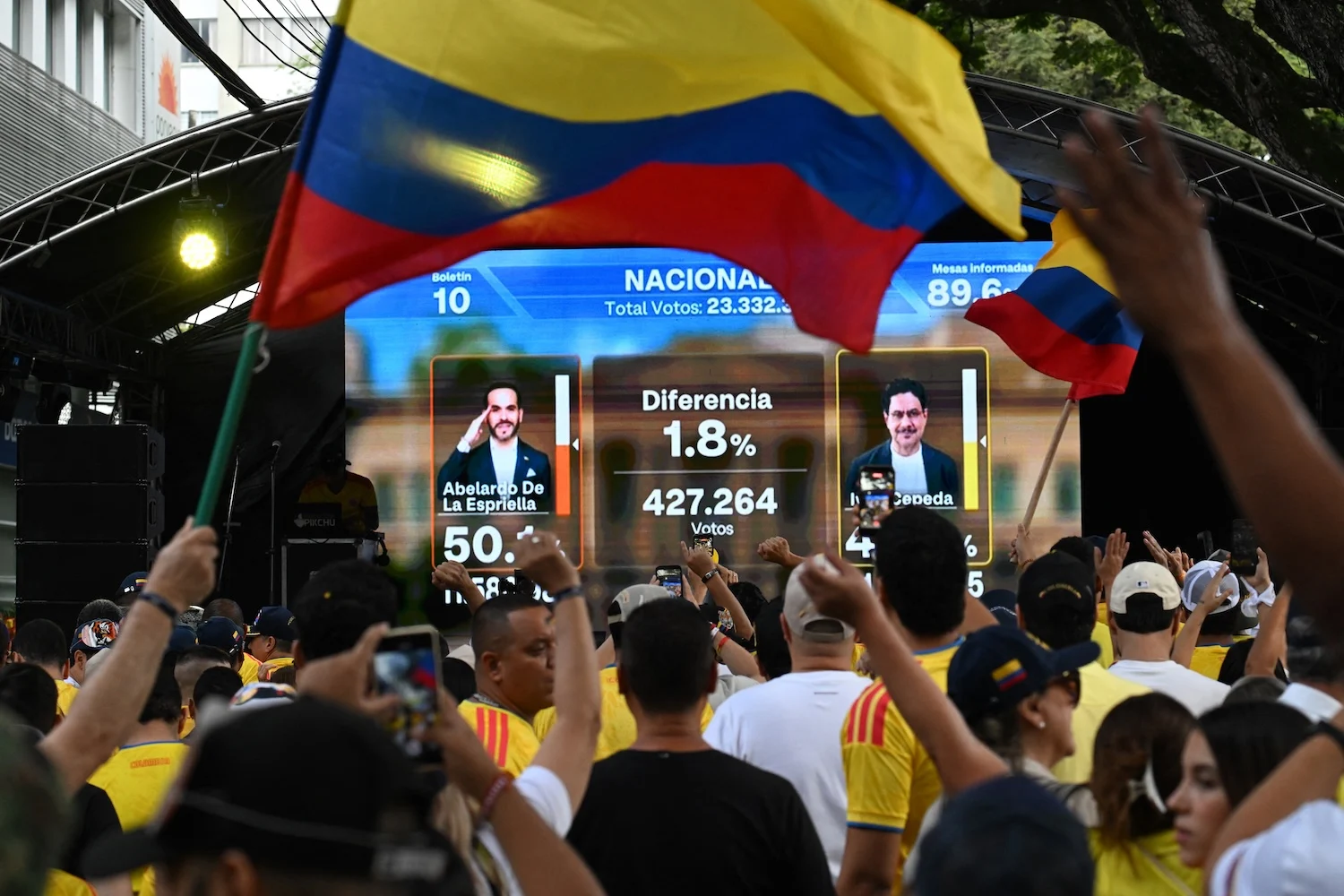
Bogotá (AFP) – Populist leaders are sweeping into power across Latin America, with Colombian voters the latest to embrace hardline right-wing politics -- but will the trend last?
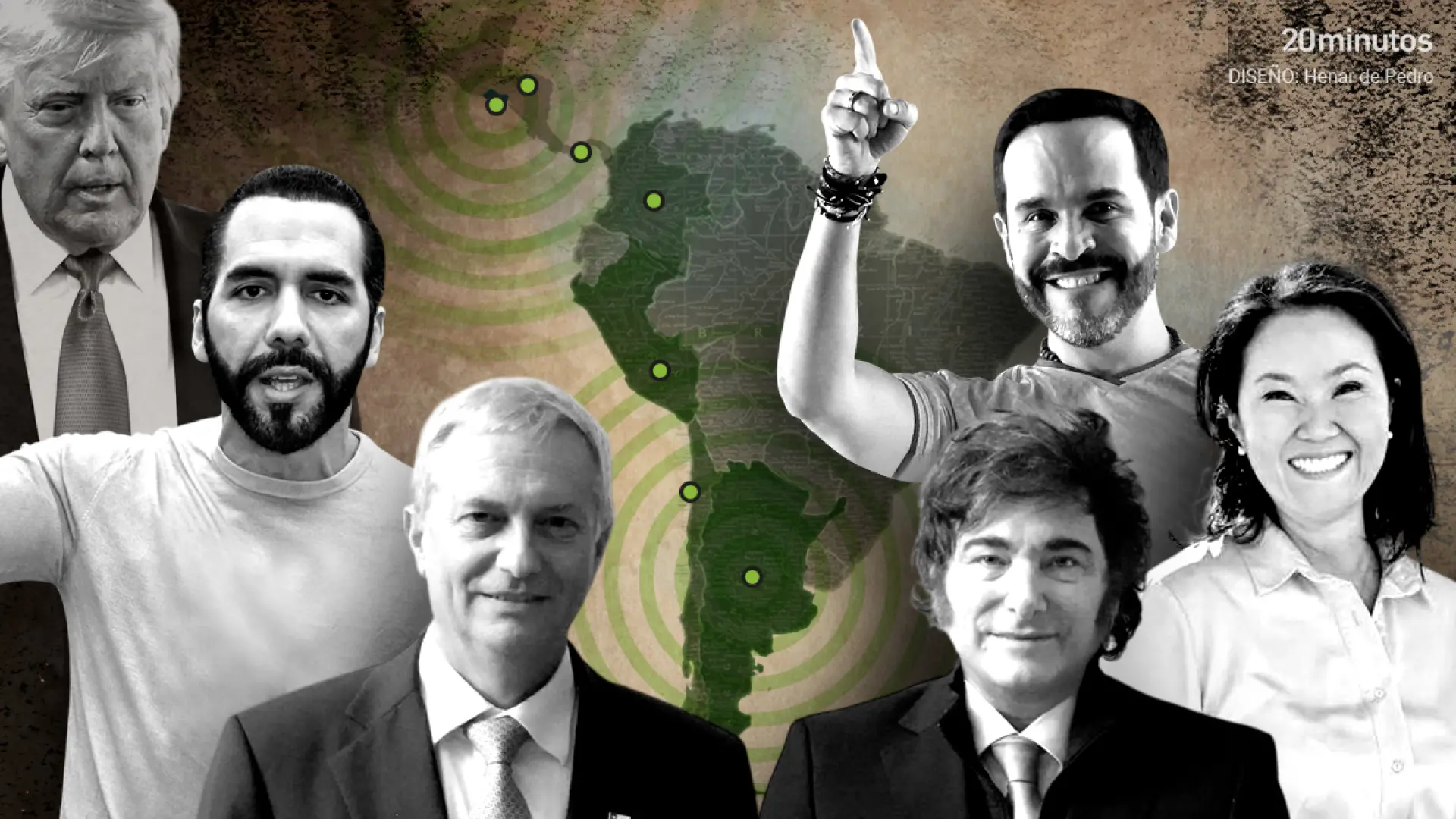
With the big exceptions of Brazil and Mexico, it is tough to find a presidential palace in Latin America not occupied by a tough-talking or charismatic rightwinger.The right has won a string of elections from Argentina to Honduras. Still, experts see little evidence for a region-wide ideological shift -- rather a favorable playing field for outsider candidates.What unites the victors, according to far-right politics expert Lisa Zanotti, is their ability to tap into grievance, build a strong personal brand and forge ad hoc coalitions.
El Salvador's President Nayib Bukele gestures as he delivers a speech during the inauguration of the new headquarters of the Attorney General’s Office (FGR) in Antiguo Cuscatlan, El Salvador, on May 19, 2026. © Marvin RECINOS / AFP
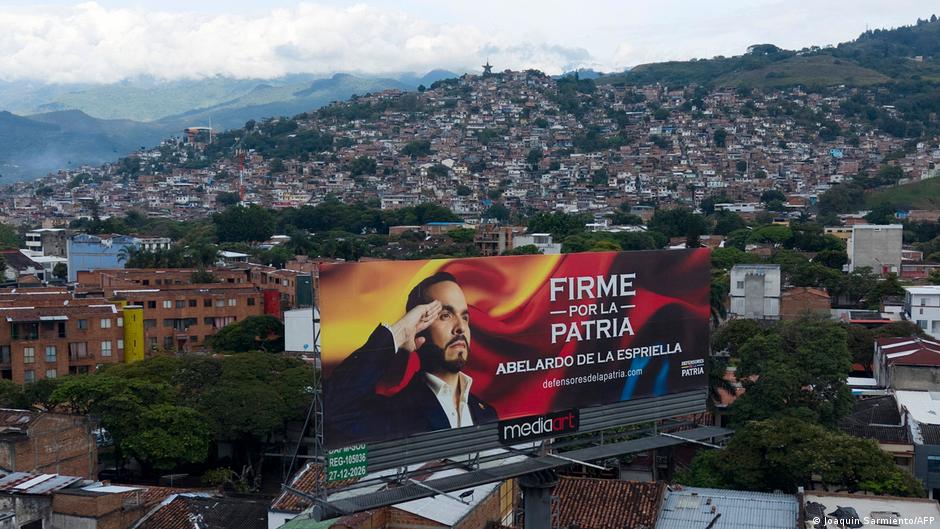
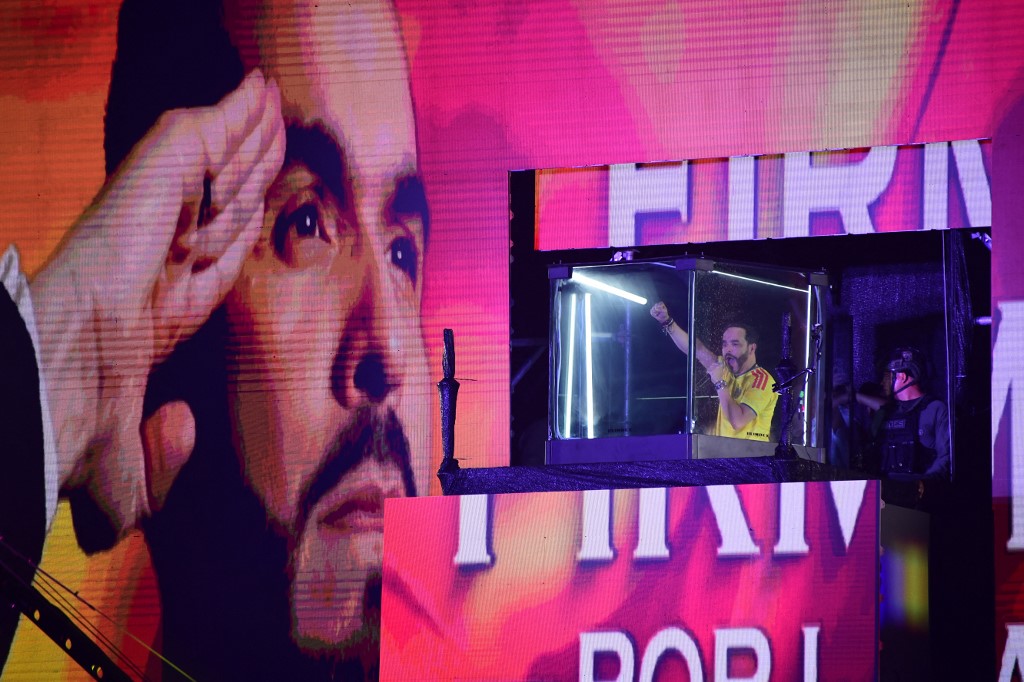
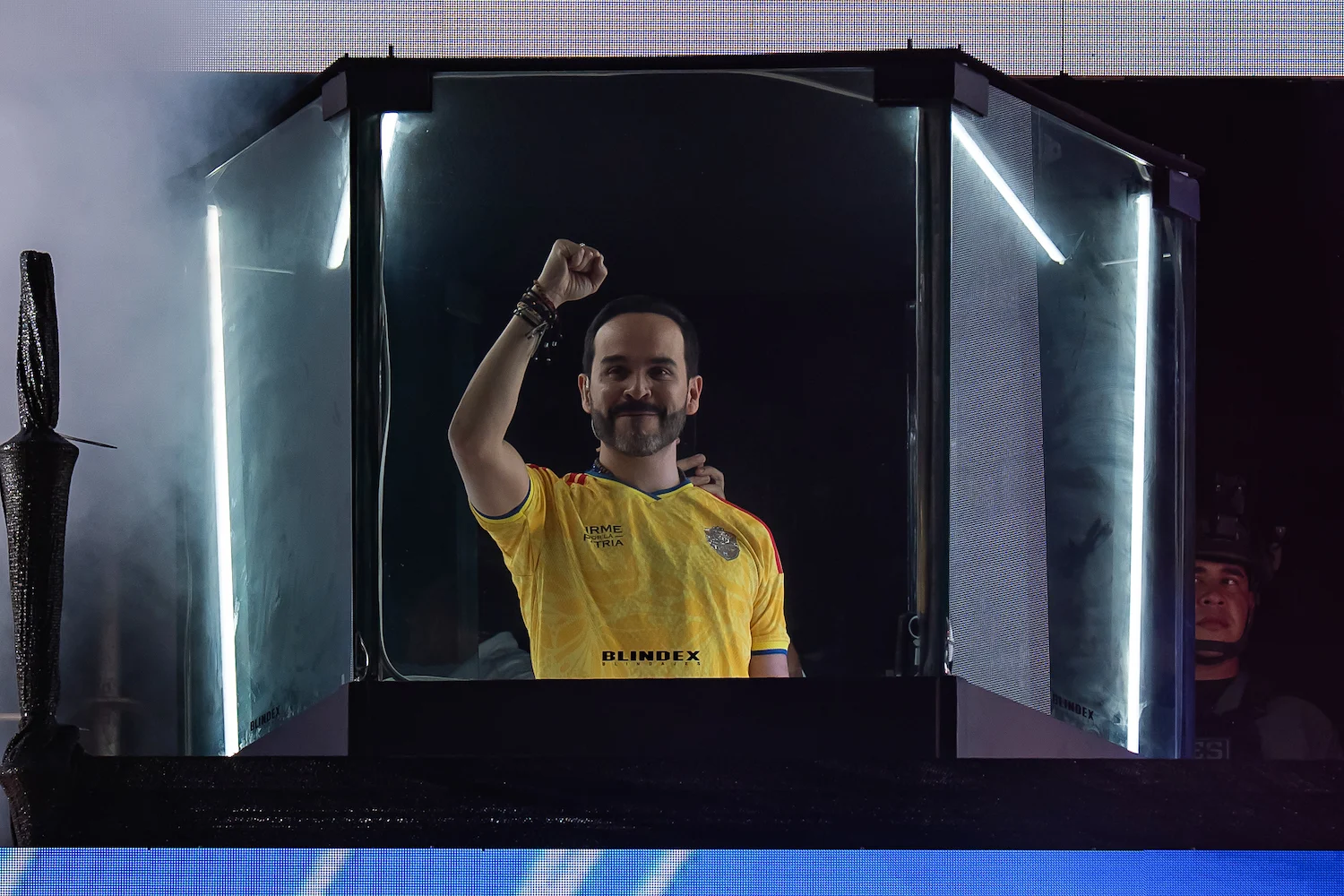
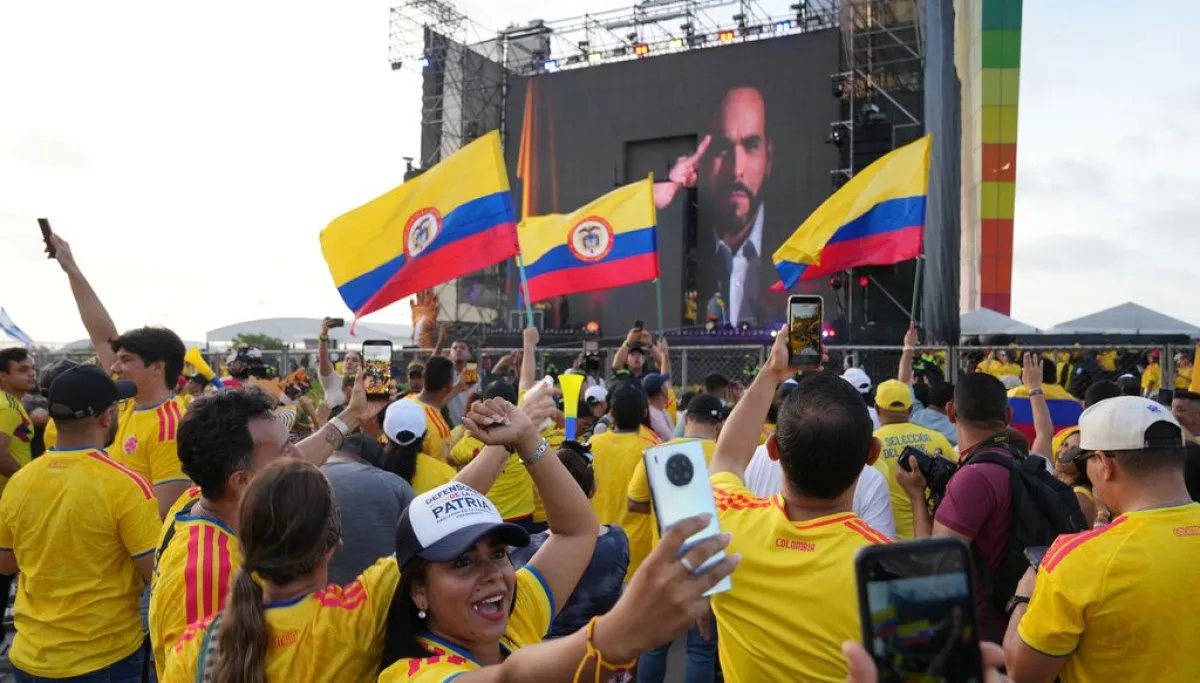
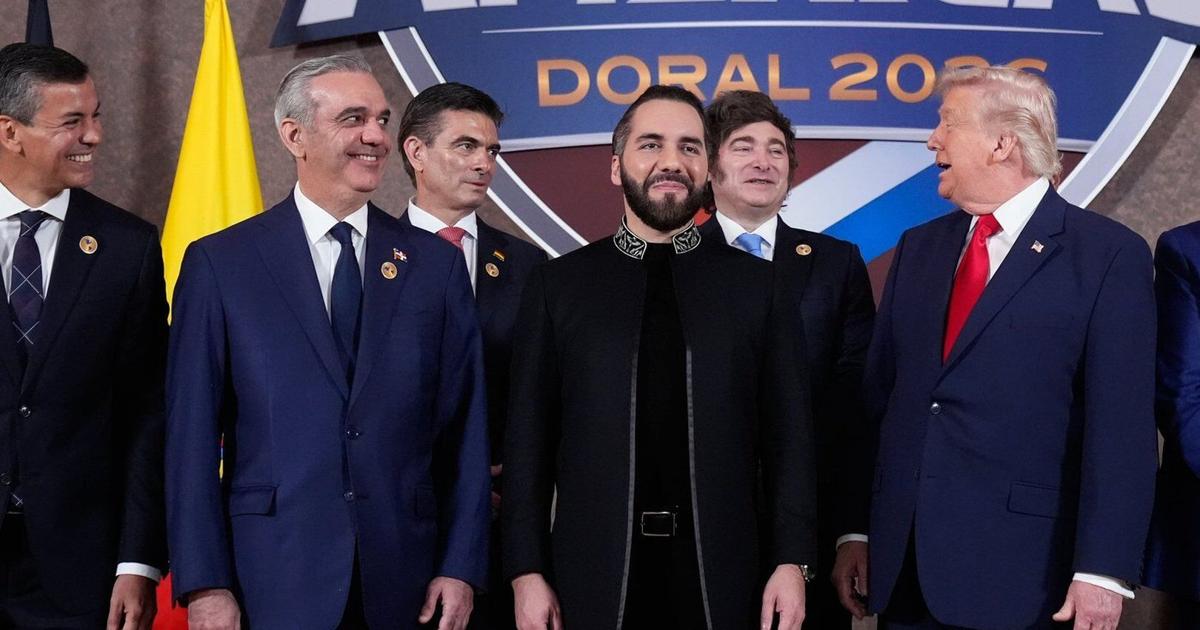
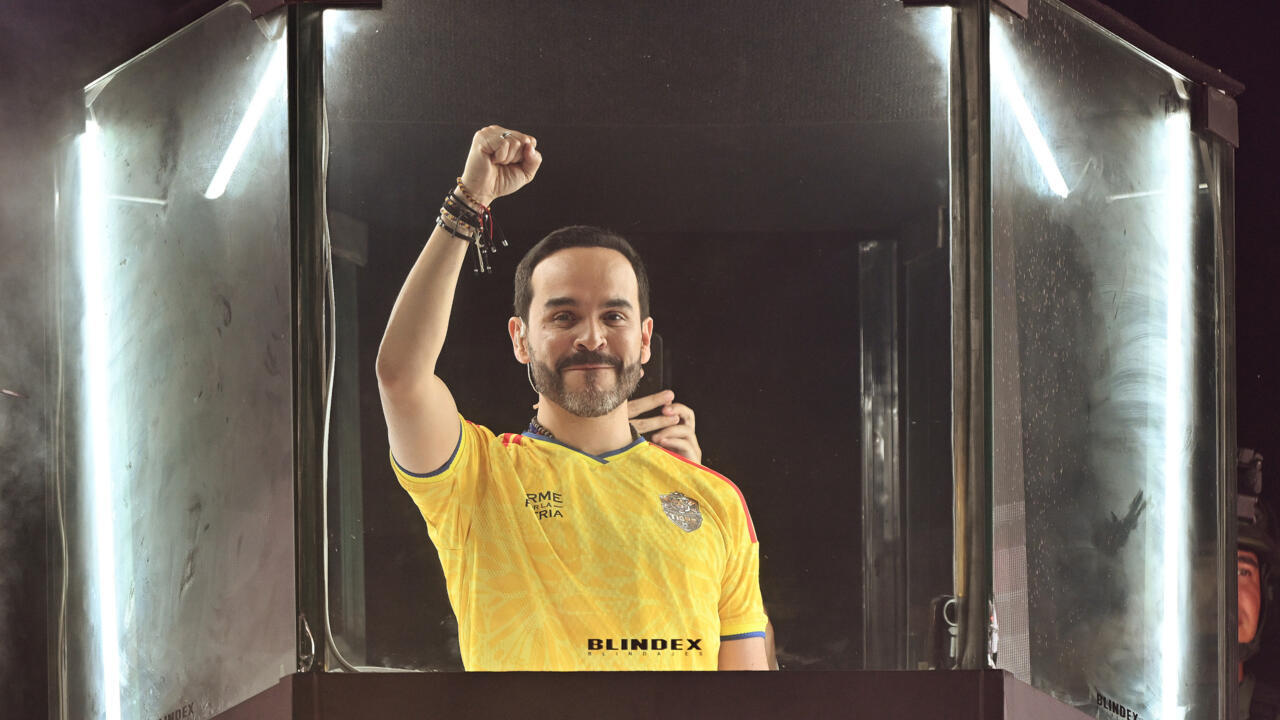
El Salvador's Nayib Bukele -- who has jailed almost two percent of the population -- may have provided the blueprint.Offering seemingly simple solutions to crime, economic stagnation and a discredited political elite, he is astronomically popular at home and often tops polls across the region.His outsider model was adopted wholesale, including by the similarly coiffed Abelardo de la Espriella, whom a few Colombian commentators have jokingly dubbed the "Temu Bukele."Latin America's presidential systems can facilitate this trend of outsider candidates, according to Zanotti, a researcher at Budapest's CEU Democracy Institute and Santiago's Ultra-Lab."Presidential elections allow political entrepreneurs to bypass weak or discredited parties and construct a direct relationship with voters," she said. - Winning formula-