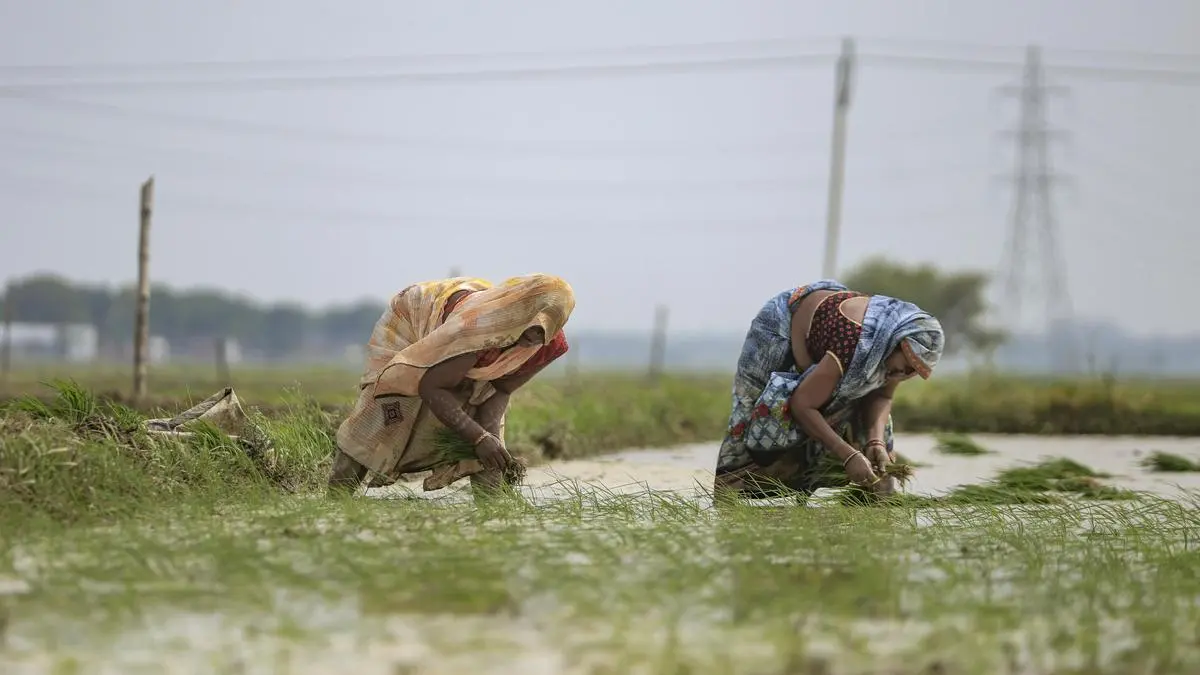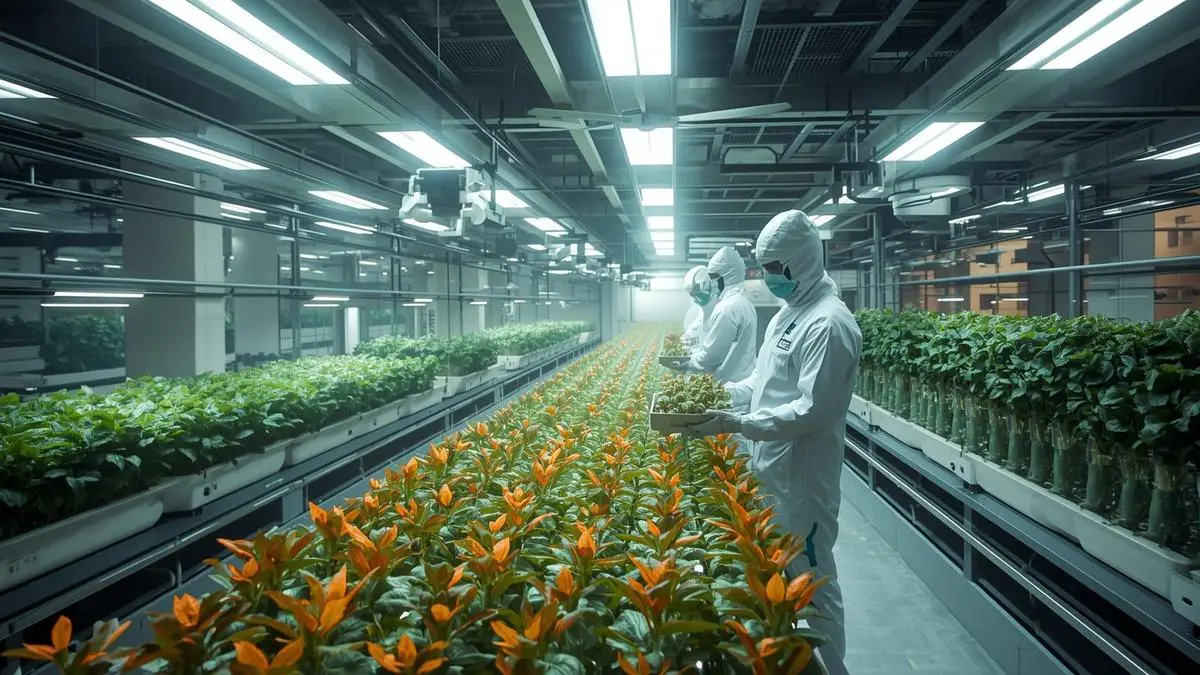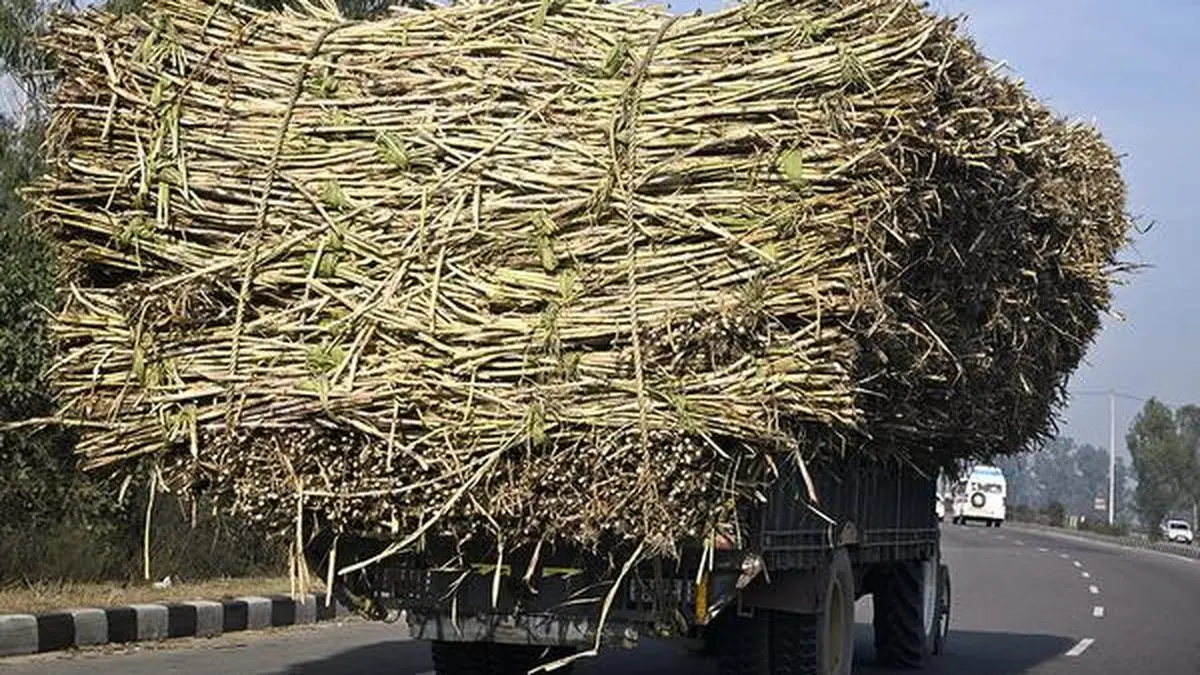
India’s next digital leap is not another application on your phone. It is an innovation ecosystem that connects fields, farmer IDs, and fair markets. India already possesses the building blocks to transform high-tech agriculture into a mass reality. It already has a head start because it knows how to build at scale. Aadhaar and UPI proved that digital public infrastructure (DPI) can reach the last mile when it is open, reliable, and ecosystem friendly.Agriculture is now gaining similar foundations through the Digital Agriculture Mission and AgriStack, designed to link farmers, land parcels, and crop data so that services like credit, insurance, and advisories can be delivered with far less friction. As of March 2025, government statements indicate that about 4.86 crore Farmer IDs have been generated, with an ambition to reach 11 crores in the coming years. This matters to the IT industry because once these ‘rails’ exist, hundreds of interoperable applications can be built on top without every solution needing to rebuild identity, payments, consent, or basic datasets from scratch.DPI becomes transformative when it connects production to markets. e-NAM (National Agriculture Market) expanded the idea of a national marketplace for mandis. ONDC (Open Network for Digital Commerce) extends it further by letting buyers and sellers transact across an open network rather than a single platform. Early 2024 reports noted nearly 5,000 farmer-producer organisations (FPOs) onboarded onto ONDC. When FPOs aggregate supply and discover demand digitally, logistics providers, lenders, and insurers can plug into the same transaction fabric. The ecosystem starts behaving like a supply network with shared standards, exactly the kind of platform effect that powered India’s fintech and e-commerce boom.AI that speaks the farmer’s languageOn top of these rails, AI adds the decision layer. Not dashboards that nobody checks but actionable advice. Government-backed pilots show the scale that is now possible. AI-based rainfall advisories reached about 3.88 crore farmers. AI-driven market intelligence supported price discovery for roughly 1.8 million farmers across 12 States. The next leap is generative and conversational AI: voice-first assistants that work in Indian languages, accept photos of pests or diseased leaves, and translate complex agronomy into simple, trusted recommendations. For India’s IT sector, the hard problem is not model accuracy alone; it is building secure, low-cost, multilingual experiences, with guardrails and measurable outcomes.Trust is the second pillar, especially as Bharat’s producers aim for higher-value domestic and export markets. Blockchain is useful here not as hype, but as an audit-friendly way to record provenance, certifications, and supply-chain events. When combined with IoT (for temperature, humidity, and transit data) and enterprise workflows, it can reduce disputes and improve compliance. Traceability is becoming commercially relevant. India’s organic product exports were reported at about US$666 million in FY25, a category where importing markets place a premium on credible certification. A tamper-evident record helps small producers join these value chains without drowning in paperwork.Designing for the real BharatIndia needs architecture solutions that respect real-world constraints like patchy networks, power variability, and low-cost devices. This is where IoT and edge computing matter. Soil moisture sensors and micro-climate monitors can feed edge processors that run models locally to automate irrigation, detect anomalies, or summarise drone imagery without streaming gigabytes to the cloud. For solution builders, offline-first is a design principle. Compress models to run on phones, use intermittent sync, and provide human-in-the-loop workflows for FPO staff or extension workers. These are the engineering choices that convert a lab prototype into something a village can depend on.What makes this opportunity uniquely Indian is the chance to reuse the same building blocks beyond agriculture. The consented data exchange, traceability, AI co-pilots, and cloud-edge patterns built for farms can also power rural MSMEs, food processing, healthcare delivery, and education, much like UPI became a generic payments layer across sectors. For the tech ecosystem, the agenda is clear: build interoperable platforms, invest in responsible and inclusive AI, design for low-bandwidth realities, and partner deeply with FPOs and local institutions. If we get that right, the ‘technology for Bharat’ stops being a fantasy. It becomes a preview of how innovation can work at a population scale for Bharat.The author is Head of Evolving Technologies, Global Delivery Unit, FujitsuPublished on June 21, 2026
Technology for Bharat: Why farm-first design beats silicon-first hype
The UPI moment for Indian agriculture is a preview of how innovation can work at a population scale for the country
696 words~3 min read