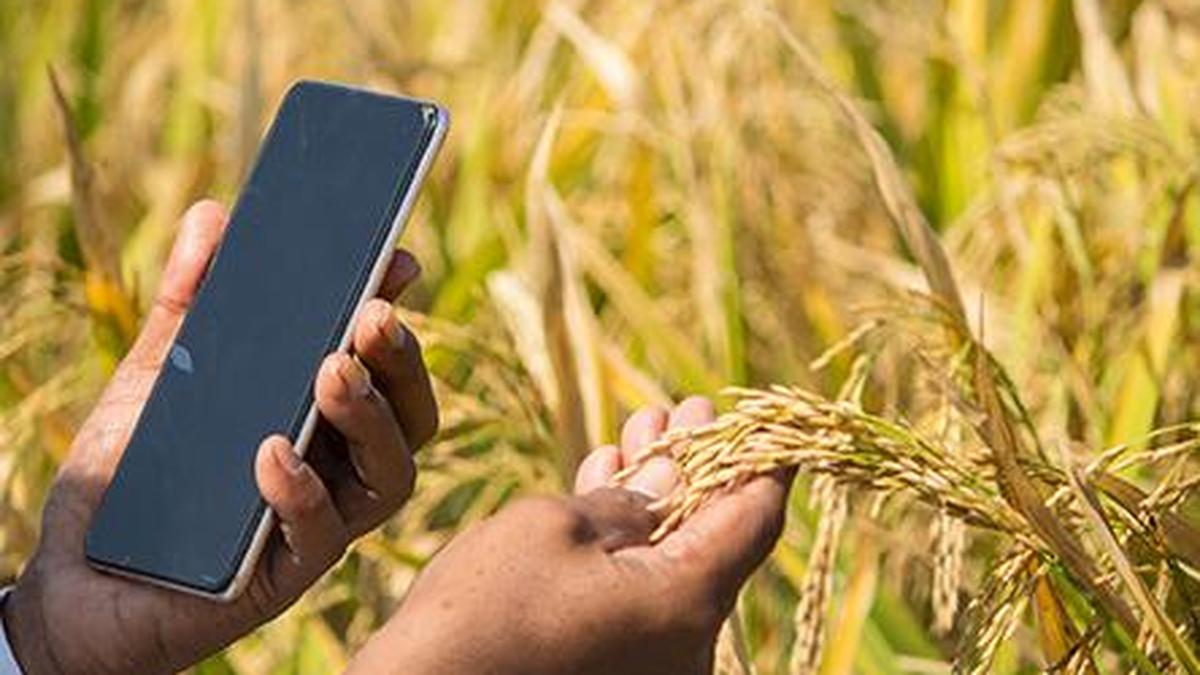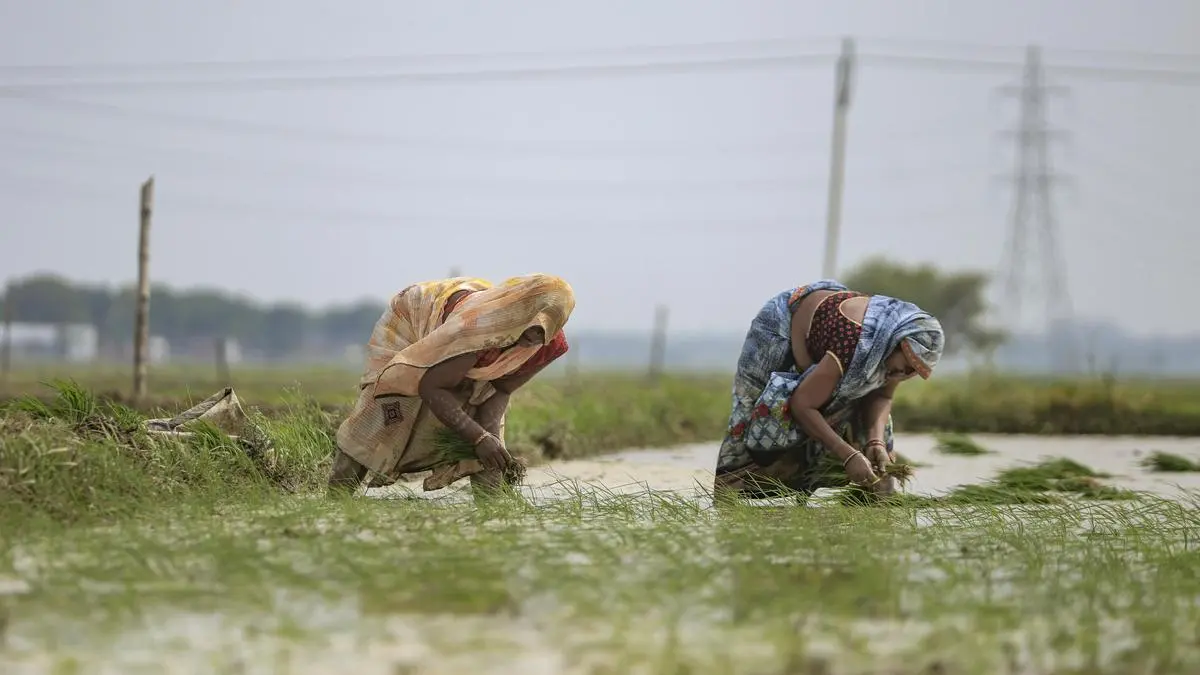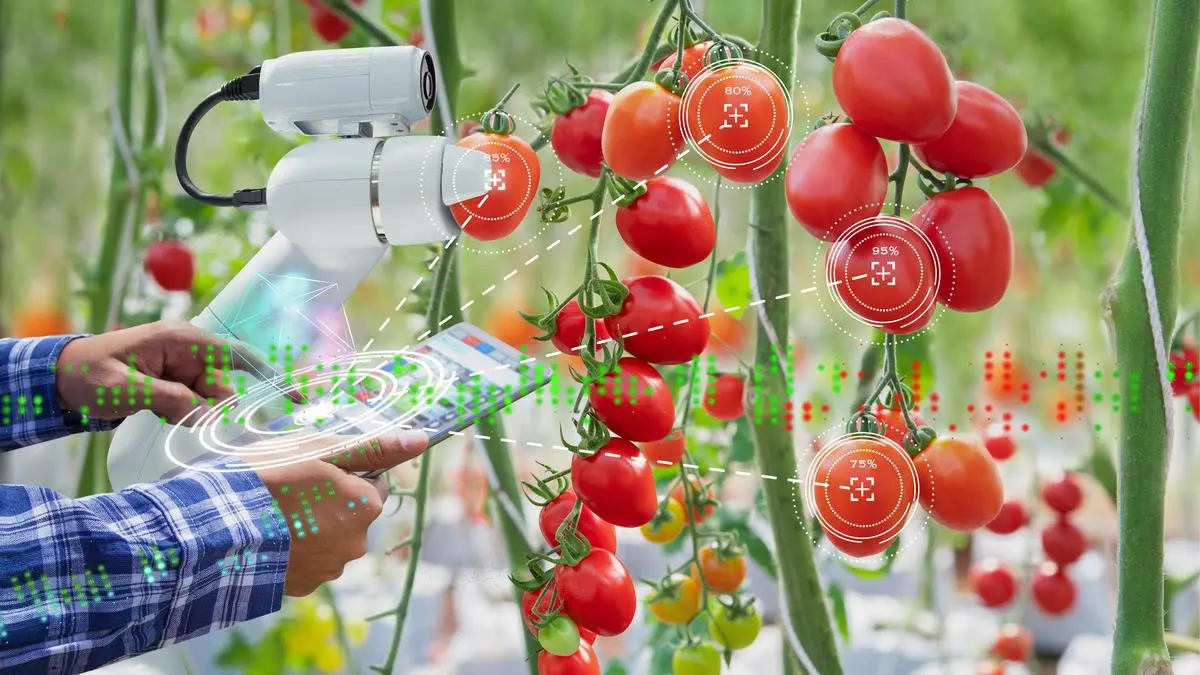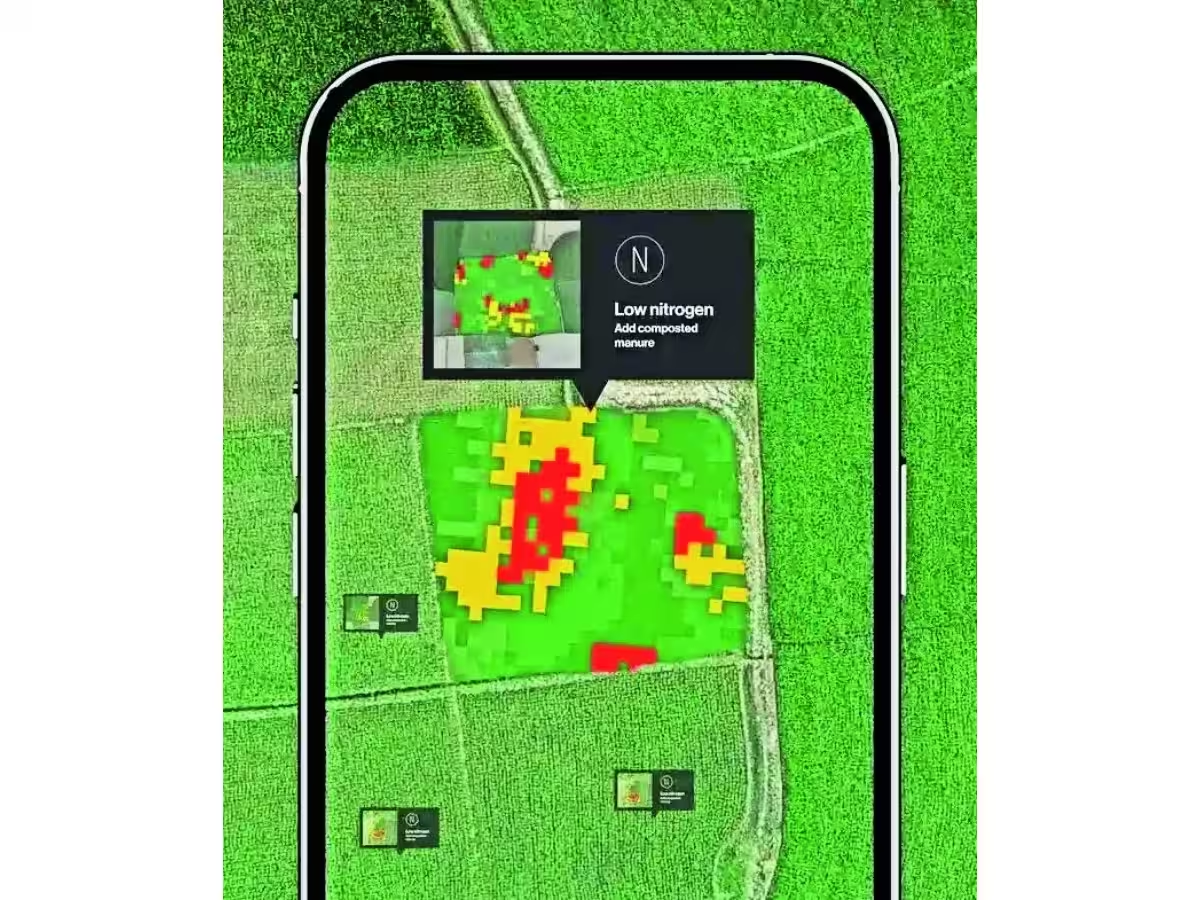
The Indian agricultural sector has long supported the economy, contributing nearly 18 per cent of GDP and employing about 46 per cent of the population. It remains central to a highly agrarian system, with projections placing its potential at $3.1 trillion by 2047, aligned with the vision of Viksit Bharat. Yet, beneath this ambition lie structural constraints that must be addressed to fully realise this vision.Nearly 89 per cent of India’s farmers are small and marginal landholders, making them especially vulnerable to heatwaves, erratic monsoons, shifting pest cycles, rising input costs, and volatile markets. Informal systems and lack of clear guidance further expose them to shocks. Women farmers, owning less than 14 per cent of land and often excluded from formal extension networks, are particularly affected. Strengthening productivity and resilience increasingly depends on agricultural technology (agtech).Accessing timely informationFarm advisory services have evolved alongside technological change. India now has over 6000 agricultural startups, including 2800 recognised agri-tech ventures. This growth has been driven by rising farmer awareness, deeper rural internet penetration, and the need for efficiency. Advisory has moved from in-person interactions to community videos, and now to mobile-based, AI-enabled platforms.Yet, technology alone does not transform systems, trust does. Farmers are often hesitant due to repeated exposure to generic, ineffective information. To reach scale, digital advisory must bridge this trust gap through intuitive, localised, and responsive solutions that reflect real-world uncertainties like weather, pests, and markets. AI-driven tools are increasingly capable of doing so.Delivering resultsOnce the trust threshold is crossed, adoption accelerates non-linearly, and results follow. In a Telangana pilot with the World Economic Forum and the state government (Saagu Bagu), 7,000 chilli farmers using AI tools saw a 21 per cent rise in yields, 11 per cent higher prices, and 9 per cent lower input use within a single season. Another example is FarmerChat, an advisory app driving measurable shifts towards regenerative practices in Bihar, Jharkhand, and Odisha. In Odisha, 71 per cent of farmers are aware of regenerative methods; 51 per cent use mixed inputs, 16 per cent have fully transitioned, and 11 per cent plan to shift further next season.Technology has a lasting and widespread impact on both agriculture and the lives of farmers. As per a meta-analysis reported in Science, agriculture information transmitted through mobile technologies in sub-Saharan Africa and India increased yields by 4 per cent and the likelihood of farmers adopting recommended agrochemical inputs by 22 per cent.There is growing evidence that agritech interventions, particularly digital platforms and advisory services, can improve farmers’ incomes and livelihoods (IJFMR, 2025), and emerging studies suggest that AI-driven advisory tools may further enhance these outcomes by improving productivity, cost efficiency, and market access (World Economic Forum, 2025).AI-driven tools help farmers take timely actions that improve yields and profits. Even simple text and voice messages can shift behaviour, leading to better practices and higher productivity across the value chain. This, in turn, boosts incomes and helps farmers move beyond cycles of crop failure and poverty. However, these gains remain constrained by the gender divide.Bridging the gender divideDespite increased mobile penetration, women remain far behind in access to devices and information. Only about one-third of women farmers own smartphones, often relying on shared access mediated by others. This limits both information flow and decision-making.Women play a critical role in agriculture, and their inclusion directly improves productivity and household incomes. Bridging this gap requires sustained investment in capacity building, user-centric design, and community-based onboarding models that prioritise accessibility and inclusion.India’s journey to become a $5 trillion economy is closely linked to its ability to build its agri-economy robust. The government’s resolve is clearly reflected in this year’s budget allocation of ~1.63 crore to the agriculture sector and allied activities. However, we cannot touch the trillion-dollar target solely by meeting production metrics or through policy initiatives. Technological breakthroughs and inclusion are essential to reaching the last mile.Digital advisory holds immense promise. Technology must serve the farmer and include everyone. For greater impact, these systems must also be built on interoperable data frameworks, enabling seamless exchange across platforms and ensuring scalability.The author is CEO, Digital Green IndiaPublished on May 16, 2026
India’s $1 trillion agri economy has a last-mile problem: Can digital advisory solve it?
Technology must serve the farmer and include everyone; for greater impact, these systems must also be built on interoperable data frameworks
687 words~3 min read