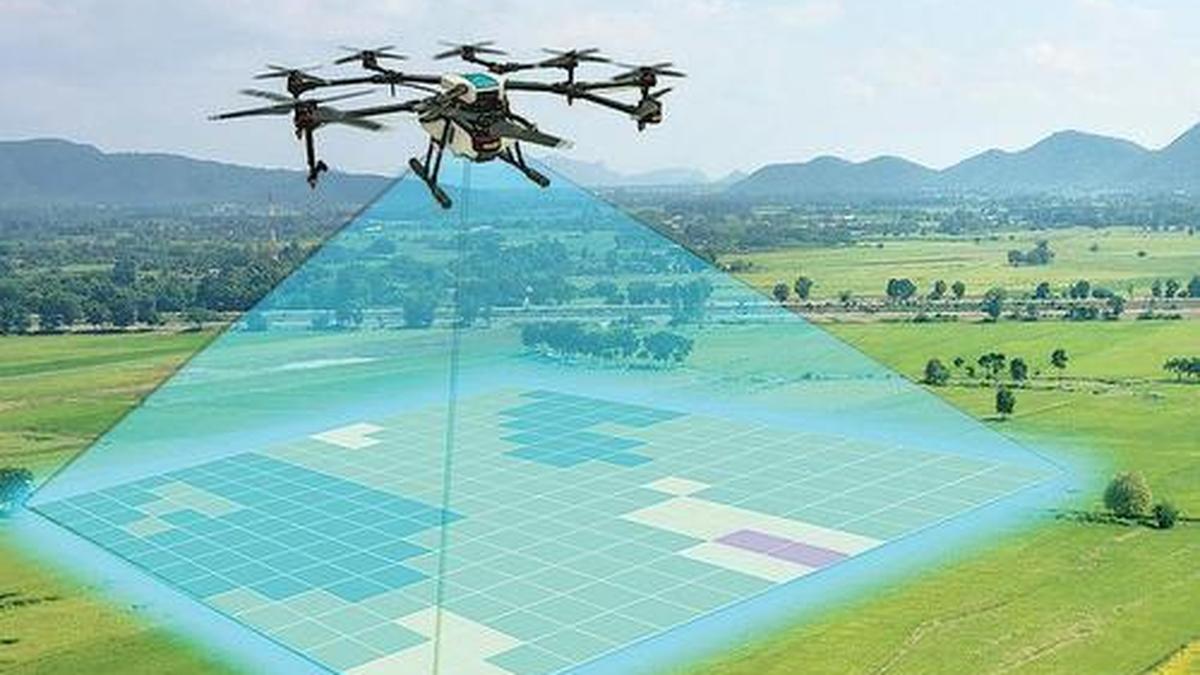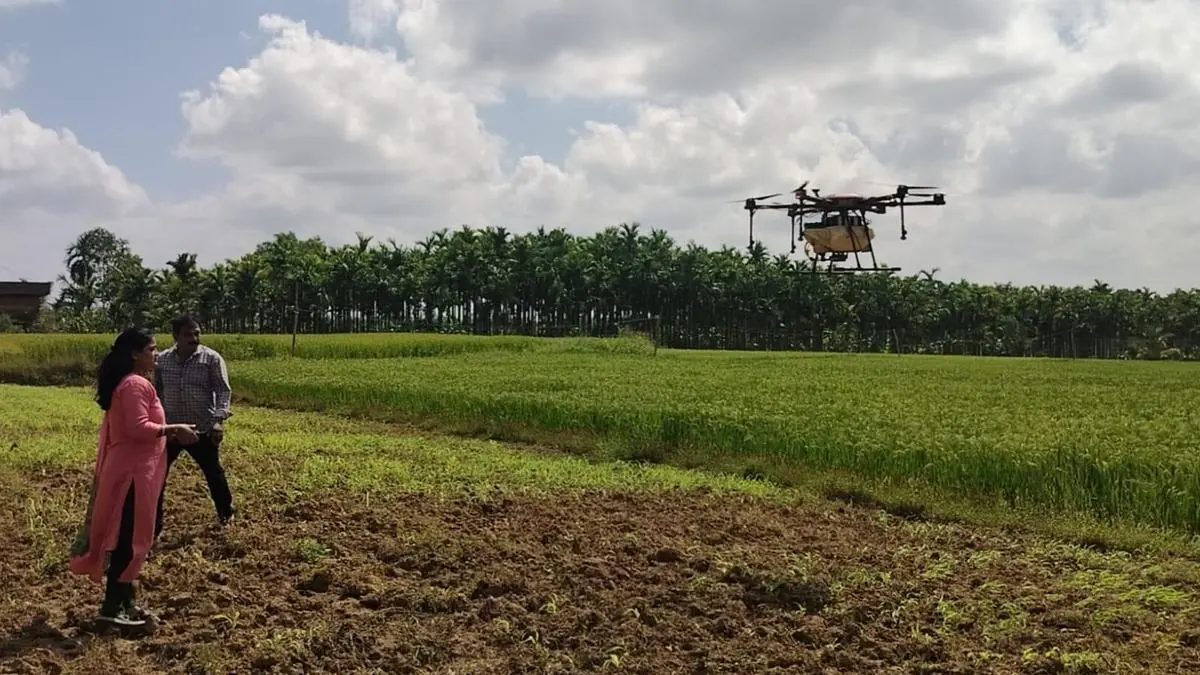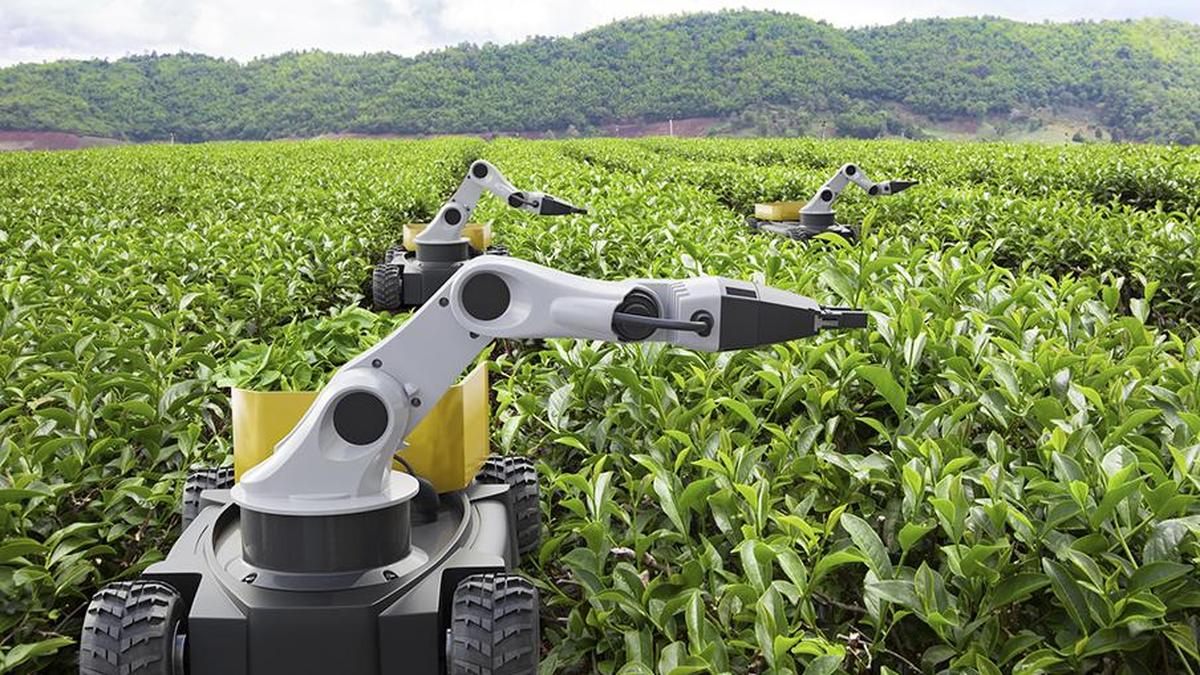
Indian agricultural robotics has had a remarkable run. Half a decade of generous venture capital, a string of celebrated funding rounds, and steady policy attention have built a sector the country can be proud of. Demonstration plots have been refined, ministers have visited, pitch decks have promised revolutions in yield and efficiency. The conviction and the capital have done their work. The next phase of this industry will be defined by a different test. Can the technology consistently pay for itself for the farmer who paid for it?That question was set aside for understandable reasons. Building hardware for Indian farm conditions is hard work, and most of the sector’s attention has gone into engineering and field readiness. The count of Indian startups working on precision spraying, autonomous weeding, robotic harvesting and AI-led farm management now runs into the hundreds. The progress on the technology side has been real. What has not kept pace is the conversation about unit economics at the farm level.Today, only a small number of these companies can point to repeatable unit economics in farmer hands. The one number that ought to sit at the centre of every product conversation, cost per acre, is the number least discussed in public. This is less a matter of intent than of habit. The sector grew up speaking the language of fundraising, and that vocabulary has gradually displaced the vocabulary of farming.Playing with high stakesThe pattern is visible in the words the industry uses. Acres piloted is reported more often than acres where farmers turned a profit. Total addressable market is invoked more readily than revenue per deployment. Patent counts get more attention than payback periods. In any business that habit is risky. In agriculture, where margins are thin and a season cannot be repeated, the stakes are higher. A farmer who has a poor first experience is unlikely to come back 12 months later for another.What the sector should converge on is a single, transparent metric. Cost per acre. Not the sticker price of the robot. Not the savings on a research farm. The all-in cost a farmer carries for every acre touched by the technology, weighed against the real savings in inputs, labour and yield. Solar quotes cost per kilowatt-hour. SaaS reports acquisition cost against lifetime value. Indian agritech has nothing comparable, and that gap is what allows companies to discuss their work without ever addressing the farmer’s economics.The truth on the ground is mixed, and that mix deserves to be taken seriously. On farms in Maharashtra and Andhra Pradesh, precision spraying has cut chemical bills by 50 to 60 per cent. On other farms, the same technology has lost those savings to maintenance, downtime and recalibration. Both stories are real. Both belong in the public record if the industry wants to grow up.Discerning phase setting inThe drone era offers a useful reminder. Between 2015 and 2020, dozens of Indian startups sold aerial imagery to farmers. The maps were striking, the decks sharper. But a stressed crop image from three hundred feet does not spray a weed or shave a rupee off the pesticide invoice. The companies that endured are the ones that moved from observation to intervention.Agriculture also runs on a clock no software business has to respect. Miss the spraying window by three days because of a sensor problem and the farmer has lost the season. A robot that performs in nine deployments out of ten and fails on the tenth, in peak pest pressure in a wet monsoon, has effectively failed entirely. No patch. No rollback. A 12-month wait.A more discerning phase is now setting in. Venture capital is becoming more selective. Farmers compare notes across villages, across mandals, across WhatsApp groups. Companies that can put a single, defensible number on the table will earn farmer trust and the durable businesses that follow. That is a healthy correction for an industry that matters to the country.India has 150 million smallholder farmers who cannot afford technology that does not pay for itself. That constraint is also the country’s strategic advantage. Hardware that proves its economics on a four-acre plot at price points measured in hundreds of rupees will travel to every market where farming runs on small holdings and tight margins, from Vietnam to Brazil to sub-Saharan Africa. Made in Bharat agricultural robotics has the chance to set a global benchmark, but only after it has earned that right at home. The hype era built the foundation. The accountability era will build the industry. It begins with one number. Cost per acre.The author is Founder & CEO, Niqo RoboticsPublished on May 16, 2026
The hype era is over: Agricultural robotics must now prove cost-per-acre value
Agricultural robotics in India must demonstrate cost-effectiveness to earn farmer trust and set a global benchmark.
767 words~3 min read