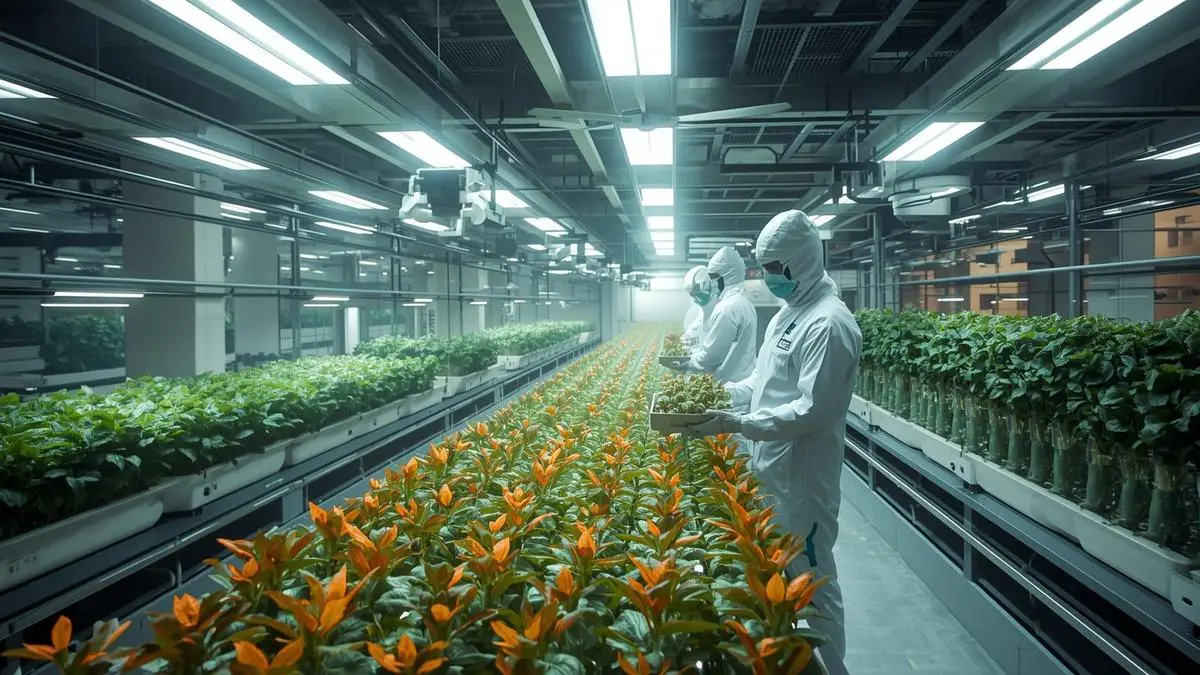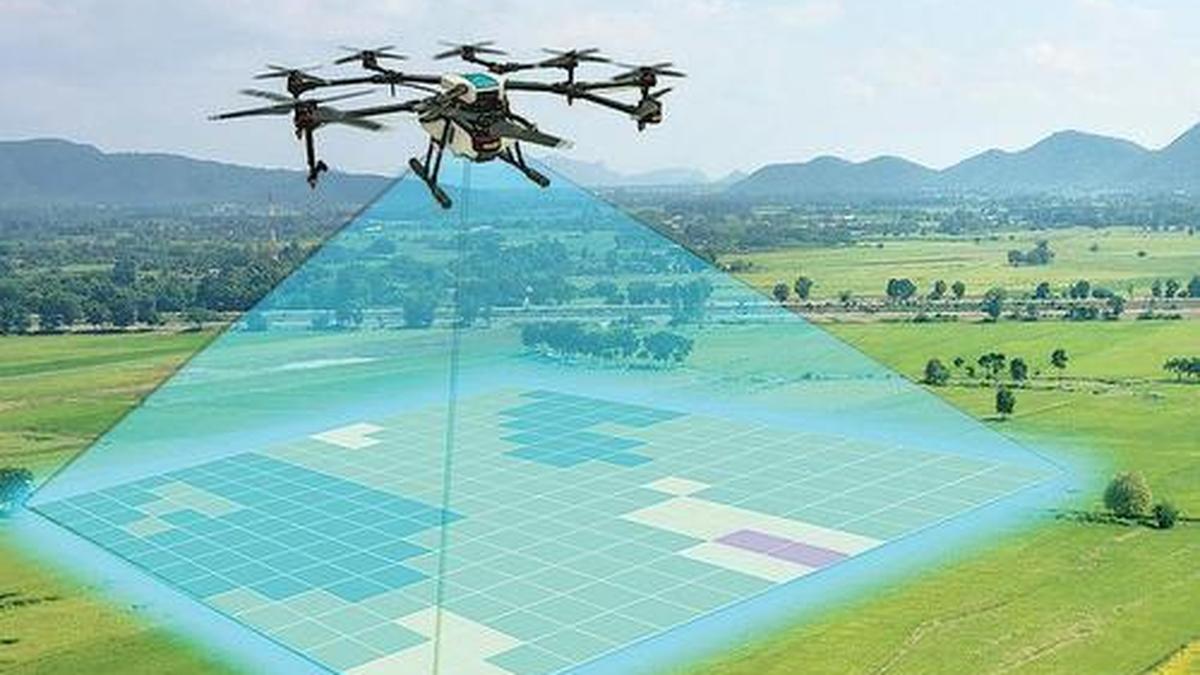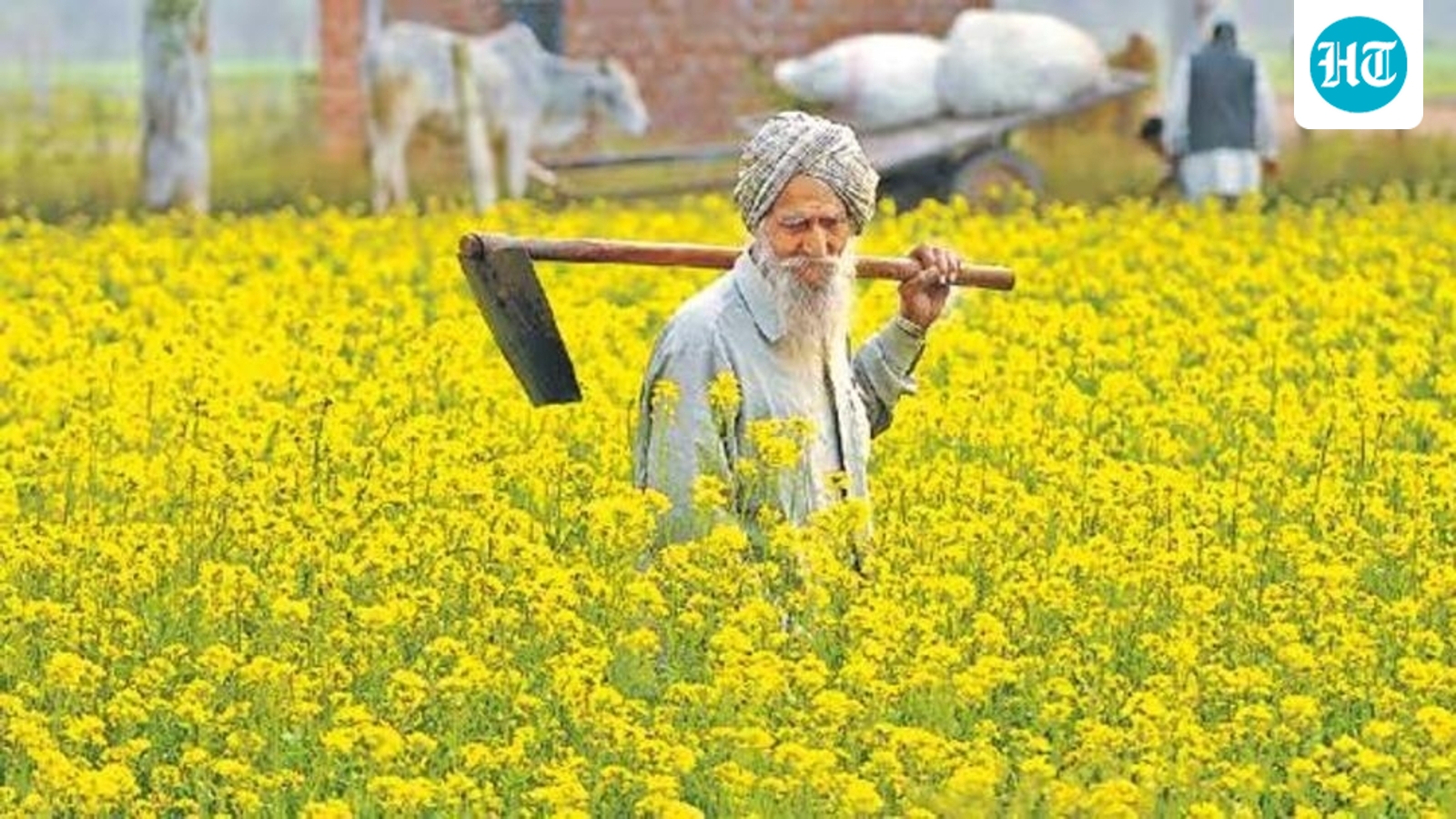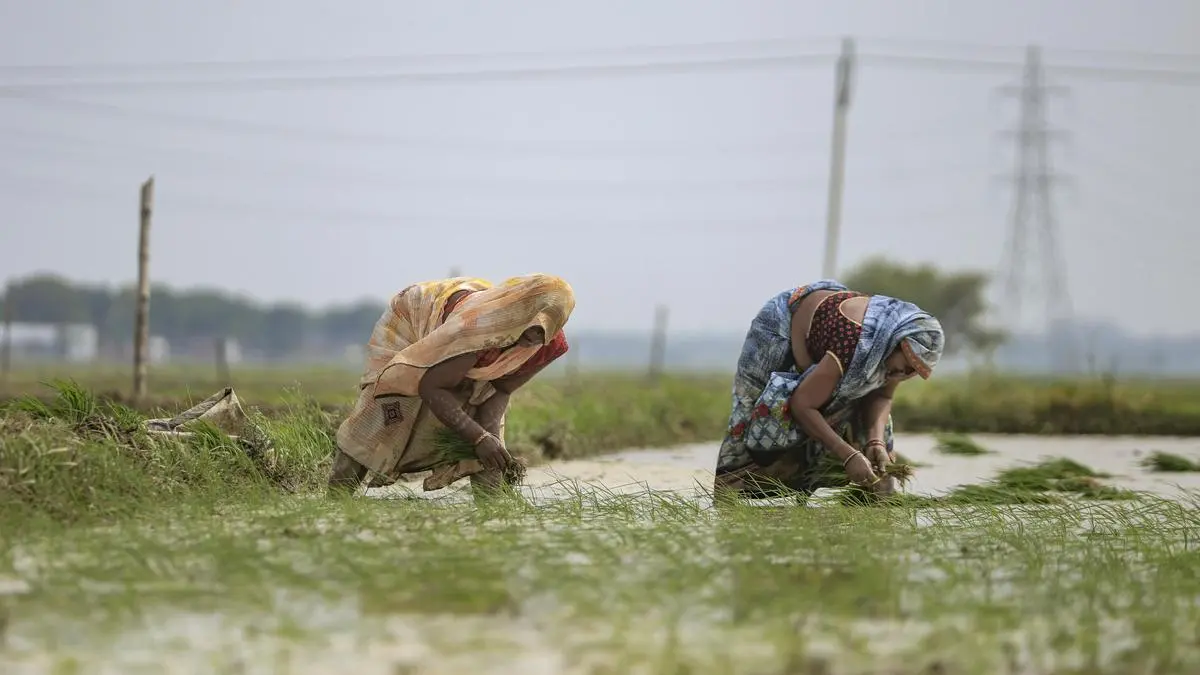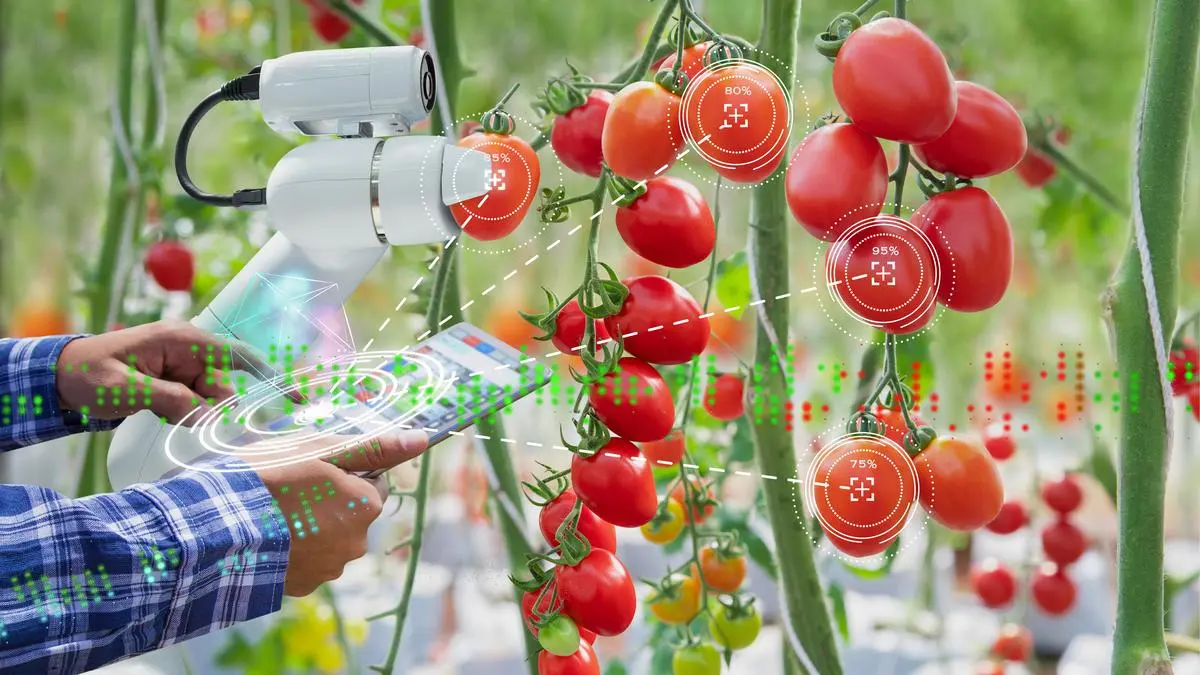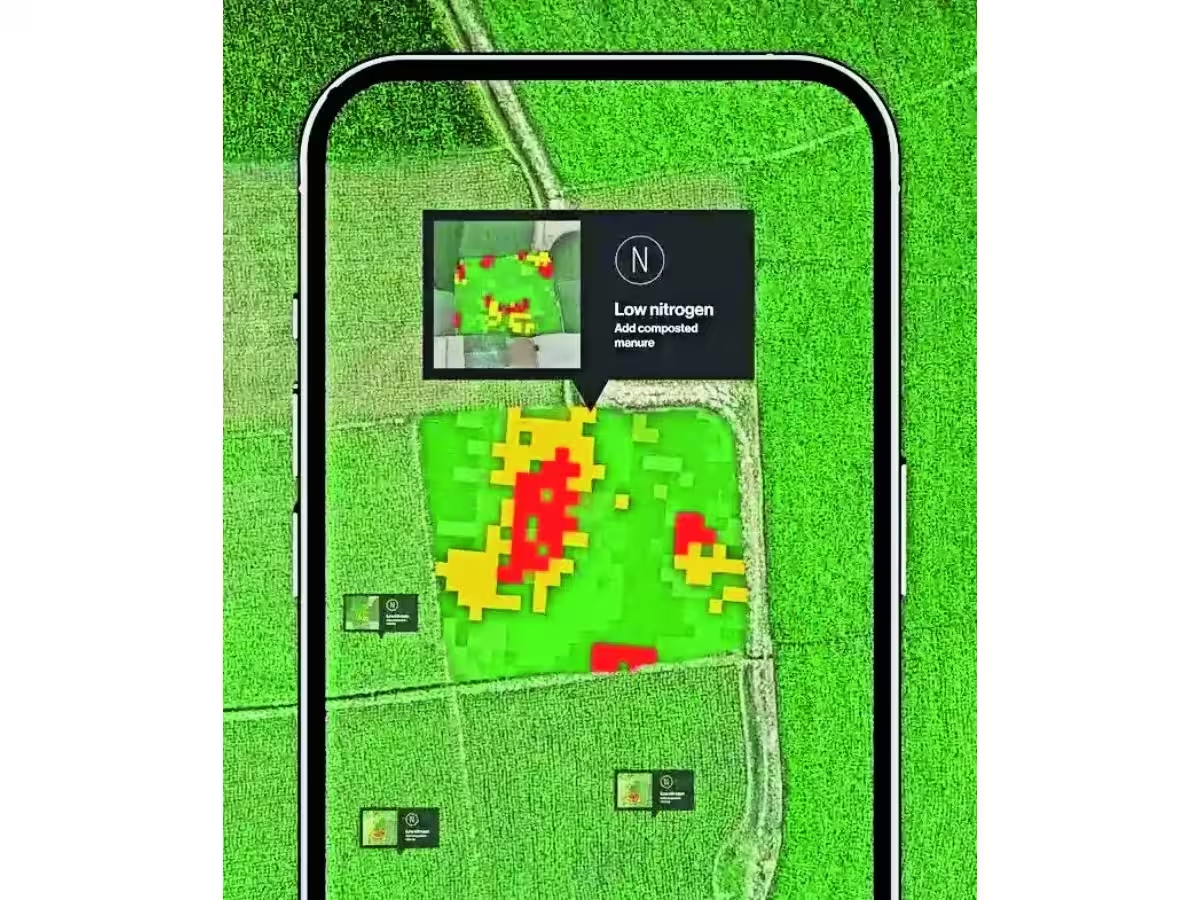
India’s agricultural landscape is evolving. What began as a technology-led efficiency push, be it digital marketplaces, weather apps, or soil-testing solutions, has now matured. It has grown into something far bigger: A reimagining of how a country of 1.4 billion people grows and consumes food. Beyond incremental improvements, the incoming stage of agritech is now set to be defined by the ability to build food systems that are climate-resilient, data-driven, and market-ready.AI in farming (Pixabay)The urgency is clear. Even though agriculture still employs nearly half of the national workforce, Indian farmers continue to face a myriad of challenges. Ranging from unpredictable weather and market volatility, to shrinking margins and rising input costs. For agritech to truly shift outcomes, innovation must move beyond apps and advisories. It must focus instead on reshaping the entire value chain, from soil to storage to supply chain to household nutrition. This next phase is already taking shape through four major trends in India’s food and agriculture ecosystem:Climate-smart food systems will define India’s farm future: The climate crisis is no longer a distant scenario for farmers. It is a day-to-day reality they cannot ignore. Not when irregular monsoons, heat stress, declining soil fertility, and disrupting agriculture, pushing India towards climate-smart production systems.This includes regenerative agriculture, water-efficient farming, and the adoption of climate-resilient seed varieties that allow farmers to grow more with less. What’s more India is transitioning from the idea of sustainability to climate-positive agriculture. A system where farming practices actively improve soil health and enhance biodiversity, while also increasing carbon capture over time.Such approaches are gaining substantial traction. Mainly because they reduce input costs, minimise risk, and secure long-term productivity, which makes them economically viable for small farmers.AI-powered farming and supply chains will move from optional to essential: The integration of AI into Indian agriculture has been fast and impressive. What once required field surveys, manual sampling, or guesswork can now be predicted from the sky.AI is now helping Indian farmers by forecasting yields and crop health, detecting pest outbreaks early, recommending timely nutrient applications, mapping water stress using satellite imagery, improving soil health monitoring, and strengthening farm-to-fork traceability.This is an approach rooted in data and is already delivering measurable results. Losses have been reduced, profitability is up, and a new air of transparency has been induced into the supply chain. As India moves towards greater quality consciousness, both for exports and informed domestic consumers, this AI-enabled traceability will become indispensable.Indian agritech innovations are being designed with accessibility in mind. Tools are now compatible with smartphones, advisories are being delivered in regional languages, and services are operating efficiently even on feature phones. In the years to come, this democratisation of technology is what will set India apart from other countries.Food is becoming more nutrition-led and purposeful: Indians are becoming more conscious of what they eat. Across the country, we can observe a vibrant discourse around long-term health. There is a rising demand for functional nutrition, with foods enhanced for immunity, metabolic health, gut health, and preventive care. This shift isn’t limited to affluent households. With an expansion in data coming from wearables, microbiome science, and health apps, future India will move increasingly towards personalised, purpose-led food.This means the demand for nutritious, biofortified, and speciality crops will grow. Farmers producing millets, pulses, oilseeds, and high-value horticulture will gain new opportunities, especially when supported by digital advisories and market linkages.Circular food ecosystems will become the new benchmark: India wastes a significant share of the food it grows. This is not due to excess production. We lack adequate storage, transport, and processing. Thus, the next priority for agritech will be circular ecosystems that can transform all waste into value.Upcycled ingredients, by-product utilisation, waste-to-energy systems, and carbon-neutral food operations are beginning to take root. These are environmentally beneficial and also open new revenue streams for farmers, processors, and local entrepreneurs.In an age where sustainability is a regulatory and consumer expectation, circular models will shift from good to have to must have. Affordability combined with sustainability will bring the real breakthrough. But can innovation remain affordable for small and marginal farmers? The answer lies in both scale and system design.When climate-smart practices and AI tools reach millions, the per-user cost drops dramatically. Reduced tillage, crop diversification, efficient irrigation, and various other sustainable practices lower long-term costs. In this way, sustainability, embedded across the value chain, brings the real breakthrough. One here farmers and consumers benefit without additional burden.Agritech in India is no longer a niche sector. It is now becoming the backbone of our food economy. With this foundation in place, our country has the scale, demographic dividend, entrepreneurial energy, and digital infrastructure required to build one of the world’s most future-ready agricultural ecosystems. The next phase of agritech evolution will be defined by how inclusively and intelligently we integrate technology alone. (The views expressed are personal)This article is authored by Amith Agarwal, co-founder & CEO, Staragri.
The next phase of India’s agritech evolution
This article is authored by Amith Agarwal, co-founder & CEO, Staragri.
817 words~4 min read