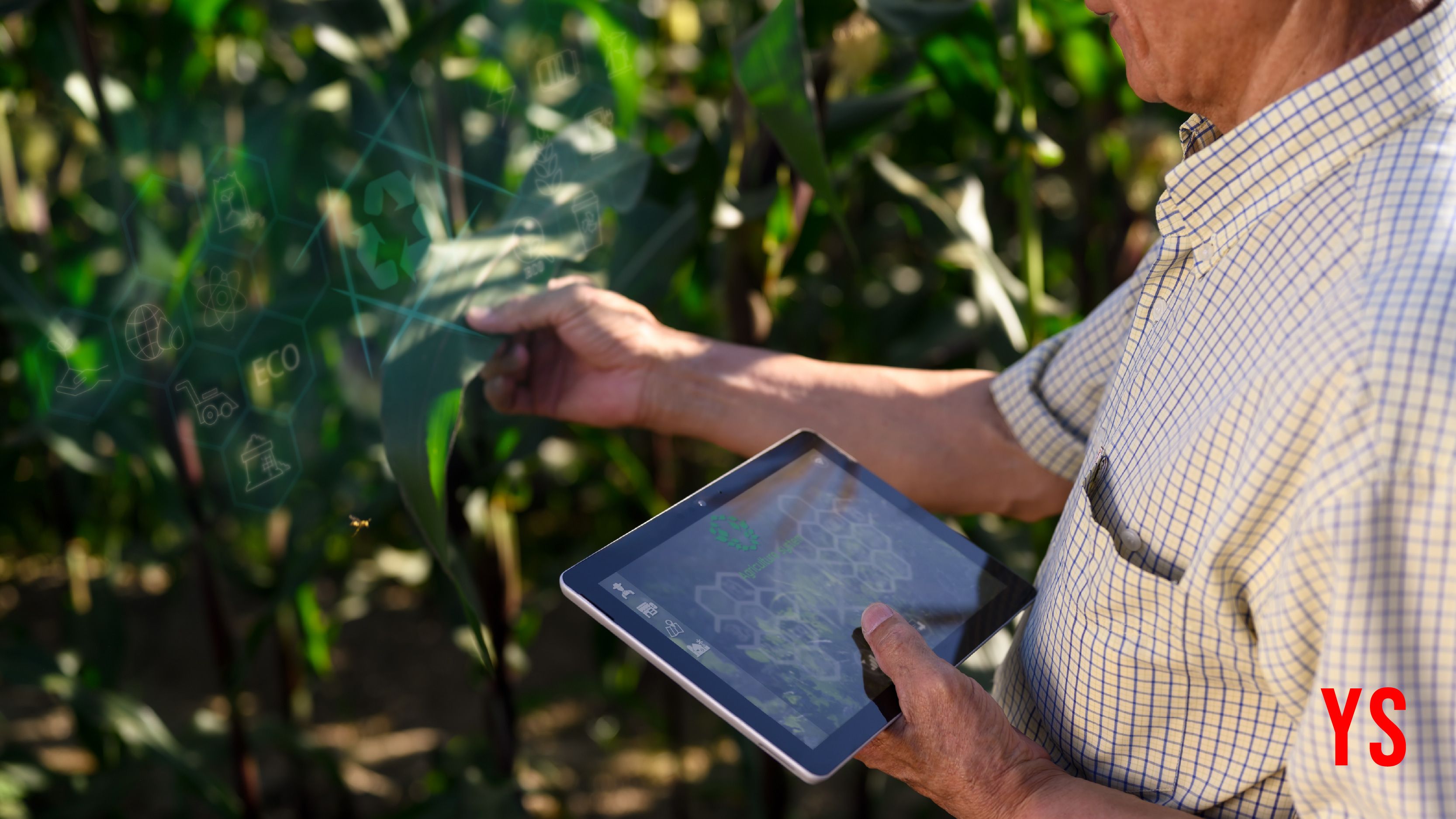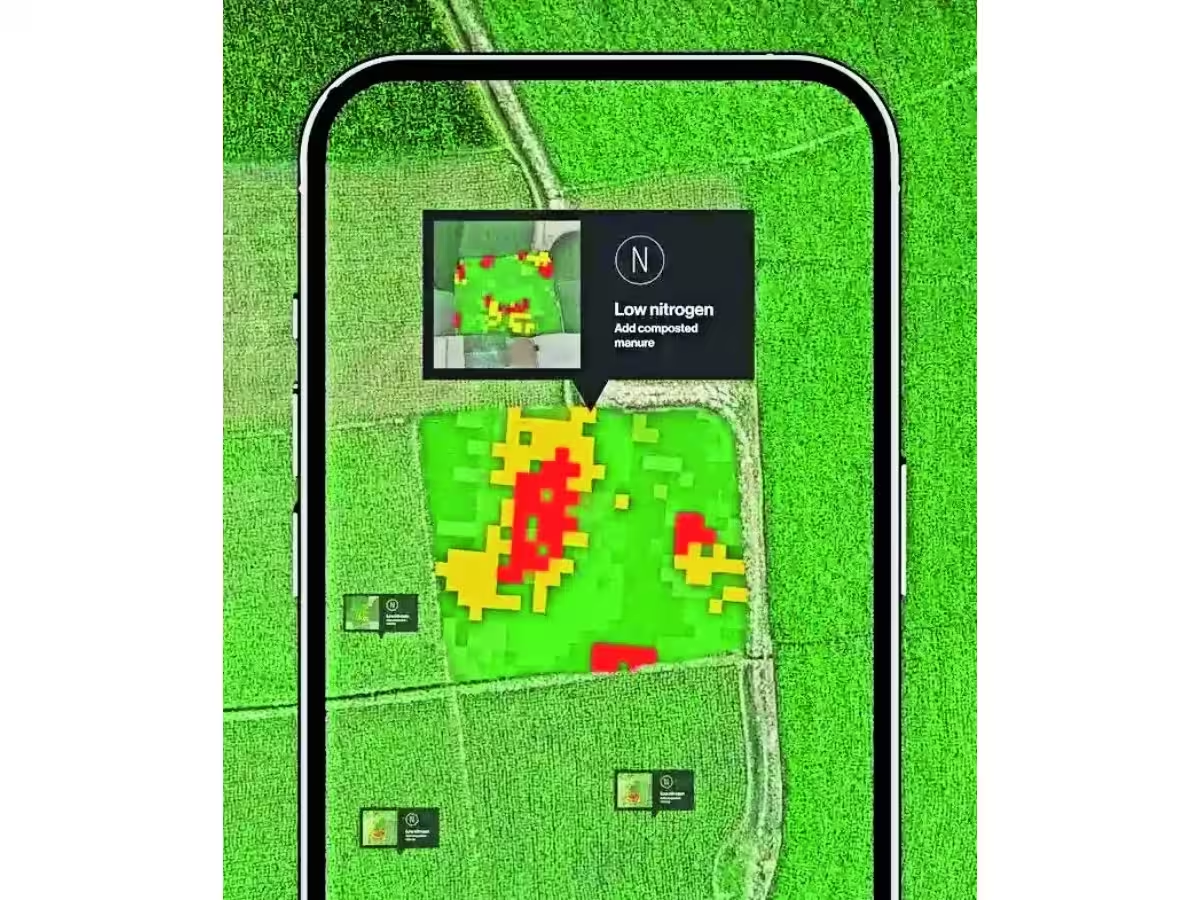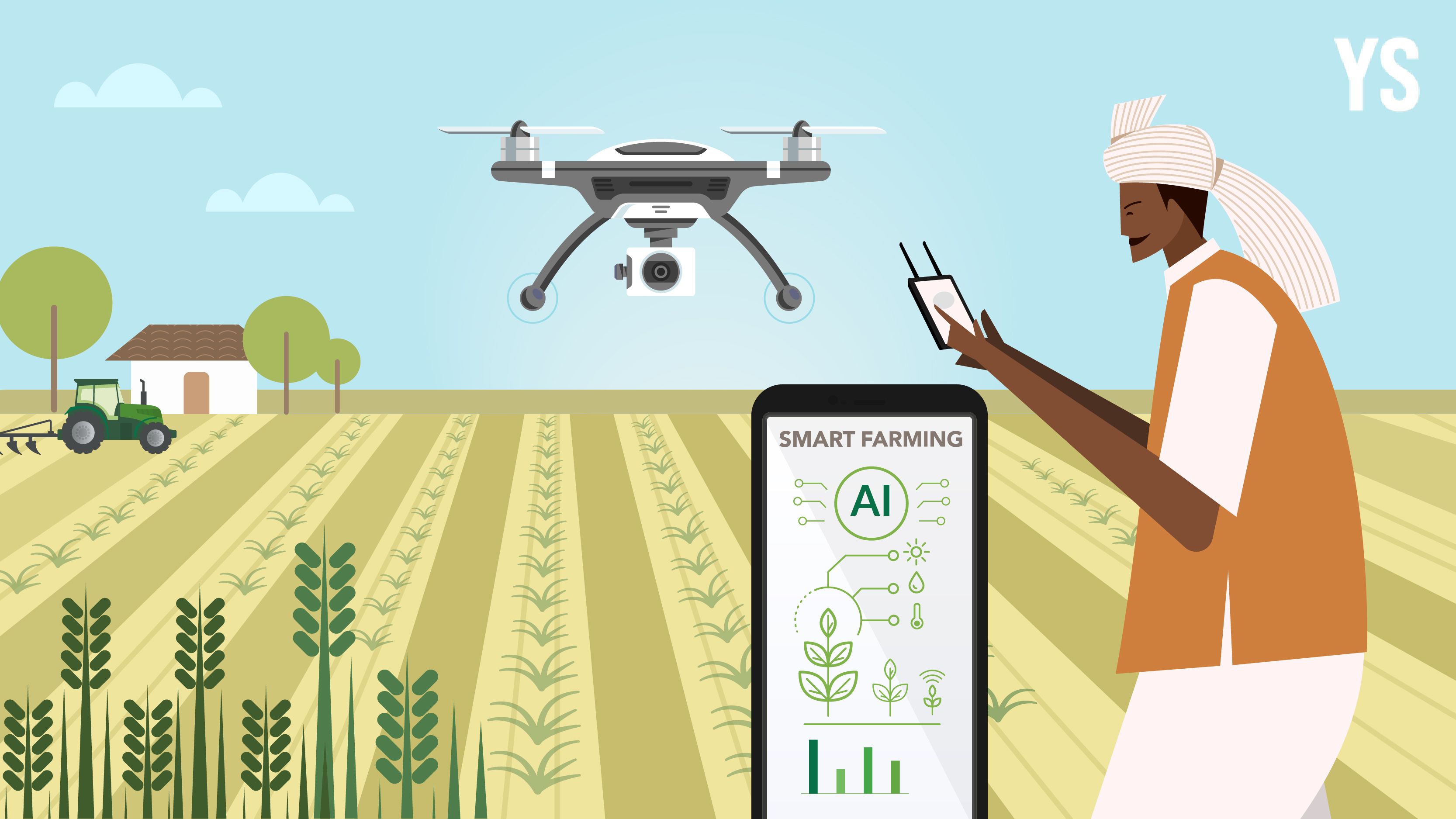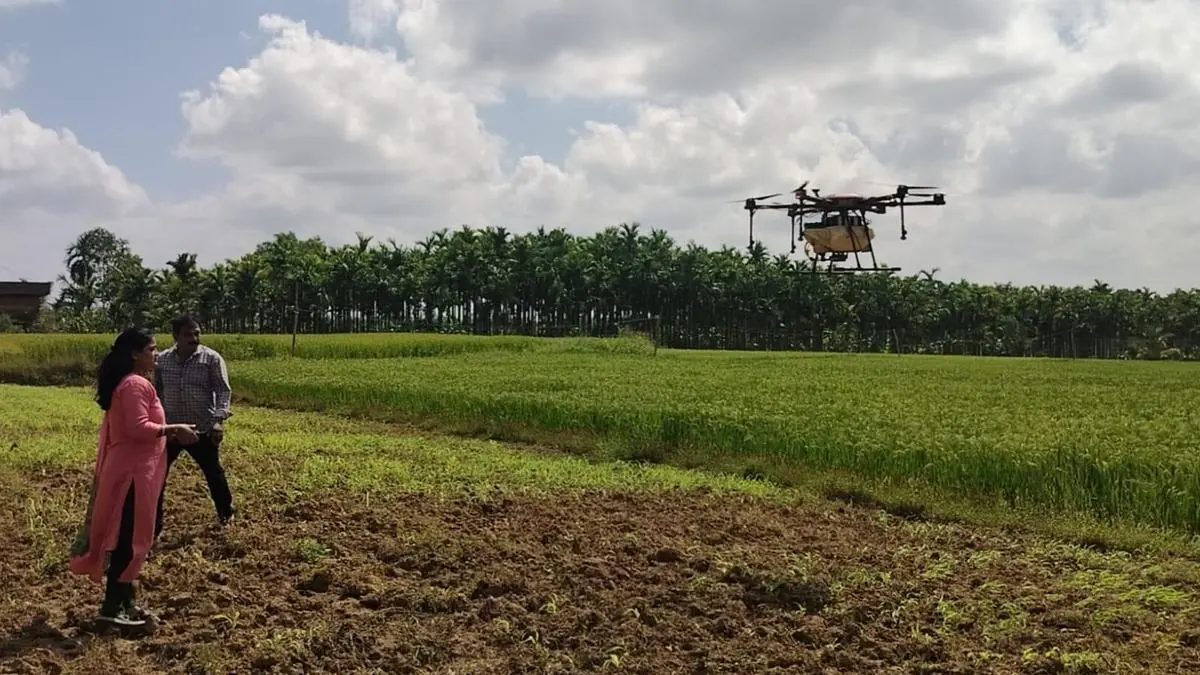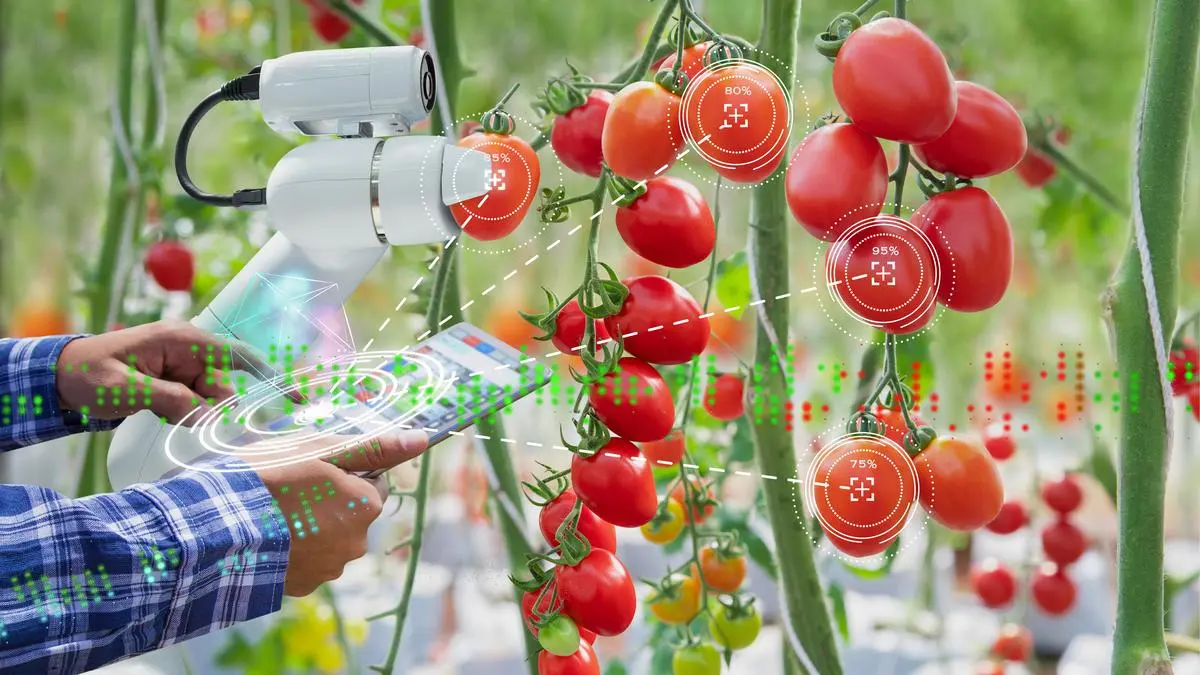
For decades, Indian farmers have depended on experience, intuition and local knowledge to make critical decisions: when to sow, when to irrigate, which pest to watch for, which input to buy and where to sell. That wisdom remains irreplaceable. But farming has become more uncertain. Input costs are rising, pests are spreading faster, and markets are volatile.This is where artificial intelligence can become a practical ally.AI is not about replacing the farmer. It is about giving the farmer a new kind of assistant. One that can read satellite images, understand crop photos, analyse soil and weather data, answer questions in local languages and suggest timely action.One of the most powerful uses of AI is simply answering farmers’ questions quickly. Government of India’s Kisan e-Mitra chatbot helps farmers get information on PM-KISAN and related scheme queries in multiple Indian languages. Instead of visiting offices repeatedly or depending on intermediaries, farmers can ask questions digitally and get guidance on eligibility, payment status and grievance redressal.Biggest challengeAI tools can also perform crop diagnosis. Some apps allow farmers to take a photo of a diseased crop and receive a diagnosis and treatment suggestion within seconds. They act like a “crop doctor” on the phone. For a small farmer who may not have quick access to an agricultural expert, this can save valuable time. AI-based image recognition also helps identify pests and diseases early, reducing crop loss and unnecessary pesticide use. India is also using AI for broader pest monitoring through the National Pest Surveillance System.Water is one of the biggest challenges in Indian agriculture. AI-enabled precision farming platforms use sensors, weather stations and farm-level data to guide irrigation, fertigation and disease-risk decisions. By monitoring soil moisture, temperature, humidity, rainfall and leaf wetness, they help farmers use water more efficiently while protecting crop health.AI is also helping farmers indirectly by improving access to credit and insurance. Satellite service companies use satellite imagery, climate data and AI models to help banks assess farm productivity, crop health and risk. This can improve lending decisions and make formal finance more accessible for small farmers.Farmers do not only need better production. They also need better market access. Some platforms are building AI-enabled technologies that connect farmers with inputs, advisory services, buyers and other support. AI can also help predict demand, improve logistics, reduce wastage and strengthen market linkages.Making tools affordableThe future farmer will also need to manage climate risk more effectively. AI can combine weather data, satellite imagery, crop models and local farm information to provide early warnings on disease risk, crop stress and adverse weather. Some platforms are using AI-driven agrifood intelligence to support better farm-level decisions.For AI to work in Indian agriculture, it must be simple, voice-enabled and available in Indian languages. Farmers do not want dashboards full of complex charts. They need practical answers: What is happening to my crop? Should I irrigate today? Which pest is this? How much fertilizer should I use? Has my PM-KISAN payment come? Where can I sell at a better price?AI in agriculture is promising, but it must be deployed carefully. Advice must be reliable, built on Indian agricultural data and local farming practices. AI tools must also be affordable, protect farmers’ privacy and complement extension workers. Ultimately, AI should be judged by real outcomes: higher income, lower costs, lower risk and better resilience.The most meaningful role of AI in Indian agriculture is not automation for its own sake. It is empowerment. AI can help farmers diagnose problems faster, use water and fertiliser better, access government schemes more easily, secure credit, reduce crop risk and connect with markets. India’s agricultural transformation will come from combining farmer wisdom, scientific knowledge, digital public infrastructure, local-language technology and trusted field networks.The author is Co-Founder, AI4IndiaPublished on July 5, 2026
Empowering farmers: How AI is making Indian agriculture smarter, simpler and more profitable
India’s agricultural transformation will come from combining farmer wisdom, scientific knowledge, digital public infrastructure, local-language technology and trusted field networks
626 words~3 min read