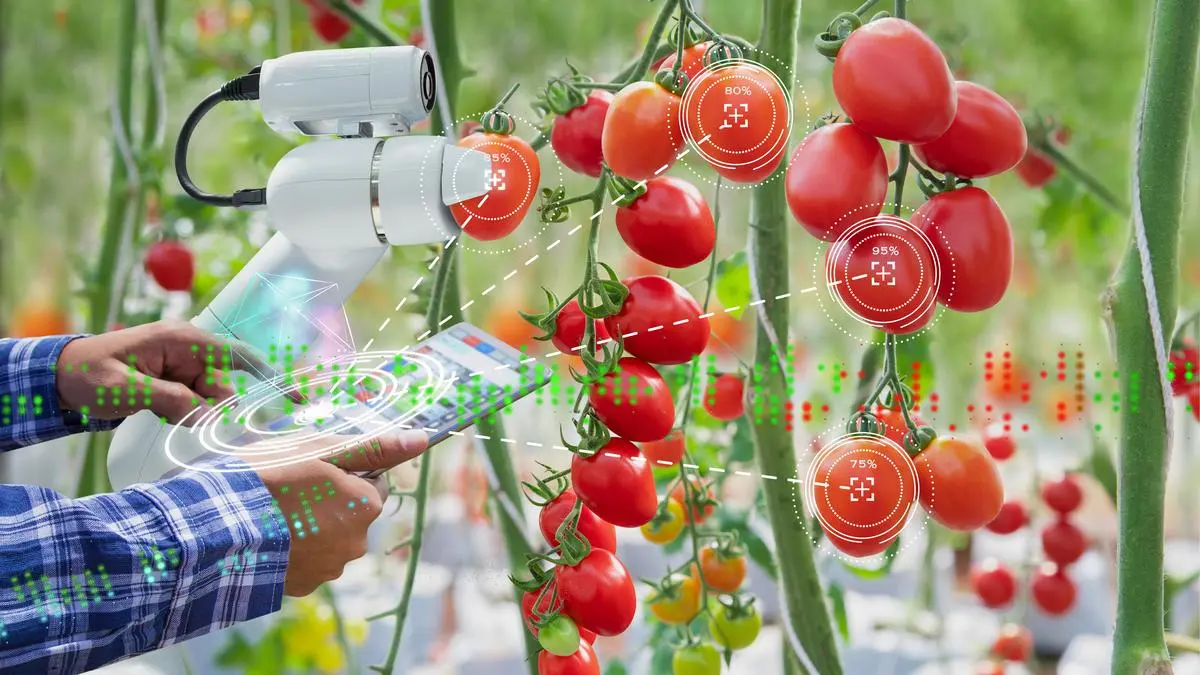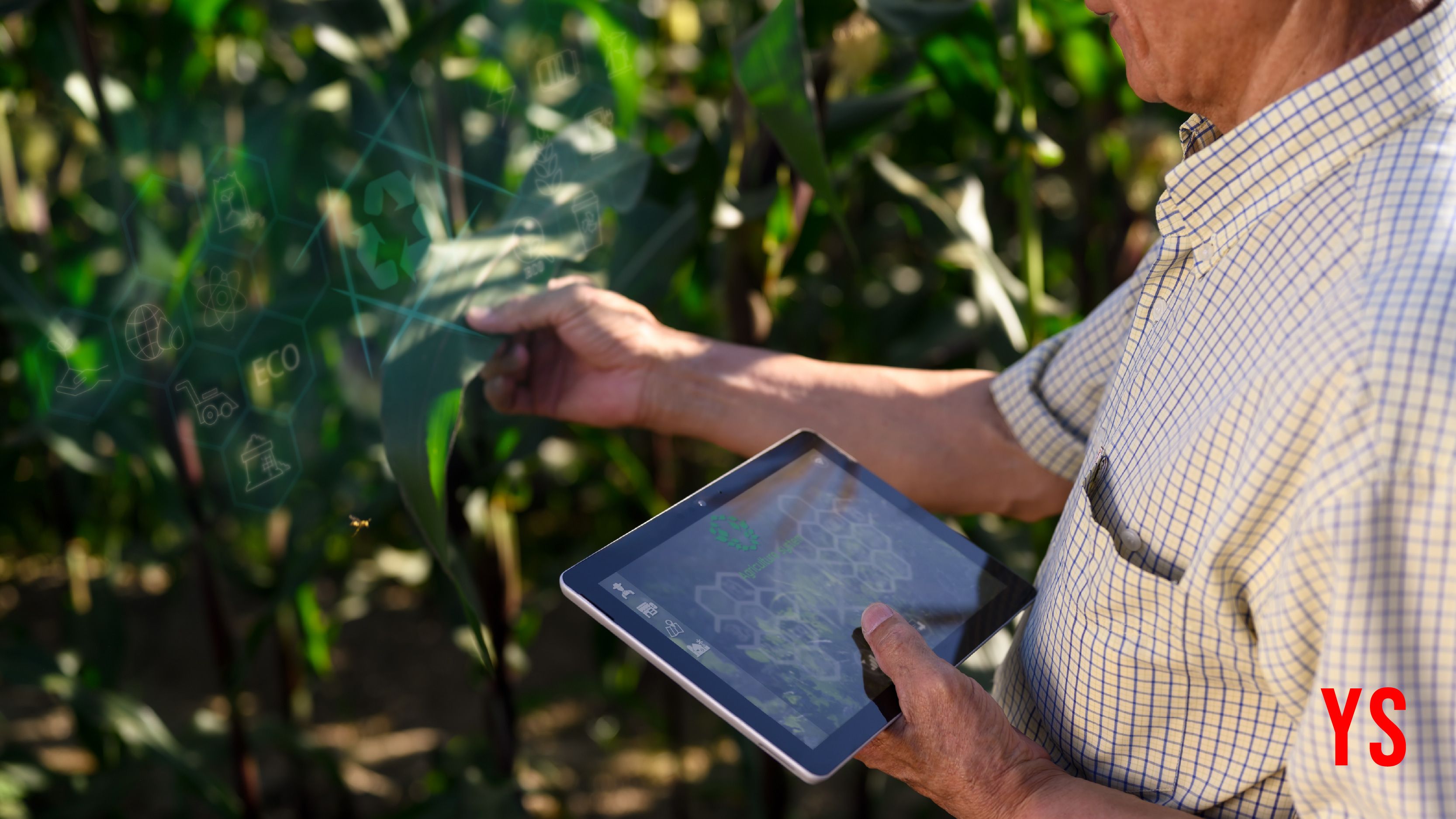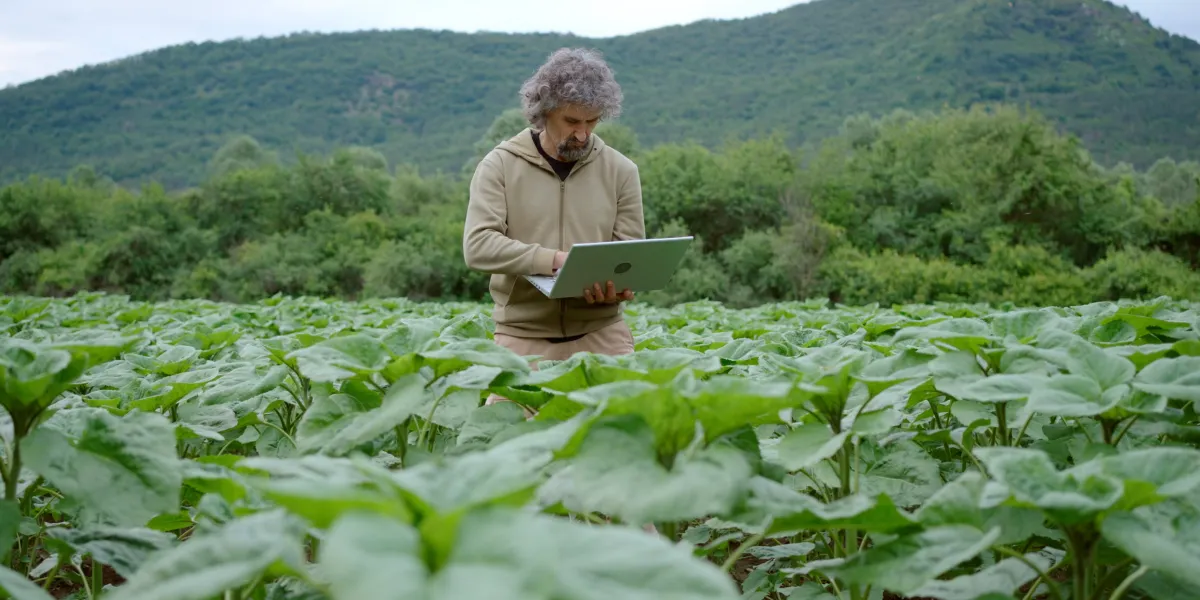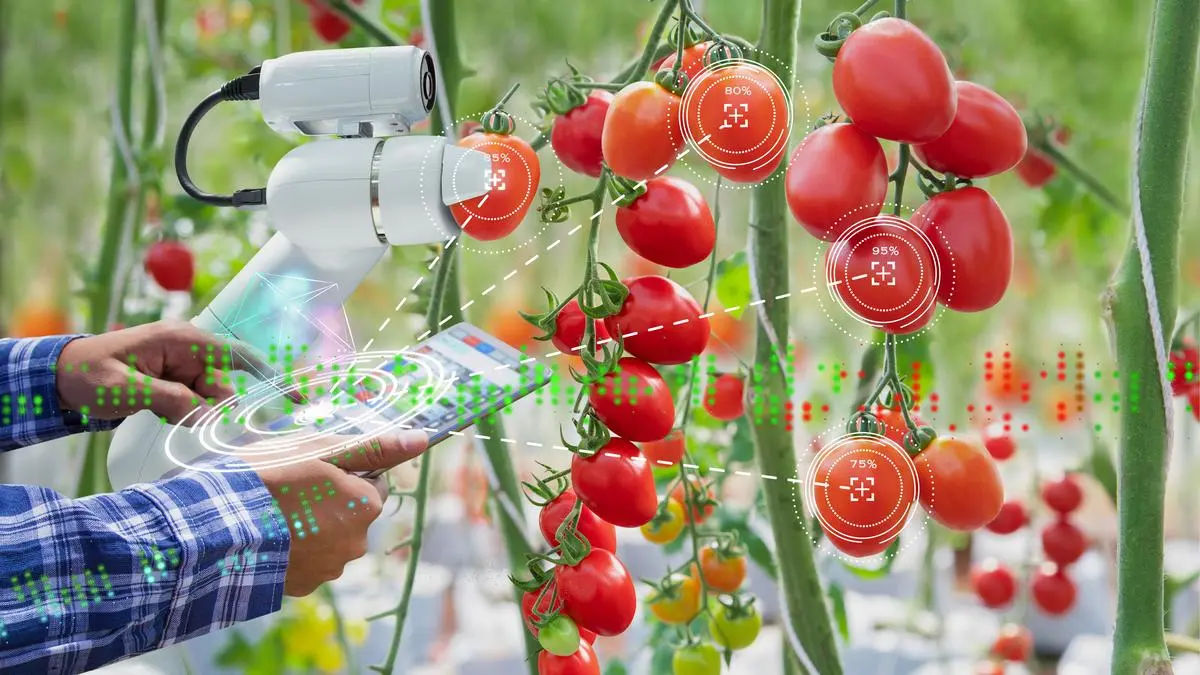
For most of Indian agriculture’s history, the data available to support harvesting decisions have been thin, delayed, and generic. AI is now beginning to change the information environment that farmers operate in, and the shift from backwards-looking data to real-time predictive farming is one of the more significant technological transitions happening in any sector of the Indian economy right now.From historical averages to live intelligenceThe fundamental limitation of traditional agricultural data is not its inaccuracy. It is its timing. A crop survey that tells a farmer what yields looked like last season is useful context. It is not a decision-making tool. By the time field survey data is collected, aggregated, and distributed, the season it describes is already over.AI-powered decision support systems work on an entirely different timeline. By processing satellite imagery, hyper-localised weather feeds, and soil property data simultaneously, these systems build a picture of what is happening in a specific field, right now, rather than what happened across a region, months ago. Lightweight transformer models, built to handle large and varied datasets without requiring expensive computing infrastructure, can detect changes in crop stress, soil moisture, and canopy health that no field survey could catch in time to act on.Precision where it countsVariable-rate seeding, where a planting system adjusts seed density based on a field’s soil variability map, means that inputs go where they will generate yield, not uniformly across a field that is rarely uniform in its productive capacity. Nutrient mapping works the same way: fertiliser applied where the soil profile supports uptake, withheld where it would leach rather than feed the crop.Computer vision applied to remote crop monitoring adds another layer. AI systems trained on satellite and drone imagery can now identify early-stage weed pressure, nutrient deficiencies, and disease signatures weeks before physical symptoms appear to the human eye. The downstream effect of precision at this level is not just yield improvement. It is the ability to segment a field by maturity zone and time harvest to capture peak crop grade, which translates directly into better market prices.Climate risk as an operational problem, not a policy oneIndia’s farmers are already living with the consequences of a more volatile climate. AI reframes the response to this from a long-term adaptation challenge to an immediate operational one. Predictive models that calculate crop stress indices in real time can trigger automated irrigation adjustments when a heatwave is forecast, rather than waiting for the damage to show up in the crop. Sensor-backed yield predictions, verified against satellite data, give farmers a documented basis for forward-contracting their produce at better prices and for accelerating crop insurance claims without the delays that have historically made PMFBY less accessible than it should be.The last mileThe farmer who most needs a better information environment is also the one least likely to have access to it under a high-cost, high-complexity deployment model. The technology side of this problem is being solved through affordable IoT hardware and open data standards that make sensor networks viable at the small-farm scale. The advisory side is being solved through multilingual, voice-enabled platforms that translate satellite data and AI analysis into plain-language guidance that a farmer can act on without needing to understand the model behind it.The loop that improves itselfEvery season that a predictive model runs over a region, it absorbs new data. The regional precision of these systems compounds over time in a way that a static advisory bulletin never could. The decisions made in India’s agricultural sector every morning are not small ones. Giving people better information is not a technology project. It is one of the most direct routes to economic resilience that the country has available to it.The author is Practice Head, Agritech Division at [x]cube LABSPublished on July 19, 2026
Can AI predict your harvest? Understanding how farmers are using data to reduce risk
Giving people better information is one of the most direct routes to economic resilience
625 words~3 min read