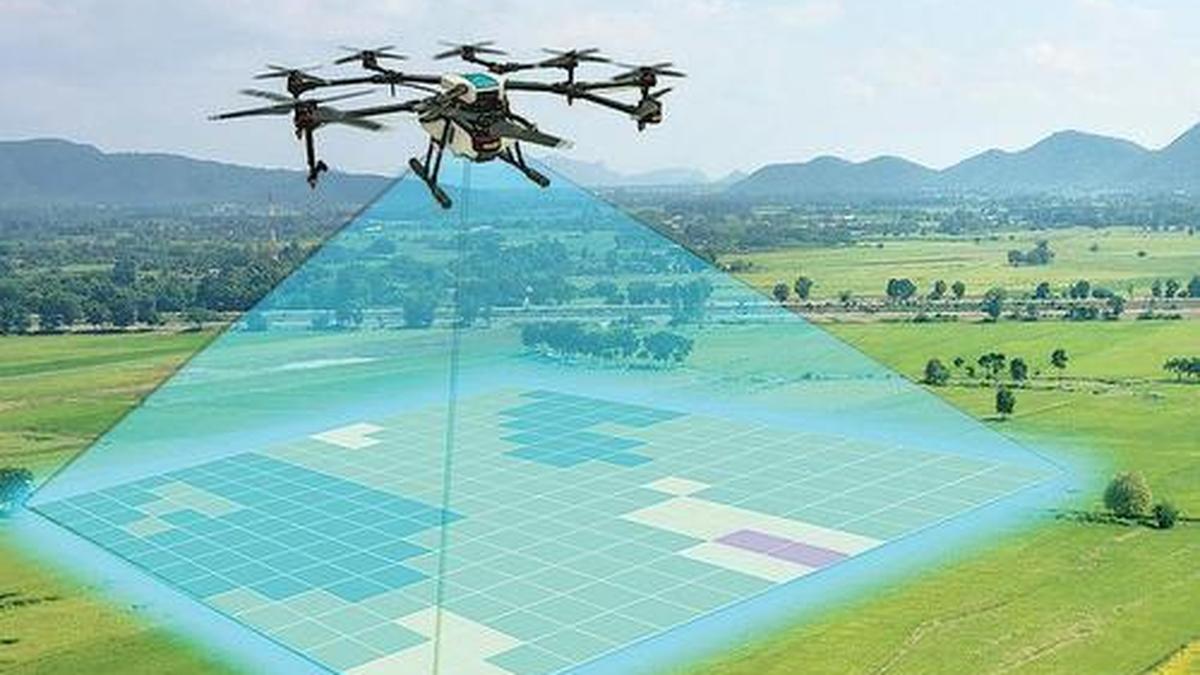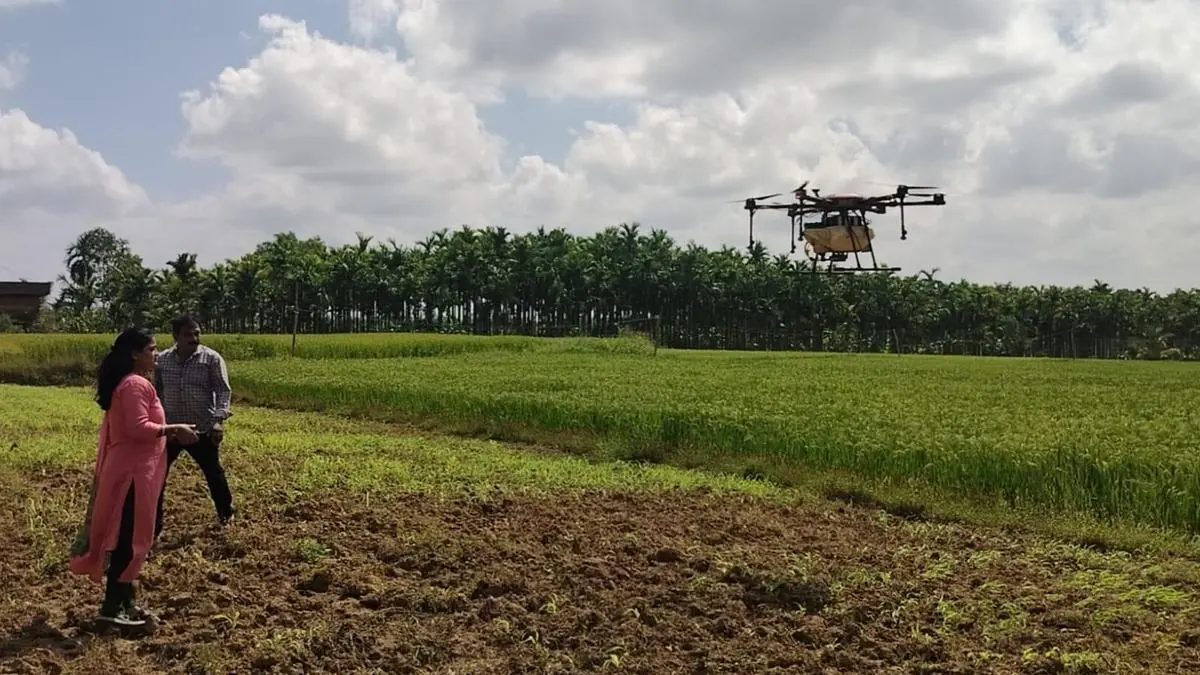
For years, agriculture investments in India were largely centred on seeds, fertilisers, pesticides and irrigation support. Those areas still matter, but investor conversations are gradually shifting toward something very different: intelligence-driven farming. Today, drones are no longer being viewed only as flying machines for spraying crops. They are increasingly becoming data tools that can help farmers make faster, sharper and more cost-effective decisions.From a start-up and investment perspective, this change is important because agriculture is moving from input-heavy farming toward precision-led farming. And investors are beginning to see long-term value in technologies that improve efficiency rather than simply increasing input consumption.Farming is becoming more data-ledOne of the biggest changes in Indian agriculture is the growing use of real-time farm intelligence. Drones equipped with cameras and sensors are now being used to monitor crop health, identify pest attacks, detect water stress and assess nutrient deficiencies before the damage becomes visible to the human eye.This shift is especially relevant for India because a large part of the country’s agriculture sector still operates on small and fragmented landholdings, with the average farm size being close to five acres. In such conditions, smarter mechanisation and precision-led technologies like drones become far more practical and effective, helping farmers improve productivity, reduce wastage and manage resources more efficiently without requiring large-scale infrastructure.Investors are paying attention because precision agriculture creates measurable outcomes. A drone can spray an acre in under 10 minutes while also reducing pesticide usage by 30–40 per cent and water consumption by up to 90 per cent. For agri businesses, that directly translates into lower operational costs and improved efficiency.Why the investment narrative is changingThe interest around agri-drone startups is no longer driven only by technology excitement. Investors are beginning to look at drones as infrastructure for the future of farming.The India agriculture drones market reached $302.3 million in 2025 and is expected to grow to nearly $2.18 billion by 2034, with a CAGR of 23.84 per cent between 2026 and 2034. Those numbers reflect more than market expansion. They indicate that agriculture technology adoption is slowly moving from pilot projects to scalable use cases.What also makes this sector attractive is that drones solve multiple problems together. They reduce dependence on labour during peak farming seasons, improve application accuracy and support better resource management. In a country where climate uncertainty and rising cultivation costs continue to affect farmers, technologies that improve decision-making are gaining stronger investor confidence.From the perspective of the larger start-up and investment ecosystem, this is where the long-term opportunity lies. Investors today are not only evaluating whether a product can sell, but whether it can become part of a larger, recurring ecosystem around agriculture services, rural entrepreneurship and data-led farm management.The rise of the drone-as-a-service modelOne of the more practical developments in this space is the emergence of the Drone-as-a-Service (DaaS) model. Instead of expecting farmers to purchase expensive drones outright, start-ups and service providers are offering drone spraying and monitoring services on a pay-per-use basis.This model works far better for India’s agricultural structure because small and marginal farmers often cannot afford ownership costs or technical maintenance. DaaS allows them to access technology only when required, without large upfront investment. The policy environment is also helping. Under the Namo Drone Didi initiative, 1,094 drones have already been distributed to women self-help groups, including more than 500 drones specifically under the scheme. In parallel, over 2,122 drones were approved under Sub-Mission on Agricultural Mechanization between 2023-24 and 2025-26 to support farmers and Custom Hiring Centres.What stands out here is that drones are not only creating agricultural efficiency. They are also creating rural service entrepreneurs, pilot training opportunities and new income channels within villages.Final thoughtsThe future of agriculture may not depend only on how much input reaches the farm, but on how intelligently the farm operates. That is the larger shift investors are recognising today.Drone-powered farm intelligence sits at the intersection of agriculture, AI, data and rural entrepreneurship. For investors, this is no longer just an agri-tech trend. It is becoming part of a much broader transformation in how farming productivity, sustainability and profitability are being reimagined for India’s future.The author is Group Managing Director, BizDateUpPublished on May 23, 2026
Why investors are moving from farm inputs to drone-powered farm intelligence
For investors, it is becoming part of a much broader transformation in how farming productivity, sustainability and profitability are being reimagined for India’s future
697 words~3 min read