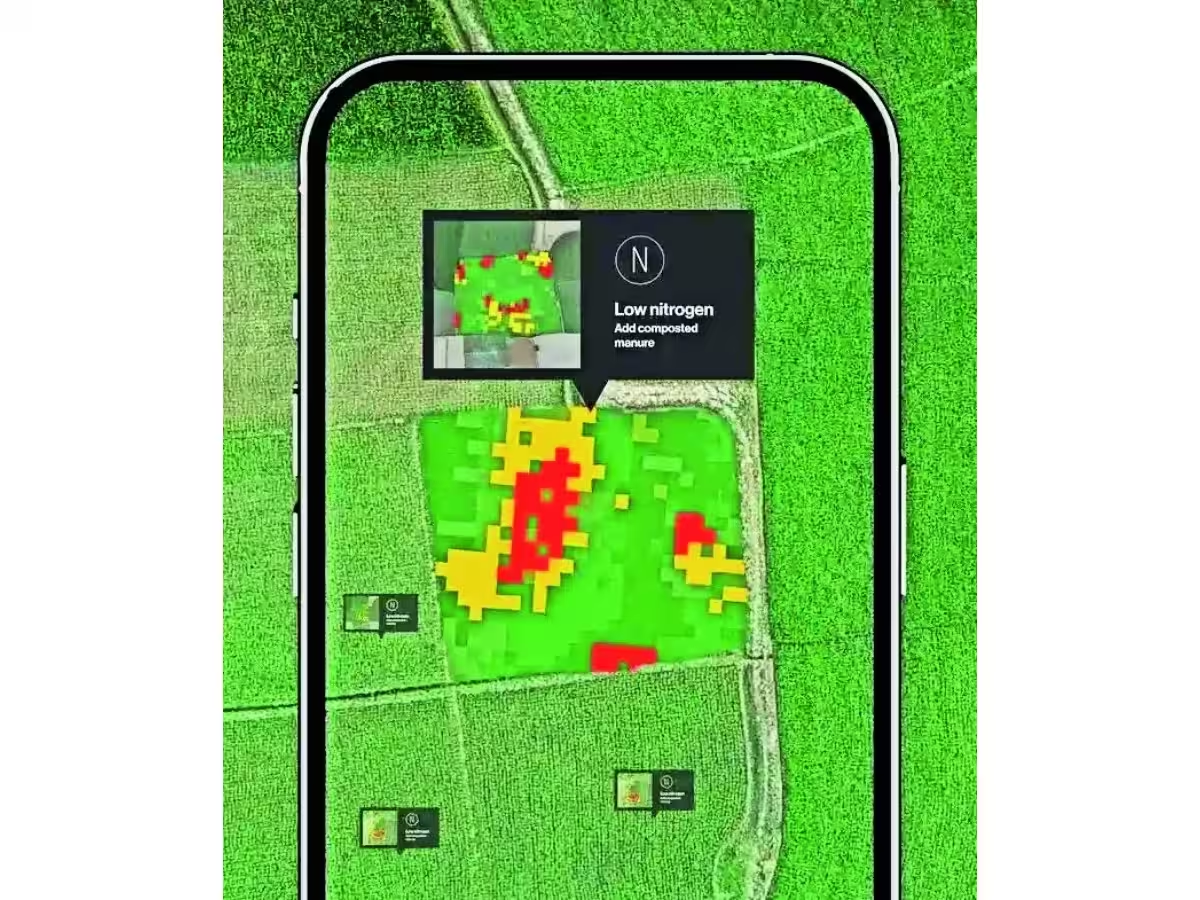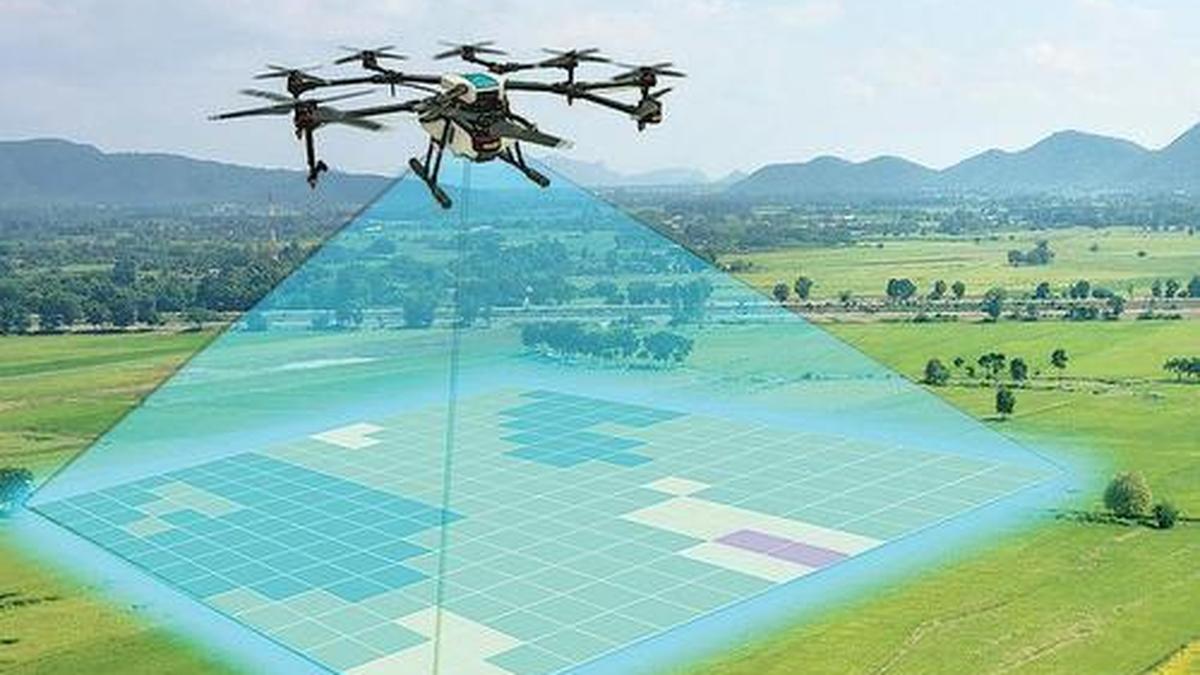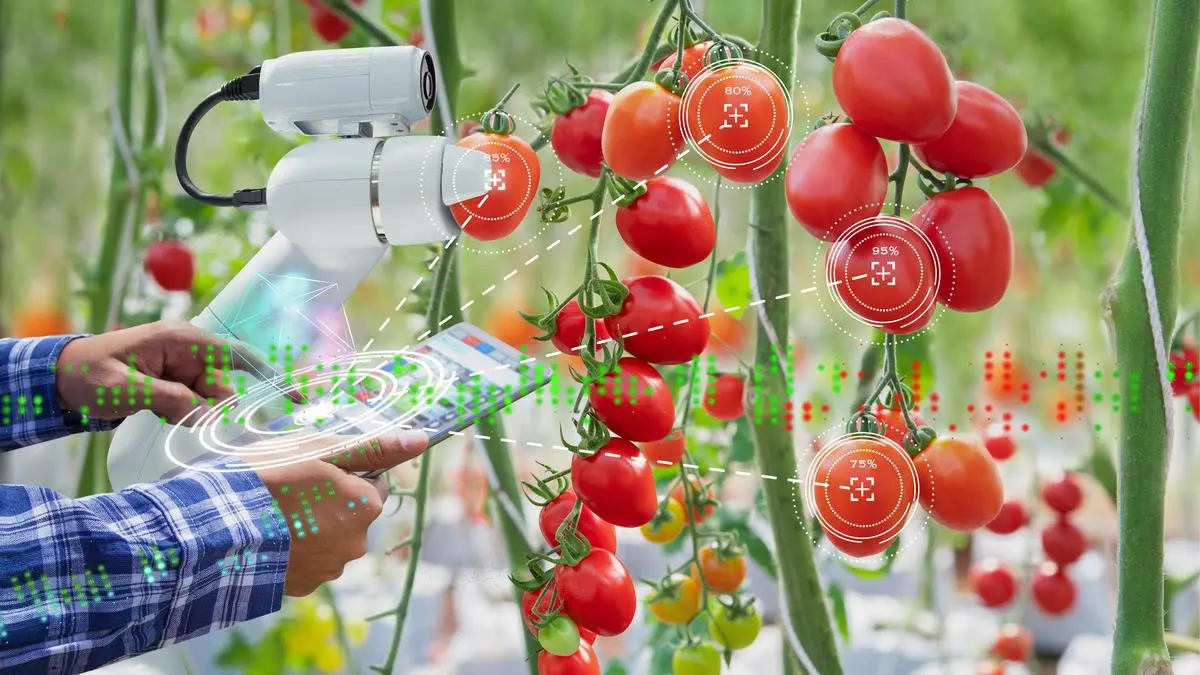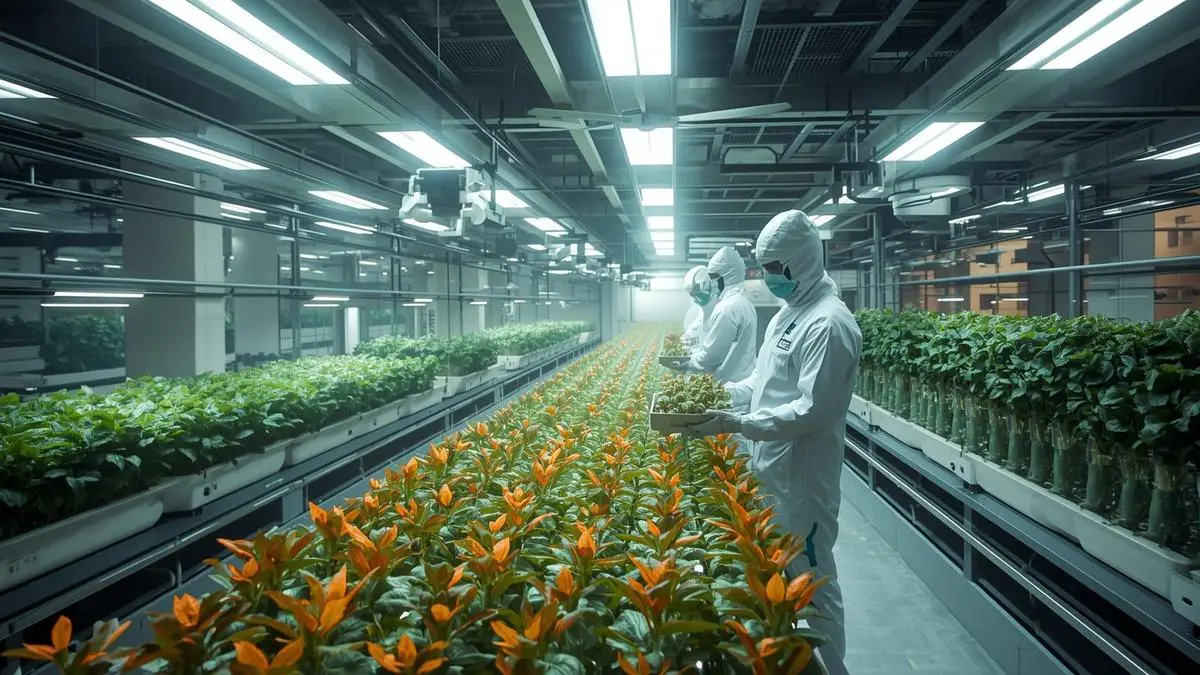
India’s agricultural sector is entering a defining phase of transformation. Climate variability, changing consumption patterns, resource constraints, and the growing need for food security are accelerating the adoption of technology across the agricultural value chain. Yet, the true measure of progress is no longer the sophistication of innovation itself. It is the ability to ensure that innovation delivers meaningful outcomes for farmers.Over the past decade, India’s agritech ecosystem has evolved rapidly. Artificial intelligence, satellite imagery, precision agriculture, IoT-enabled sensors, drones, biotechnology, and controlled-environment farming are changing the way food is grown, monitored, and distributed. The next phase of India’s agritech journey will depend on the ability to execute innovation consistently across millions of farmers, diverse geographies, fragmented landholdings, and varying levels of digital readinessScaling innovation requires disciplined executionIntroducing new technology is only the first step. Long-term impact depends on whether solutions fit seamlessly into the realities of farming. They must be affordable, accessible, locally relevant, and capable of delivering measurable value. Whether it is precision irrigation, AI-powered crop advisory, or a digital marketplace, adoption ultimately depends on trust and the confidence that these solutions will improve livelihoods over time.The real challenge now is scaling these innovations across India’s agricultural landscape. That requires close coordination between technology providers, governments, agri-input companies, financial institutions, Farmer Producer Organisations (FPOs), researchers, and local communities. Success is no longer about deploying a solution; it is about creating an ecosystem where innovation can consistently deliver outcomes at scale.Building connected agricultural ecosystemsIndia has already demonstrated what is possible when innovation is supported by disciplined execution. Digital public infrastructure has transformed financial inclusion and digital payments at an unprecedented scale. A similar ecosystem-led approach can help agriculture improve productivity, transparency, and resilience by connecting farmers with markets, finance, advisory services, and climate intelligence.India’s agritech sector continues to attract investment across precision farming, farm mechanisation, biological inputs, climate-smart agriculture, and supply chain digitisation. Collaboration between startups, research institutions, agribusinesses, and policymakers is creating stronger pathways for innovation to move beyond pilot projects and into large-scale implementation.Future-ready talent will drive the next phase of growthTechnology alone cannot transform agriculture. People will remain at the centre of this transition. Agronomists, engineers, data scientists, supply chain specialists, policymakers, project professionals, and rural entrepreneurs all have a role to play in turning innovation into lasting impact. Future-ready talent will need the ability to collaborate across disciplines, align diverse stakeholders, manage uncertainty, and translate innovation into measurable outcomes.As agritech initiatives become larger and more interconnected, the ability to coordinate diverse teams, manage complexity, and deliver value at scale will become increasingly important. This is where project professionals play a critical role, bringing together people, processes, and technology to ensure innovation moves successfully from concept to implementation.From innovation to impactIndia has both the entrepreneurial energy and technological capability to shape the future of agriculture. The opportunity now is to ensure that innovation does not remain confined to laboratories, startups, or pilot programmes, but reaches farms at a scale where it creates lasting economic and social value. Achieving that ambition will require more than better technology.This is where project management becomes a strategic advantage. It enables organisations to navigate complexity, align stakeholders, manage change, and keep initiatives focused on delivering measurable outcomes. Whether it is scaling climate-smart farming, integrating digital advisory platforms, or strengthening agricultural supply chains, successful implementation depends as much on disciplined execution as it does on technological innovation.India’s next leap in agriculture will not be defined solely by the innovations it develops, but by how effectively those innovations reach the people they are intended to serve.The author is Managing Director, PMI South AsiaPublished on August 1, 2026
Agritech’s next leap: Turning innovation into farmer impact
India’s next leap in agriculture will be defined by how effectively those innovations reach the people they are intended to serve
604 words~3 min read