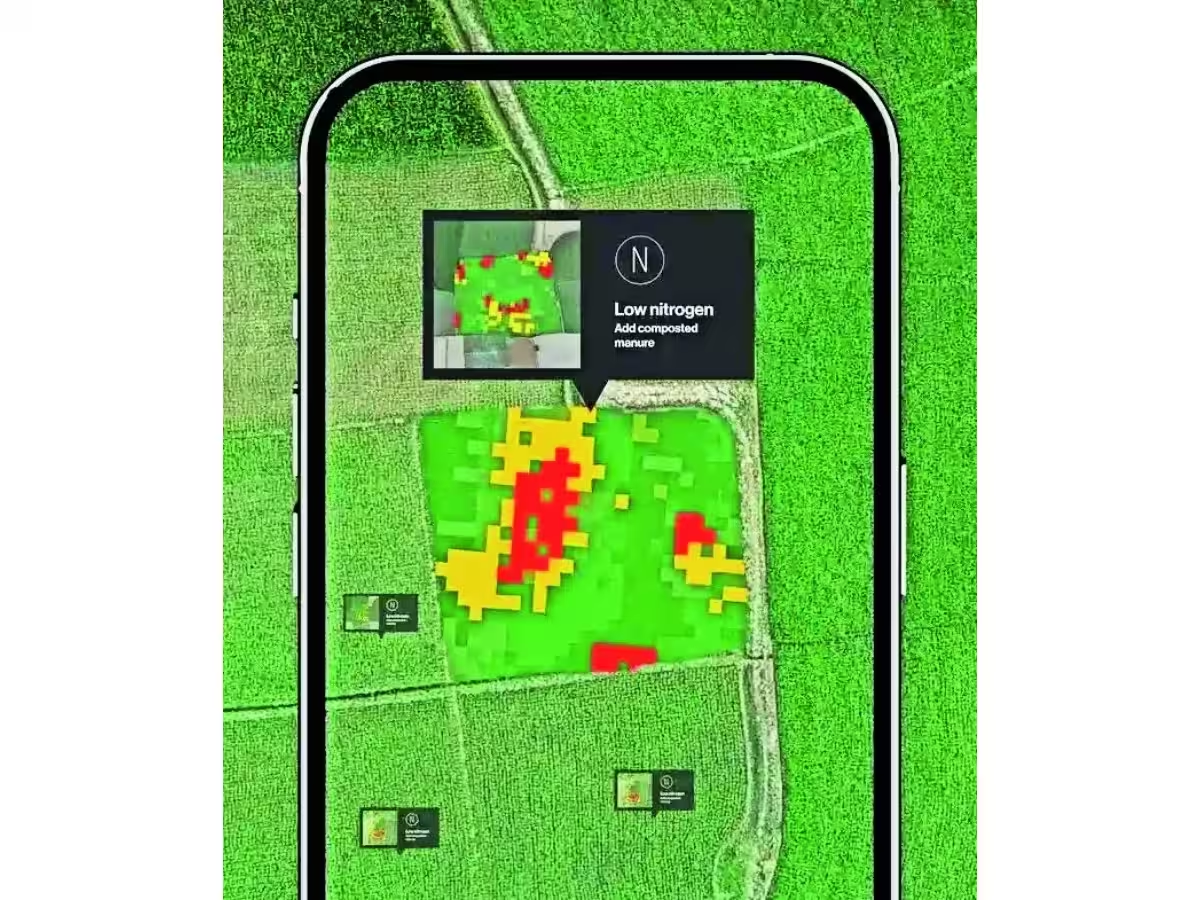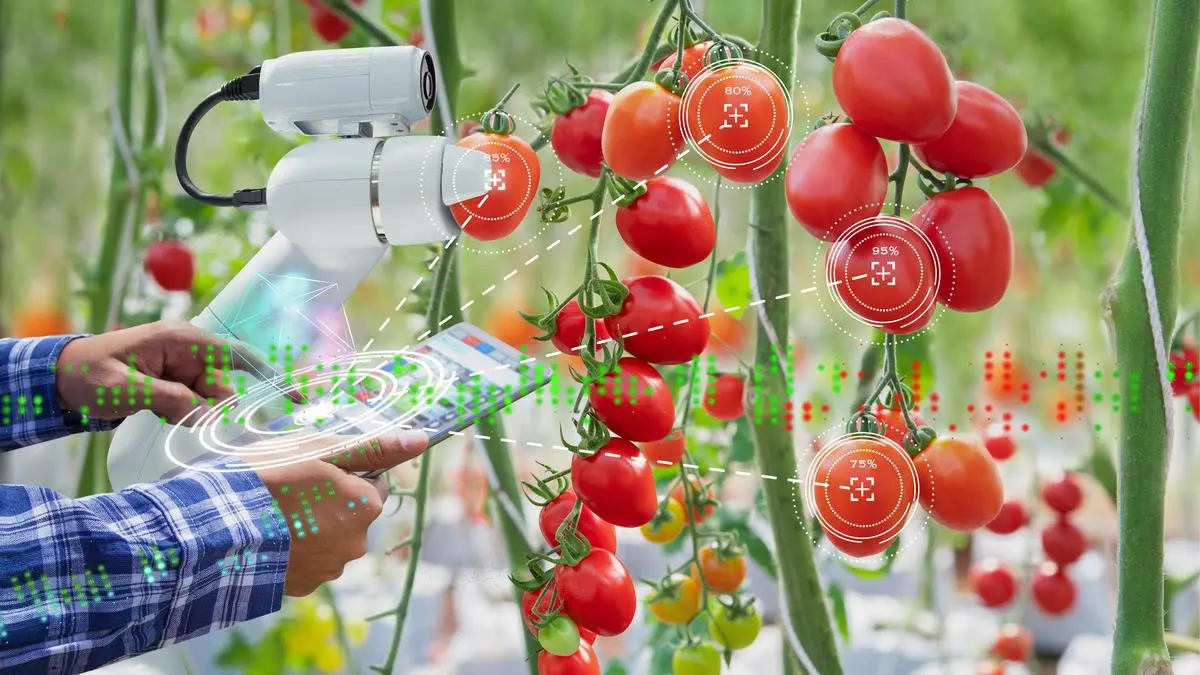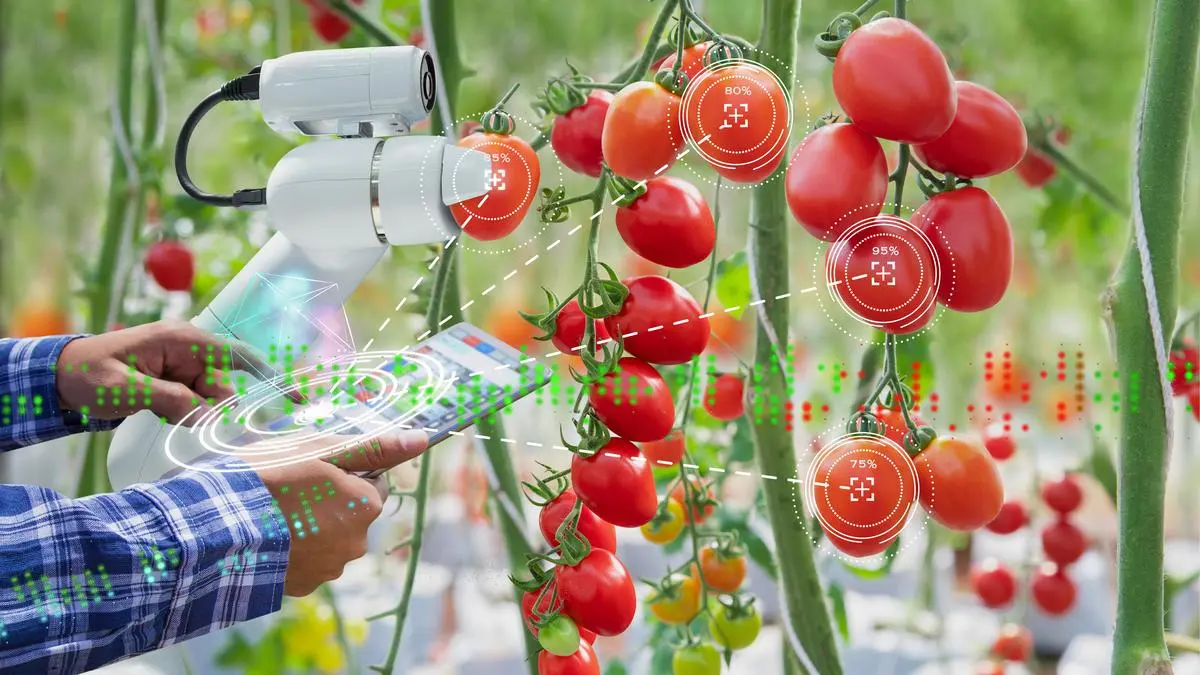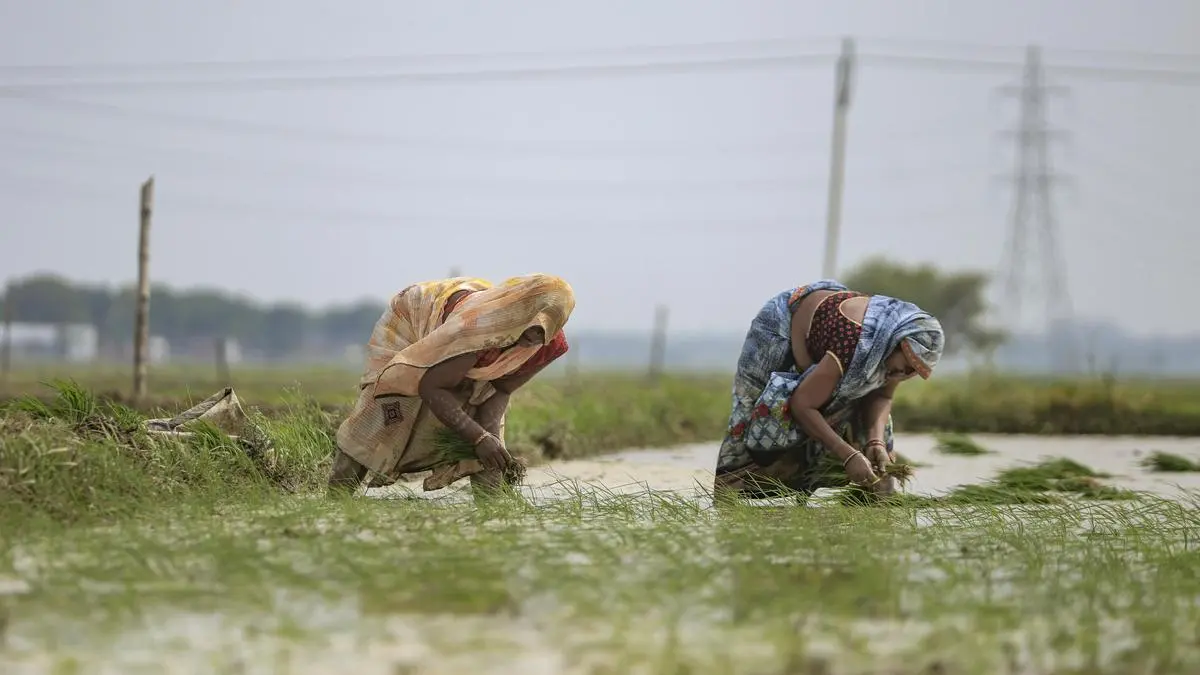
For years, the agricultural sector has been talking about digital transformation. Today, the conversation has evolved.The next phase of India’s agricultural growth will not be driven by another app, another marketplace, or another technology platform. It will be shaped by connected ecosystems that enable every stakeholder in the value chain to make faster, smarter, and more informed decisions.India is already laying the foundation for this future. Initiatives such as the Digital Agriculture Mission, Agri-Stack, and the Krishi Decision Support System are creating the country’s Digital Public Infrastructure for agriculture, bringing together farmer identities, crop data, geospatial intelligence, and AI-driven advisory into a unified framework.While these national initiatives are building the digital backbone, the real impact will come from how the private ecosystem builds on top of it. This is where agri-commerce is undergoing a fundamental shift from disconnected transactions to intelligent interactions.Every order placed by an agri-retailer has the potential to generate demand signals for manufacturers, optimise inventory planning, improve logistics efficiency, unlock working capital, and create richer market intelligence. Commerce is no longer just about selling products. It is becoming a source of intelligence that benefits the entire ecosystem.Evolving digitallyWe are seeing this transformation every day.Agri-retailers are no longer operating as conventional input sellers. They are evolving into digitally enabled business partners who advise farmers, manage inventory more efficiently, access credit digitally, discover new products, and serve as the last-mile link between manufacturers and farming communities. This evolution is redefining the role of the retailer.The future retailer will not compete on proximity alone. They will compete on access to insights, product availability, service quality, and speed. Digital platforms are enabling retailers to make data-backed decisions on what to stock, when to replenish inventory, and how to better serve the cropping patterns of their local markets.For manufacturers, this creates an entirely new opportunity. Instead of relying solely on historical sales trends, they can understand emerging demand patterns in near real time, identify regional opportunities earlier, improve forecasting accuracy, and strengthen engagement with retailers through more targeted product availability and marketing initiatives.AI speeding the shiftArtificial intelligence is accelerating this shift even further. Across agriculture, AI is increasingly being used to combine weather intelligence, crop information, transaction data, and market trends to generate recommendations that are specific to a farmer’s geography and cropping cycle.However, technology alone does not create value. Data becomes meaningful only when it flows across stakeholders. The real competitive advantage will belong to organisations that can connect manufacturers, retailers, logistics, finance, and advisory into one integrated experience rather than offering isolated digital solutions.That philosophy has shaped the journey of nurture.retail. Our objective has never been limited to creating an online ordering platform. We are building a digital ecosystem that simplifies business for agri-retailers while strengthening collaboration across the agricultural value chain. From providing access to a wide portfolio of trusted brands and exclusive products to enabling faster deliveries, digital credit, and marketing opportunities, every capability is designed to help retailers grow their business while ensuring farmers receive timely access to genuine agricultural inputs.As India’s agricultural ecosystem becomes increasingly data-driven, retailers will emerge as one of the most influential participants in this transformation. Positioned closest to the farmer while remaining deeply connected to manufacturers and supply chains, they are uniquely placed to convert digital intelligence into real-world impact. India’s next agricultural revolution will not be defined by who builds the biggest platform. It will be defined by who builds the strongest ecosystem.The author is Head of nurture.retailPublished on July 12, 2026
How integrated digital ecosystems are transforming India’s agricultural value chain
Explore how integrated digital ecosystems are revolutionizing India's agricultural value chain, enhancing collaboration and decision-making for all stakeholders.
581 words~3 min read