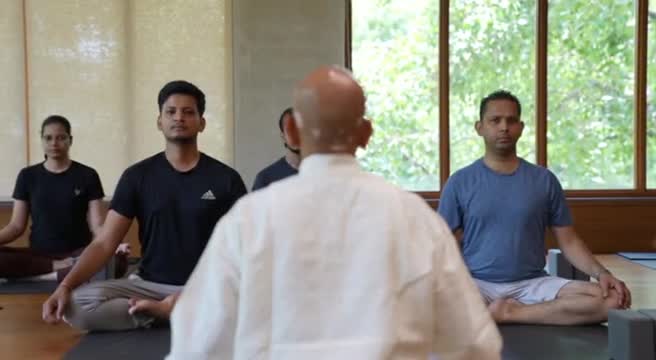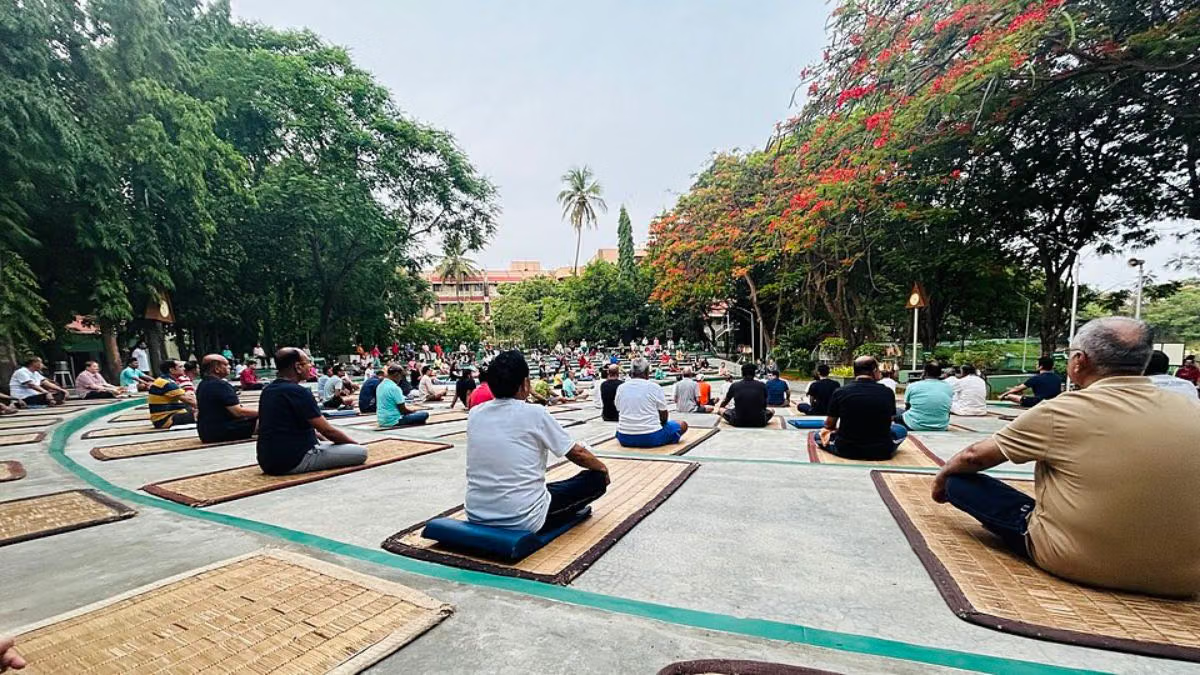
"In the Indian tradition, we work on the body, the breath, the mind..." he said, saying yoga in the West is "reduced 95 percent to asanas (postures) and very little to prana (breath)".Veer, who opened a studio in New Delhi in 2023 after teaching the discipline everywhere from Greece, France and Canada to the United States and Hong Kong, said the history dates back more than 10,000 years.Initially, hatha yoga, the most traditional practice, was the "most widespread form in the West", Veer said.Gradually, new methods such as Iyengar Yoga, Ashtanga and Sivananda -- named after the masters who developed them -- began to emerge.
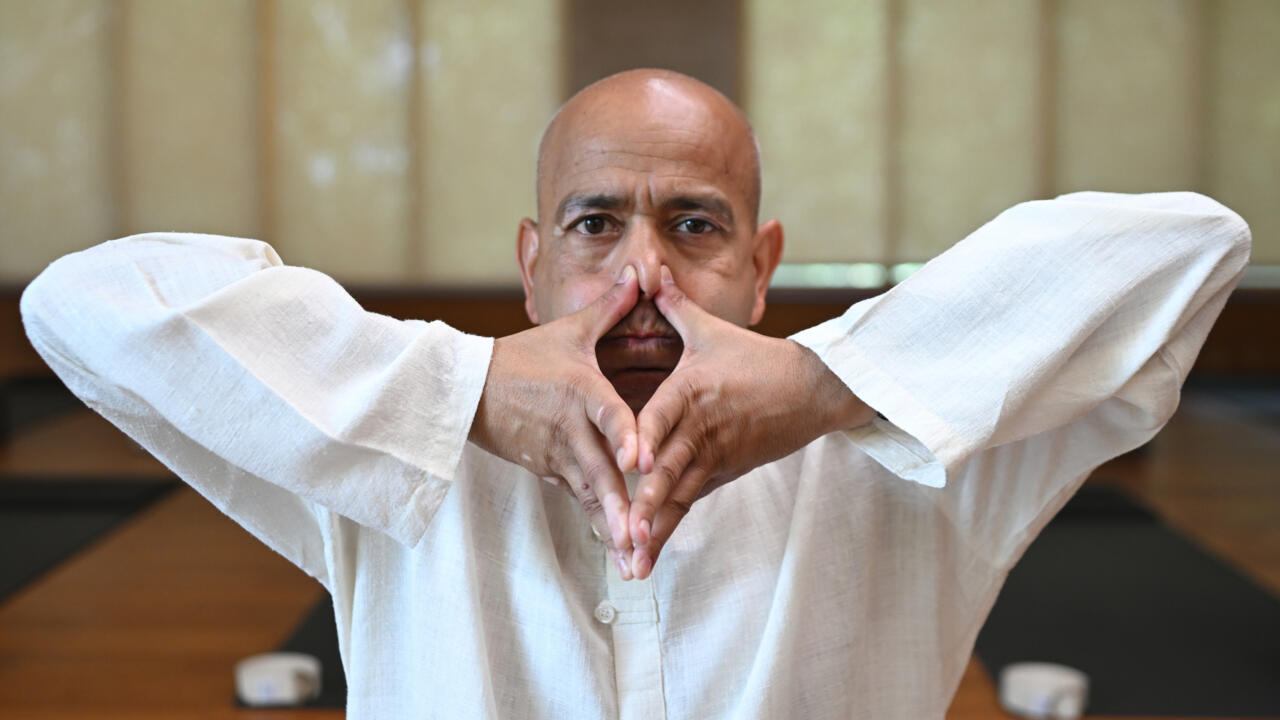
Veer, who opened a studio in New Delhi in 2023, taught everywhere from Greece, France and Canada to the United States and Hong Kong © Arun SANKAR / AFP
"The sequences and postures may differ, (but) they are all based on hatha yoga," the 51-year-old yogi, who holds a doctoral degree on the origins and essence of the discipline, told AFP.He was introduced to the practice at the age of nine by his father.Still, he said he welcomed the worldwide enthusiasm for the discipline, which began to take off in the 1970s and 1980s in the United States where Indian teachers settled, before spreading to Europe and later to Hong Kong, Singapore and Japan.'Dedicated practice'According to Veer, many Indians practice yoga daily, though not necessarily in the way it is understood abroad."If you look at Indian culture, Indian traditions and family values, we are taught meditation from the beginning," he said.