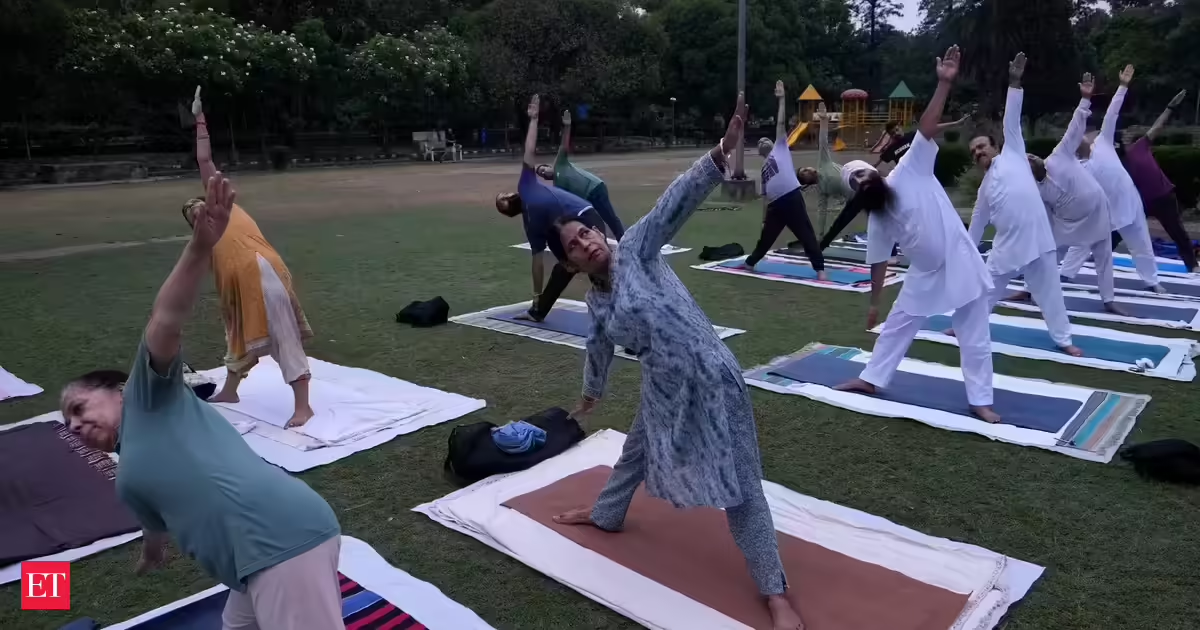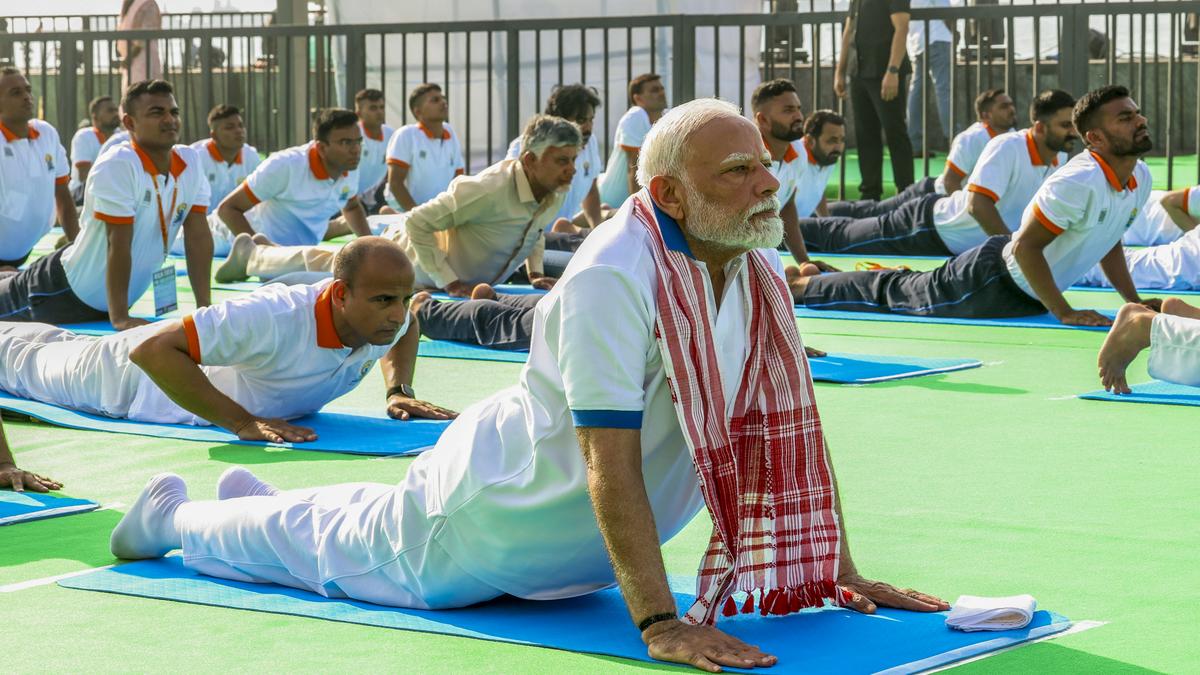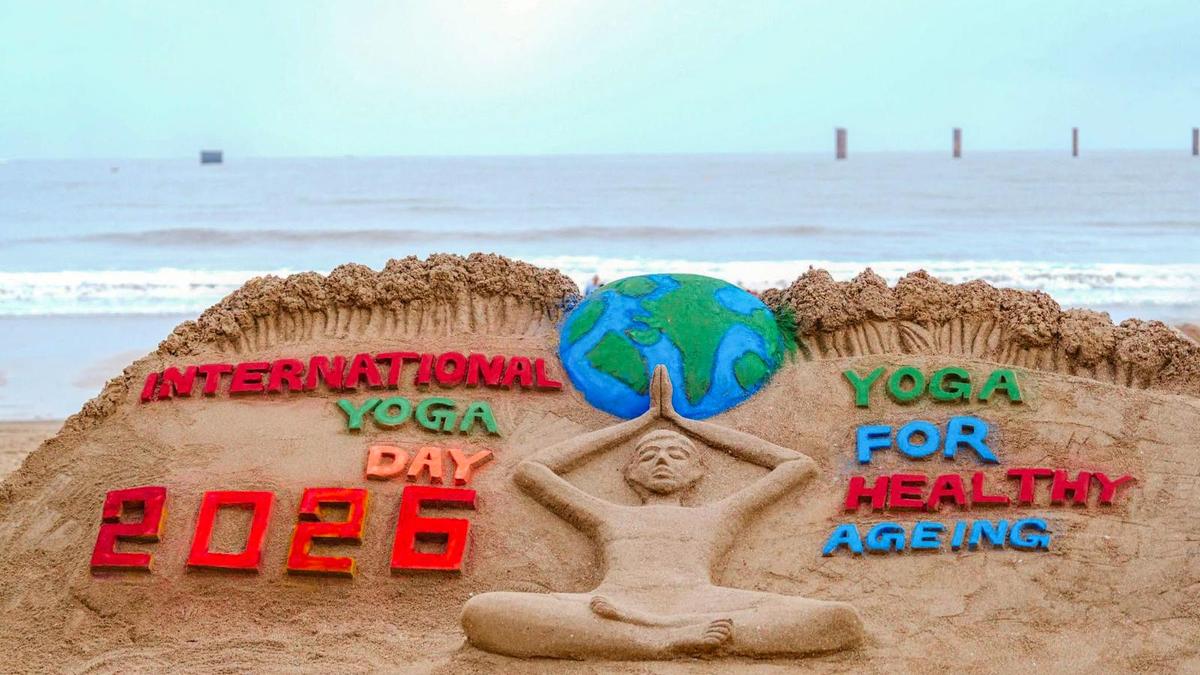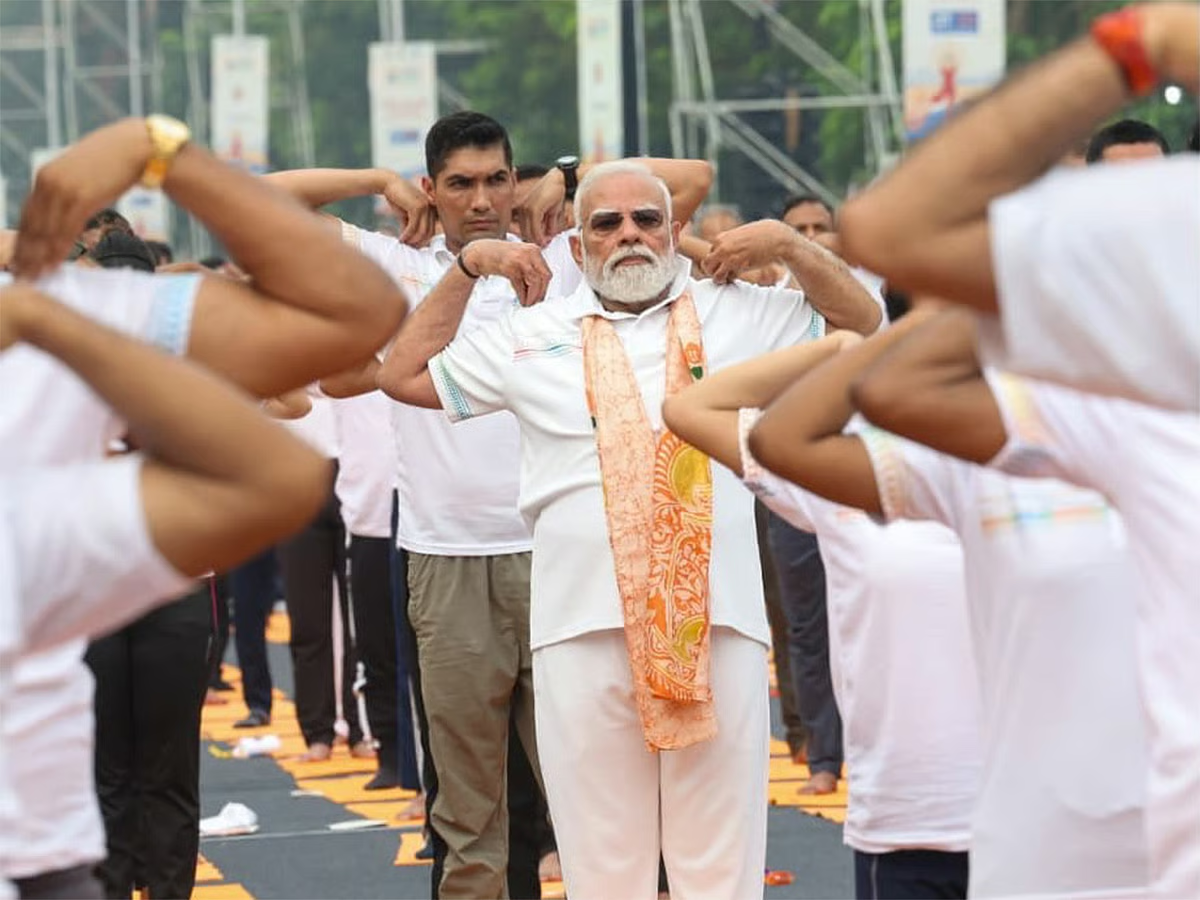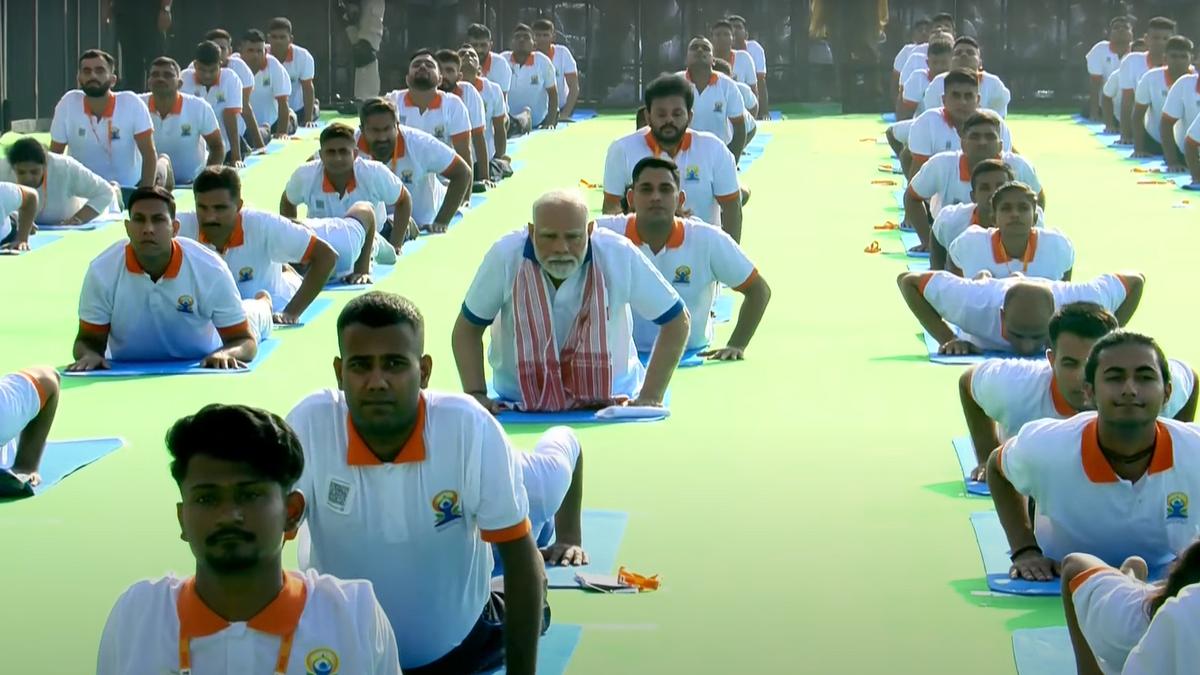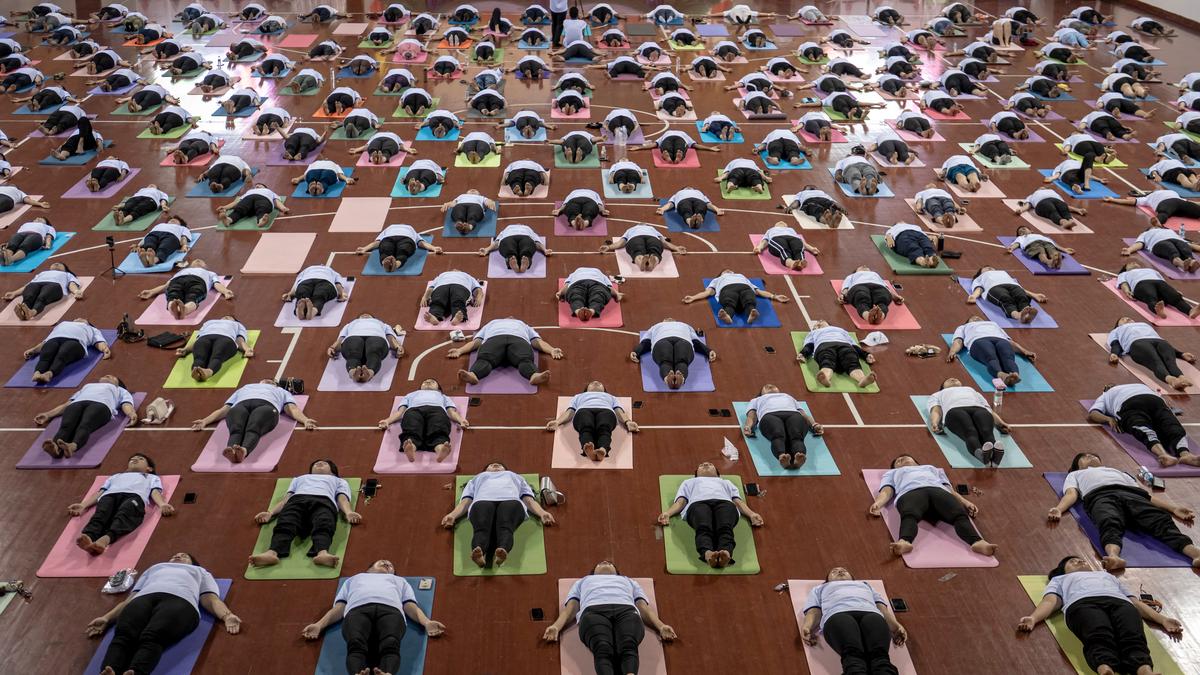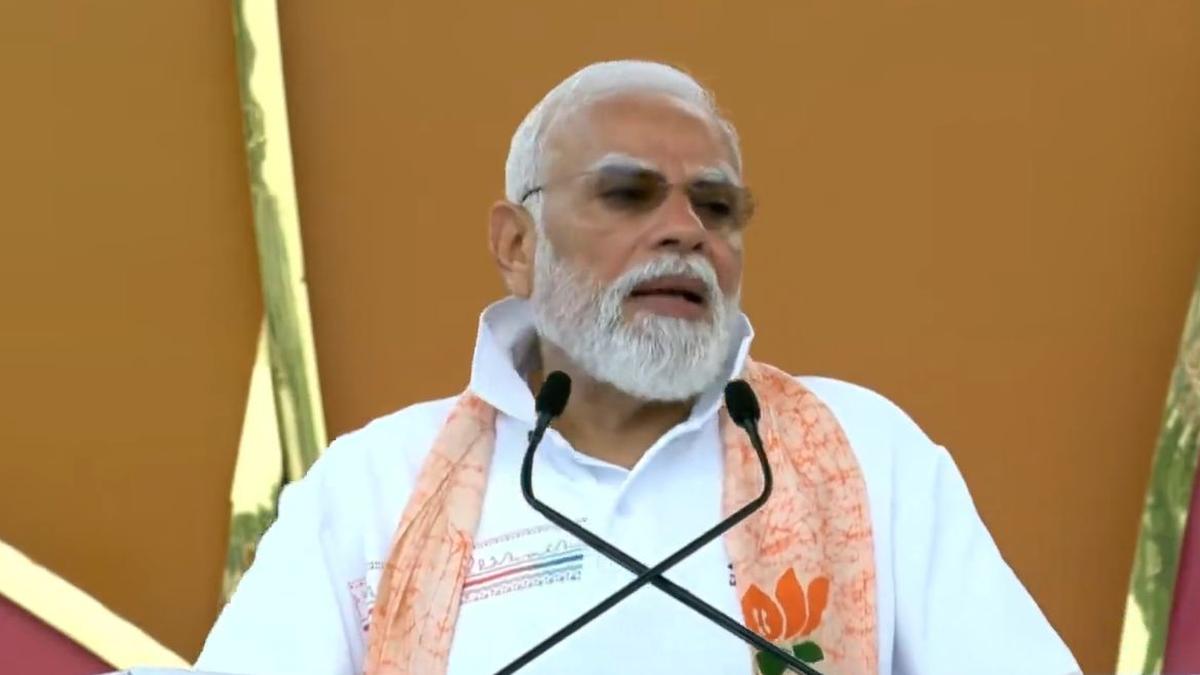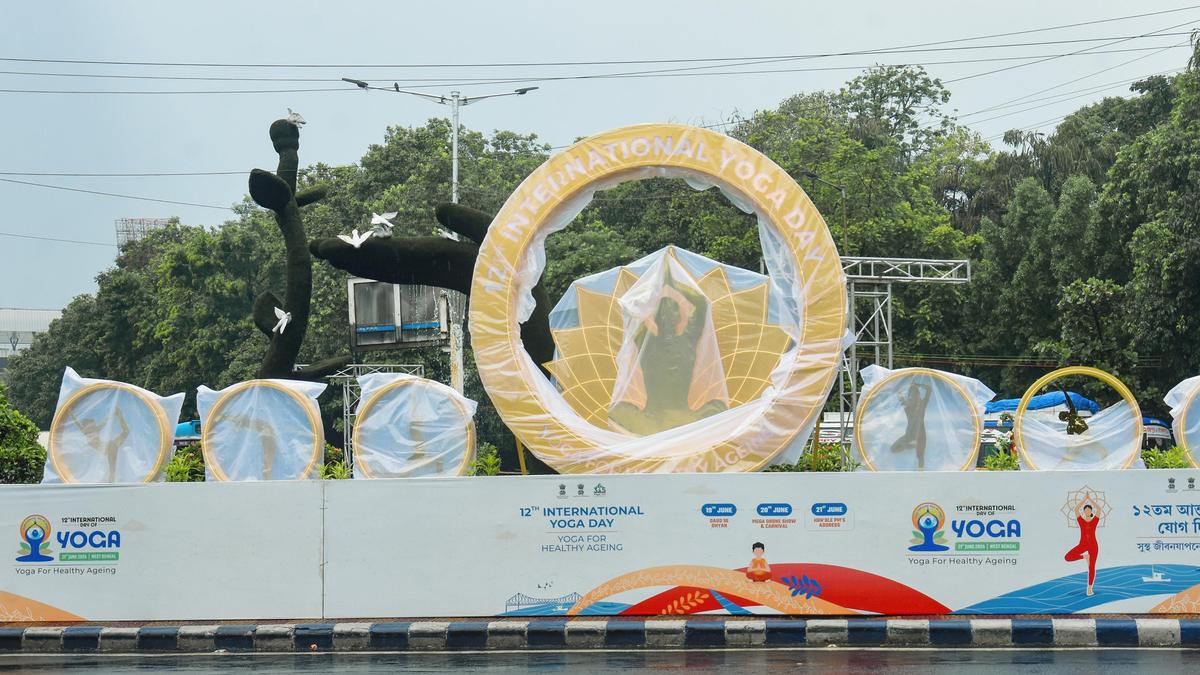
When the UN adopted 21 June as the International Day of Yoga in 2014 with the support of 177 member states, following the visionary call of Prime Minister Narendra Modi at the United Nations General Assembly, the world recognised an idea India has cherished for centuries — true health is not just the absence of disease, but a harmonious balance of body, mind and spirit.
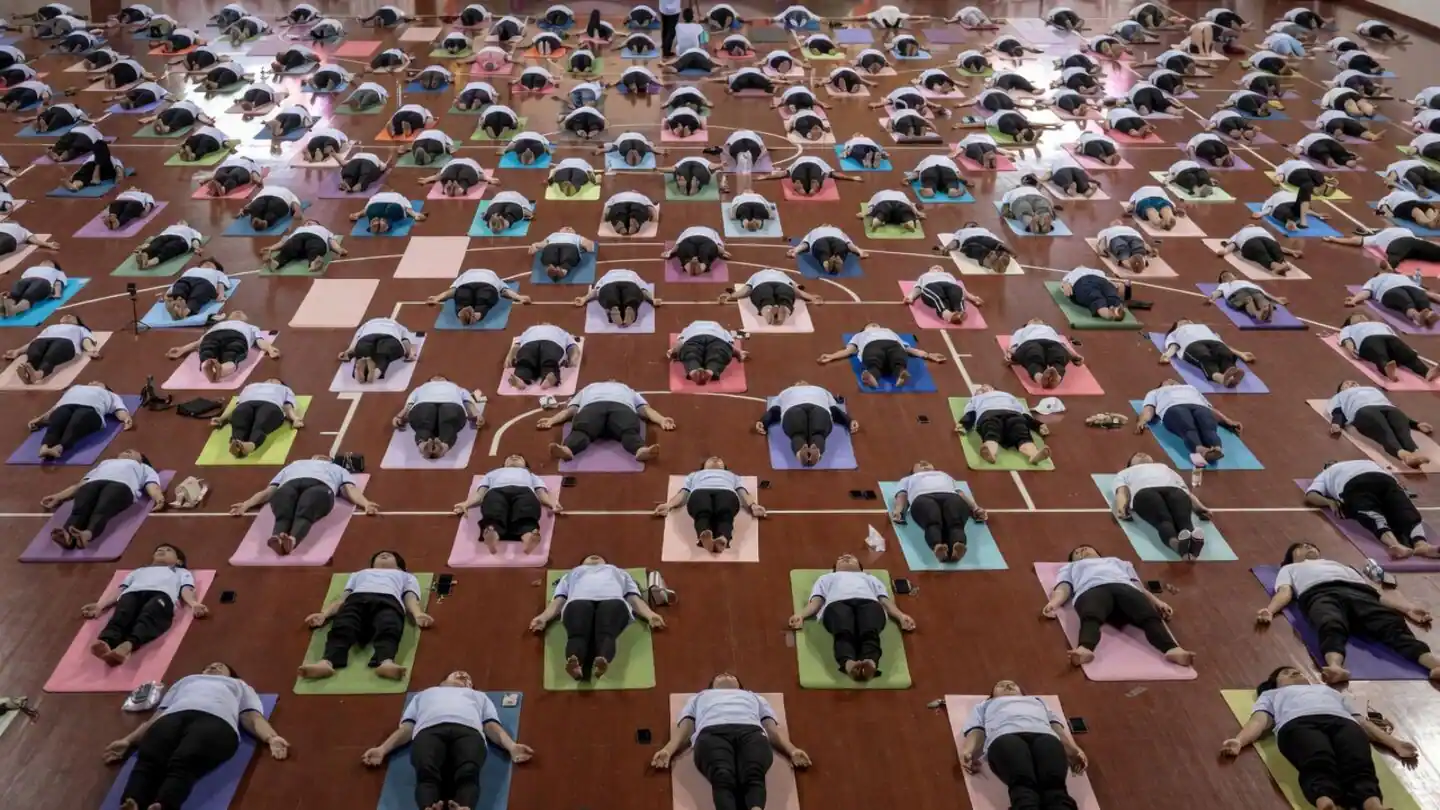
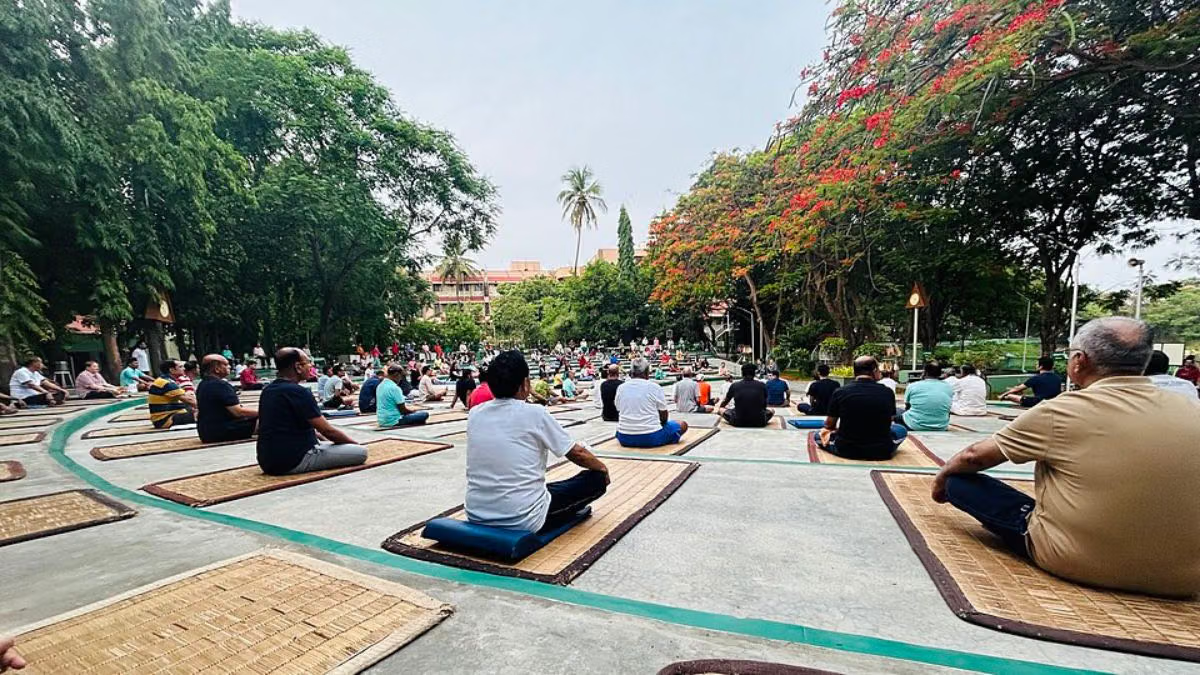
Over the past decade, the International Day of Yoga (IDY) has evolved into one of the world’s largest wellness movements. Yet, as yoga’s global visibility continues to expand, the next challenge before humanity is far more important: transforming awareness into sustained behavioural change.Today, awareness about yoga is nearly universal. Across continents, yoga is practised in schools, workplaces, public institutions, community centres and open public spaces. It has transcended geography, language and cultural boundaries to emerge as a shared global practice for wellness and balance.
However, the success of Yoga cannot be measured only through participation in annual celebrations. Its true impact lies in whether individuals adopt Yoga as part of their daily lives.Indian traditional knowledge
This transition from awareness to regular practice has become especially important in the context of contemporary public health challenges. The world today faces rising lifestyle disorders, increasing mental health concerns, stress-related illnesses and growing healthcare costs. Rapid urbanisation, sedentary lifestyles and digital dependency have significantly altered patterns of living and well-being. Increasingly, nations are realising that healthcare systems built solely around treatment are neither sustainable nor sufficient. Prevention and healthy living must become central pillars of future healthcare frameworks.Yoga offers precisely such a preventive and holistic approach. Rooted in India’s traditional knowledge, yoga is not limited to physical exercise. It represents a comprehensive way of life that strengthens physical fitness, mental resilience, emotional stability and mindfulness. Importantly, yoga remains accessible, affordable and adaptable across age groups and social backgrounds. In an era where healthcare accessibility and affordability remain major global concerns, yoga provides a low-cost, people-centric solution for long-term well-being.Globally, the growing acceptance of yoga reflects a larger shift in healthcare thinking. There is increasing recognition that wellness must integrate physical, mental and emotional health. This is particularly relevant in addressing non-communicable diseases, stress disorders and lifestyle-related conditions, which now account for a significant share of the global disease burden.India’s own experience demonstrates both the progress achieved and the immense potential ahead. According to the National Sample Survey (79th Round), awareness of traditional healthcare systems stands at nearly 95 per cent in rural India and 96 per cent in urban India. The survey further reveals that in around 1.1 crore rural households and 1.4 crore urban households, at least one member practises Yoga regularly. These figures indicate encouraging acceptance, but they also highlight the vast untapped opportunity to integrate Yoga into everyday life on a much larger scale. The next phase of the wellness movement must therefore focus on converting widespread awareness into consistent daily practice.