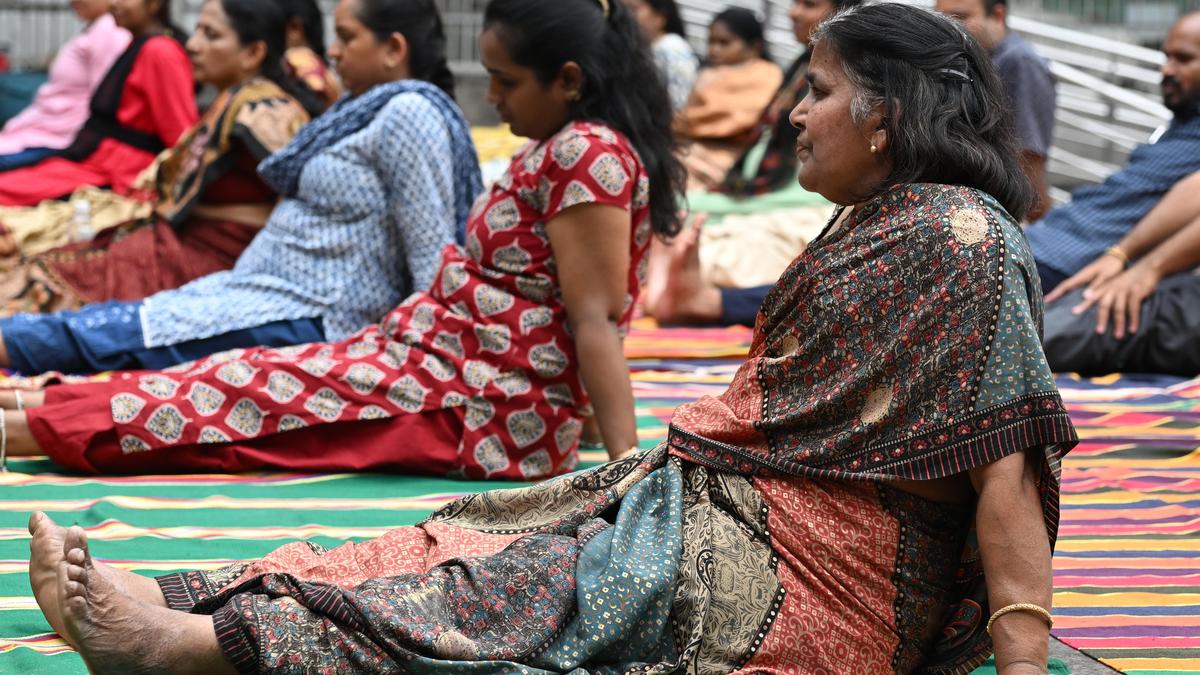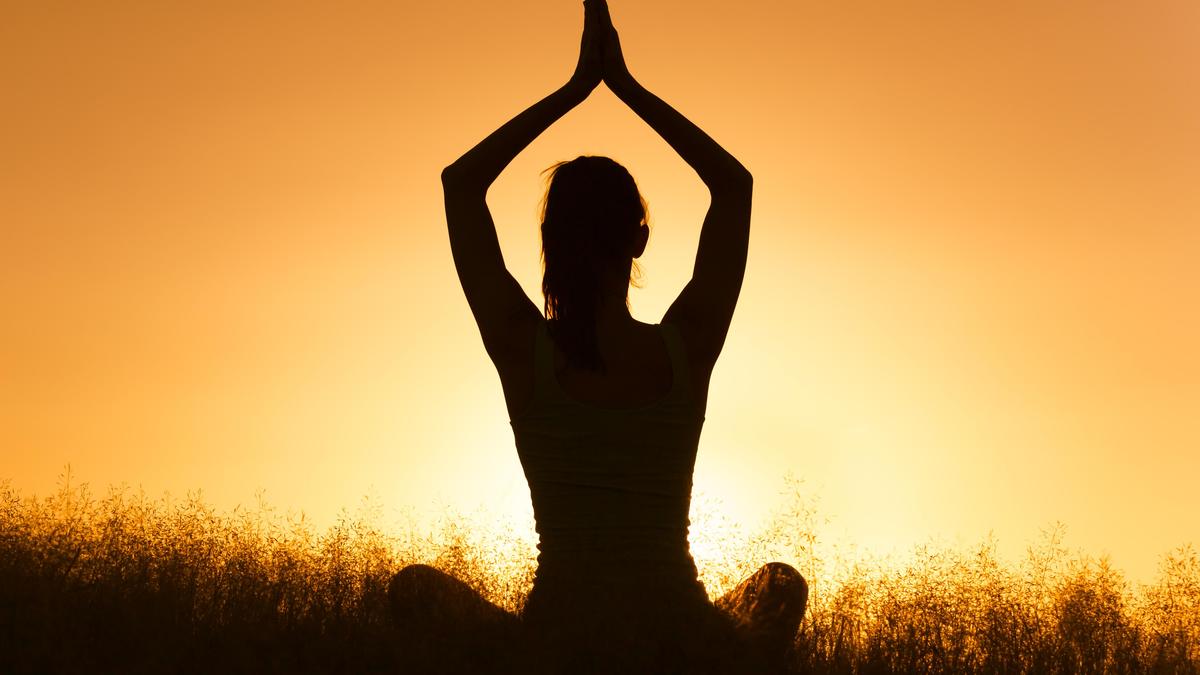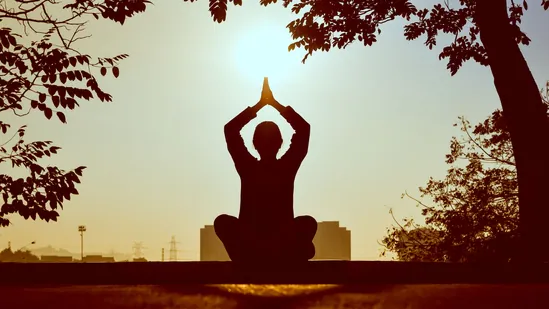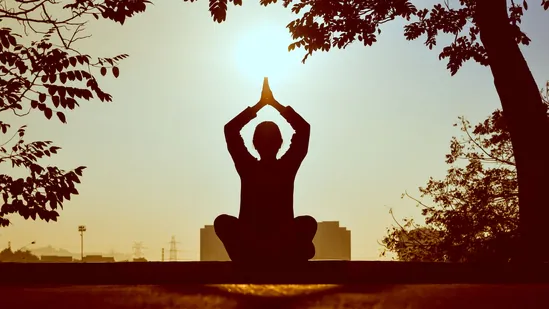
As the world prepares to observe International Yoga Day 2026 under the theme "Yoga for Healthy Ageing," experts are highlighting yoga's role in supporting well-being beyond physical fitness. According to Radhika Iyer Talati, founder of RAA Foundation and a yoga teacher with nearly two decades of experience, healthy ageing is not about performing advanced postures. Instead, it is about developing habits that nurture the mind and body over time.A representative image of a woman practising yoga. (Pexels)Having completed multiple yoga teacher training programmes and conducted free meditation sessions for over a decade, Talati believes that yoga can be integrated into everyday life, even for people with demanding schedules.Healthy ageing begins with the mind-body connectionTalati said one of the biggest misconceptions surrounding yoga is that it is largely focused on flexibility and physical appearance. While physical benefits may be noticeable, she believes they are not the practice's primary goal."Yoga is not about achieving perfect poses but about the mind-body connection," Talati said.She explained that benefits such as improved appearance, better skin, or increased flexibility are often by-products of a regular practice. According to her, the deeper purpose of yoga is to cultivate mental clarity, emotional balance, and inner peace."Physical benefits like good skin and hair are side effects, not yoga's main purpose. Yoga should focus on mental clarity and peace rather than physical appearance," she added.How to start yoga in your busy schedule?For people who feel they are too busy to practise yoga, Talati recommends beginning with small, manageable steps rather than waiting for ideal conditions.According to her, yoga is not limited to physical postures and can begin with simple moments of stillness and awareness."Sitting in silence for twenty minutes without distractions qualifies as yoga practice," she said.She also recommends building a basic fitness foundation through activities such as walking, running, or swimming before progressing into a structured yoga routine.Consistency matters more than quick resultsOne of the most common mistakes beginners make, Talati said, is expecting immediate changes. Instead, she encourages practitioners to approach yoga as a long-term commitment."In my experience, meaningful and sustainable benefits from yoga emerge through consistent long-term practice rather than short-term efforts," she said.Talati advises beginners to spend the first few months learning from a qualified instructor before practising independently. She also recommends revisiting teachers periodically to refine and upgrade one's practice.What are the benefits of practising yoga?Beyond its physical benefits, Talati believes yoga can play an important role in helping people navigate the pressures of modern life.She noted that regular yoga and meditation practices can support people dealing with anxiety, depression, workplace stress, and burnout. By creating a calmer mental state, yoga can help individuals respond to challenges with greater clarity and balance."Yoga provides mental, physical, and emotional healing benefits beyond physical exercise," Talati said."A calm mind enables clarity of thought and the ability to live a balanced life."More than exerciseAccording to Talati, yoga has gained global recognition over the past several decades because people are increasingly recognising it as a holistic practice rather than simply a form of exercise.As International Yoga Day 2026 shines a spotlight on healthy ageing, she believes the focus should remain on building a sustainable practice that supports overall well-being throughout life."Yoga is not merely physical exercise but about connecting mind and body," Talati said.For those looking to embrace the theme of healthy ageing this year, Talati's advice is straightforward: start with what is possible, remain consistent, and allow the benefits of yoga to unfold gradually.
Ahead of International Yoga Day 2026, an expert shares the benefits of practising yoga for healthy ageing
According to Radhika Iyer Talati, founder of RAA Foundation and a yoga teacher shares with HT the yoga practises for healthy ageing. | Lifestyle News
TL;DRAI
❌ **Fuori scope editoriale.** Questo articolo (yoga + salute per l'aging) non è rilevante per Warptech Tech News. La testata segue manager IT, CTO e responsabili AI — l'audience non ha interesse in pratica dello yoga o wellness generico. Se intendi: - **Testare il formato riassunto**: fornisci un articolo tech (AI, startup, business, enterprise, governance) - **Aggiungere una sezione lifestyle**: discutiamone prima — comporta shift di voice e audience Quale preferisci?
575 words~3 min read