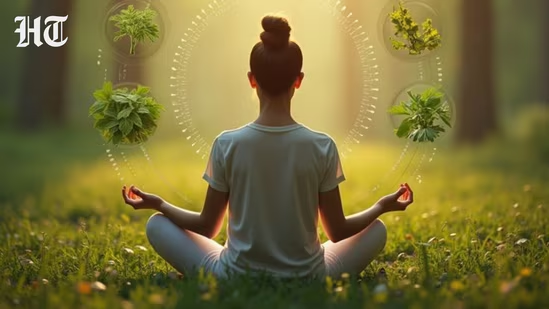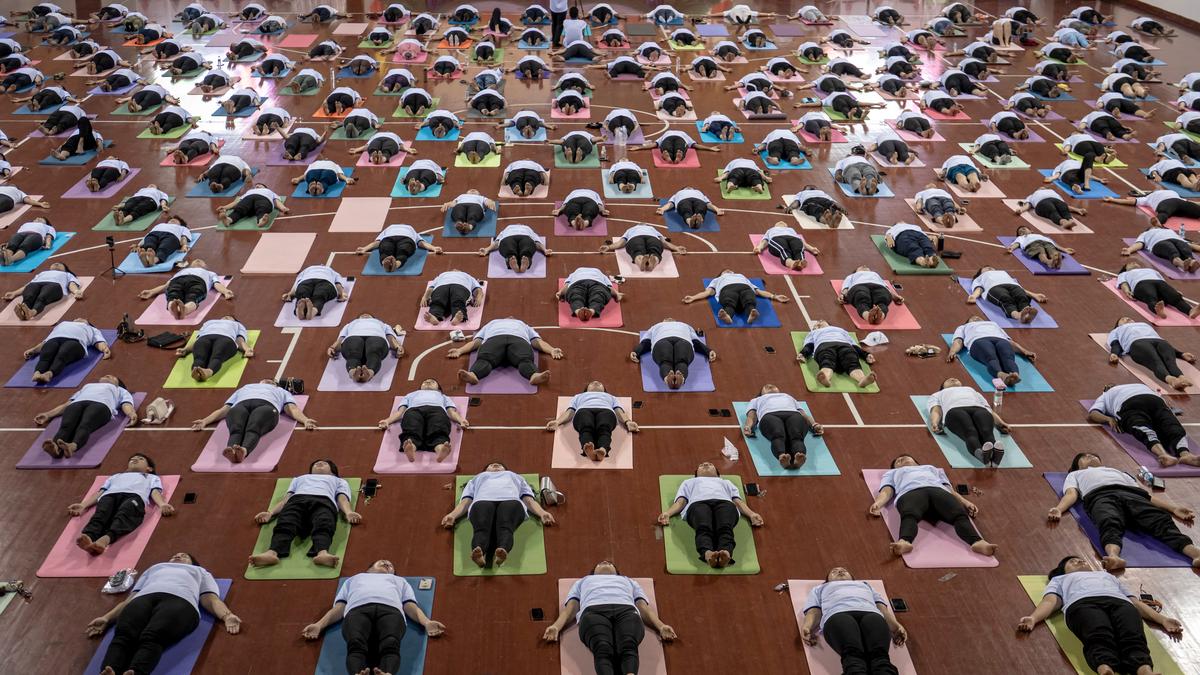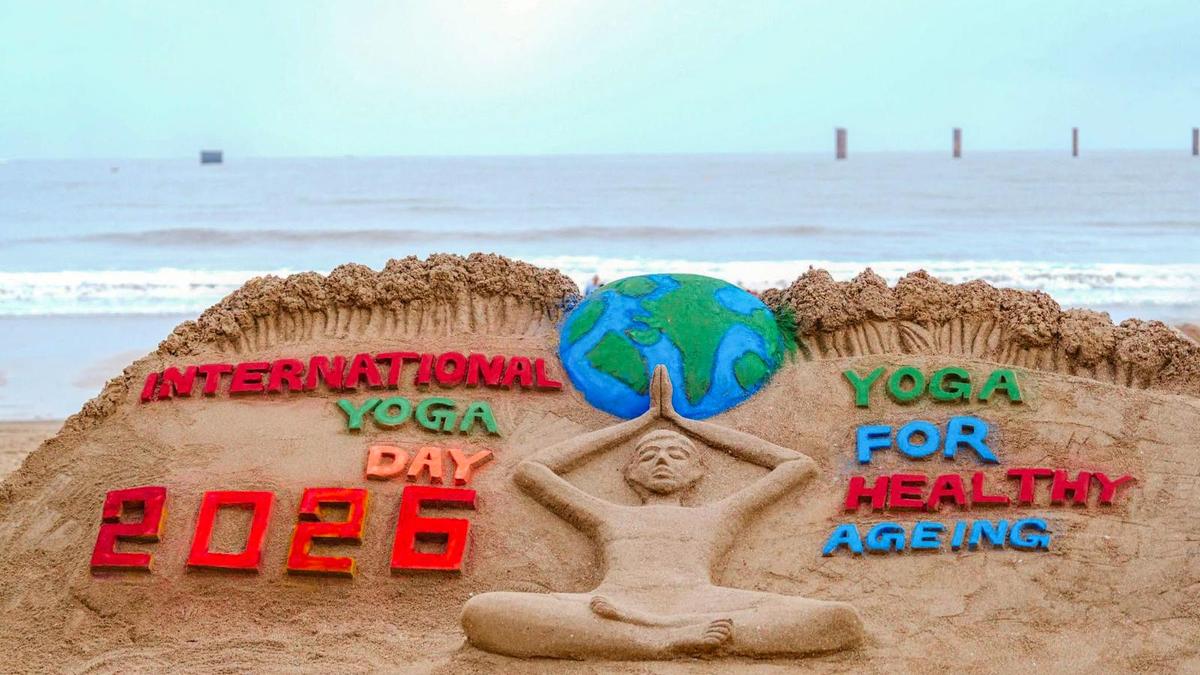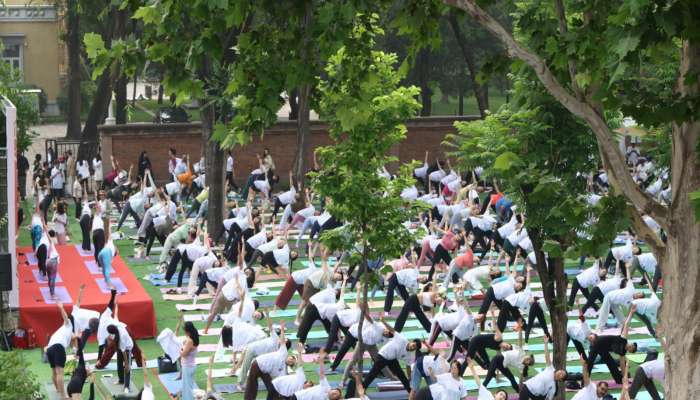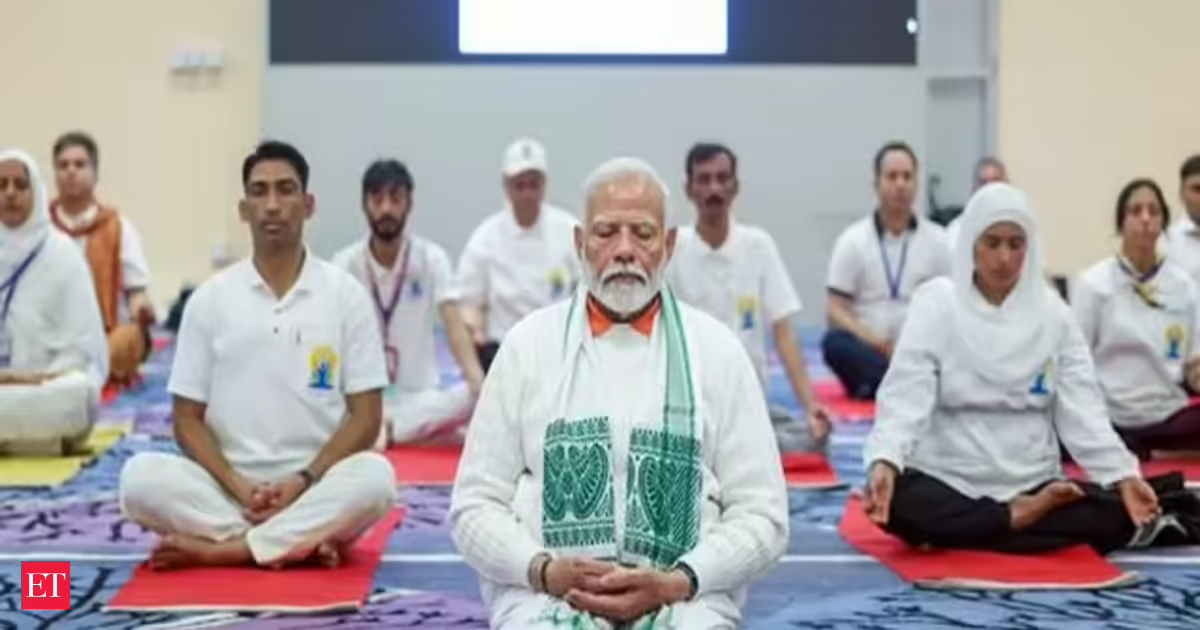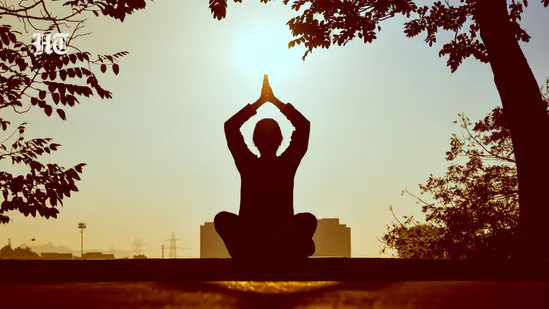
Every year on International Yoga Day, parks, studios, and community centers around the world fill with people practicing yoga. Most participants focus on physical postures, breathing exercises, and flexibility. Yet, according to spiritual teachers, yoga was never intended to be limited to movement alone.Ahead of International Yoga Day, a spiritual expert explains the 8 limbs of yoga in Patanjali's philosophy. (Pexels)According to Shubham Singh of Aathman Awareness Centre, “Yoga was never merely about touching your toes or mastering difficult postures. It was always an invitation to come home to yourself”.Ancient meaning of yogaThe word yoga comes from the Sanskrit rootyuj, meaning "to unite." In traditional teachings, yoga refers to the union of the individual self with a higher state of awareness.According to Shubham Singh of Aatman Awareness Centre, yoga encourages people to slow down and pay attention to what is happening within. It is a practice of observing rather than constantly reacting and listening rather than constantly speaking.In a world where distractions are everywhere, this inward journey can feel more relevant than ever. The goal of yoga is not simply to strengthen the body but to cultivate inner balance, clarity, and peace.What are the 8 limbs of yoga?Much of what is known about classical yoga comes from the teachings of Patanjali, who compiled the Yoga Sutras, one of the most influential texts on yoga philosophy.In the Yoga Sutras, Patanjali described an eightfold path known as the Eight Limbs of Yoga. These limbs offer practical guidance for living with greater awareness and purpose.The first limb: YamaYama focuses on how individuals relate to the world around them. It includes principles such as non-violence, truthfulness, honesty, moderation, and avoiding greed.Rather than being strict rules, these values are often viewed as tools for creating harmony in everyday life.The second limb: NiyamaNiyama deals with personal discipline and self-care. It encourages contentment, self-reflection, inner cleanliness, and dedication to personal growth.This limb reminds practitioners that transformation begins from within.The third limb: AsanaAsana refers to physical postures. Today, it is the most visible aspect of yoga, but in classical teachings, postures were designed to prepare the body for stillness and meditation.The purpose was not athletic achievement but creating comfort and stability.The fourth limb: PranayamaPranayama involves conscious breathing practices.Many yogic traditions teach that the breath acts as a bridge between the body and the mind. Learning to regulate the breath can help cultivate calmness and focus.The fifth limb: PratyaharaPratyahara is often described as withdrawing attention from external distractions.Rather than being controlled by every sight, sound, or notification, practitioners learn to direct their awareness inward.The sixth limb: DharanaDharana is the practice of concentration.Whether focusing on the breath, a mantra, or a single point of attention, this limb helps train the mind to become steady and less scattered.The seventh limb: DhyanaWhen concentration deepens and becomes continuous, it develops into meditation, known as Dhyana.This stage is marked by a sense of presence and quiet awareness.The eighth limb: SamadhiThe final limb is Samadhi, a state that yogic texts describe as complete absorption, inner peace, and union.It is considered the culmination of the yogic journey, where the feeling of separation gives way to a deeper sense of connection.
International Yoga Day 2026: A spiritual expert explains Patanjali's 8 limbs of yoga and their deeper meaning
Ahead of International Yoga Day, a spiritual expert explains the 8 limbs of yoga in Patanjali's philosophy.
524 words~2 min read