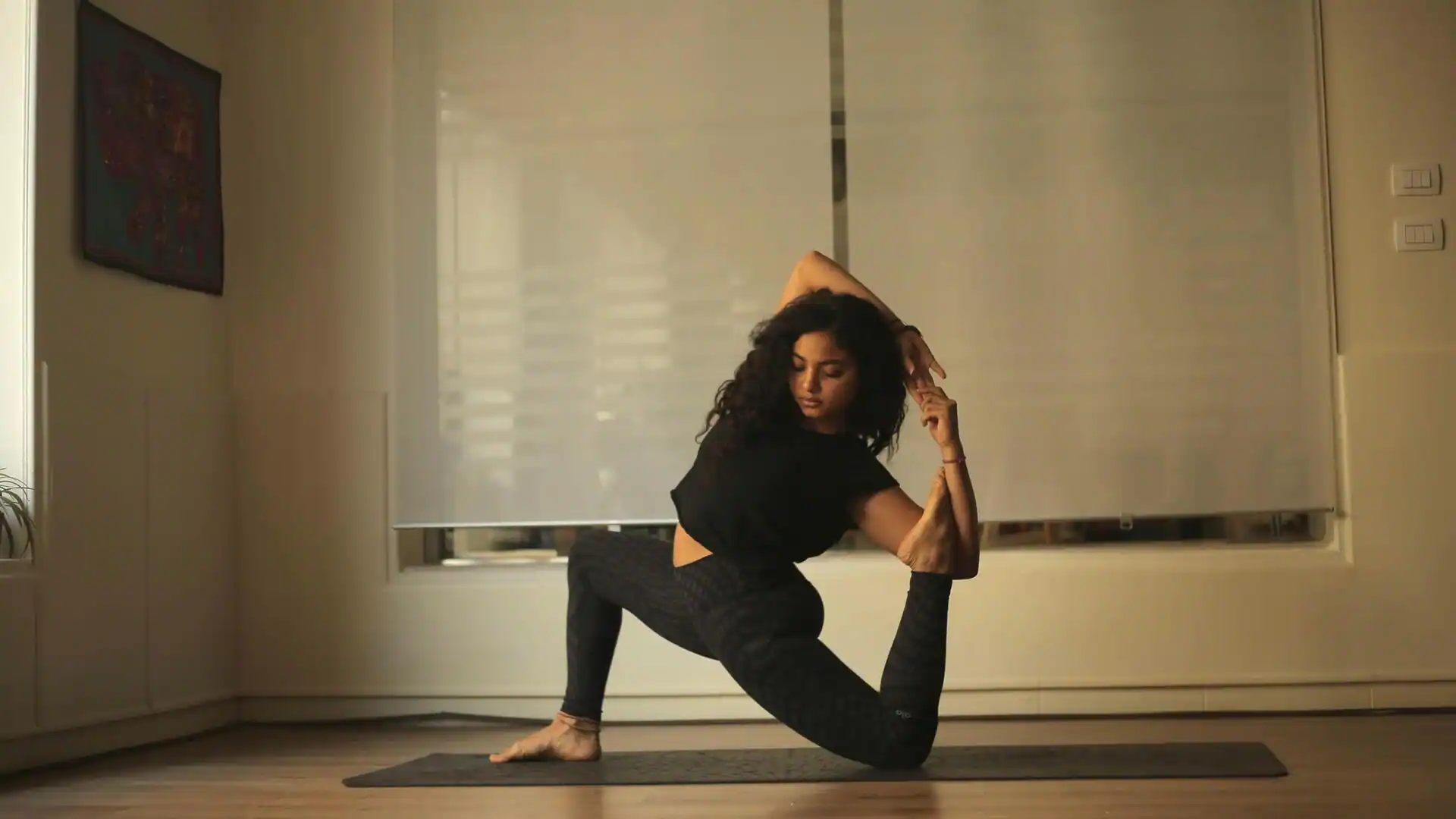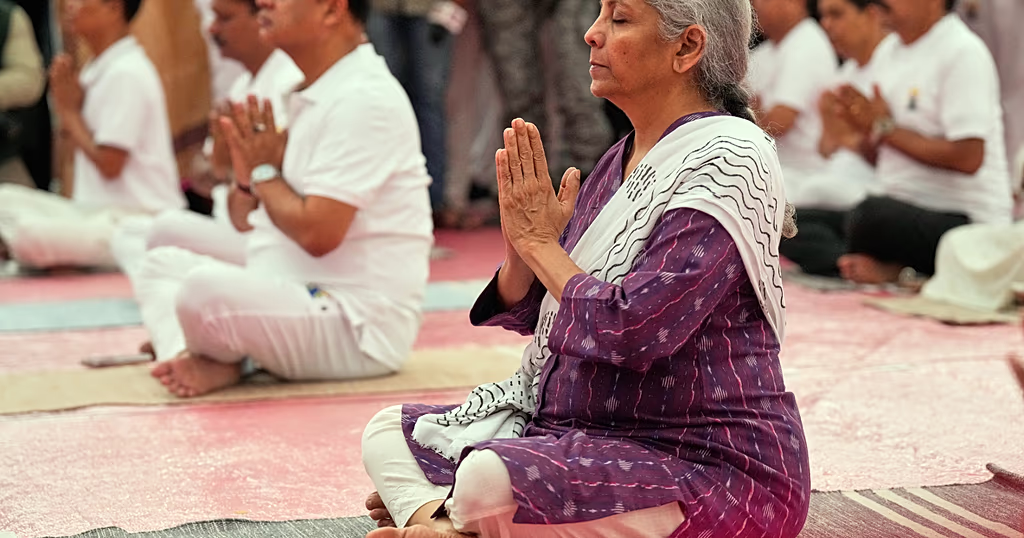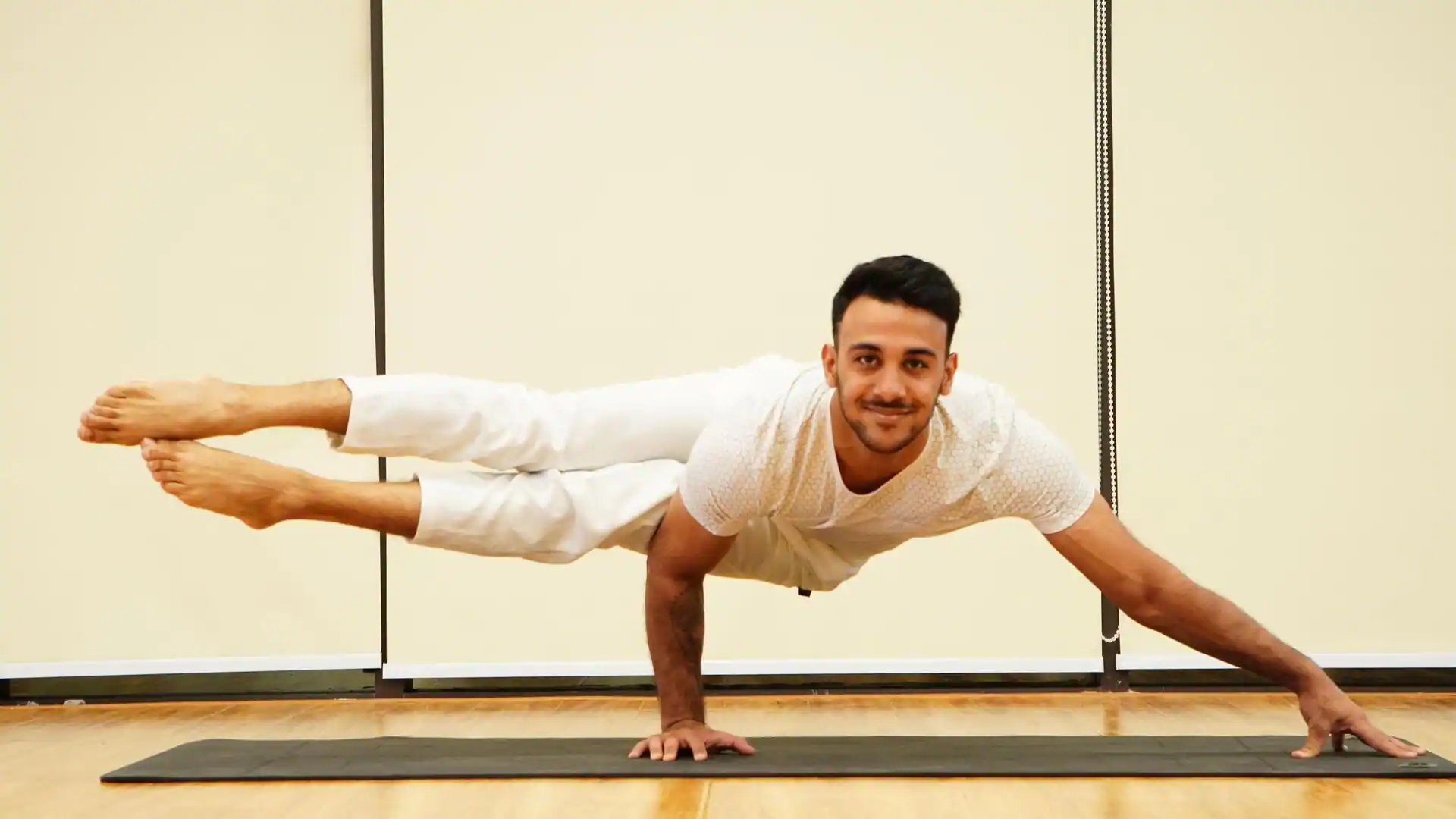
When you think of yoga, the first images that probably come to mind are the physical postures, mindfulness, and stretching exercises. While movement is an important part of the practice, traditional yoga is much more than that. It is a complete way of life that encourages you to care for your overall well-being.The 8 limbs of Yoga and how they can help you build a balanced life (Pinterest)At the heart of this philosophy are the eight limbs of yoga, a framework that offers practical guidance for living with greater balance, self-awareness, and inner peace. Each limb helps you develop healthy habits, sharpen your focus, and strengthen your connection with yourself and the world around you.ALSO READ: What is Yoga Nidra? An expert explains the state of conscious deep sleep for emotional healingHere's what each of the eight limbs means and how it can support your daily life.YamaYama is the first limb of yoga that focuses on how you treat other people and the world around you. The principles of Yama encourage kindness, honesty, and compassion, helping you build healthier relationships and live with integrity. In simple terms, it is about practising ethical behaviour, non-harming, and truthfulness in everyday life.NiyamaNiyama is the second limb of yoga, focusing on your relationship with yourself and encouraging habits that support both physical and mental well-being. Self-discipline, self-study, gratitude, and acceptance are all part of this practice. Niyama reminds you that personal growth begins with caring for yourself.AsanaAsana refers to physical posture. Although many people associate yoga mainly with poses, the traditional purpose of asana is to create a body that is steady, comfortable, and free from distraction. This allows you to sit comfortably for breathing exercises and meditation while supporting overall physical well-being.PranayamaPranayama is the practice of regulating and expanding your breath, which is considered the vital life force in yoga. Traditionally practised after asana, it helps calm the nervous system, improve focus, and prepare the mind for meditation. Mindful breathing can also help you feel more relaxed and present throughout the day.ALSO READ: Yoga for stress relief: 10 simple yoga asanas to be calmPratyaharaThe fifth limb of yoga, Pratyahara, involves gently withdrawing your attention from external distractions. Rather than ignoring your senses, the goal is to turn your awareness towards yourself. This marks the transition from the physical aspects of yoga to deeper inner practices, encouraging greater mindfulness and self-awareness.DharanaDharana is the sixth limb of yoga, meaning concentration. It is the practice of keeping your mind focused on a single point, such as your breath, a mantra, or a specific object of awareness. By strengthening your ability to concentrate, Dharana lays the foundation for meditation and helps bring greater mental stability.DhyanaDhyana is the seventh limb of yoga, referring to meditation. Unlike Dharana, which requires conscious effort to maintain focus, Dhyana develops when concentration becomes natural and continuous. In the classical path of yoga, this deeper state of meditation promotes mental clarity, inner peace, and deeper self-awareness.SamadhiThe final limb of classical yoga, Samadhi is a state of profound stillness and clarity in which the constant activity of the mind comes to rest. In traditional yoga philosophy, Samadhi is considered the gateway to liberation and the highest state of inner awareness.ALSO READ: Why Muhurats don’t matter when it comes to meditationDisclaimer: This article is intended for informational purposes only and is based on traditional yoga philosophy. Individual experiences with yoga may vary, and these practices should not be considered a substitute for professional medical, psychological, or wellness advice.
The 8 limbs of Yoga and how they can help you build a balanced life
Each limb helps you develop healthy habits, sharpen your focus, and strengthen your connection with yourself and the world around you.
583 words~3 min read