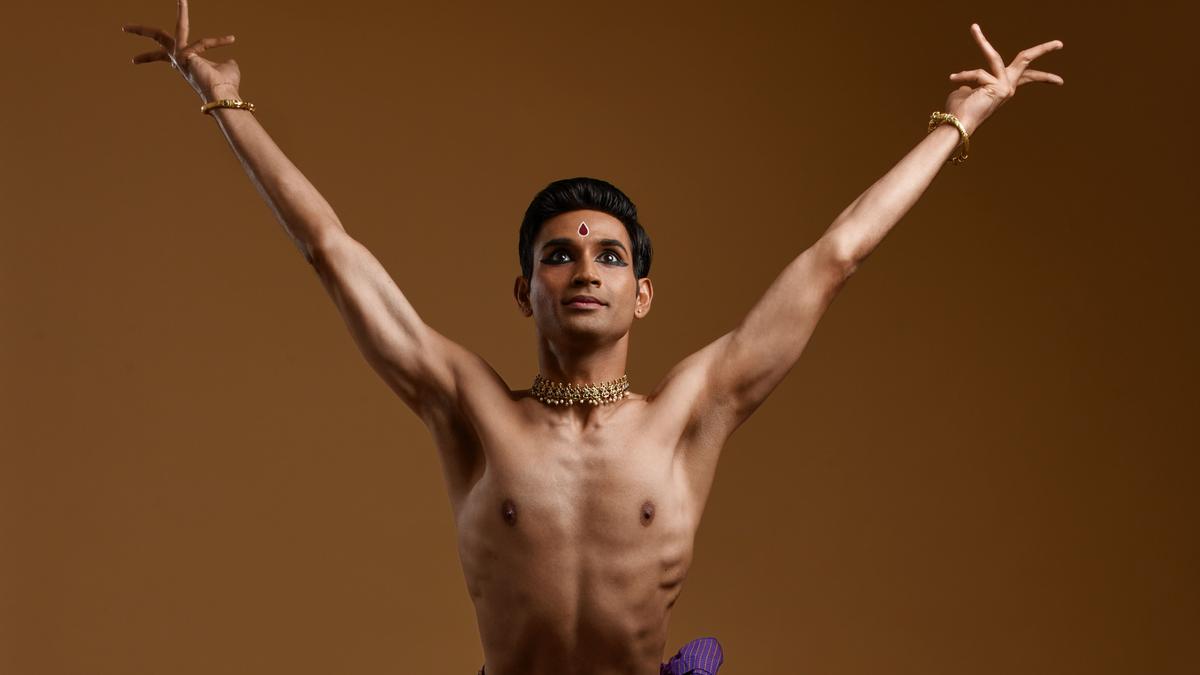
AVIJIT DASWhen I look back at my training in Kuchipudi, I realise how pranayama, yoga and breathing techniques have shaped me as an artiste. The dance form, with its blend of rhythm, expression and storytelling, is demanding, requiring a dancer to align both body and mind. These practices have therefore remained a constant.Pranayama has given me the ability to centre myself before stepping into practice or performance. In classical dance, where abhinaya (expression) and nritta (pure dance) must flow seamlessly, controlled breathing helps me maintain focus and emotional balance. Practices such as ‘anulom vilom’ and ‘kapalabhati’ sharpen my energy and steady my mind. This steadiness enables me to sustain long hours of rehearsal and navigate the intensity of performance. It also allows me to channel devotion and emotion more deeply into my dance — an essential aspect of Kuchipudi’s storytelling tradition.In dance, where every movement is anchored in rhythm and emotion, breath becomes the thread that connects the two. I have learnt to coordinate my inhalations and exhalations with the tala (beat), allowing for smoother transitions. Breath also carries rasa, the emotional flavour of the performance. A forceful exhalation can heighten the drama of a battle scene, while a gentle inhalation can soften the mood in a devotional piece. In this way, breathing transforms my dance from mere physical movement into a living, expressive art.Kuchipudi calls for agility, strength and grace — whether in executing brisk footwork, sustaining ardhamandalam (half-sitting posture), or holding statuesque poses in dramatic sequences. Through yoga, I have strengthened my core, improved my posture and gained the flexibility that lends fluidity to my movements. It has also helped prevent injuries, keeping my joints supple and my body aligned. Beyond the physical benefits, yoga has instilled patience and discipline. Holding a pose and breathing through discomfort mirrors the endurance required when rehearsing complex Kuchipudi choreography.Together, pranayama, yoga and breathing techniques have given me the strength to endure rigorous training, the resilience to face challenges and the maturity to express myself on stage. I feel aligned both physically and spiritually, and that sense of union allows me to convey the true essence of the art form.Watch: Kuchipudi dancer Avijit Das says he strengthened his core, improved posture and gained flexibility through #yogapic.twitter.com/jsMTi0PTmj— TH Culture (@TheHinduMag) June 18, 2026MEERA SREENARAYANAN
International Yoga Day: Why fitness is crucial in classical dance
Three young dancers talk about the significance of physical fitness and how it impacts their art forms.
997 words~5 min read