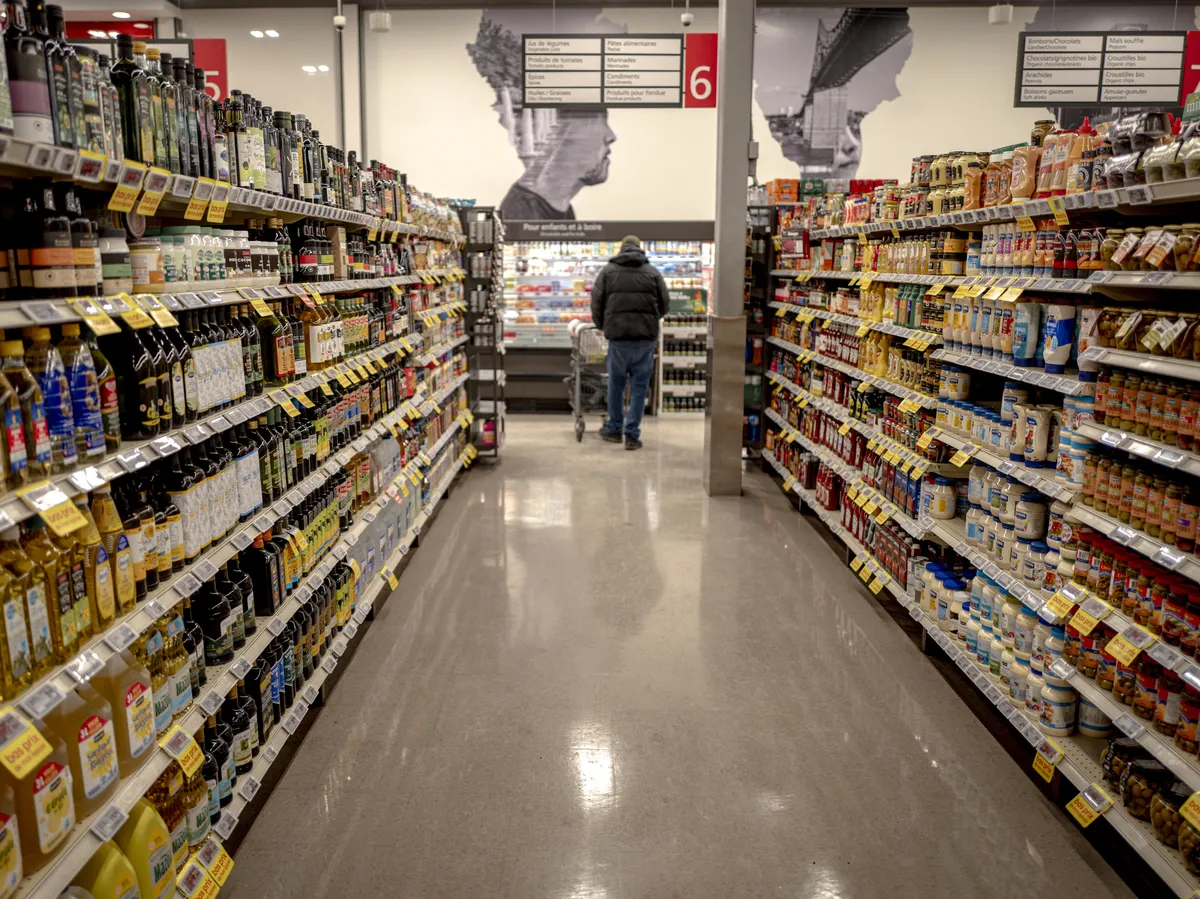
Skip to Content News Archives Economy Energy Oil & Gas Renewables Electric Vehicles Mining Commodities Agriculture Real Estate Mortgages Mortgage Rates Finance Banking Insurance Fintech Cryptocurrency Work Wealth Smart Money Wealth Management Investor Personal Finance Family Finance Retirement Taxes High Net Worth FP Comment Executive Women Puzzmo Newsletters Financial Times Business Essentials More Innovation Information Technology FP500 Podcasts Small Business Lives Told Tails Told Shopping Financial Post Store Obituaries Place a Notice Advertising Advertising With Us Advertising Solutions Postmedia Ad Manager Sponsorship Requests Classifieds Place a Classifieds ad Working Profile Settings My Subscriptions Saved Articles My Offers Newsletters Customer Service FAQ News Economy Energy Mining Real Estate Finance Work Wealth Investor FP Comment Executive Women Puzzmo Newsletters Financial Times Business Essentials HomeCommoditiesAgricultureNewsEconomyWill the reopening of the Strait of Hormuz ease food prices? Economists say noCanadians may still see higher food prices due to higher fertilizer prices during the planting seasonLast updated 1 hour ago You can save this article by registering for free here. Or sign-in if you have an account.A person shops at a grocery store in Montreal, Que. Photo by ANDREJ IVANOV/AFP via Getty Images filesCommodity prices have been falling since the Strait of Hormuz reopened on Thursday, but economists say Canadians may still see higher food prices due to higher fertilizer prices during the planting season.Subscribe now to read the latest news in your city and across Canada.Exclusive articles from Barbara Shecter, Joe O'Connor, Gabriel Friedman, and others.Daily content from Financial Times, the world's leading global business publication.Unlimited online access to read articles from Financial Post, National Post and 15 news sites across Canada with one account.National Post ePaper, an electronic replica of the print edition to view on any device, share and comment on.Daily puzzles, including the New York Times Crossword.Subscribe now to read the latest news in your city and across Canada.Exclusive articles from Barbara Shecter, Joe O'Connor, Gabriel Friedman and others.Daily content from Financial Times, the world's leading global business publication.Unlimited online access to read articles from Financial Post, National Post and 15 news sites across Canada with one account.National Post ePaper, an electronic replica of the print edition to view on any device, share and comment on.Daily puzzles, including the New York Times Crossword.Create an account or sign in to continue with your reading experience.Access articles from across Canada with one account.Share your thoughts and join the conversation in the comments.Enjoy additional articles per month.Get email updates from your favourite authors.Create an account or sign in to continue with your reading experience.Access articles from across Canada with one accountShare your thoughts and join the conversation in the commentsEnjoy additional articles per monthGet email updates from your favourite authorsSign In or Create an AccountorNitrogen fertilizer prices have spiked since the war on Iran started in late February by roughly 40 per cent in North America, according to data from TD Economics, and phosphate prices began to rise in May.As a result, food price hikes are likely to follow, economists say, especially since farmers were feeling financial strain during the planting season earlier this year. Once those crops are harvested in the fall, the higher fertilizer prices will be reflected in higher food prices, resulting in higher price tags on grocery store shelves.Breaking business news, incisive views, must-reads and market signals. Weekdays by 9 a.m.By signing up you consent to receive the above newsletter from Postmedia Network Inc.A welcome email is on its way. If you don't see it, please check your junk folder.The next issue of Posthaste will soon be in your inbox.We encountered an issue signing you up. Please try againFood inflation in Canada is expected to increase to around 4.5 per cent year over year by early 2027 as higher global oil and fertilizer prices put upward pressure on food prices, according to a new Oxford Economics Ltd. report.Food inflation is already elevated, with year-over-year grocery store prices rising by four per cent in April.However, Oxford Economics expects food prices to stabilize by early 2028.“As (oil and fertilizer) prices come down quickly in the second half of this year — and that is our baseline assumption with the reopening of the Strait of Hormuz — it will result in weaker food inflation in the second half of 2027 and into 2028,” Michael Davenport, a senior economist at Oxford Economics and author of the report, said.“The downward pressure on food inflation doesn’t mean food prices are going to fall. It just means that the rate of increase in food prices is likely to slow significantly in 2028.”Davenport said it may take a while for traffic in the Strait of Hormuz to return to pre-war levels, which means overall headline inflation is going to remain more elevated than what he had expected before the war began.“Even with the easing in oil and fertilizer prices, they are still likely going to remain higher than they were prior to the war,” he said. “Inflation is going to remain a little bit more elevated than what we had expected before the war kicked off three to four months ago.”Anusha Arif, an economist at TD Economics, said the fertilizer shock has already passed through the planting window. The damage cannot be fully reversed, unlike energy prices, which can be reversed once shipping normalizes.“Even if the waterway opens, the planting season cannot reopen, so any decisions that the farmers made based on more expensive fertilizers are already baked into the food production cycle,” she said. “All of this has implications for the food they will harvest later on, and consumers might see those impacts in 2027.”Arif said the fertilizer pricing lag on overall food prices will impact food inventories. Canada draws from its food inventories when there’s a bad crop year or supply chain disruption, so the thinner the supply, the less of a buffer there is to plug the gap between supply and demand.Canada entered 2026 with strong crop inventories, though not evenly across all crops. For example, soybean stocks decreased by 45.7 per cent year over year as of March 31.Farmers can choose to grow less nitrogen-intensive crops or reduce fertilizer application rates when fertilizer prices rise, resulting in reduced output of nitrogen-intensive staple crops — such as soybeans — and weakening yields. This means Canada will have to draw more from its stored stocks to meet demand and less will go into storage, Arif said.Since Canada used up some of that food safety net this year, she said it will need to restock those supplies next year while also trying to meet demand, making the country more susceptible to further shocks, and tighter supplies will put upward pressure on food prices.“That just leaves us more vulnerable going into next year,” she said. “Now we have to build those inventories back up, but also create more for the year after and that could impact prices.”Both economists said uncertainty remains elevated, even with a signed ceasefire agreement. There is still uncertainty regarding the Canada-U.S.-Mexico Agreement (CUSMA), which is expected to blow through the July 1 renewal deadline.However, Davenport expects core inflation, which excludes volatile components such as food and energy, to remain below the Bank of Canada’s two per cent target due to excess slack in the economy.“Ultimately, that will prevent the Bank of Canada from hiking rates this year, and is a key factor in why we think they will remain on the sidelines,” he said.“However, the war in the Middle East and the CUSMA review are creating uncertainty and those factors are going to cause the Bank of Canada to be a little bit more cautious. The policy rate at its current level is slightly stimulative, so it’s providing some modest support to the economy.” Join the Conversation This website uses cookies to personalize your content (including ads), and allows us to analyze our traffic. Read more about cookies here. By continuing to use our site, you agree to our Terms of Use and Privacy Policy.
Will the reopening of the Strait of Hormuz ease food prices? Economists say no
The Strait of Hormuz has reopened, but economists say Canadians may still see higher food prices due to higher fertilizer prices. Read more.
1,320 words~6 min read