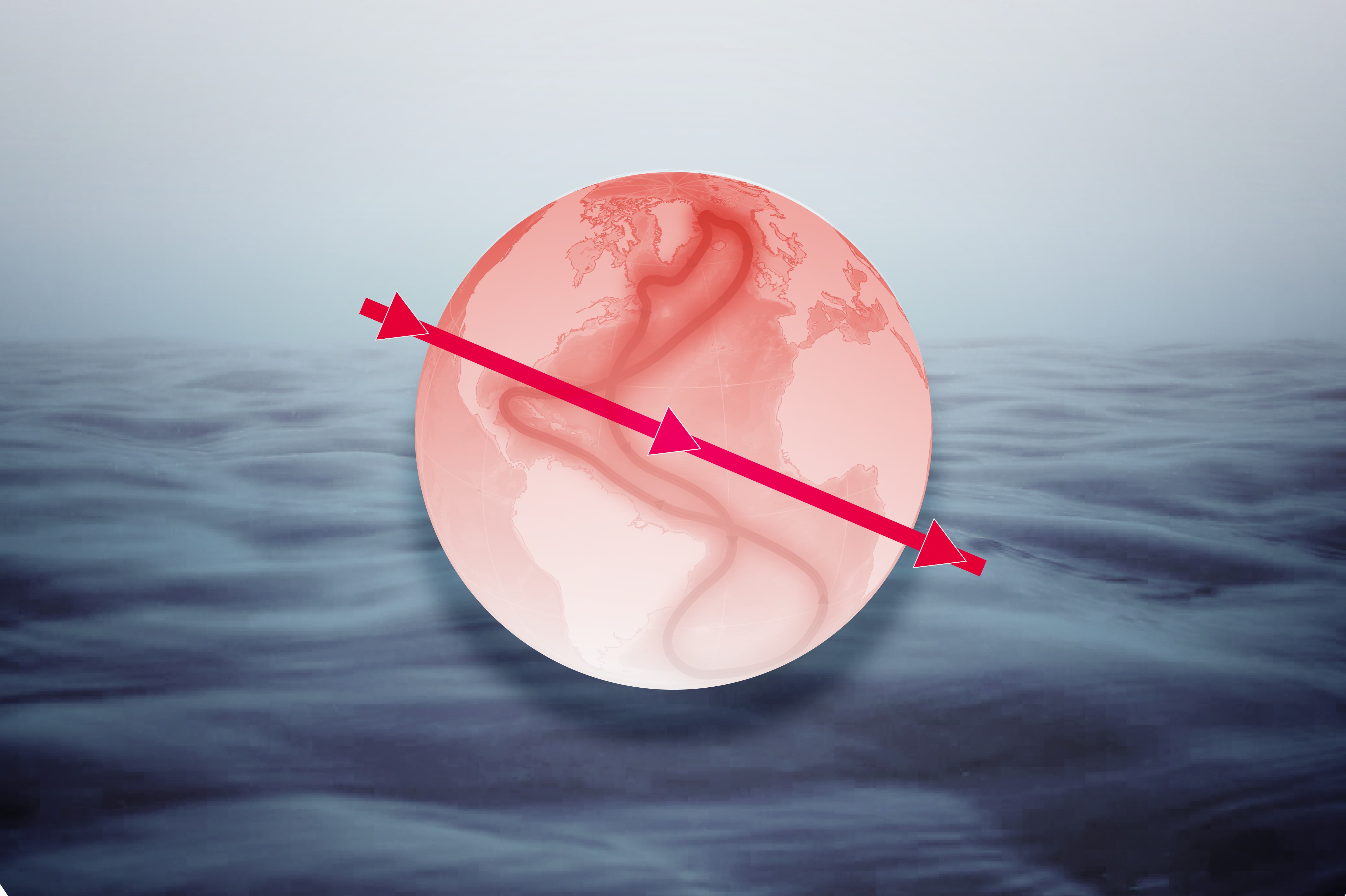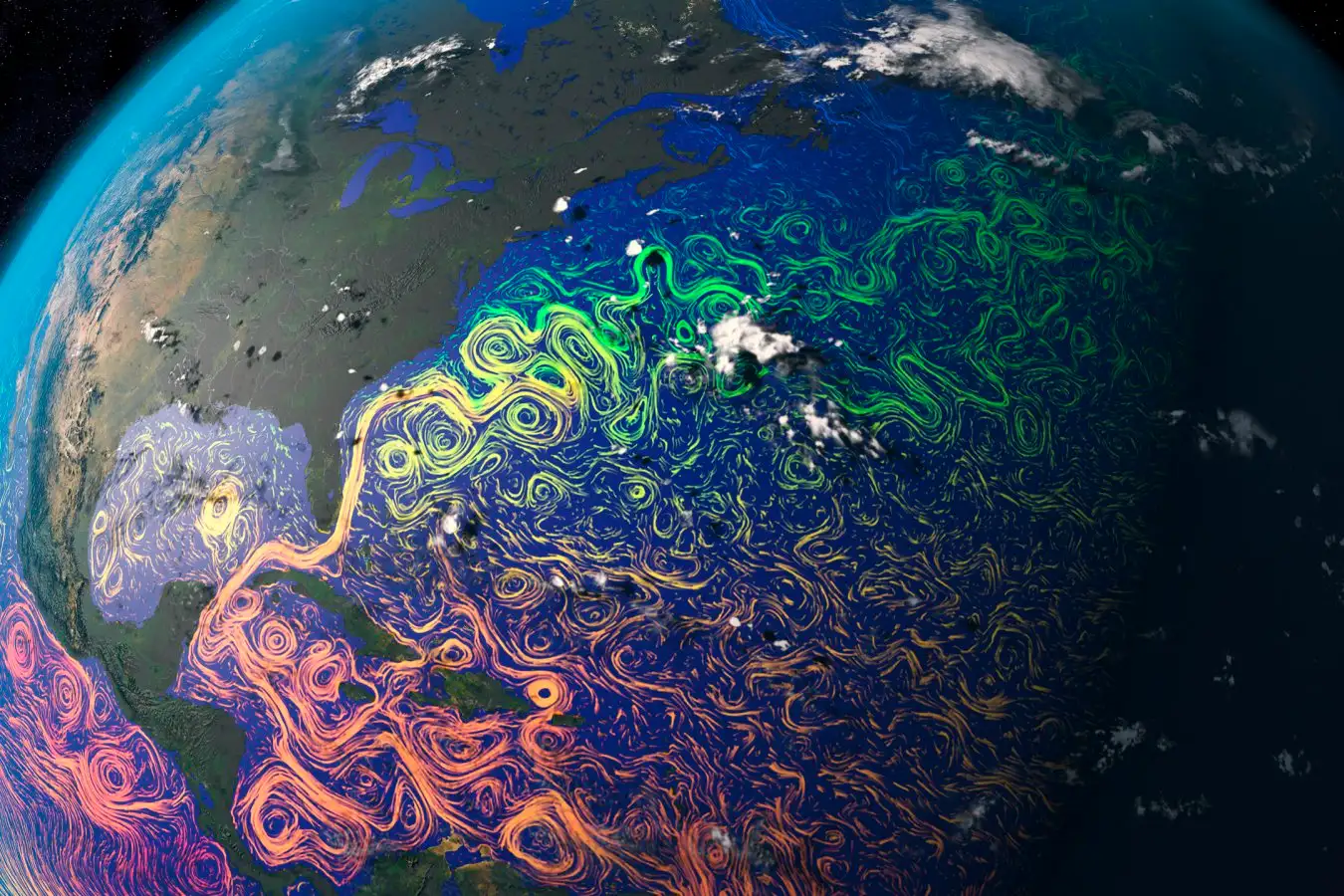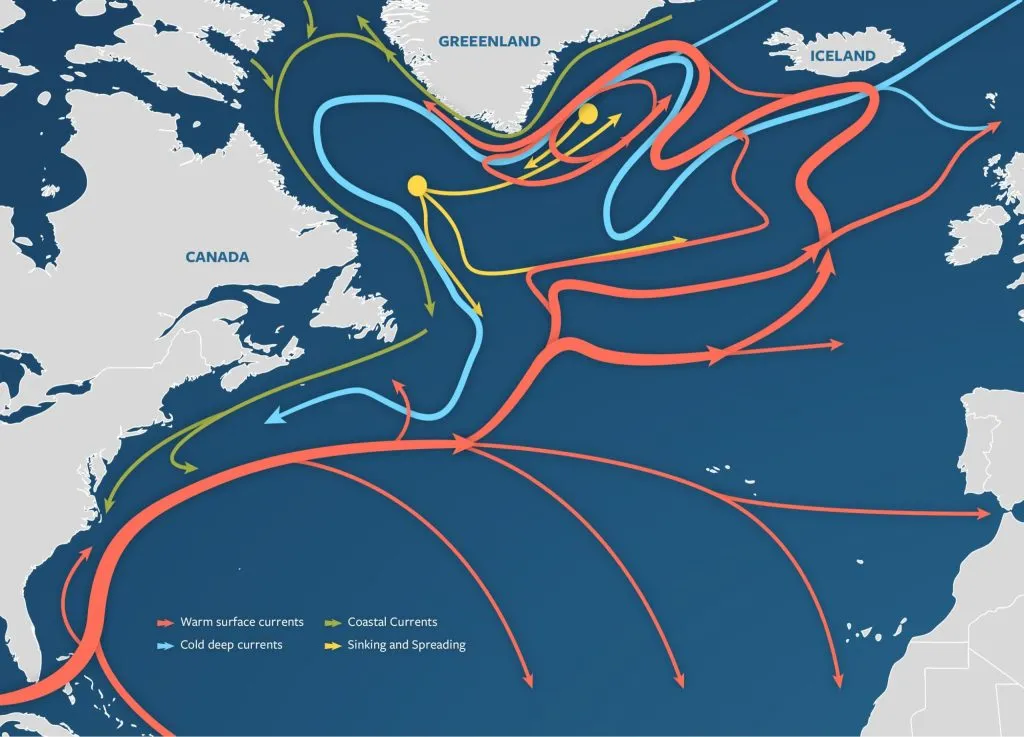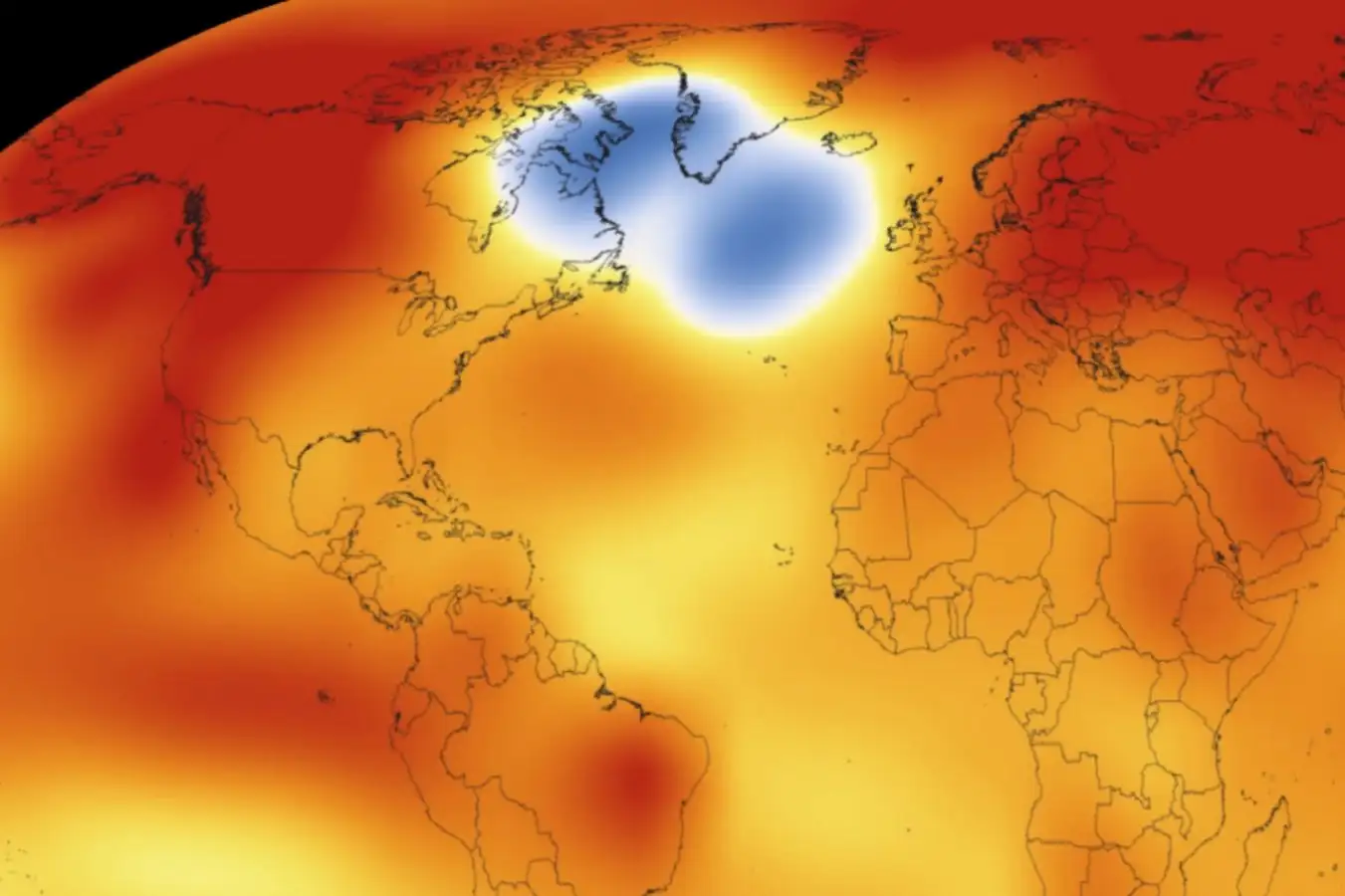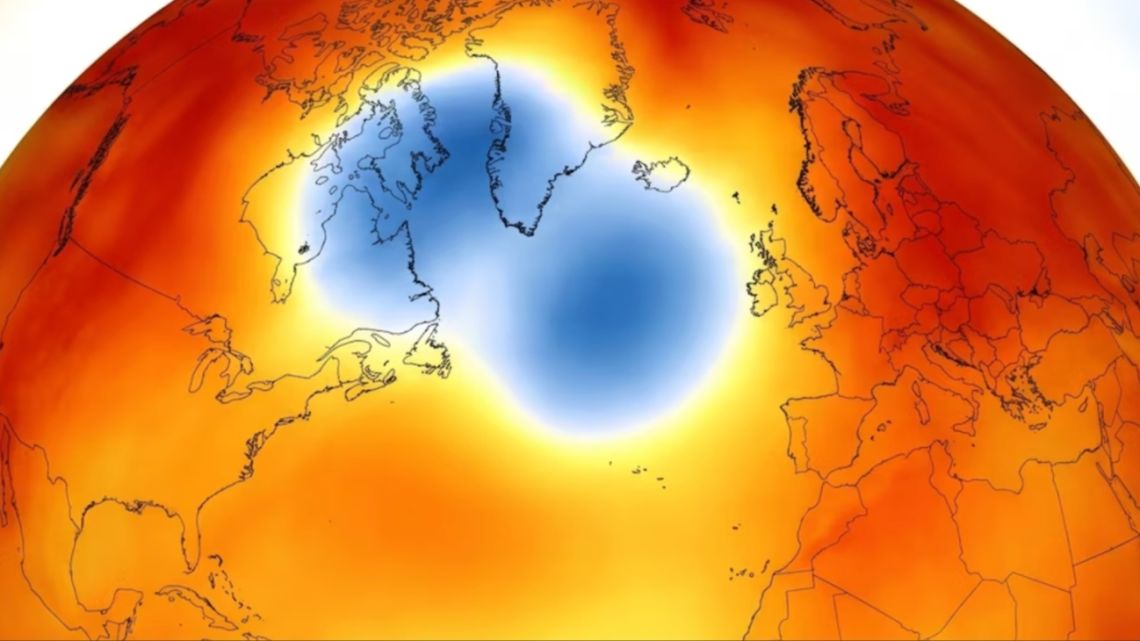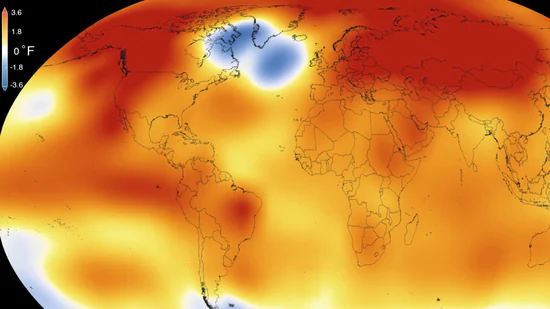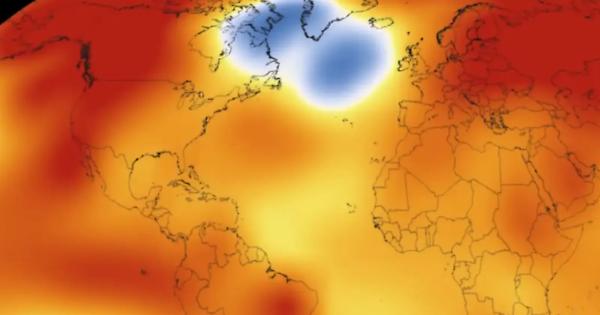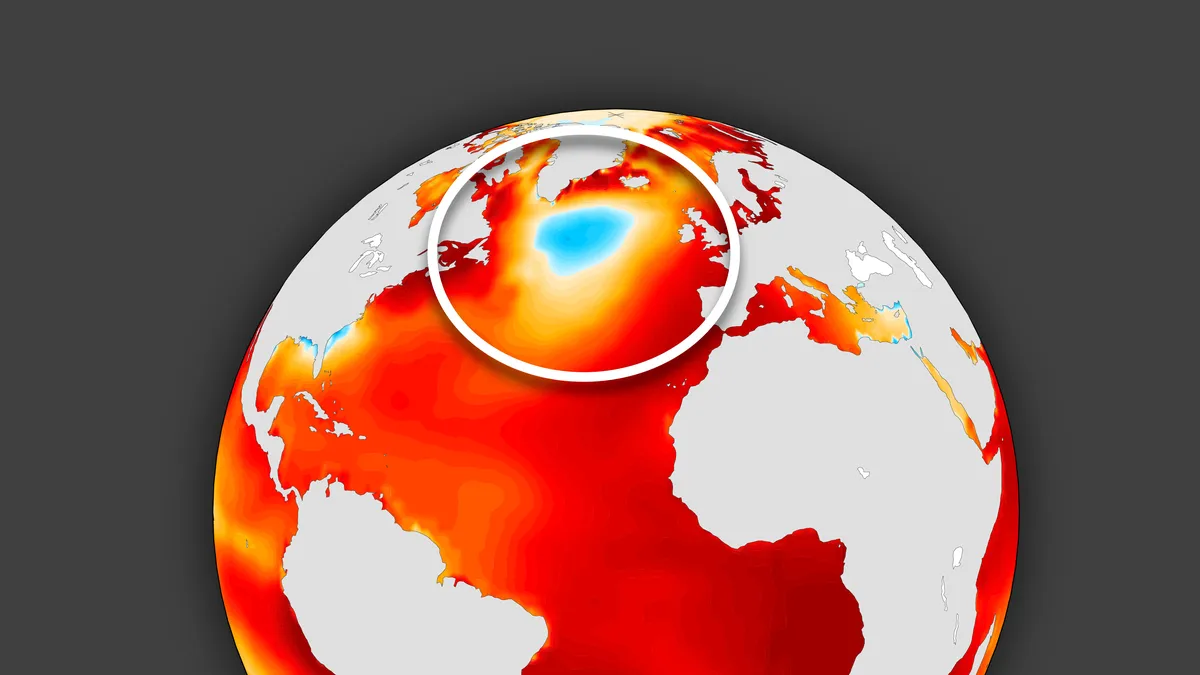
Deep in the Atlantic, a vast circulation of water carries heat from the tropics toward Greenland. This is the Atlantic meridional overturning circulation, or Amoc. It does this work largely out of sight, so it doesn't have the public profile of rainforests, polar ice caps or other huge climate-regulating systems.
Recent studies suggest it is weakening. If it slows further, northern Europe could experience much colder winters even as the world warms, while tropical monsoons could shift and sea levels could suddenly rise along the East Coast.
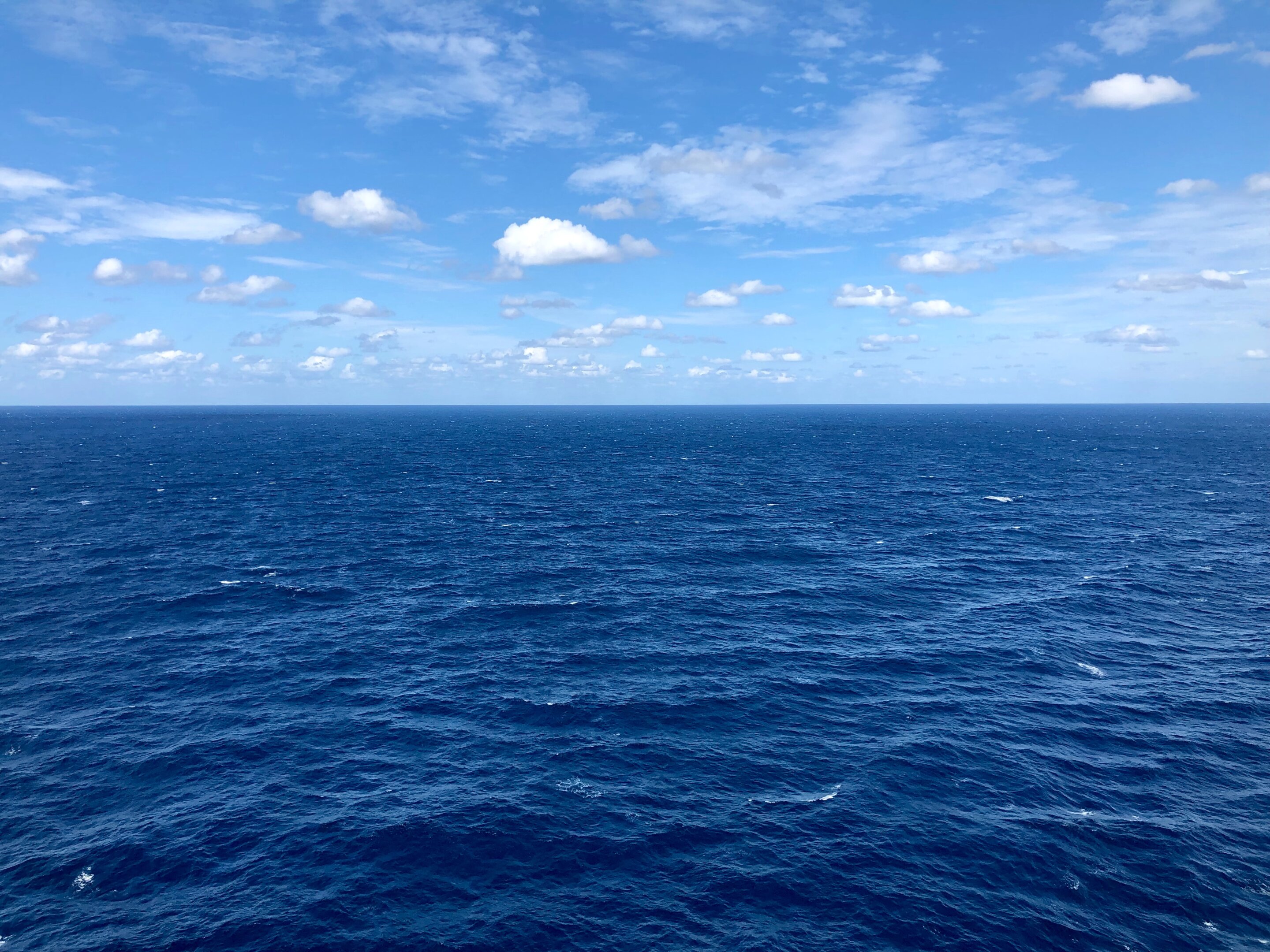
Yet despite repeated scientific warnings, Amoc rarely remains in the headlines for long. One explanation involves media ownership and editorial constraints, but there is another. Amoc presents a particular problem for modern journalism: It is extraordinarily difficult for many to even imagine, as it exists in a world far below our own—moving slowly, silently through the Atlantic.
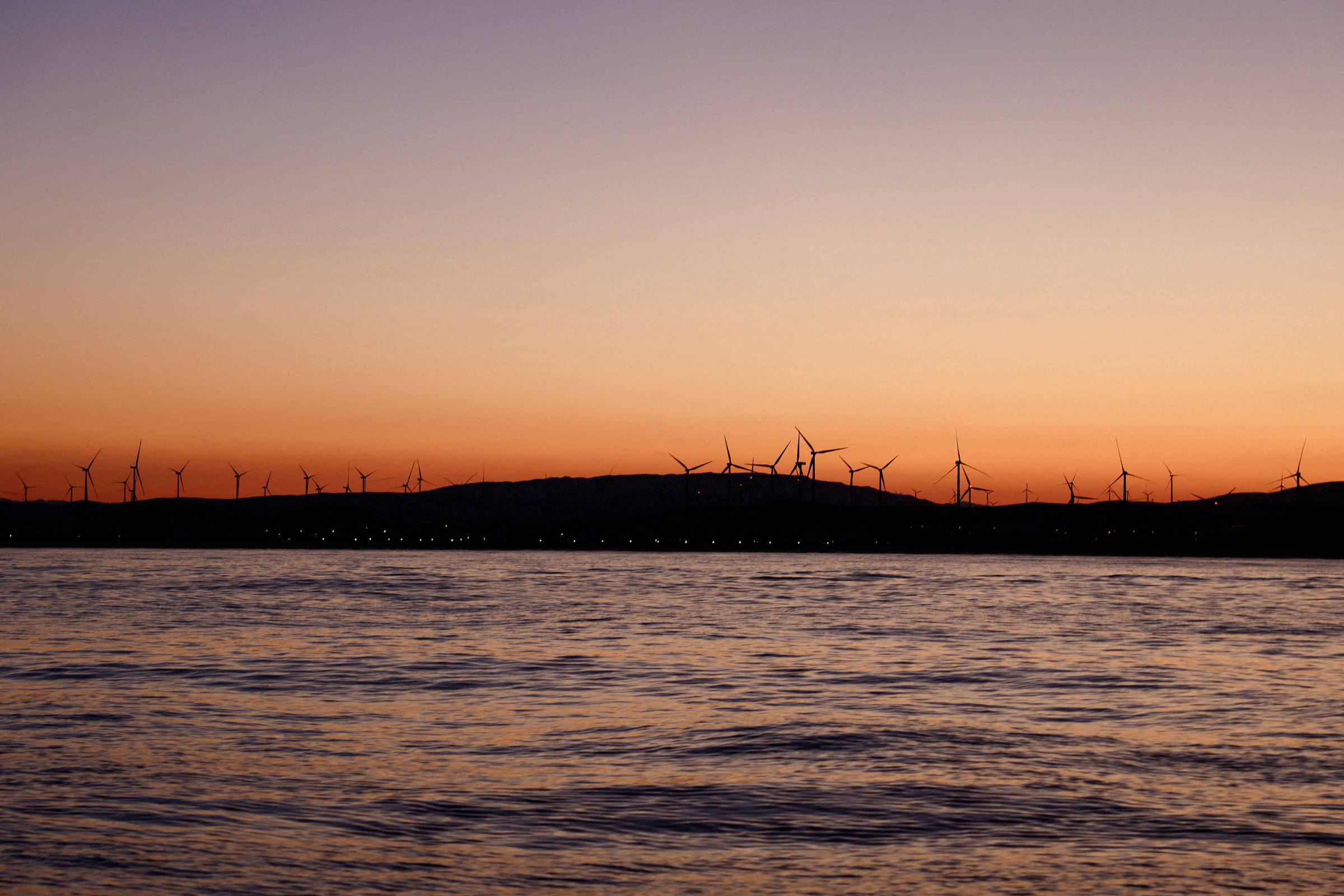
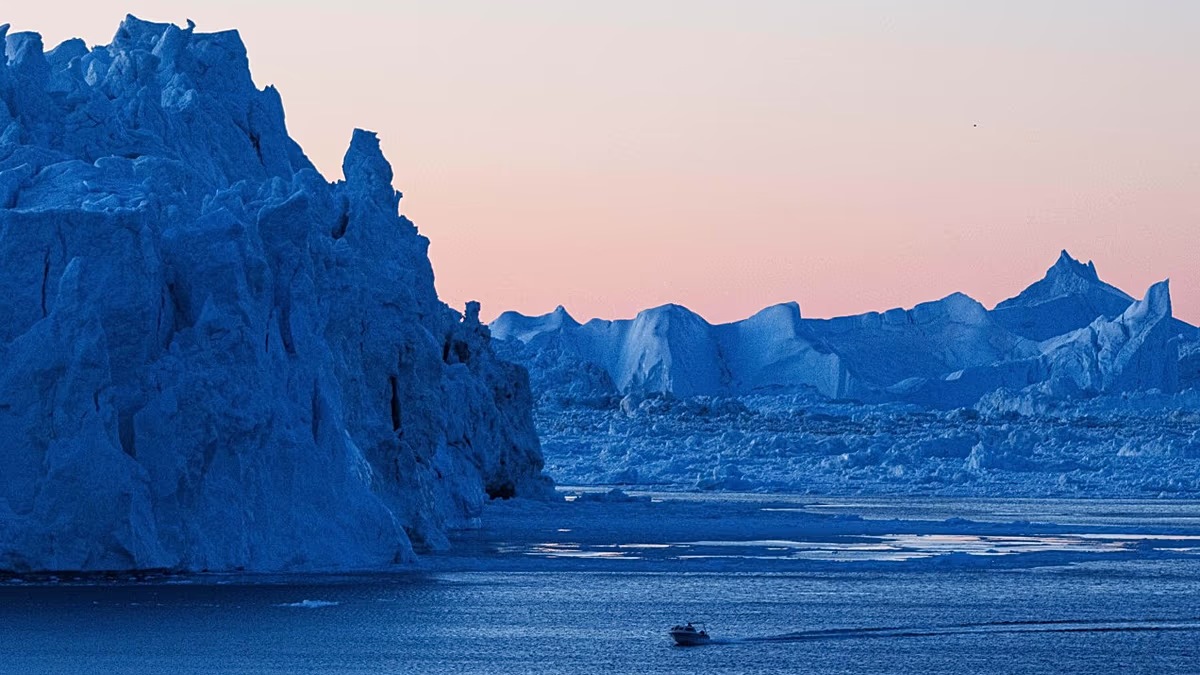
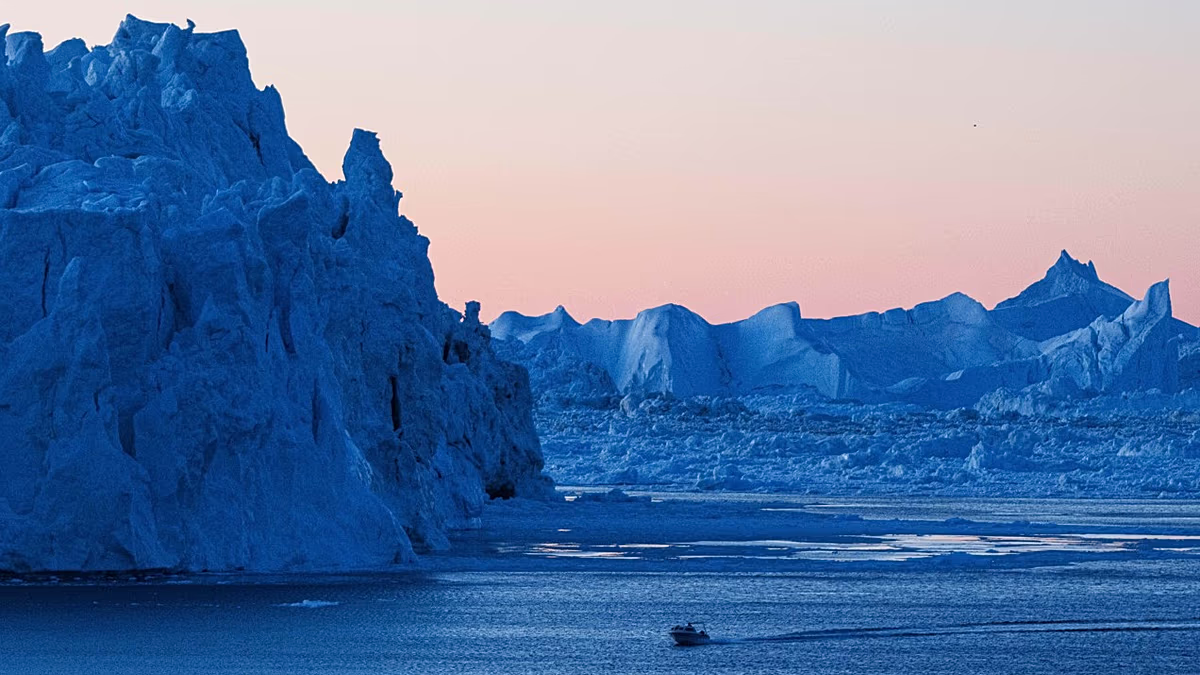
Images help shape how people understand climate issues. In journalism, over decades, a visual culture has evolved: burning forests, calving icebergs, oil rigs at sunset, swirling hurricanes, beaches strewn with plastic bottles. These visuals act as stand-ins for systems that are hard or impossible to observe directly. Climate journalism did not create this visual filter, but it has to operate within it.