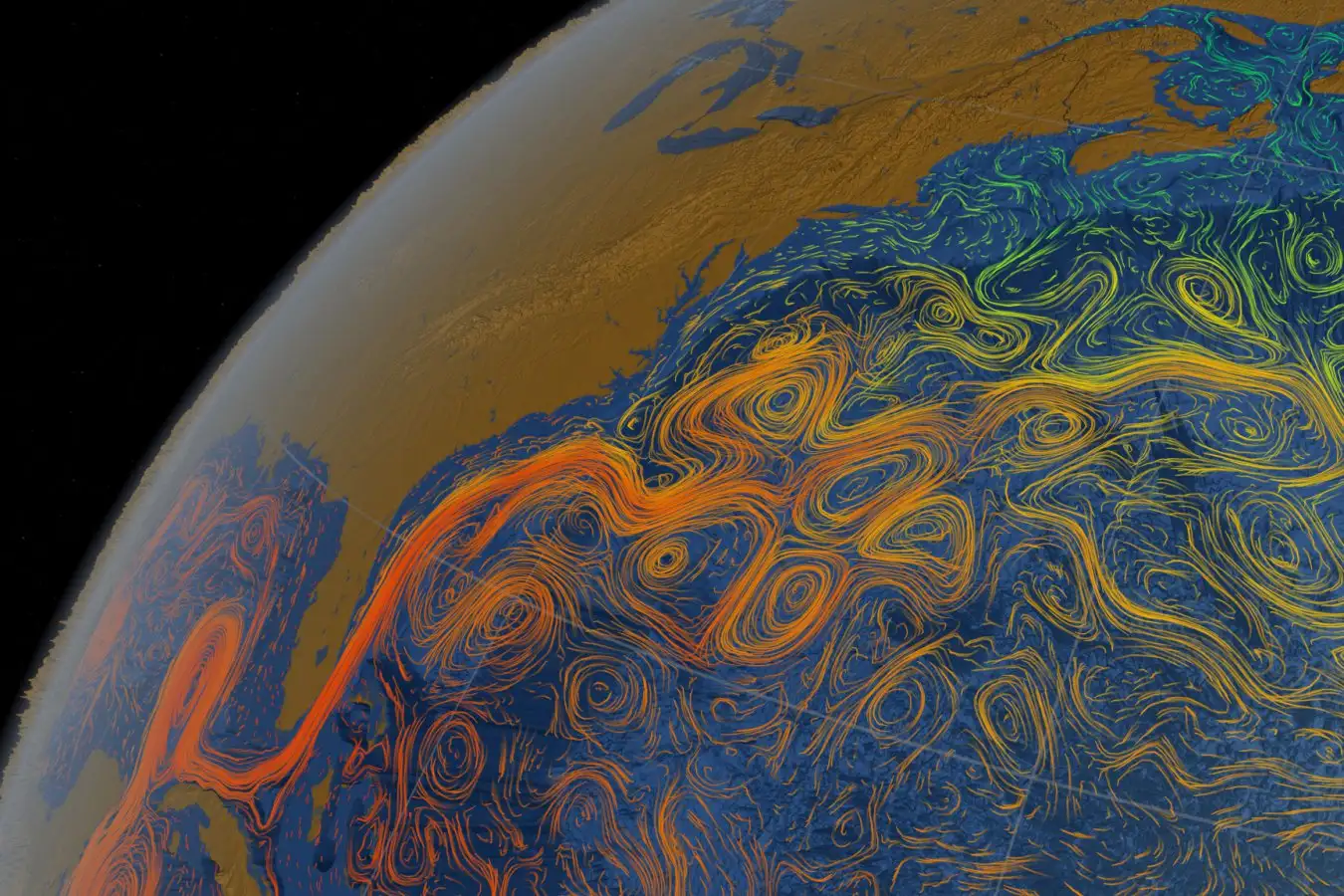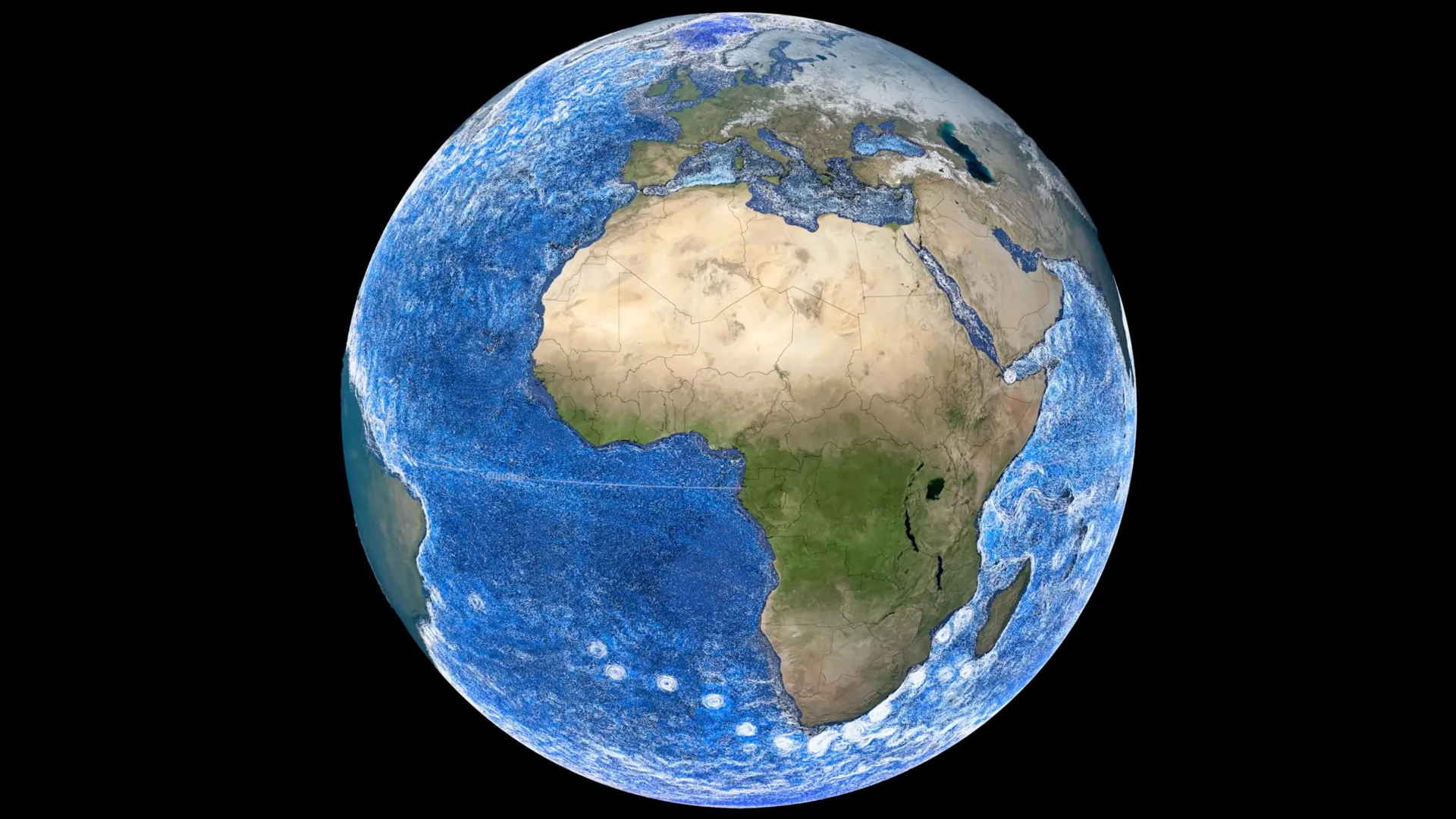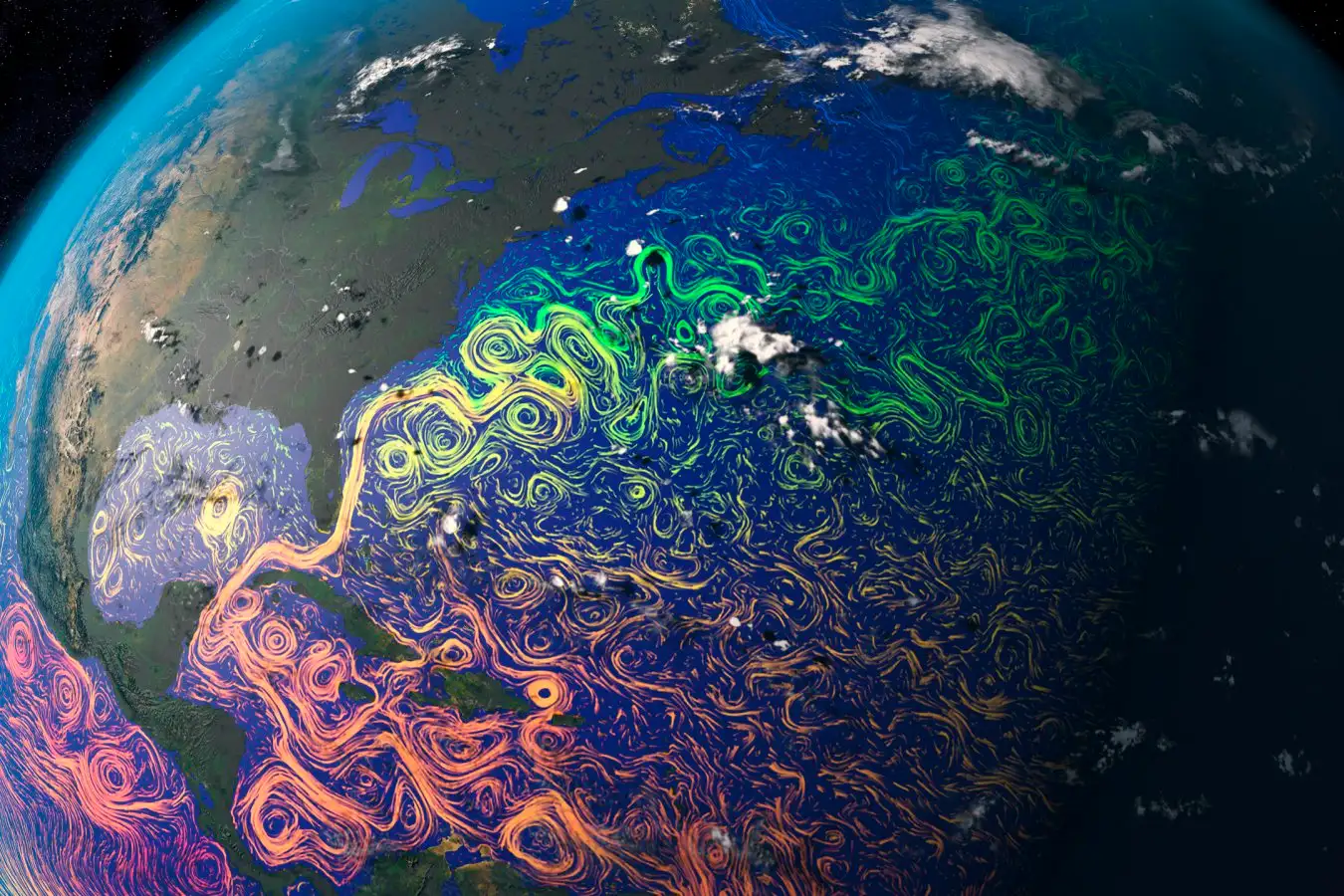
A visualisation of Atlantic Ocean currents based on satellite imageryKARSTEN SCHNEIDER/SCIENCE PHOTO LIBRARY
The Atlantic Meridional Overturning Circulation (AMOC) could weaken under a flood of Greenland meltwater, but this slowdown would be gradual and it would reverse if global warming were halted, according to a state-of-the-art climate model.
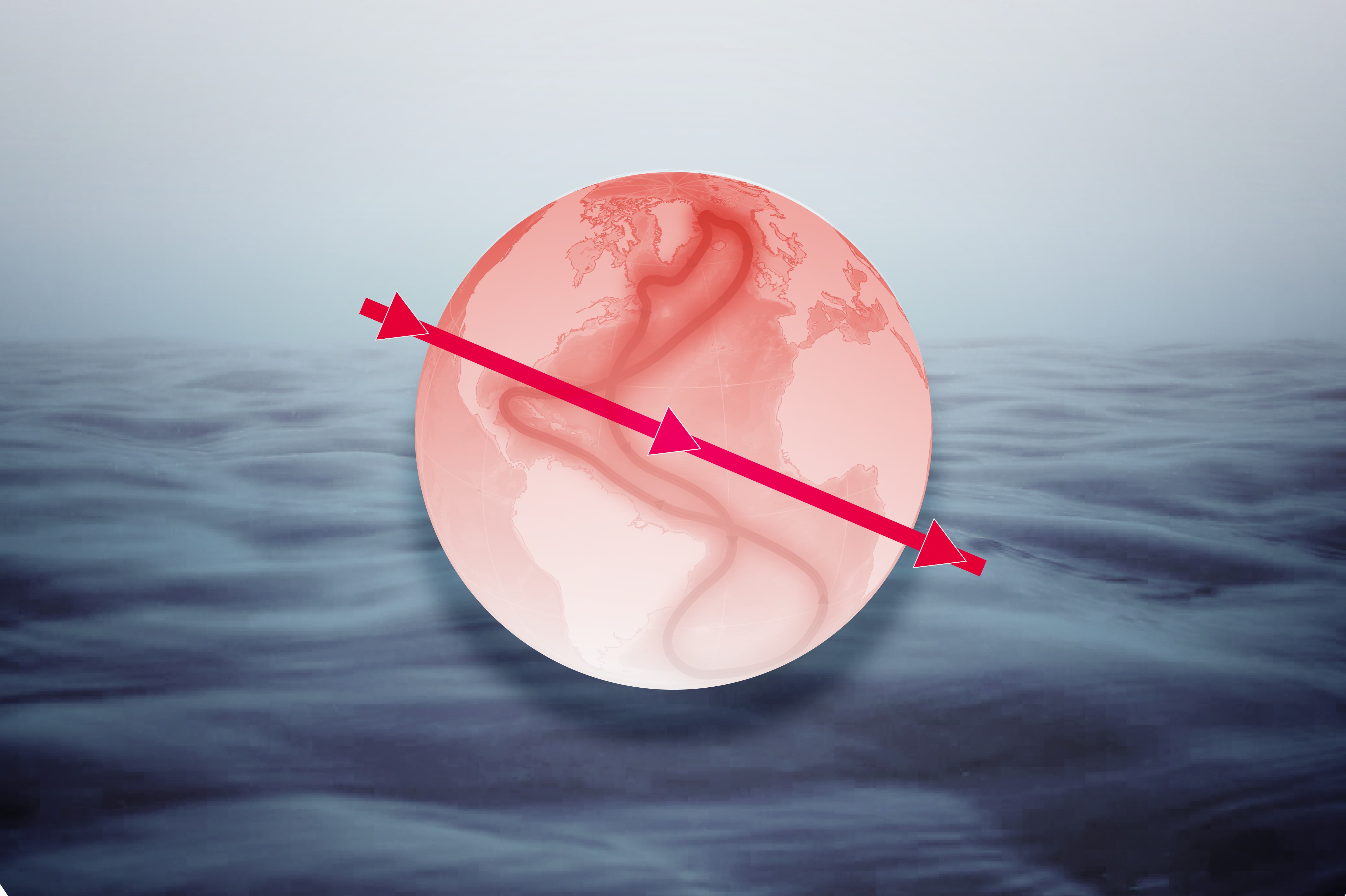
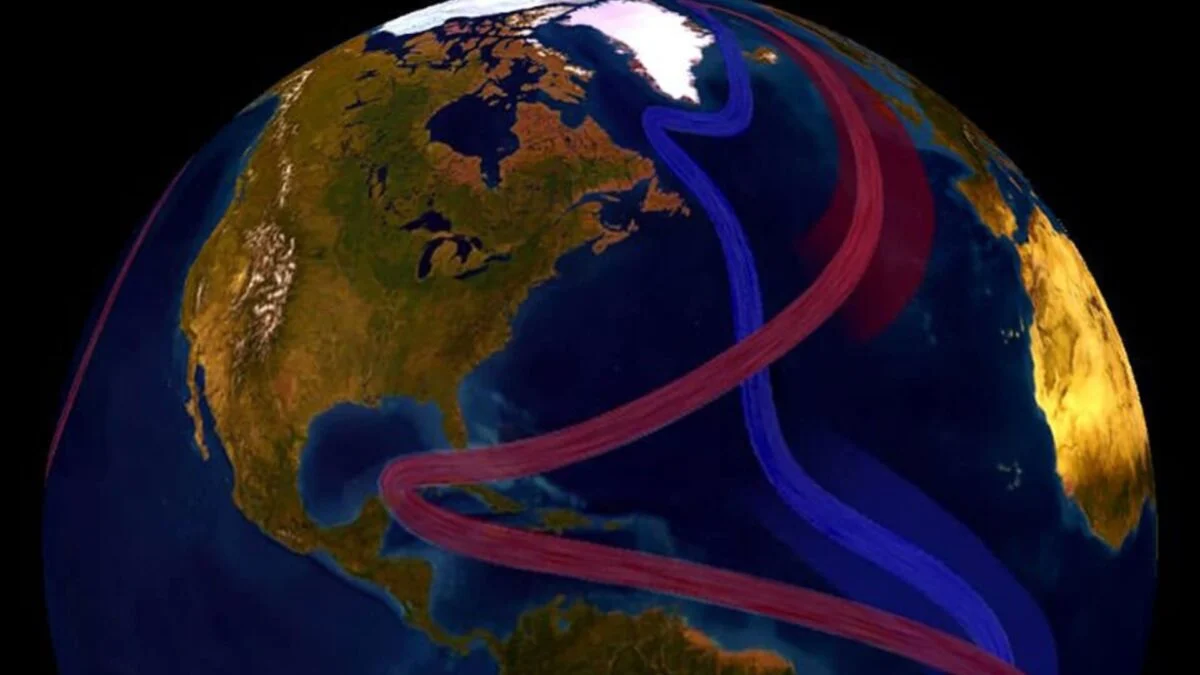
The AMOC is a system of currents that brings warm, salty, tropical water into the North Atlantic Ocean, where it cools, sinks and returns southwards along the seabed. Fresh water melting from the Greenland ice sheet appears to be mixing with this dense seawater and slowing its cascade down to the ocean floor.
Because Greenland is now losing 30 million tonnes of ice every hour, some scientists fear the AMOC could face an abrupt and irreversible collapse, plunging Europe into near-Arctic conditions. One study found the AMOC could cross a tipping point within decades.
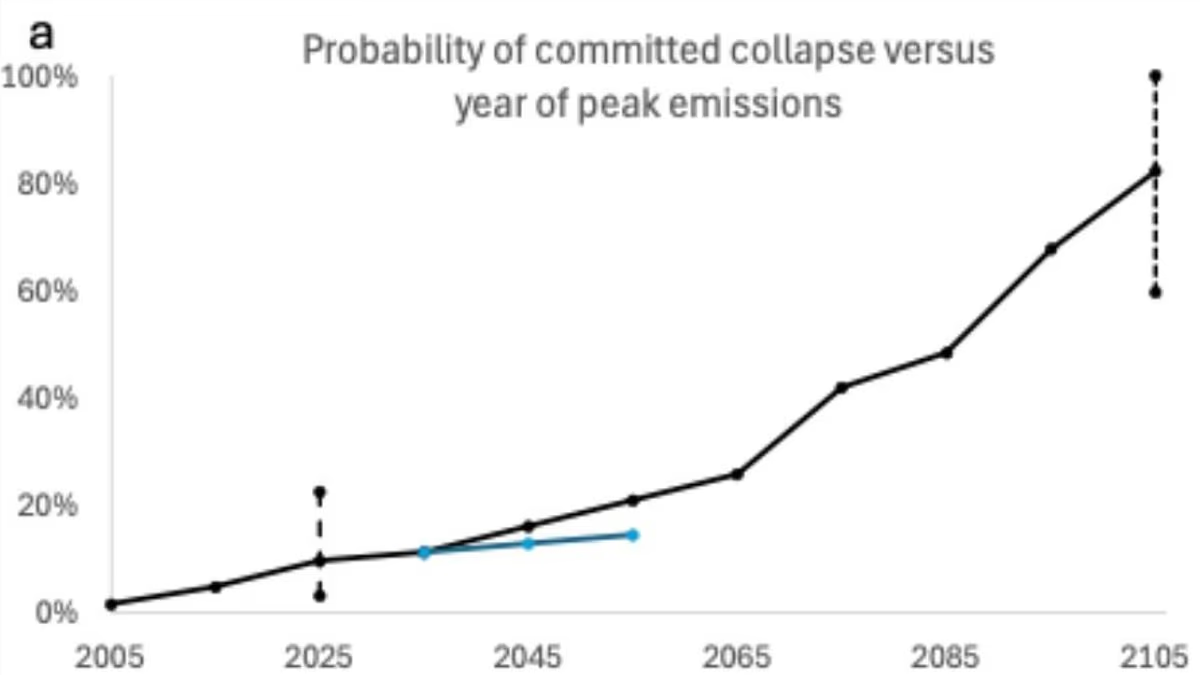
But modelling research by Oliver Mehling at Utrecht University in the Netherlands and his colleagues has found that while continued rapid Greenland melt could steadily weaken the AMOC under global warming, this decline wouldn’t mark a point of no return.