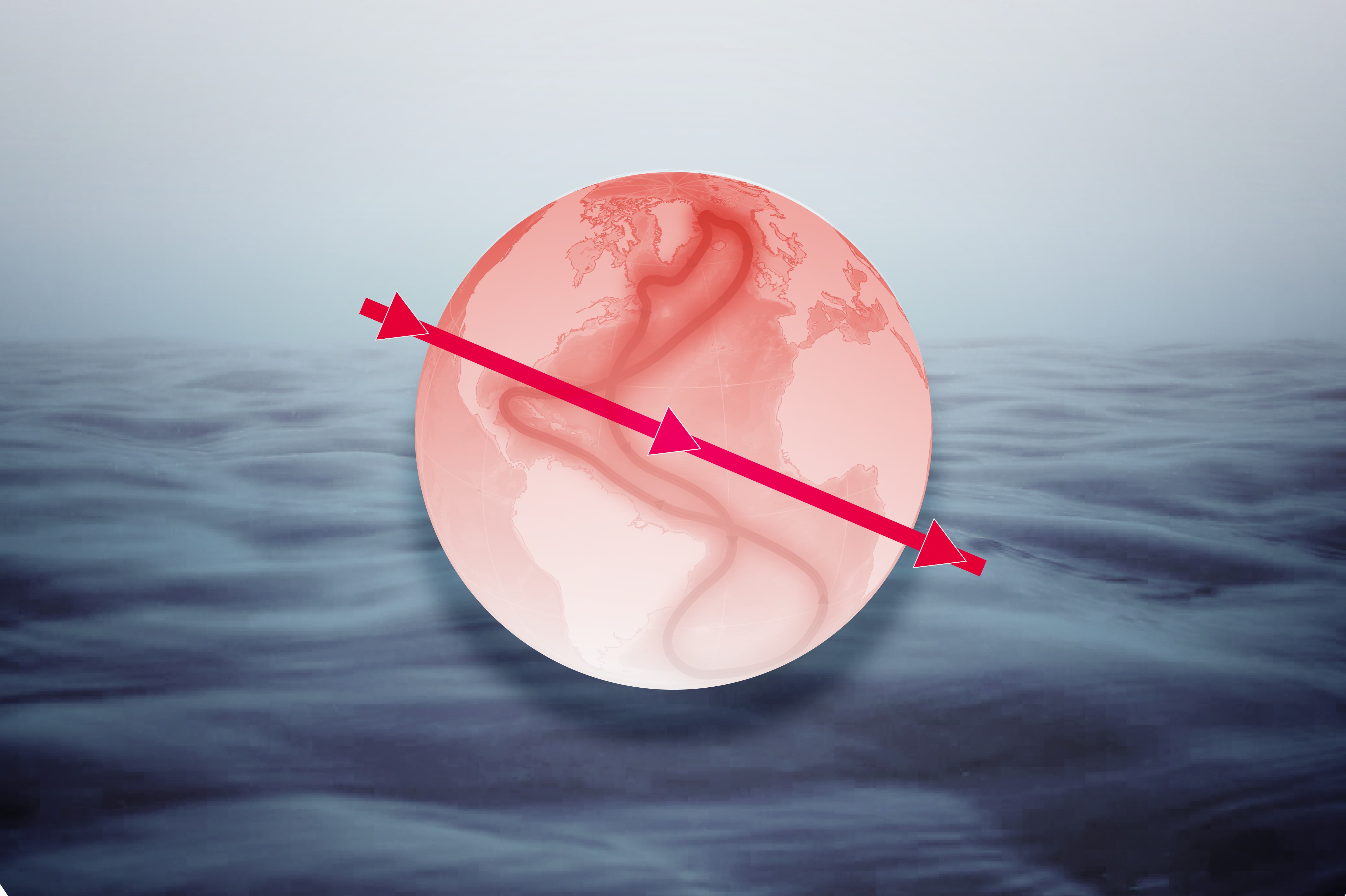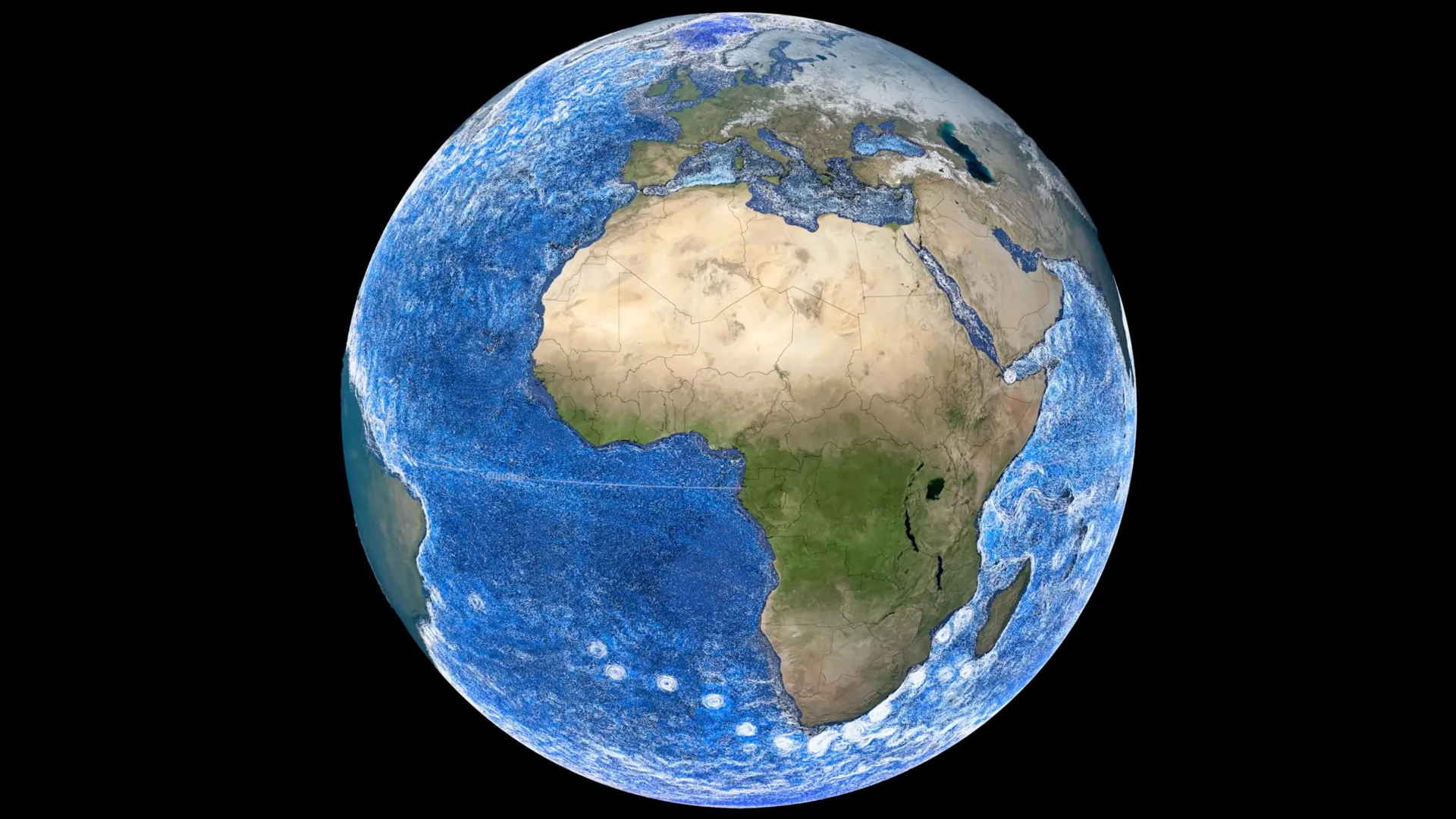
Scientists have long believed that warm, salty water flowing from the Indian Ocean around the southern tip of Africa and into the Atlantic helps support one of the planet's most important ocean circulation systems. This flow, known as Agulhas Leakage, has been considered a major contributor to the Atlantic Meridional Overturning Circulation (AMOC), which forms part of the global ocean conveyor system.
New findings from an international research team based in the Netherlands, USA, China and UK suggest that this relationship is more complicated than previously assumed. Their results indicate that changes in Agulhas Leakage do not always produce the expected response in deep water formation. The study offers a clearer picture of how the AMOC works and how its behavior may vary under different climate conditions.
Testing a Textbook Explanation of the AMOC
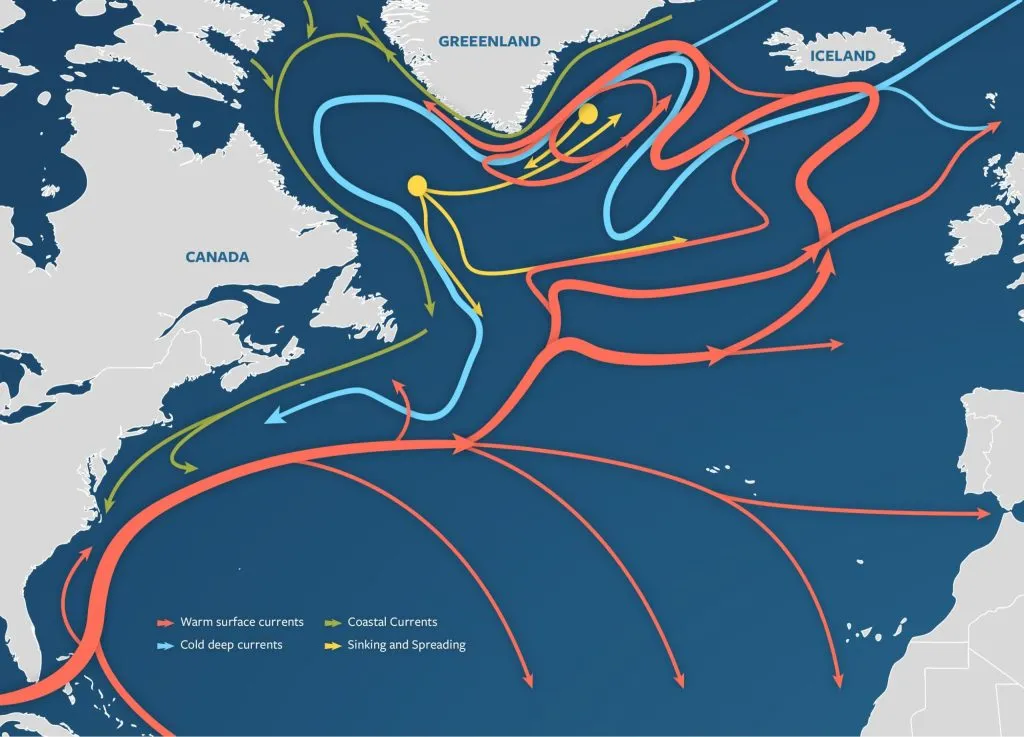
The Atlantic Meridional Overturning Circulation (AMOC) transports warm surface water toward the north while carrying colder, denser water back toward the south at greater depths. Through this exchange, it influences temperatures across the North Atlantic and much of Europe, making it a central part of the global climate system.
For decades, researchers have proposed that Agulhas Leakage helps maintain or strengthen the AMOC. This leakage carries warm, salty Indian Ocean water around South Africa and into the Atlantic. Its strength is influenced by shifts in the position of the subtropical front. According to the traditional explanation, the added salt encourages the formation of North Atlantic Deep Water, which helps sustain Atlantic overturning.