view more
For decades, scientists have asserted that the leakage of warm, salty Indian Ocean water south of South Africa into the Atlantic is a major contribution to the Atlantic Meridional Overturning Circulation (AMOC), a component of the global ocean conveyor system. New research led by an international team from the Netherlands, USA, China and UK suggests that the mechanism linking leakage of Indian Ocean water and deep-water formation was and is not as straightforward as previously thought. This research contributes to a better understanding of the AMOC, a key regulator of the Earth’s climate.
A Long-Standing Assumption Put to the Test
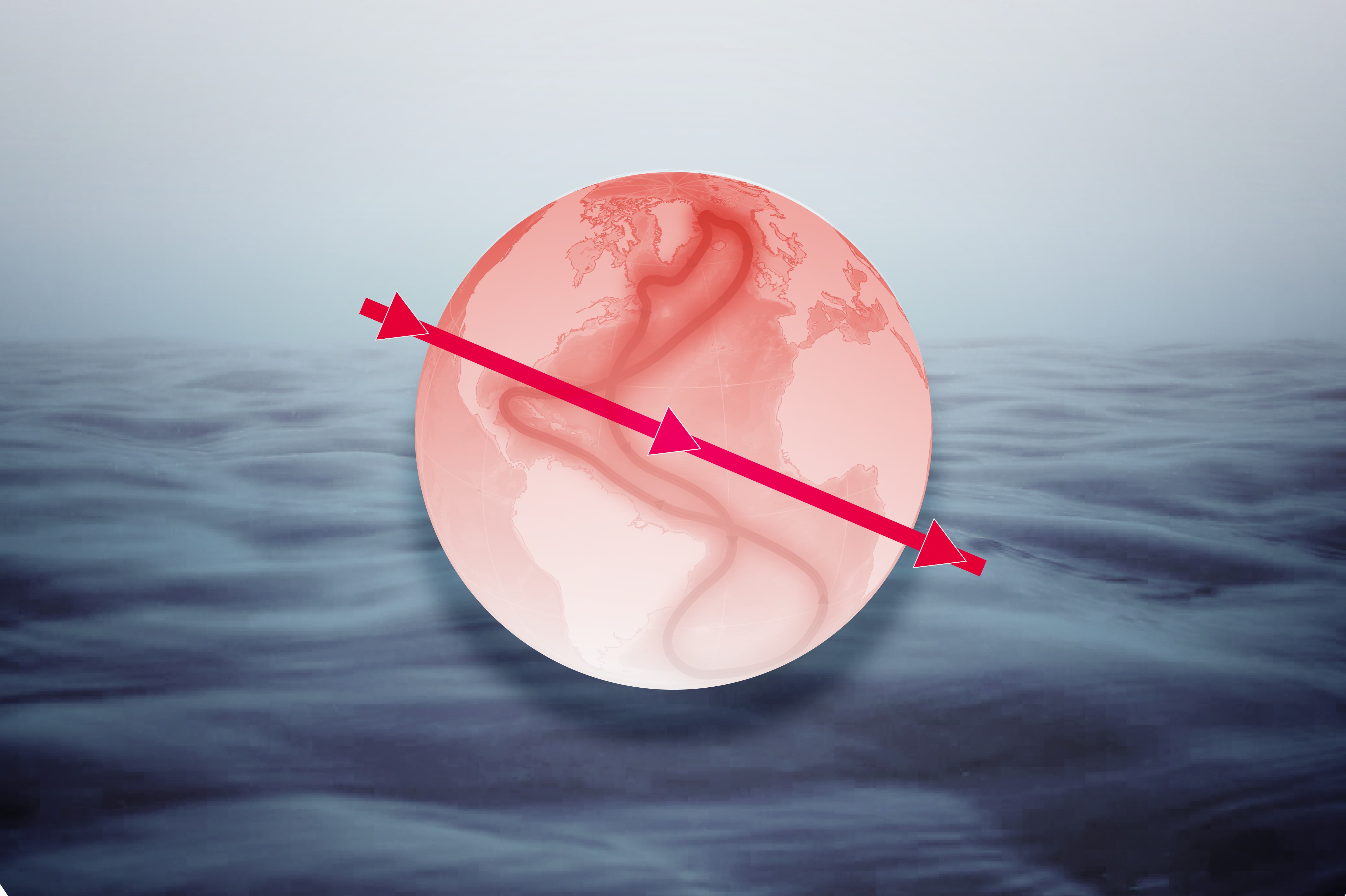
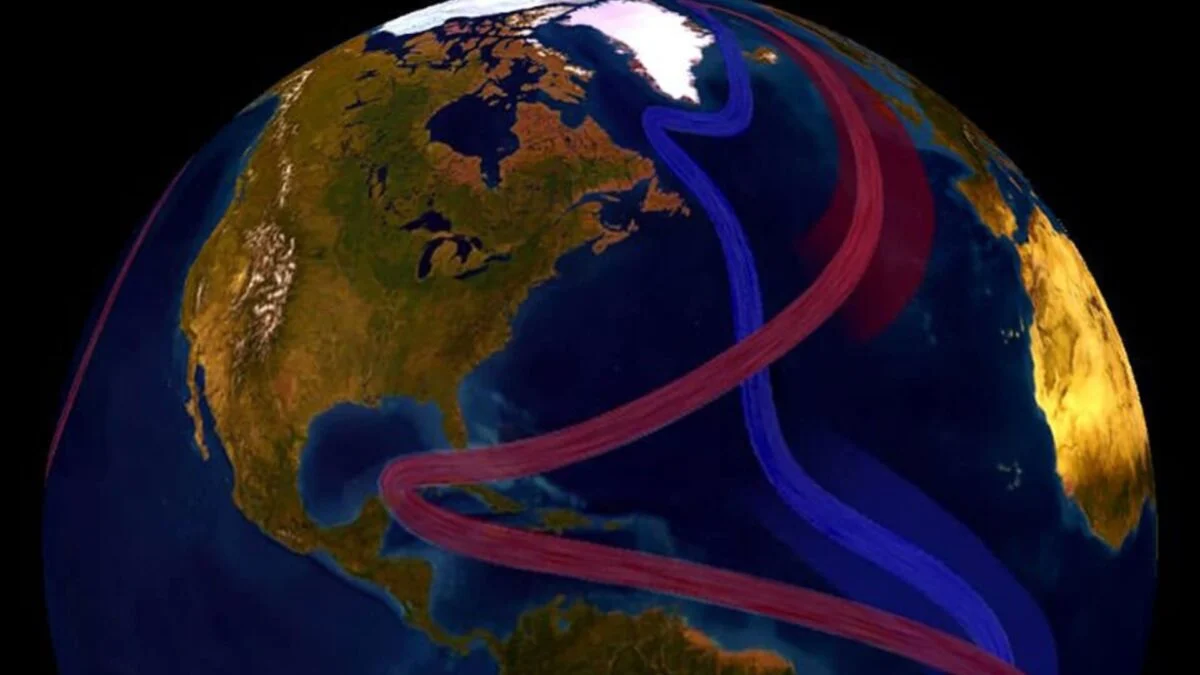
The Atlantic Meridional Overturning Circulation (AMOC) carries warm surface water northward and returns colder, denser water at depth, shaping the climate across the North Atlantic and far into the European continent. As such, the AMOC plays a pivotal role in the Earth’s climate system. For decades, scientists have proposed that Agulhas Leakage, which is the transfer of warm, saline Indian Ocean water around South Africa into the Atlantic controlled by the shifts in the subtropical front position, supplies salt that supports North Atlantic Deep Water formation and helps sustain or strengthen the AMOC. “This was basically the first textbook concept, that I learnt when I was a bachelor student. It was surprising to find geological evidence showing that it isn’t universally true. The AMOC can remain strong even when Agulhas Leakage weakens,” explains lead author Dr Suning Hou from Utrecht University.