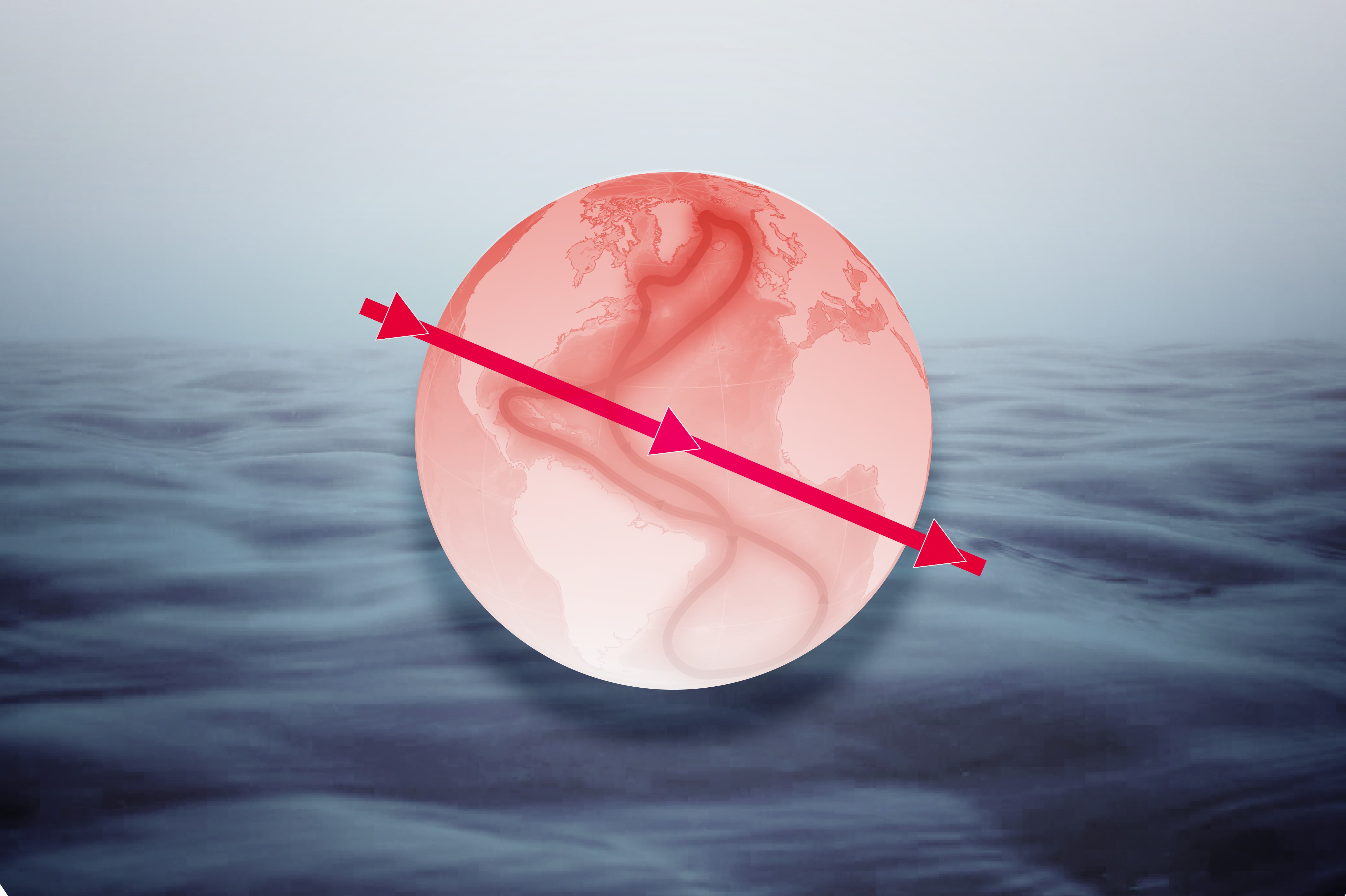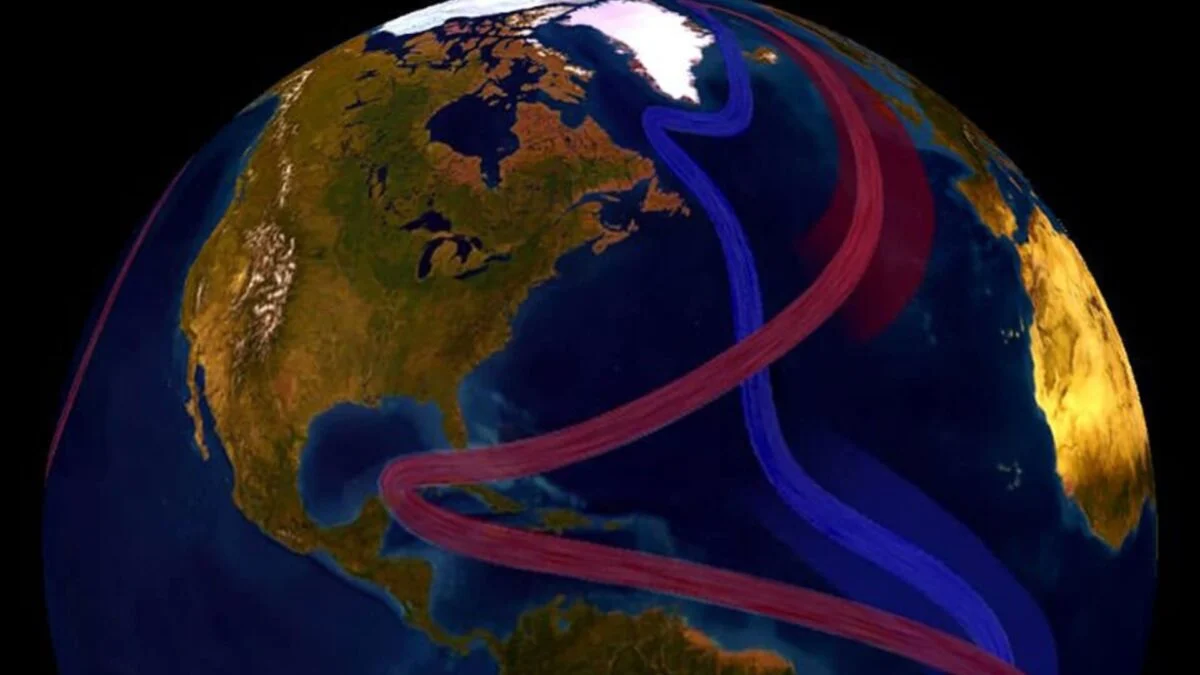
For years, climate scientists have warned that the Atlantic Meridional Overturning Circulation (AMOC) could eventually shut down if global temperatures rise too far. New findings from researchers at Utrecht University suggest that temperature alone does not determine the fate of this major ocean circulation system. The speed at which the planet warms also appears to play a critical role in whether the AMOC remains stable. The study was published in the scientific journal Nature Climate Change.
The Atlantic Meridional Overturning Circulation, or AMOC, is a vast network of ocean currents that carries warm water northward from the tropics. By moving heat around the planet, it strongly influences the global climate and helps maintain the relatively mild conditions found in Western Europe.
Scientists have long viewed this Atlantic 'heat engine' as a system that could cross a tipping point. If that happened, the AMOC could transition from its current strong circulation to a much weaker state within decades. Possible triggers include growing amounts of meltwater entering the ocean from polar regions as well as global warming itself.
Rethinking the AMOC Temperature Threshold
Researchers previously estimated that the AMOC could reach a tipping point and collapse at around +4°C of global warming. Scientists at the Institute for Marine and Atmospheric research Utrecht now say that this temperature threshold does not tell the whole story.