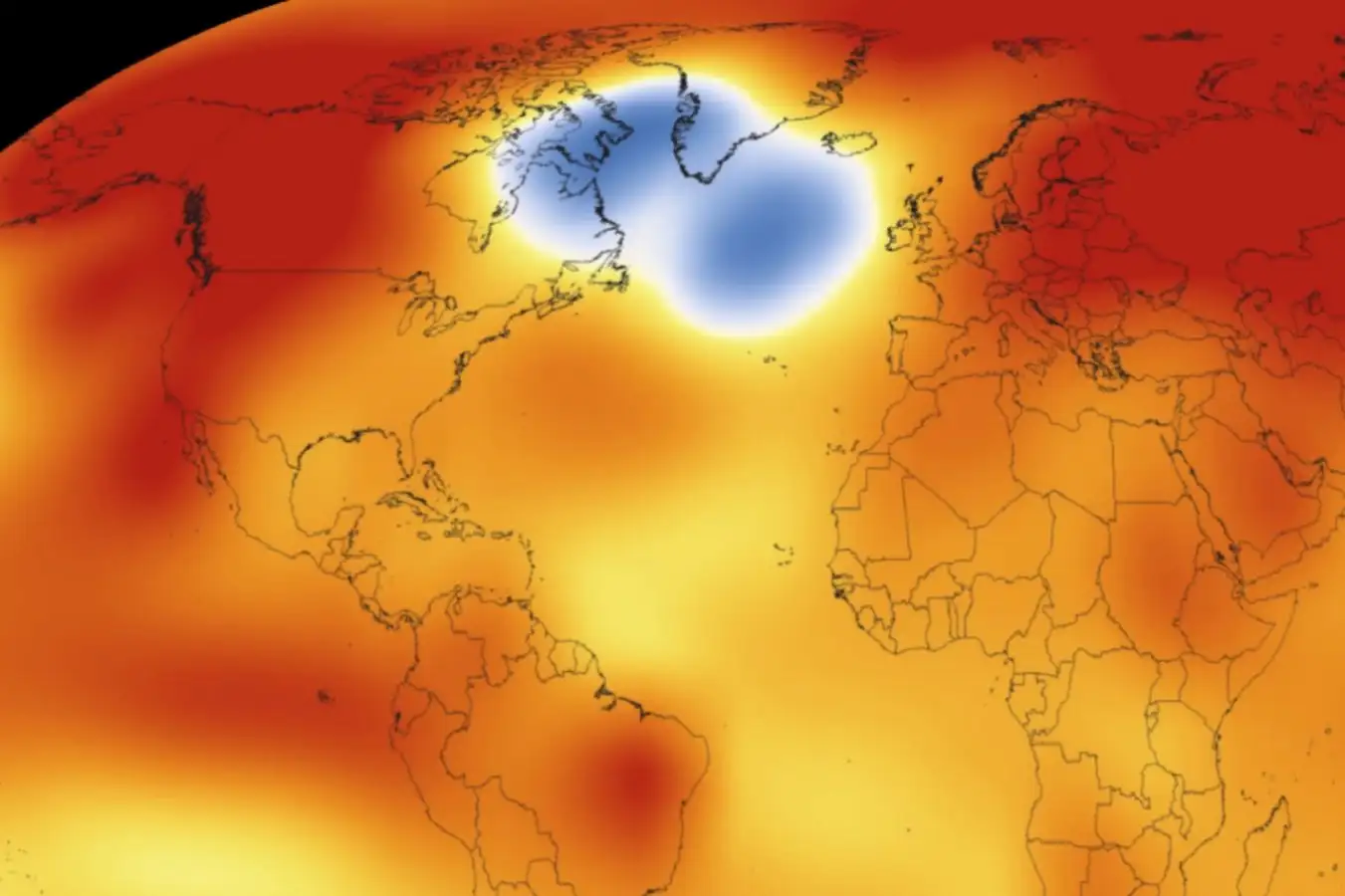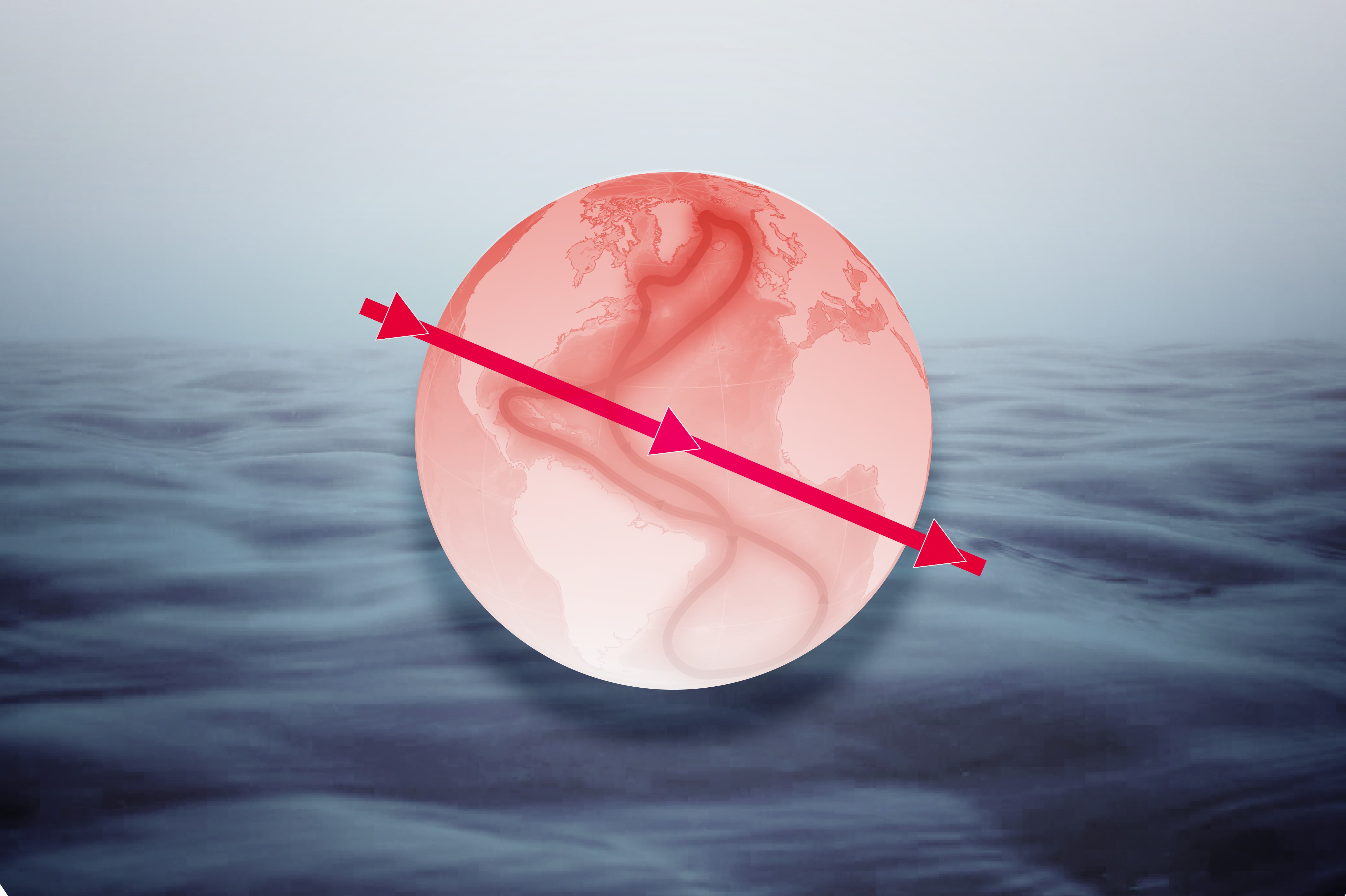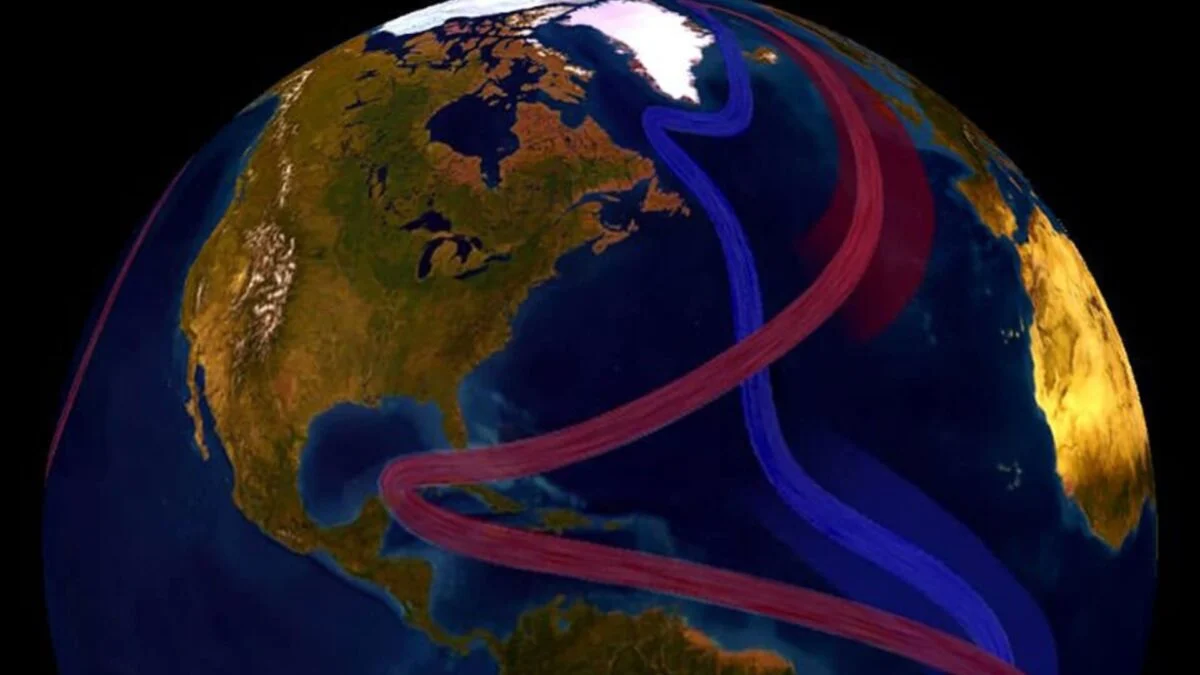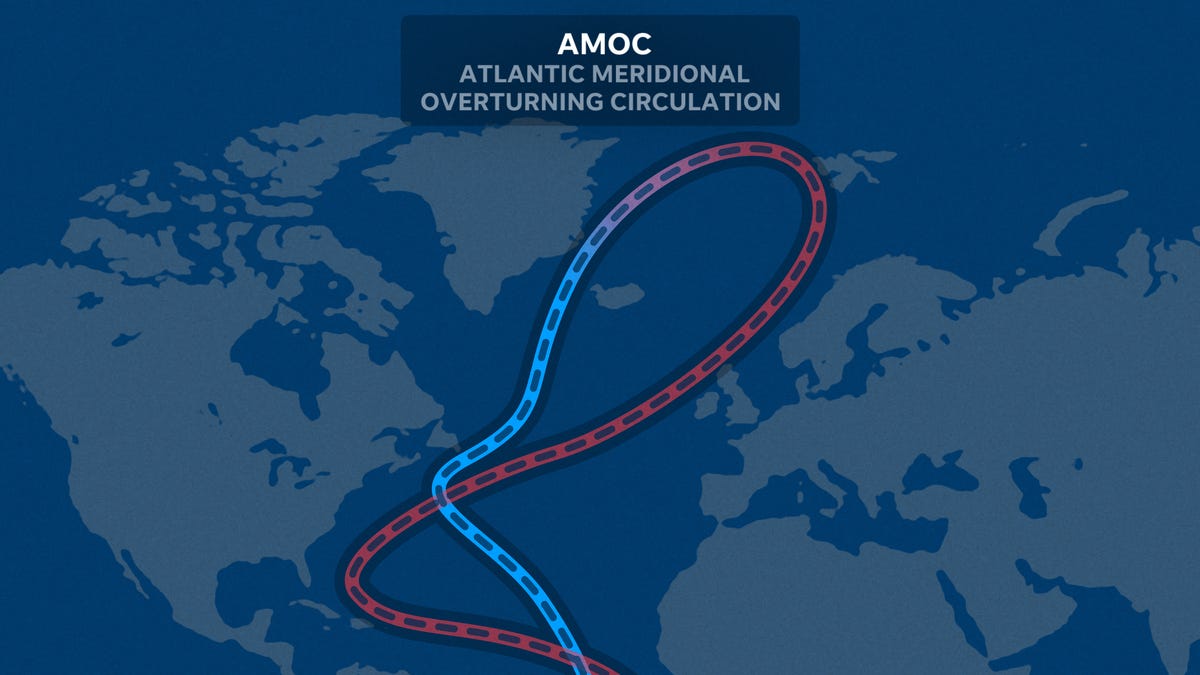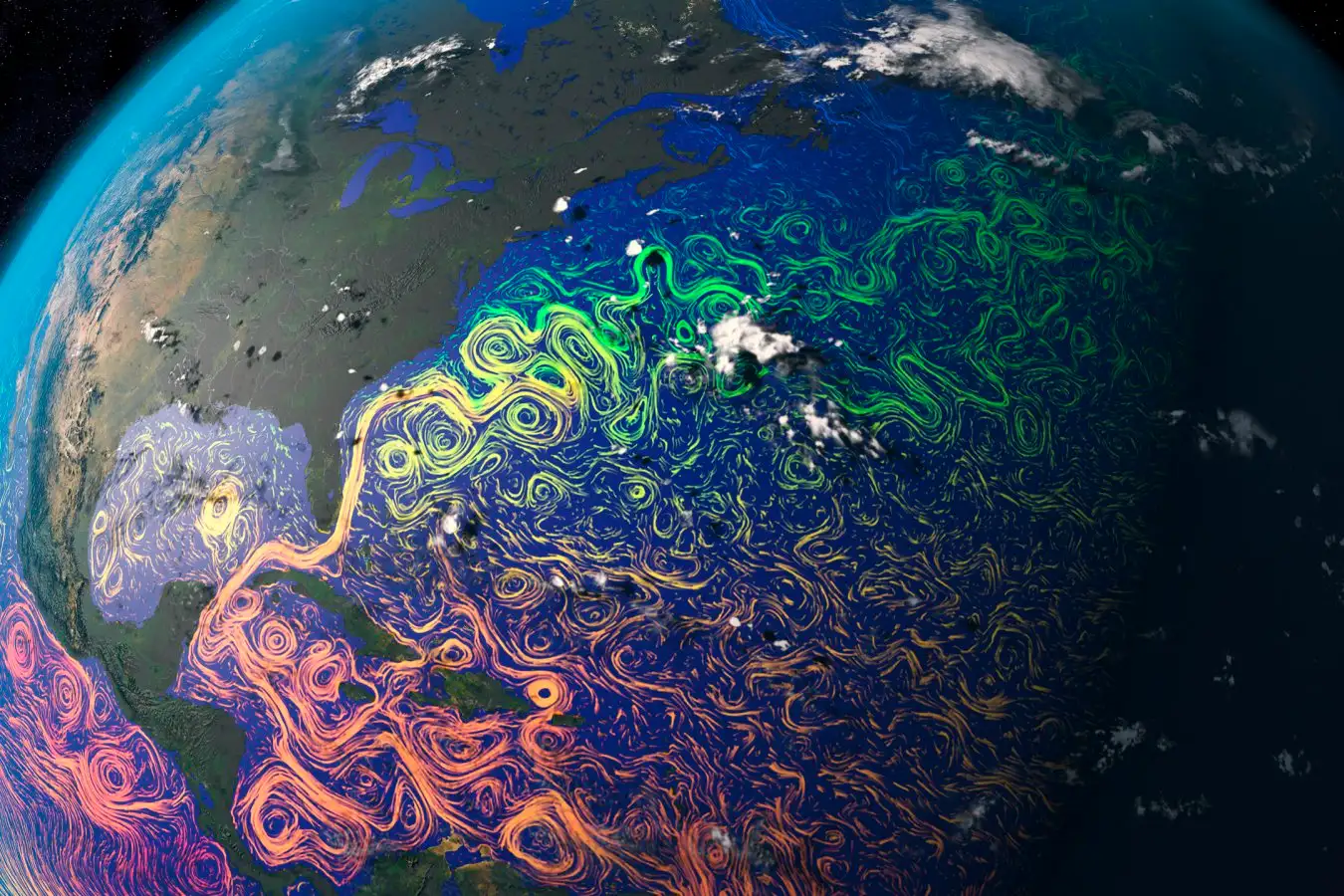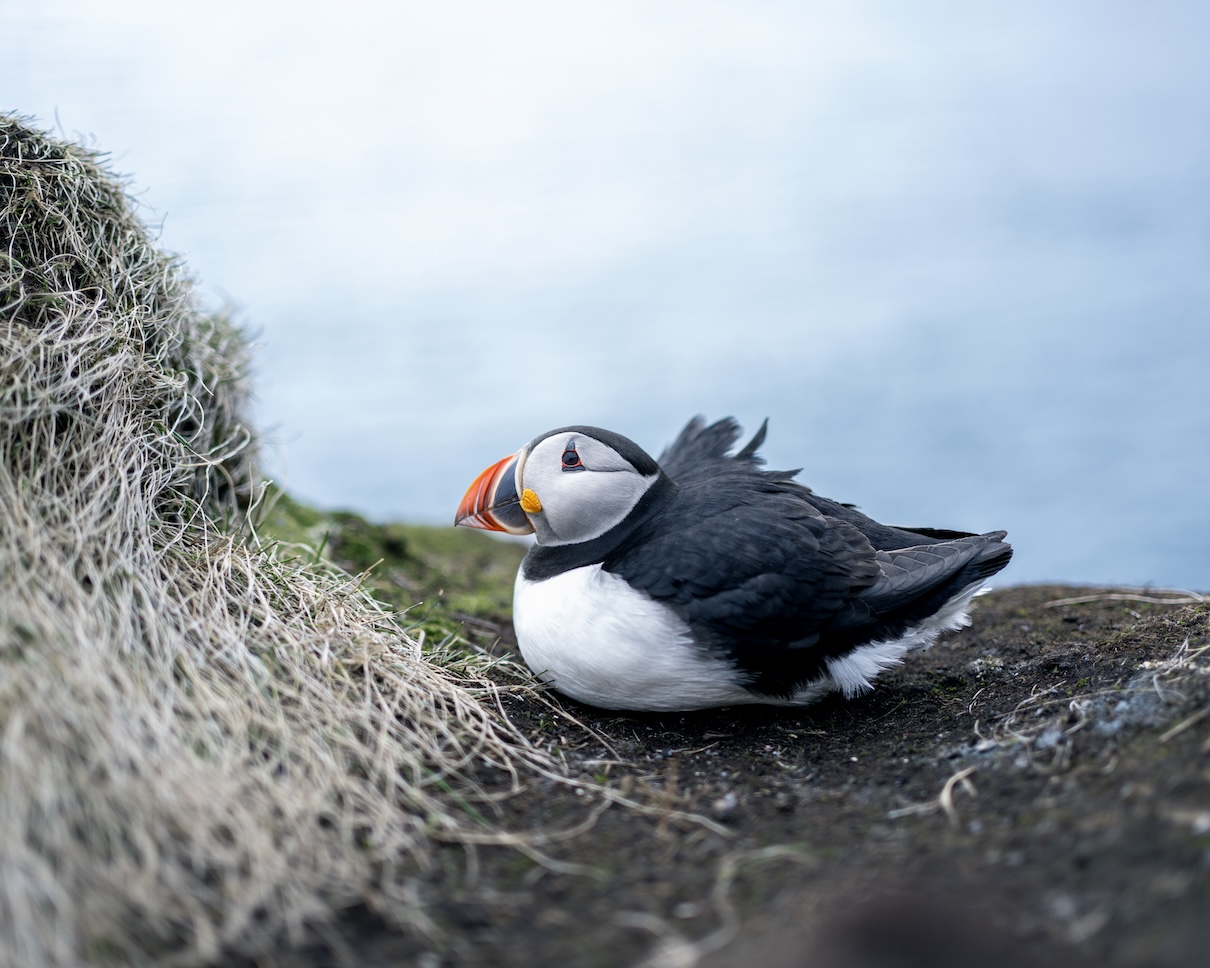
The Atlantic Meridional Overturning Circulation (AMOC) is the system of ocean currents that mediates weather on both sides of the Atlantic, and research suggests it’s shifting due to climate change in ways that threaten marine ecosystems, wildlife, agriculture and more.Though no one can yet prove how it’s changing and how soon, the latest research on the AMOC should be understood as a warning sign that the potential outcomes could be even more severe than projected, a new op-ed argues.“Discussions about AMOC weakening should not be confined to maps of temperature and rainfall. They should also be about biodiversity, fisheries, and the resilience of ocean ecosystems already under strain,” the author writes.This article is a commentary. The views expressed are those of the author, not necessarily of Mongabay.
When a scientist says, “We don’t know yet,” it can sound like a shrug. In reality, it often means the opposite: We are worried enough to be careful. The public can reasonably ask why some climate risks, especially tipping points, don’t arrive with alarm and immediate action. George Monbiot recently voiced a frustration many people feel: Why has the possibility of an Atlantic Meridional Overturning Circulation (AMOC) shift not prompted a bigger political and media response?