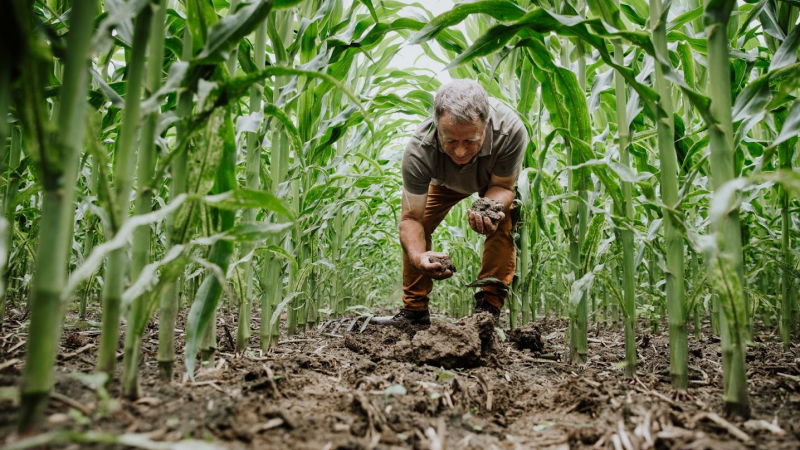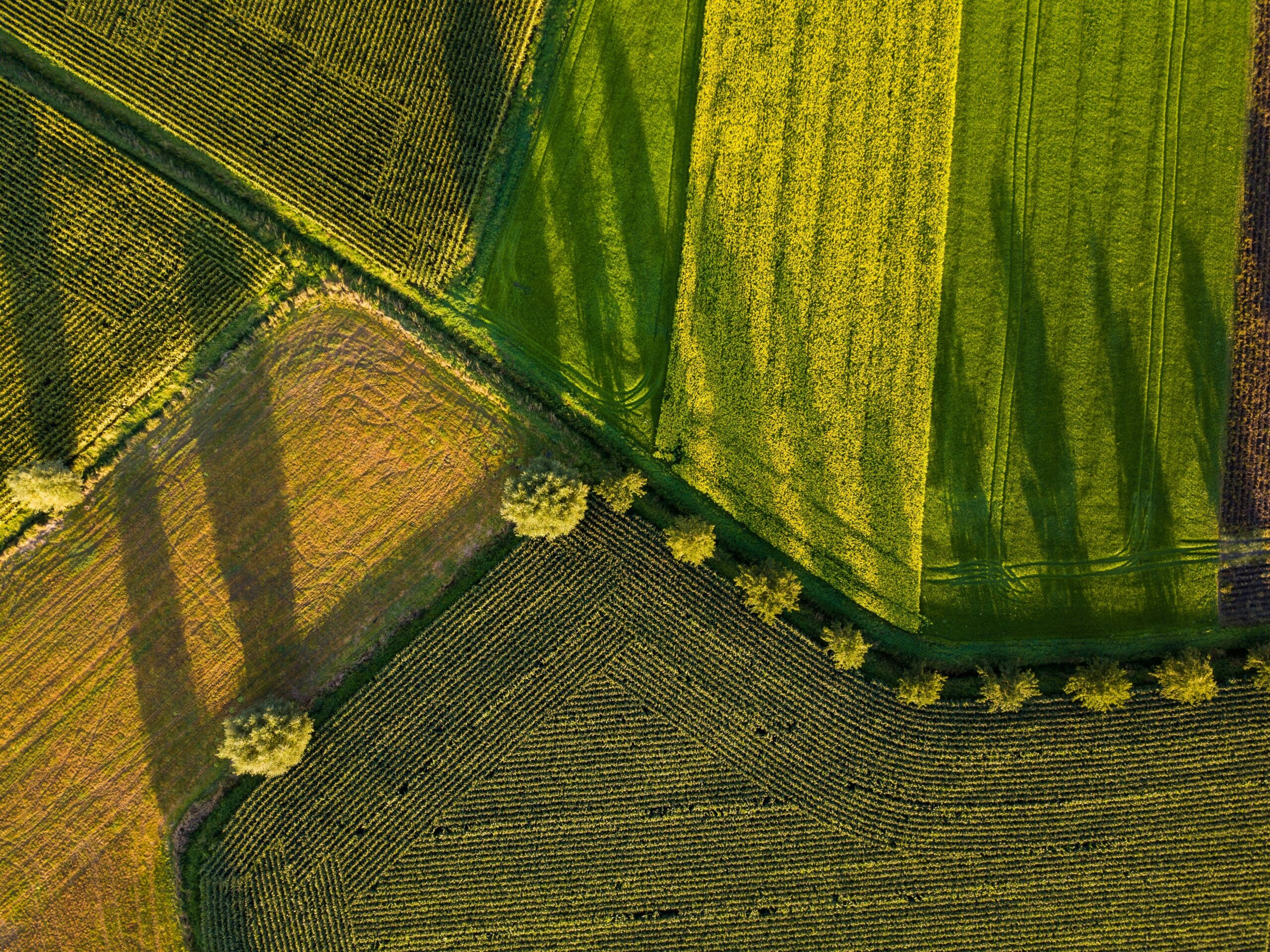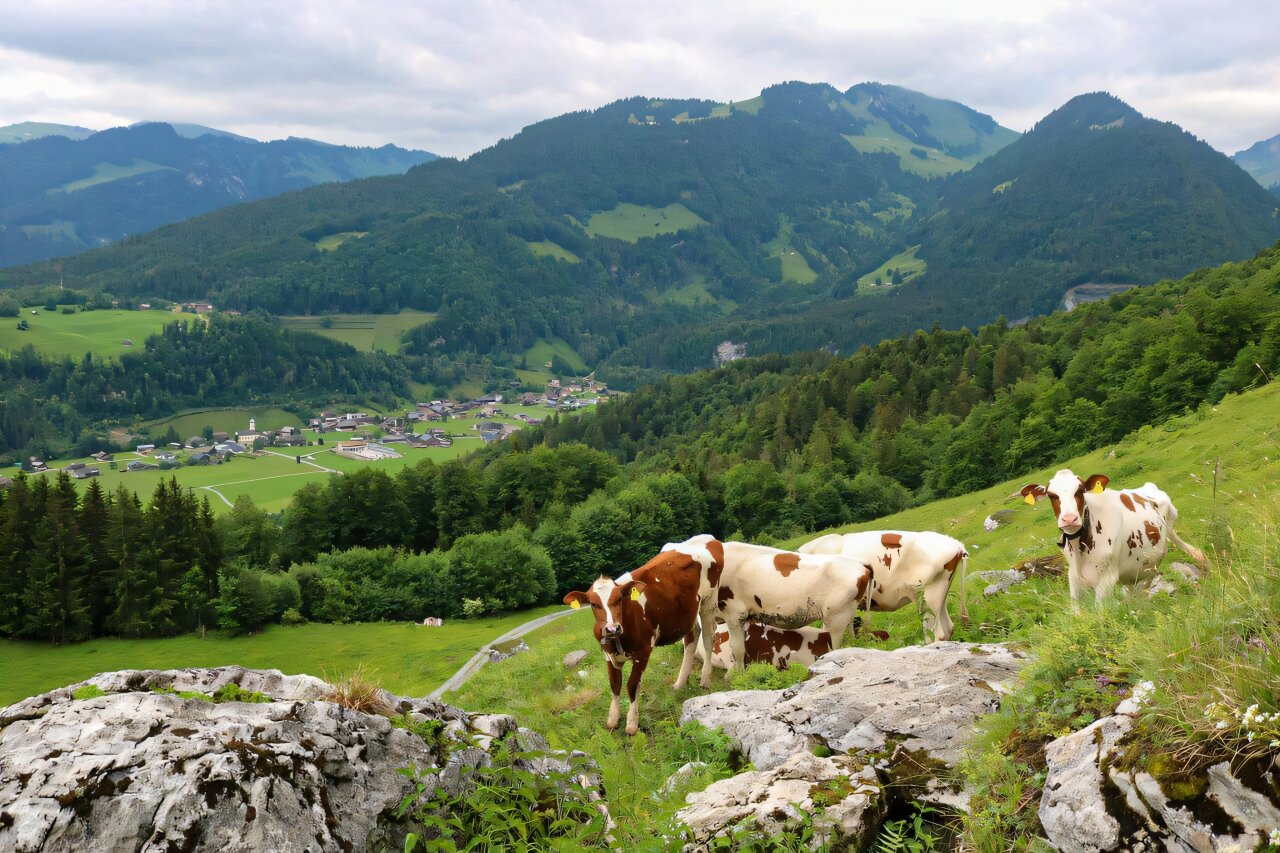
The Austrian hay milk farming system where cows graze on pastures. Credit: ARGE Heumilch
Traditionally farmed landscapes can help produce food while also protecting nature and keeping cultural traditions alive. A research team led by the University of Göttingen recently examined Globally Important Agricultural Heritage Systems (GIAHS) as defined and recognized by the Food and Agriculture Organization of the United Nations. The researchers found that these landscapes can offer practical lessons for sustainable land use worldwide—but only if strategies are adapted to local people, environments and farming traditions. The results are published in Ecology & Society.
Maria Chiara Camporese, Ph.D. researcher, who led this study, here carrying out research on an earlier, separate project in Sardinia (Italy) in front of a flock of sheep used for milk and meat production according to traditional farming practices. Credit: Giorgio Andrian
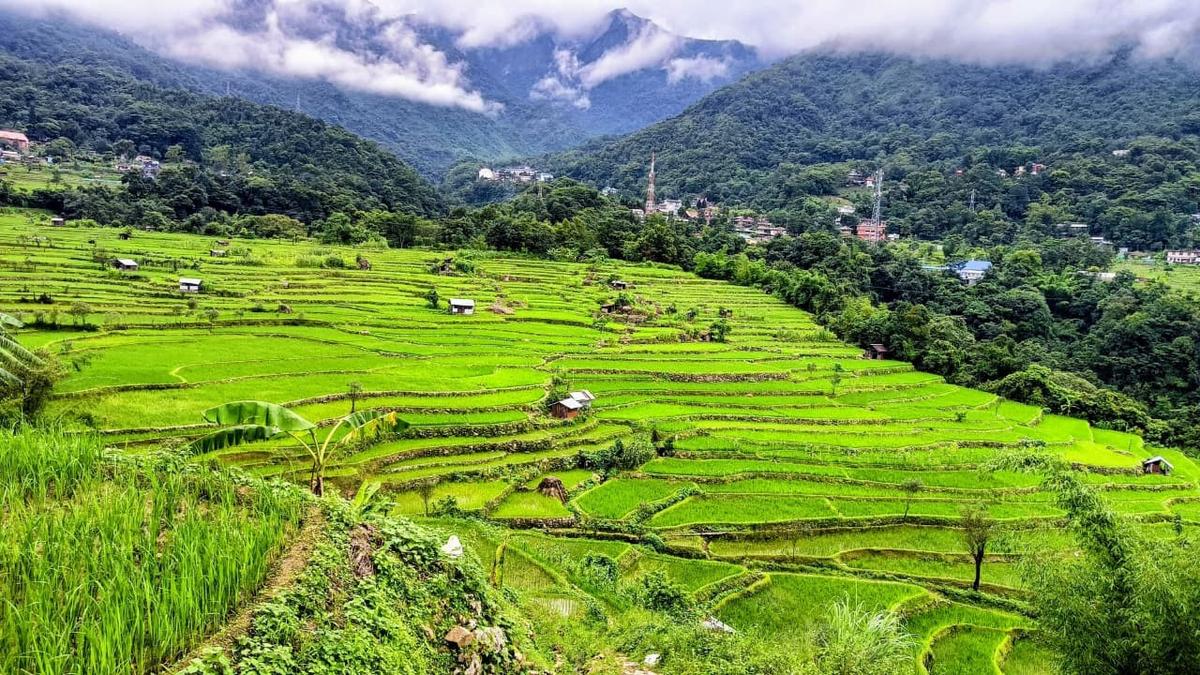
The study looked at agricultural heritage systems around the world, including terraced rice fields in the Philippines; traditional pastoral systems such as livestock grazing, and rye and potato farming in the mountainous areas of Portugal; oasis agriculture, where date palms are cultivated thanks to traditional irrigation systems; and mixed farming landscapes.