From back gardens to hi-tech hydroponics, the future of food doesn’t have to be rural
I
n 1982, artist Agnes Denes planted 2.2 acres of wheat on waste ground in New York’s Battery Park, near the recently completed World Trade Center. The towers soared over a golden field, as if dropped into Andrew Wyeth’s bucolic painting Christina’s World. Denes’s Wheatfield: A Confrontation was a challenge to what she called a “powerful paradox”: the absurdity of hunger in a wealthy world.
The global population in 1982 was 4.6 billion. By 2050, it will be more than double that, and the prospect of feeding everyone looks uncertain. Food insecurity already affects 2.3 billion people. Covid-19 and extreme weather have revealed the fragility of the food system. Denes was called a prophet for drawing attention to ecological breakdown decades before widespread public awareness. But perhaps she was prophetic, too, in foreseeing how we would feed ourselves. By 2050, more than two-thirds of us will live in cities. Could urban farming feed 10 billion?
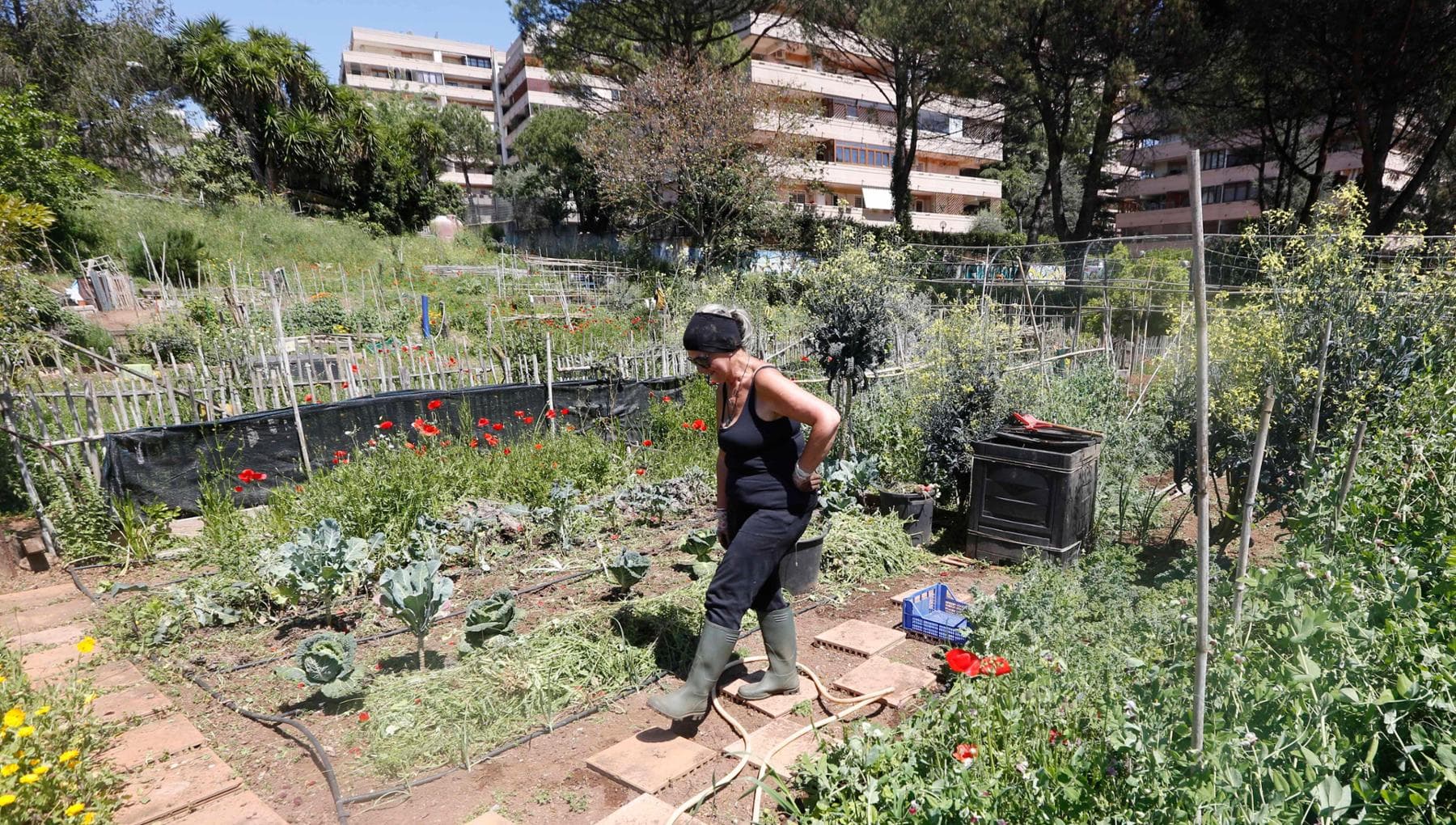
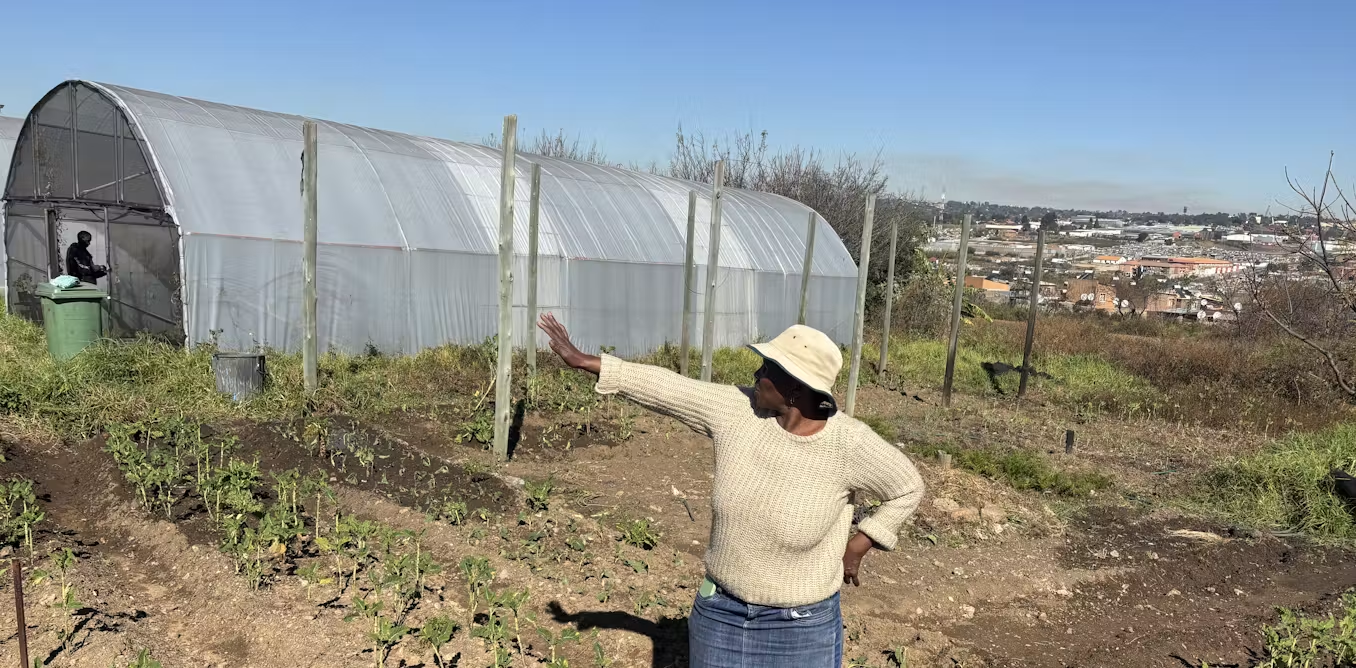
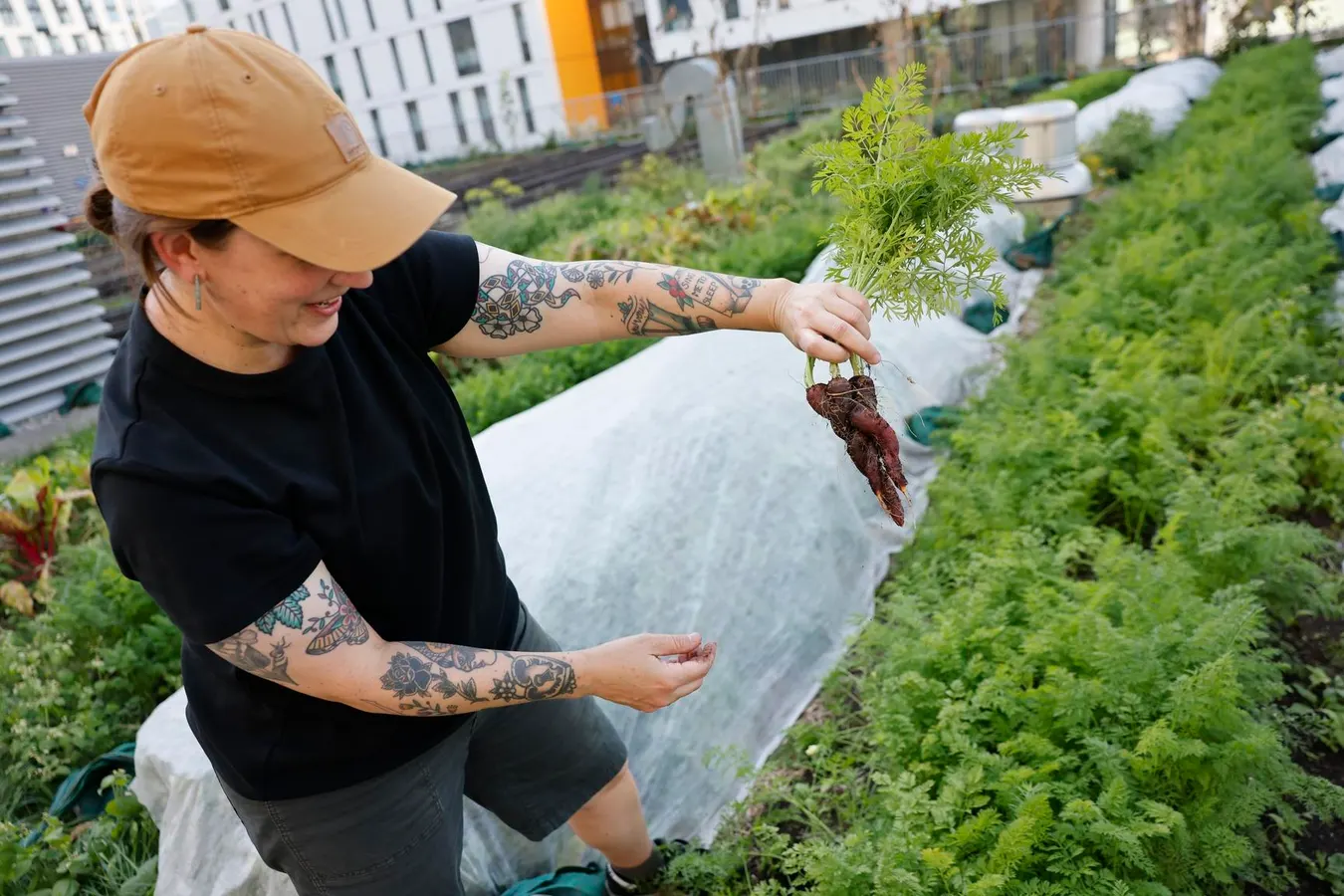
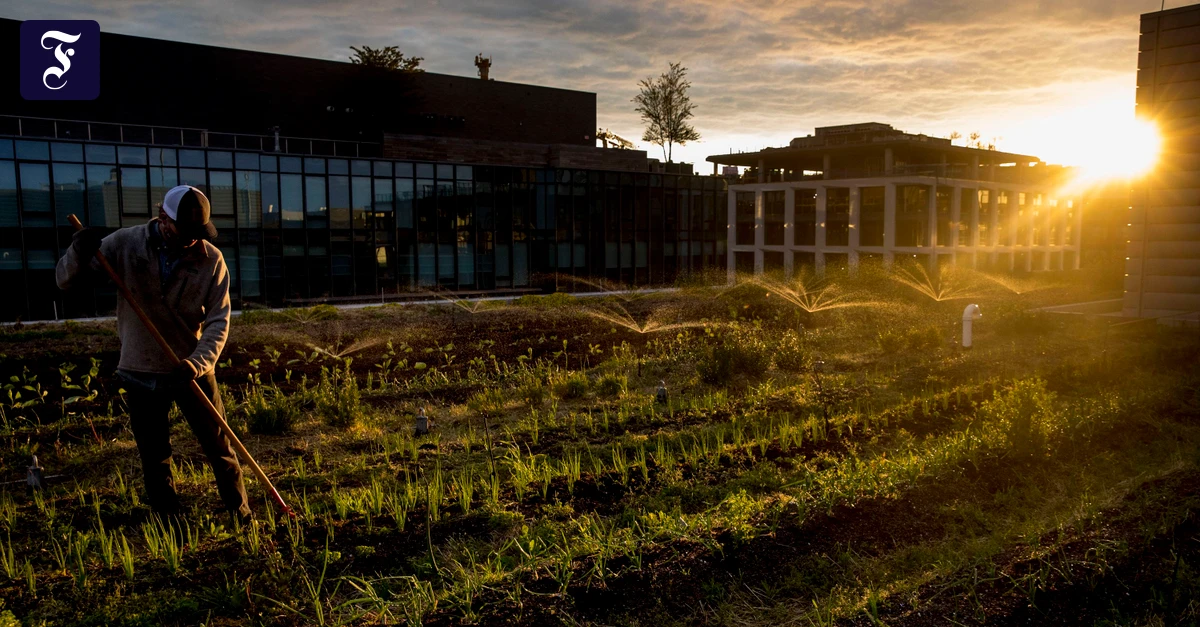
Urban agriculture (UA) covers everything from hi-tech approaches such as vertical farming and soil-free processes such as hydroponics, aeroponics and aquaponics, to guerrilla gardening on the urban fringe. It’s not a new idea: victory gardens supplemented rationing during both world wars. In the 1970s and 80s, the “green guerrilla” movement farmed hundreds of vacant lots across Manhattan. In the 1990s, the UN recognised urban agriculture as crucial to development. During the Syrian civil war, citizens of besieged eastern Ghouta farmed mushrooms in their basements.