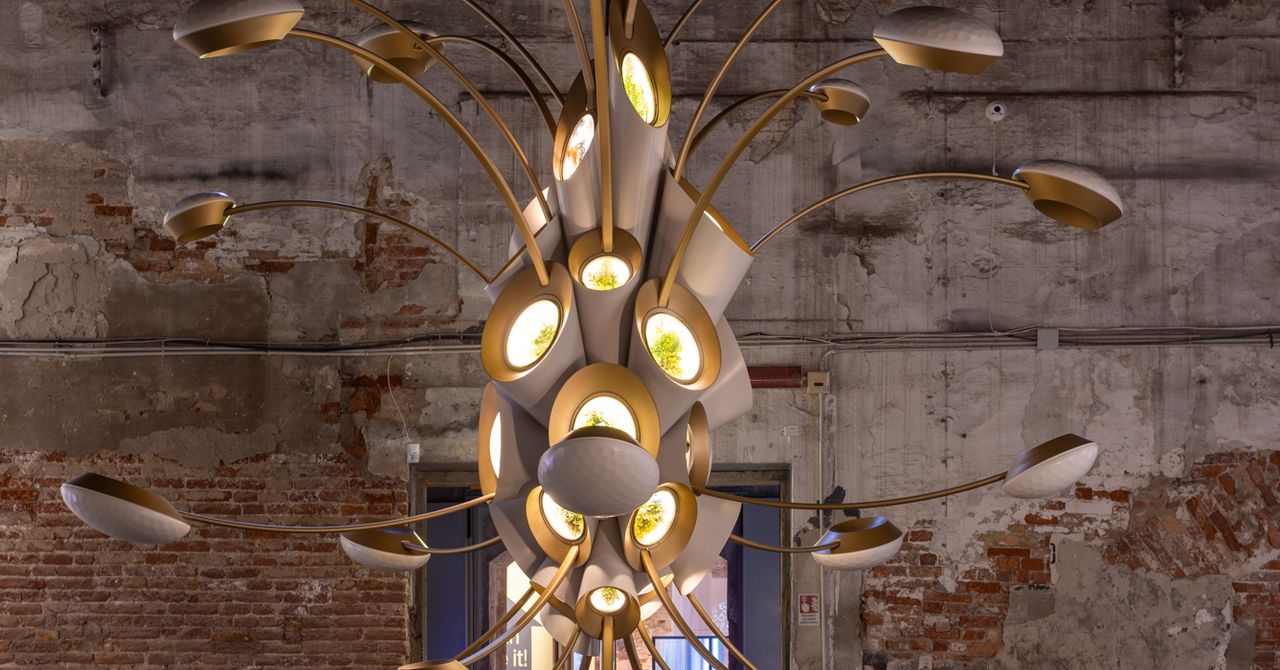
IT LOOKS LIKE some kind of seed pod or pine cone caught mid-explosion. At the center, there’s a jumble of trumpets-turned-terraria—conical containers for space-going plants—and from this central core extend more than two dozen curved and spindly arms, each with a heavy-looking disc at its end.
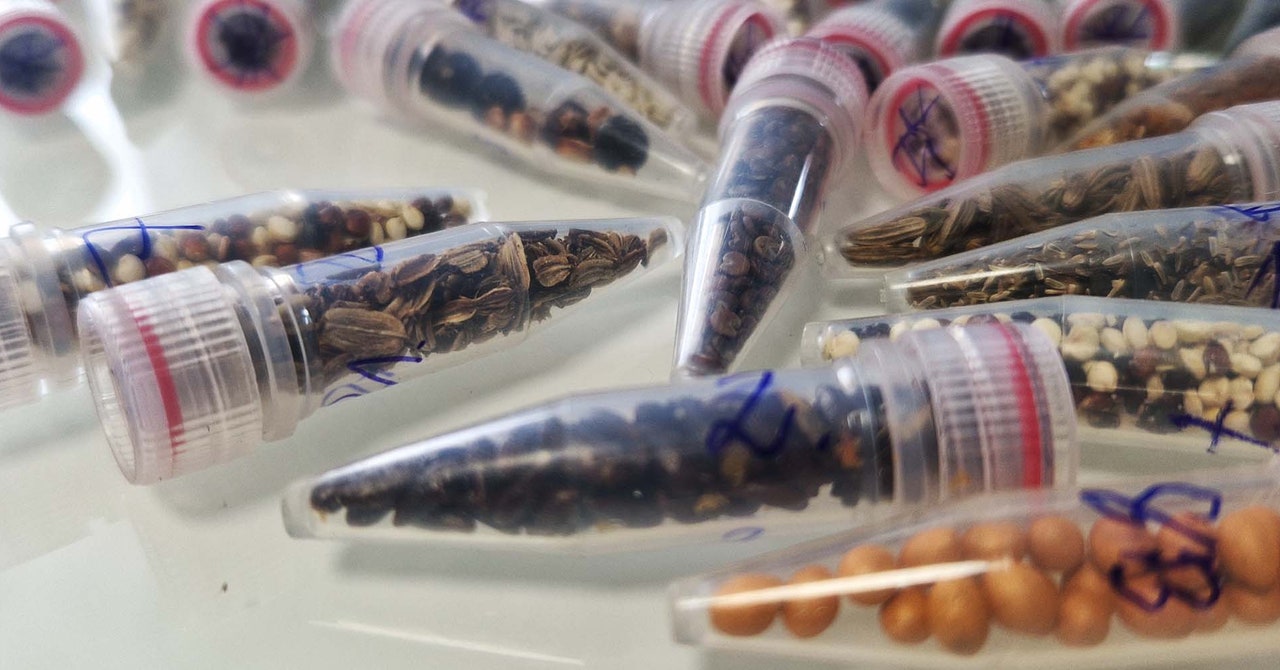
This is a Space Garden. Well, a one-third-scale model of one that was exhibited last week at the Venice Biennale exhibition in Italy. The people who came up with Space Garden want to send a full-size version, stocked with real plants and seeds, to low Earth orbit within the next five to seven years.
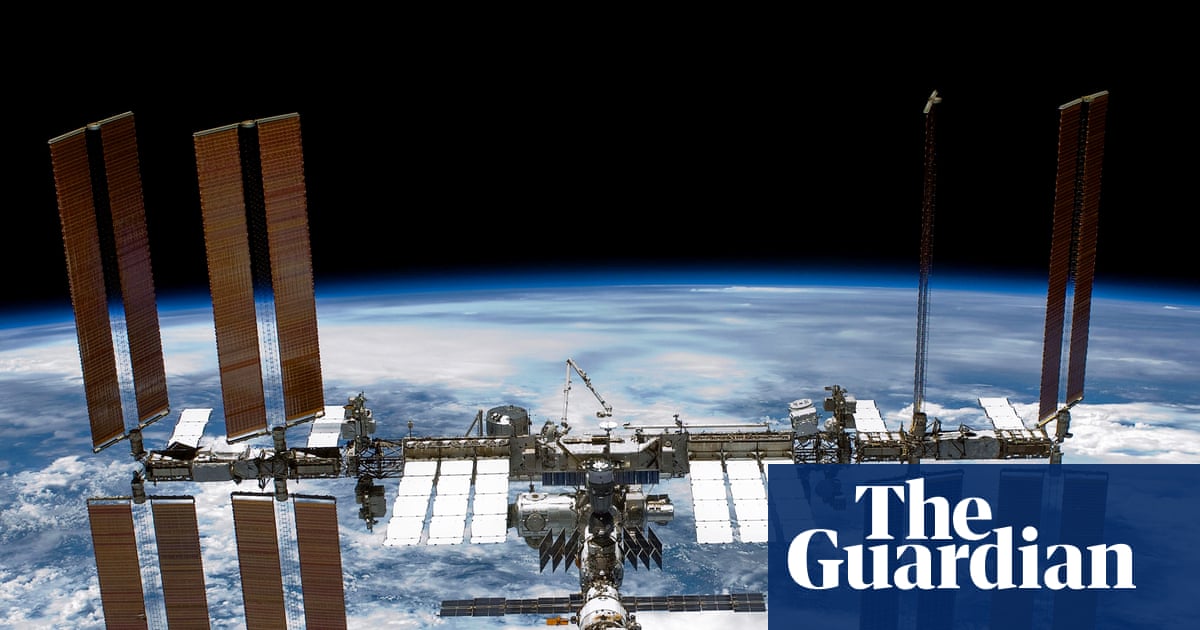
It is, in part, an effort to reimagine what life in space could be like. “People will commute to space for work,” asserts Ariel Ekblaw, CEO of Aurelia Institute, a nonprofit space architecture design lab. And they’re going to appreciate having some greenery around when they get up there, she adds. “If we start with nature, we might go on a more fruitful pathway to a life worth living in space,” explains Stuart Wood, executive partner at Heatherwick Studio, a London-based design and architecture firm that is collaborating with Aurelia Institute on the Space Garden project.
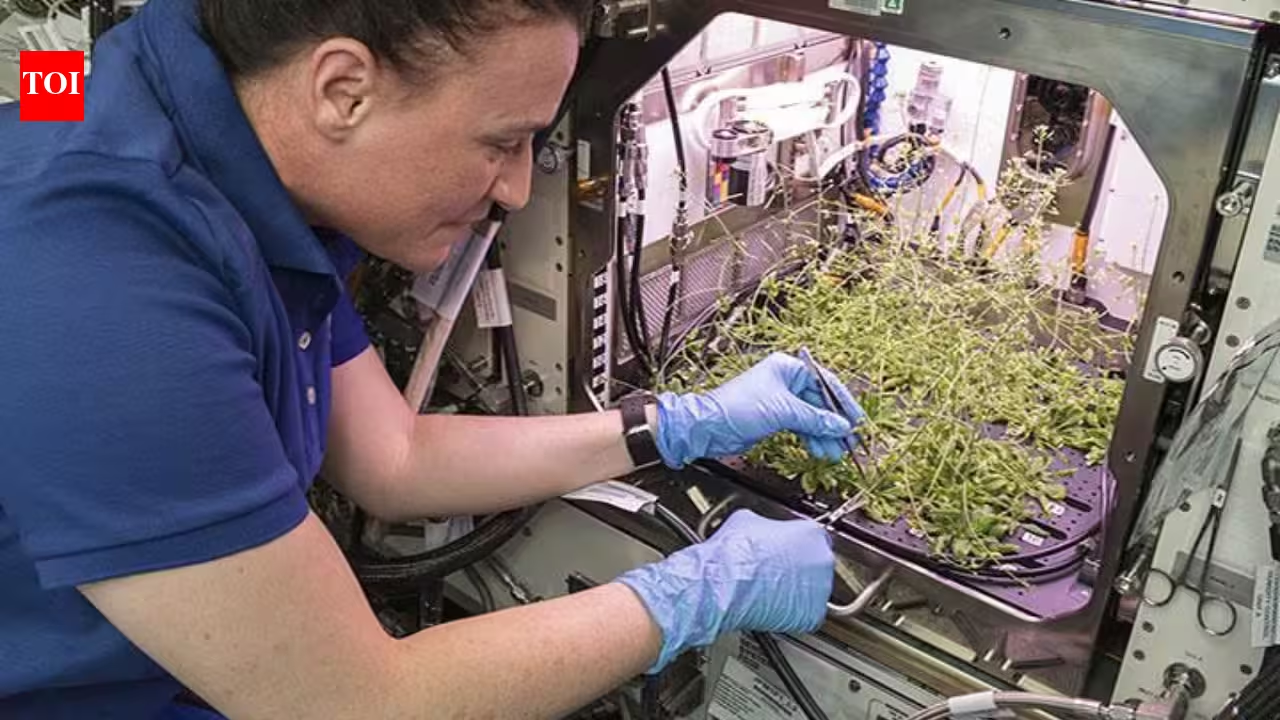
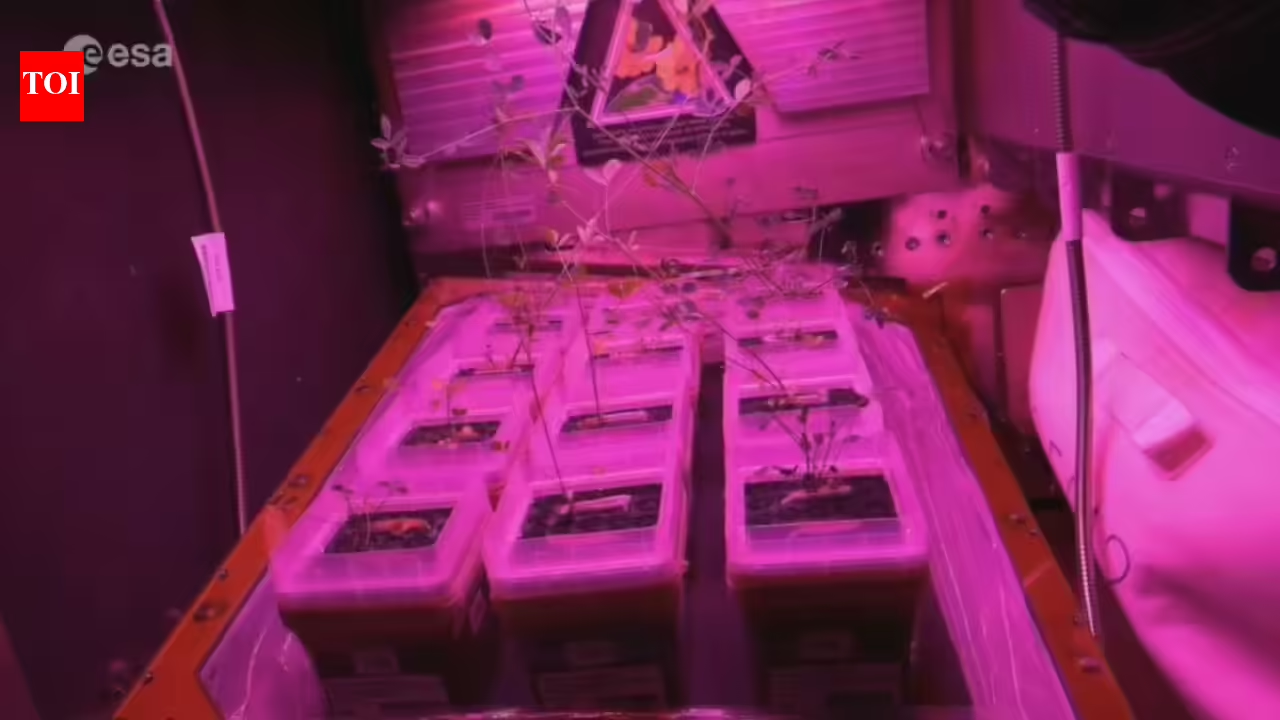
For decades, astronauts have dabbled in space gardening. Russian cosmonauts were the first to grow plants in space during the 1970s—their crops included onions, some of which were later eaten by residents aboard the Salyut 1 space station. Other orbital adventurers have grown thale cress, tomatoes, zinnias—and a Chinese probe even carried cotton seeds to the far side of the moon in 2019. Two weeks post-landing, the seeds had sprouted (but, ahem, they soon froze to death during the outrageously cold lunar night).