Scientists say plant’s resilience suggests it could help with oxygen generation or soil formation on space missions
Matt Damon grew potatoes for survival in The Martian, but researchers say mosses could one day help turn the dust and rocks of other planets into fertile soil.
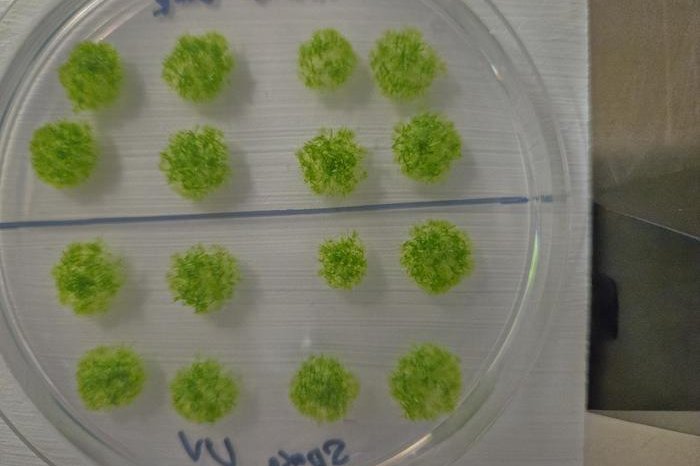
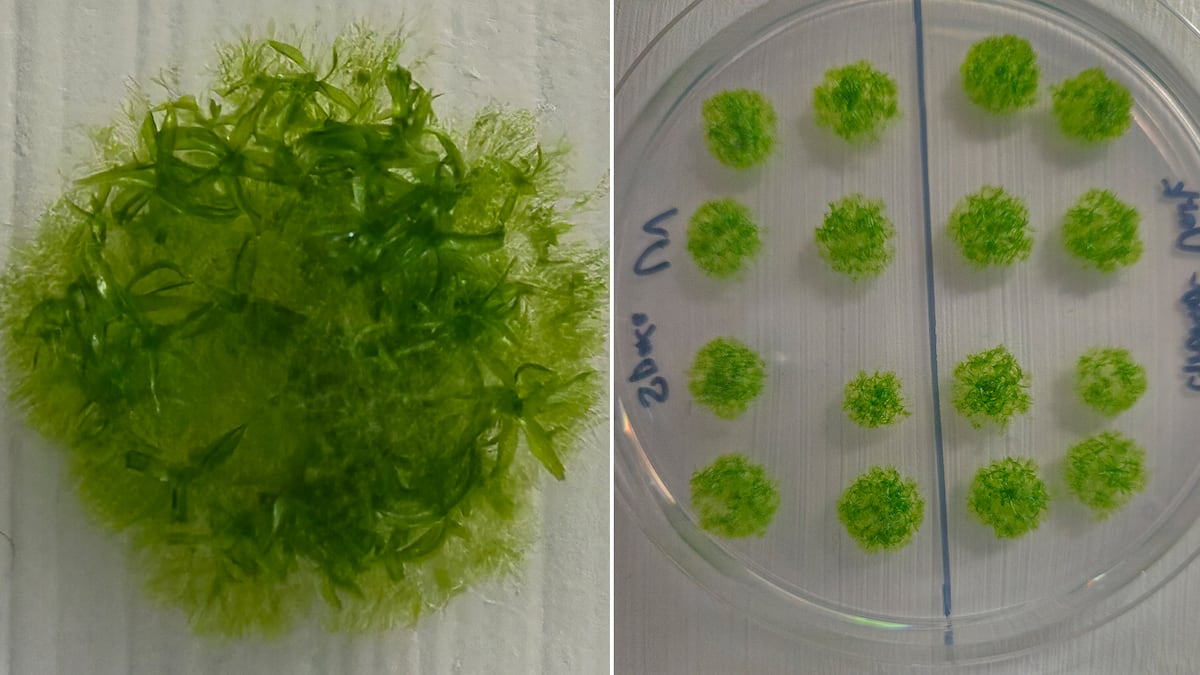
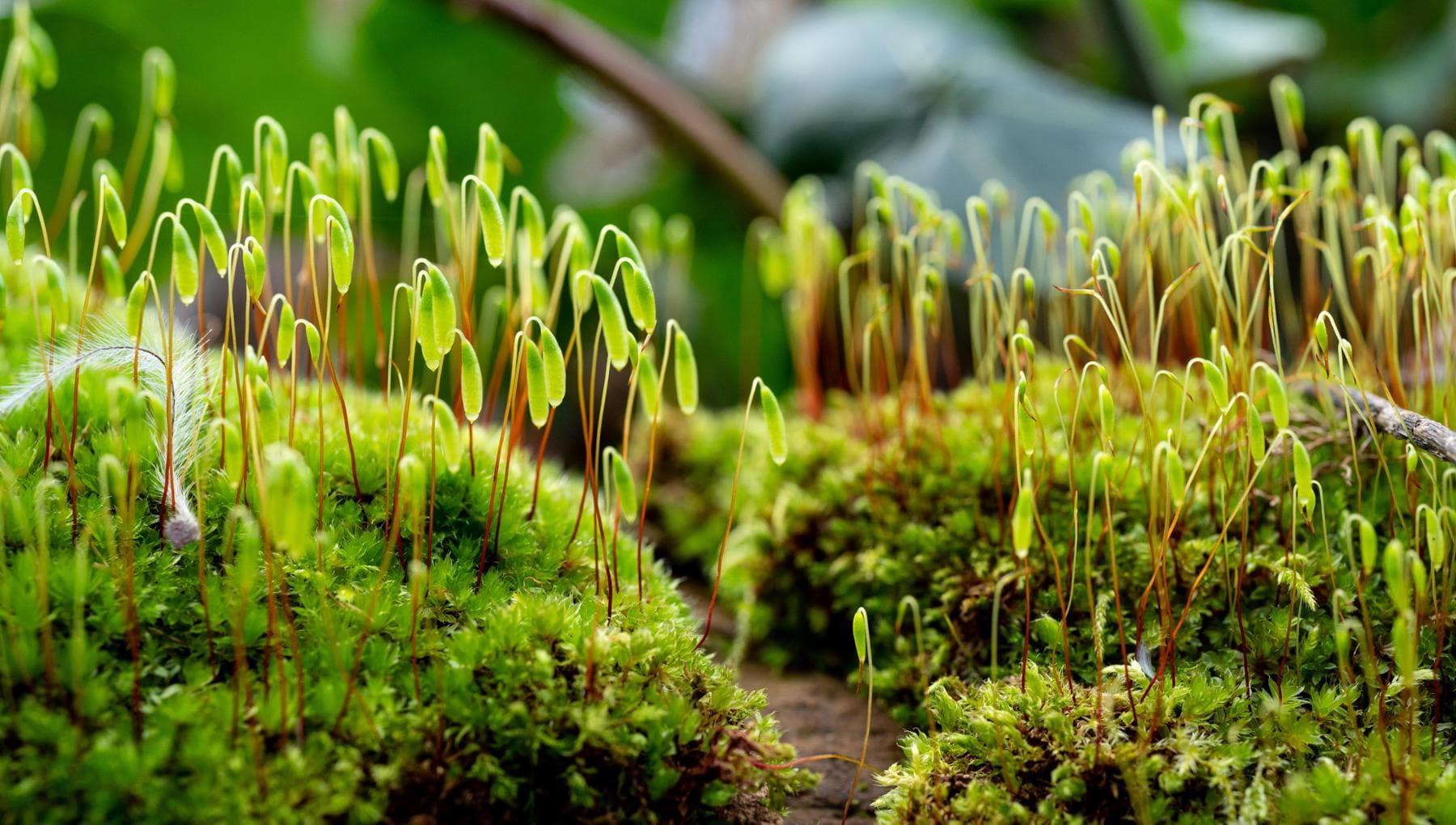
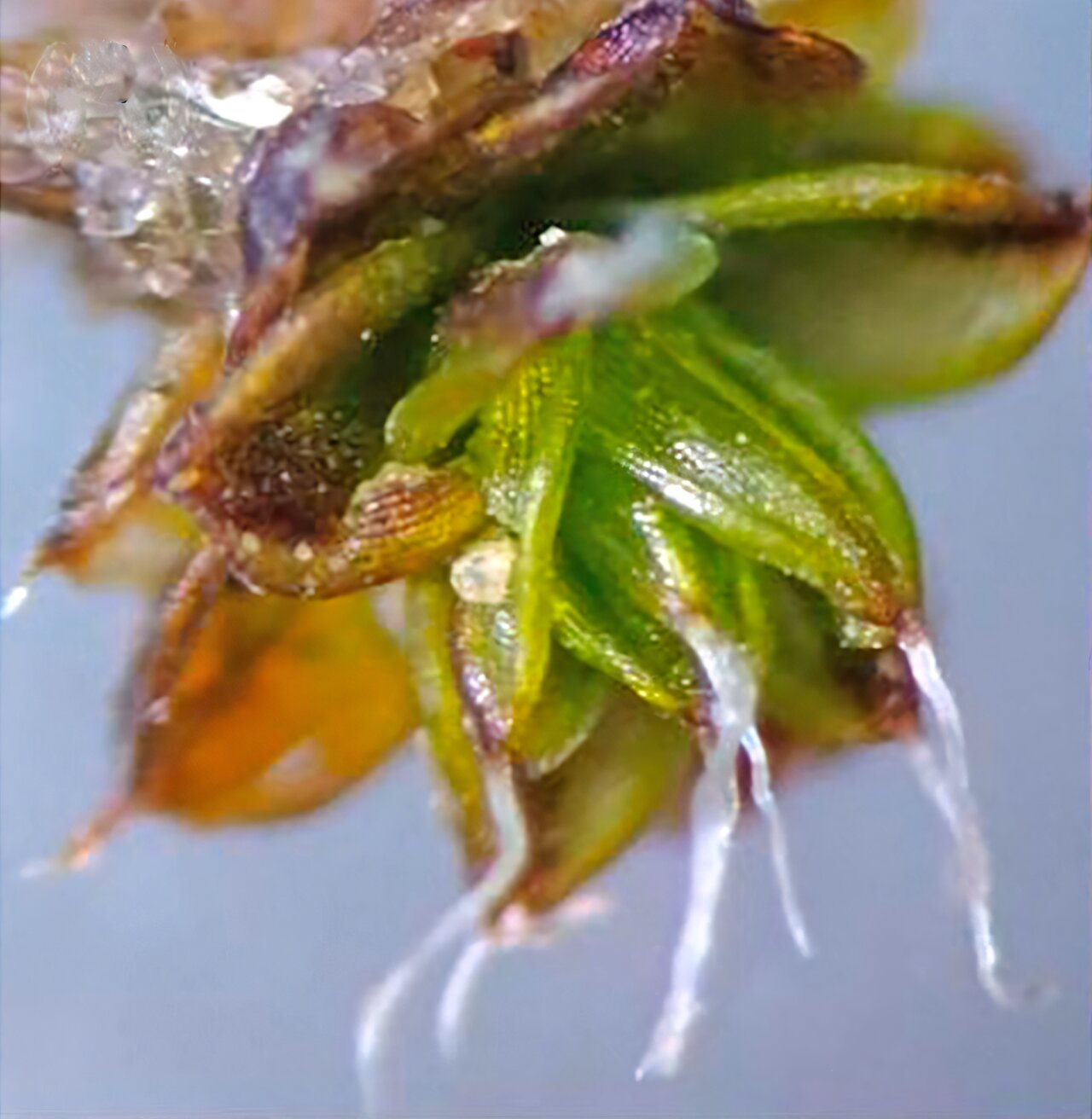
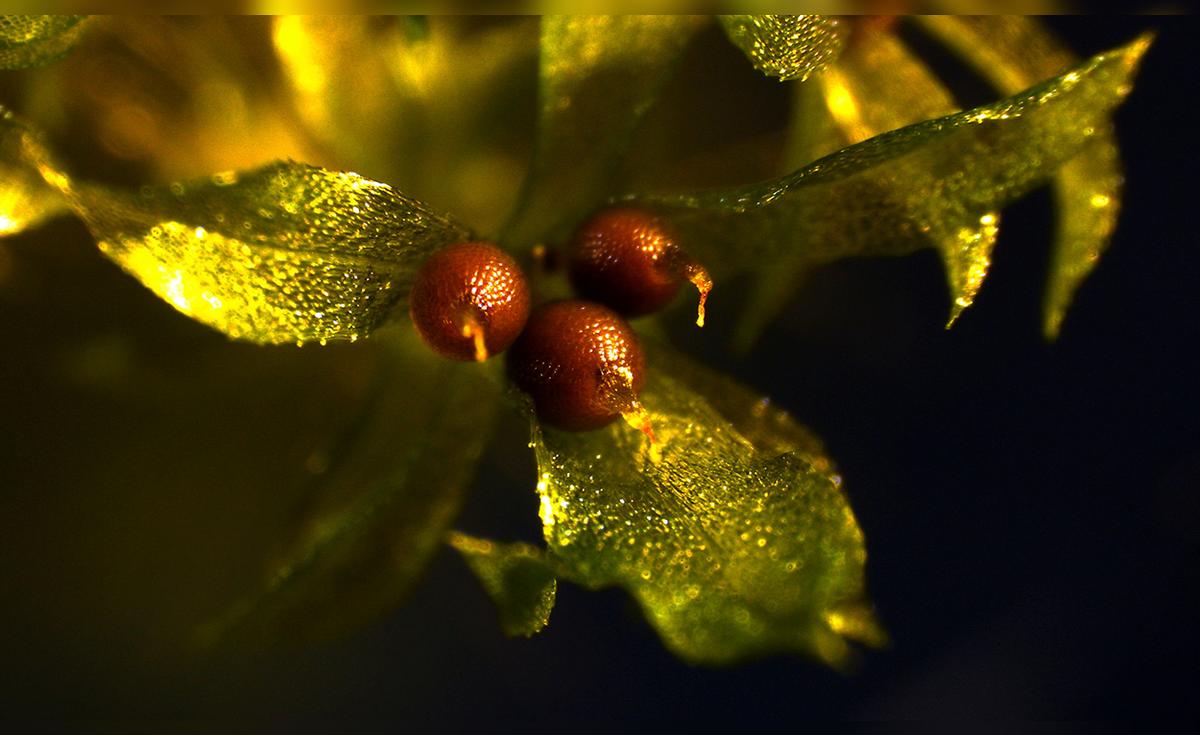
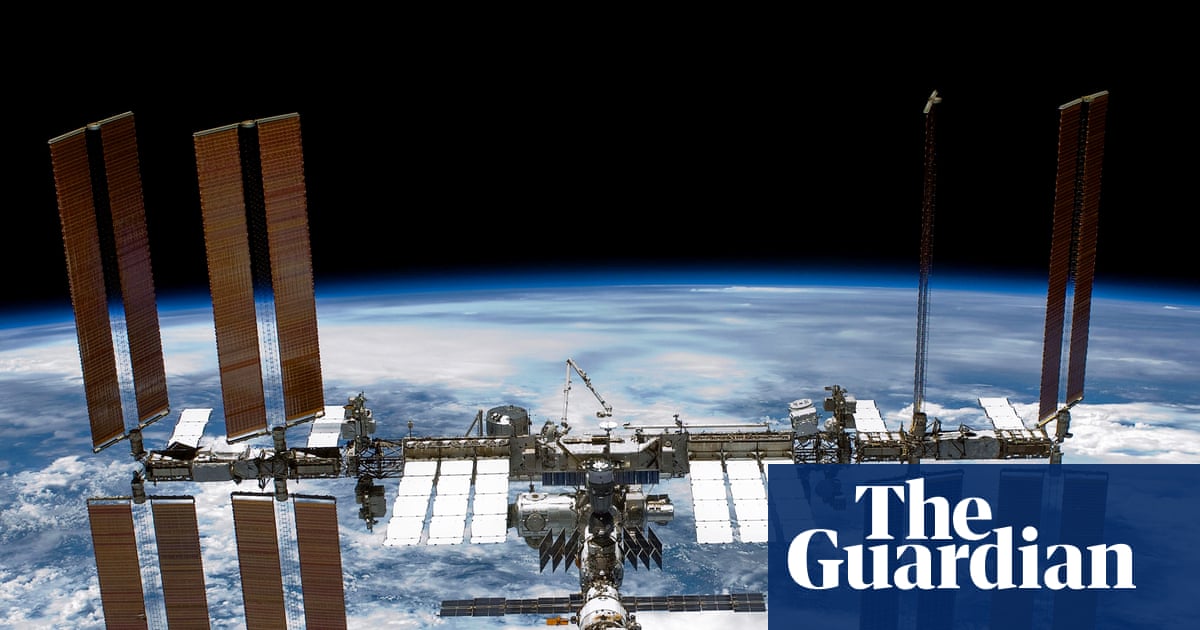
Physcomitrella patens, or spreading earthmoss, is already known as a pioneering species – albeit for being an early plant on the scene in areas of barren mud. Now researchers have found that spores of the moss can survive for at least nine months stuck to the outside of the International Space Station (ISS) and still reproduce once back on Earth.
Although the plant is inedible, researchers say the findings could be important for space exploration.
Dr Tomomichi Fujita, the lead author of the study, from Hokkaido University in Japan, said: “While moss may not be on the menu, its resilience offers insights into developing sustainable life-support systems in space. Mosses could help with oxygen generation, humidity control or even soil formation.”