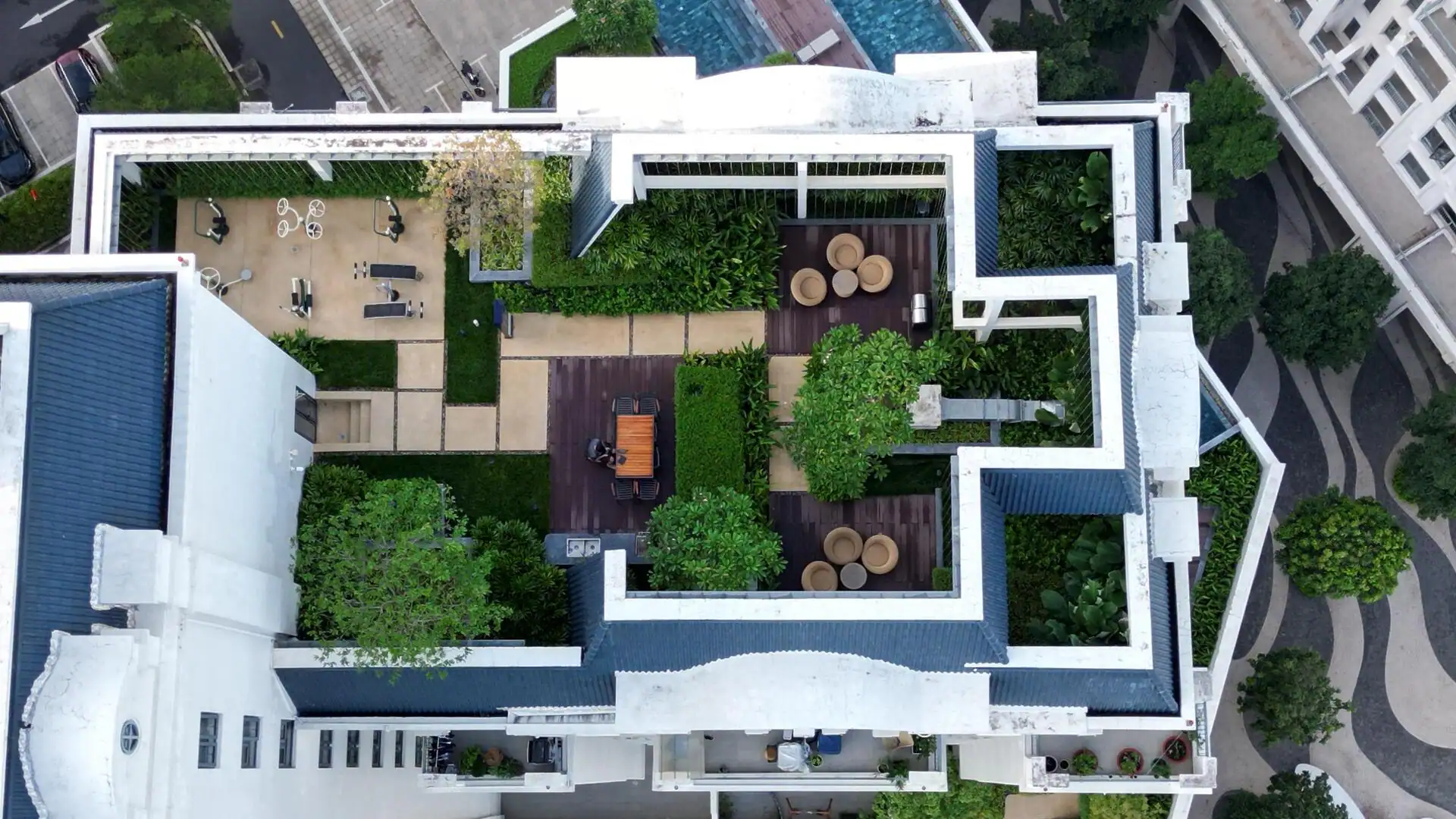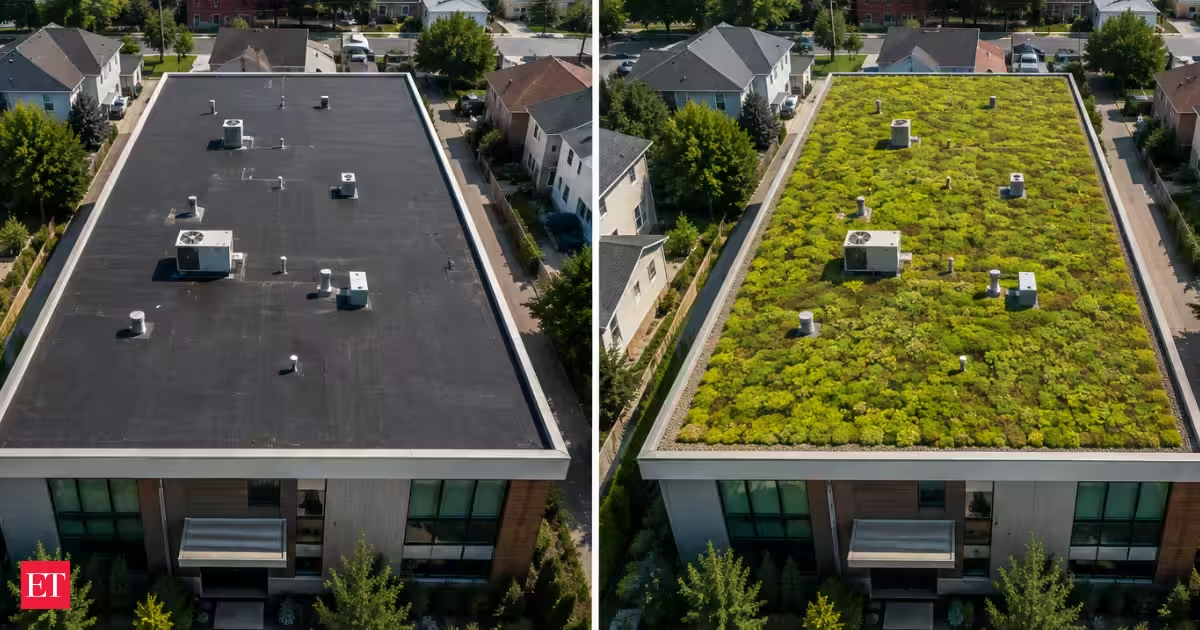
The city has long been a beacon of opportunity, where folks flock to make it big. But metropolises the world over are wasting a major opportunity — many, many square feet of it: Flat rooftops are painted white, when really they should be green.
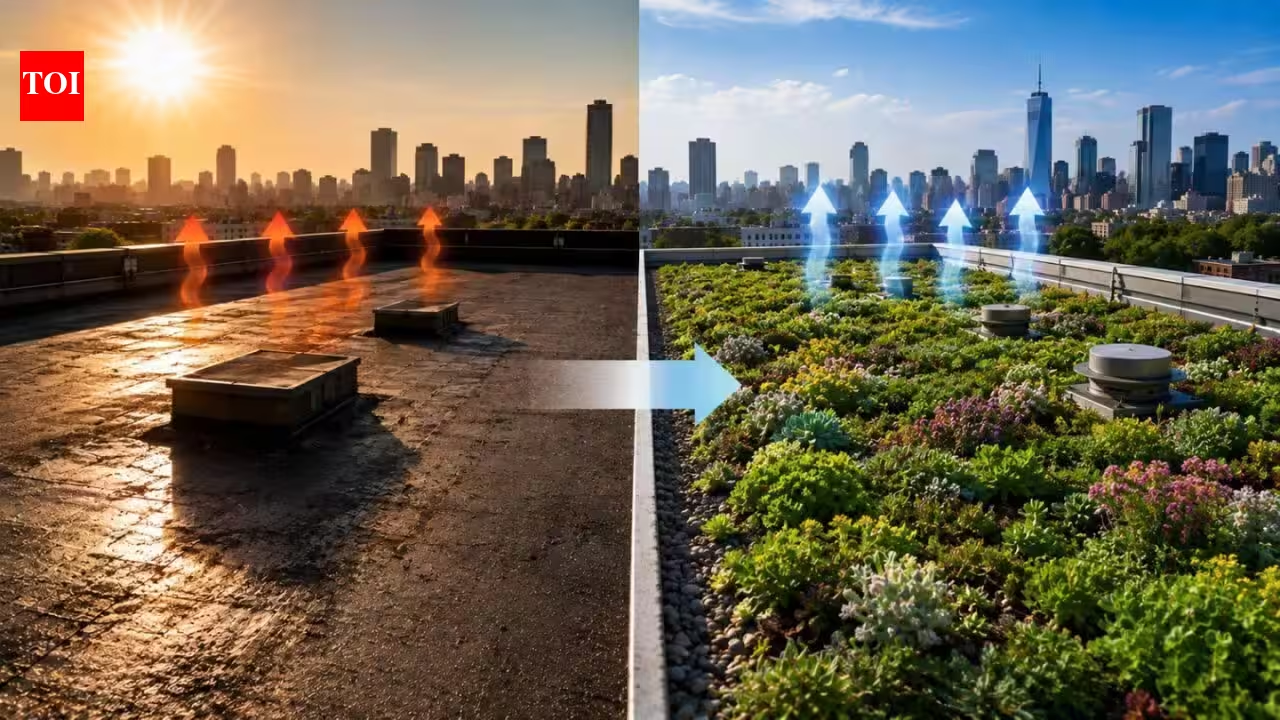
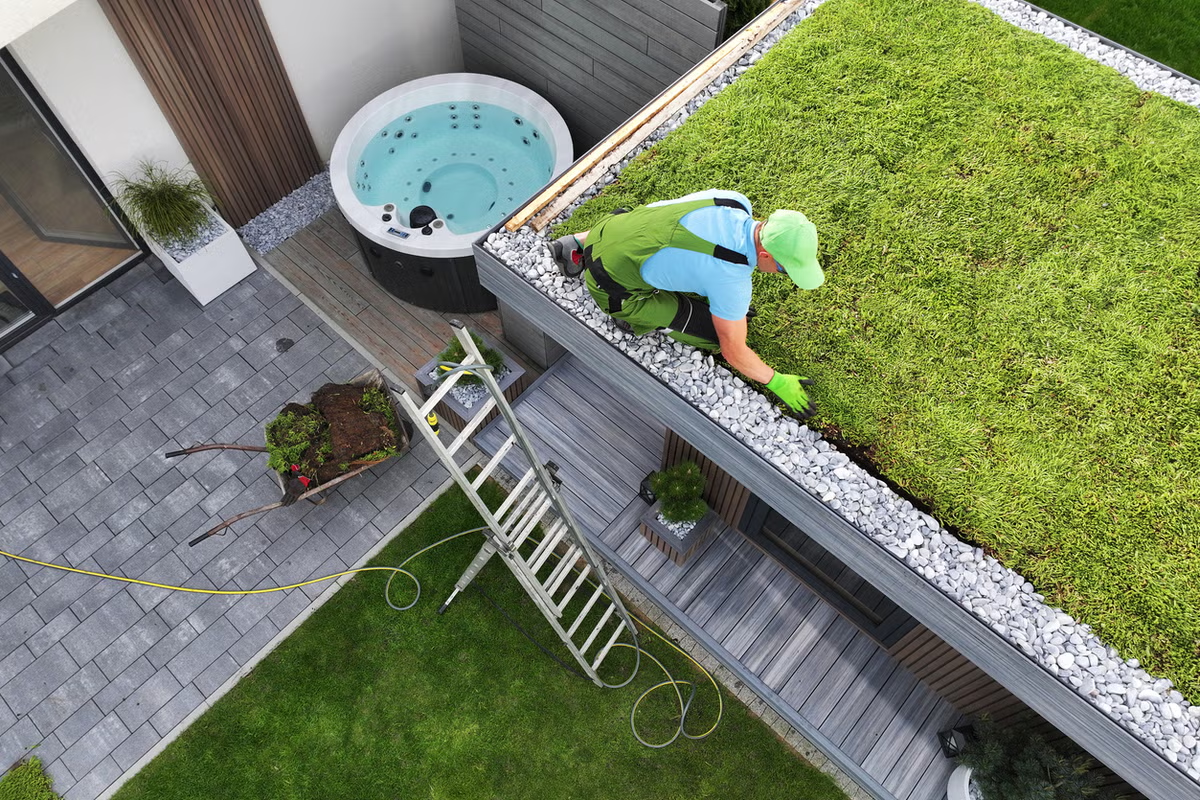
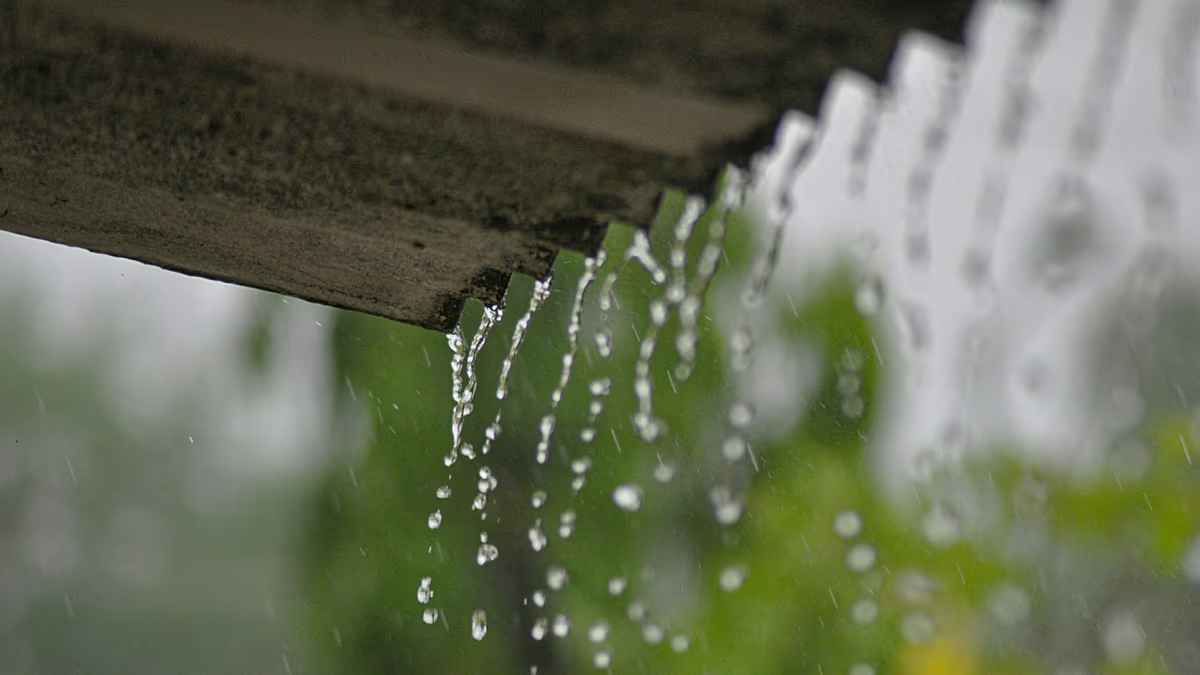
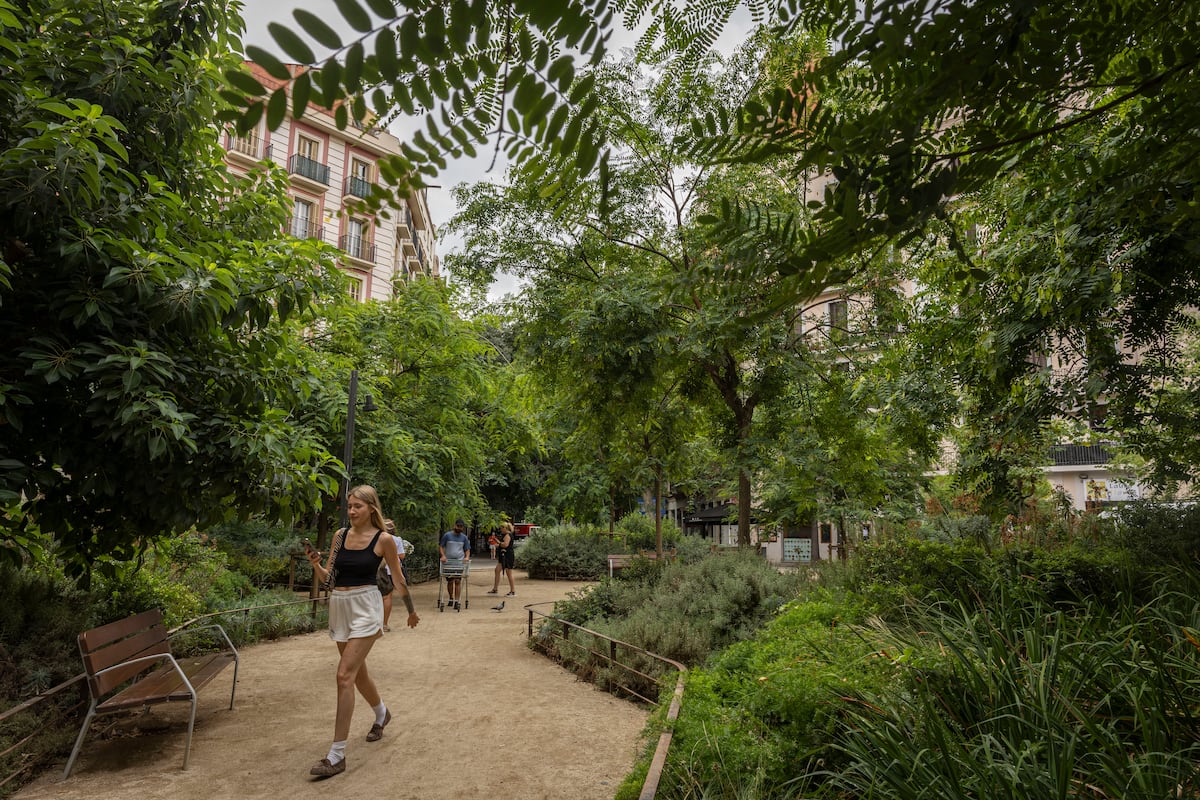
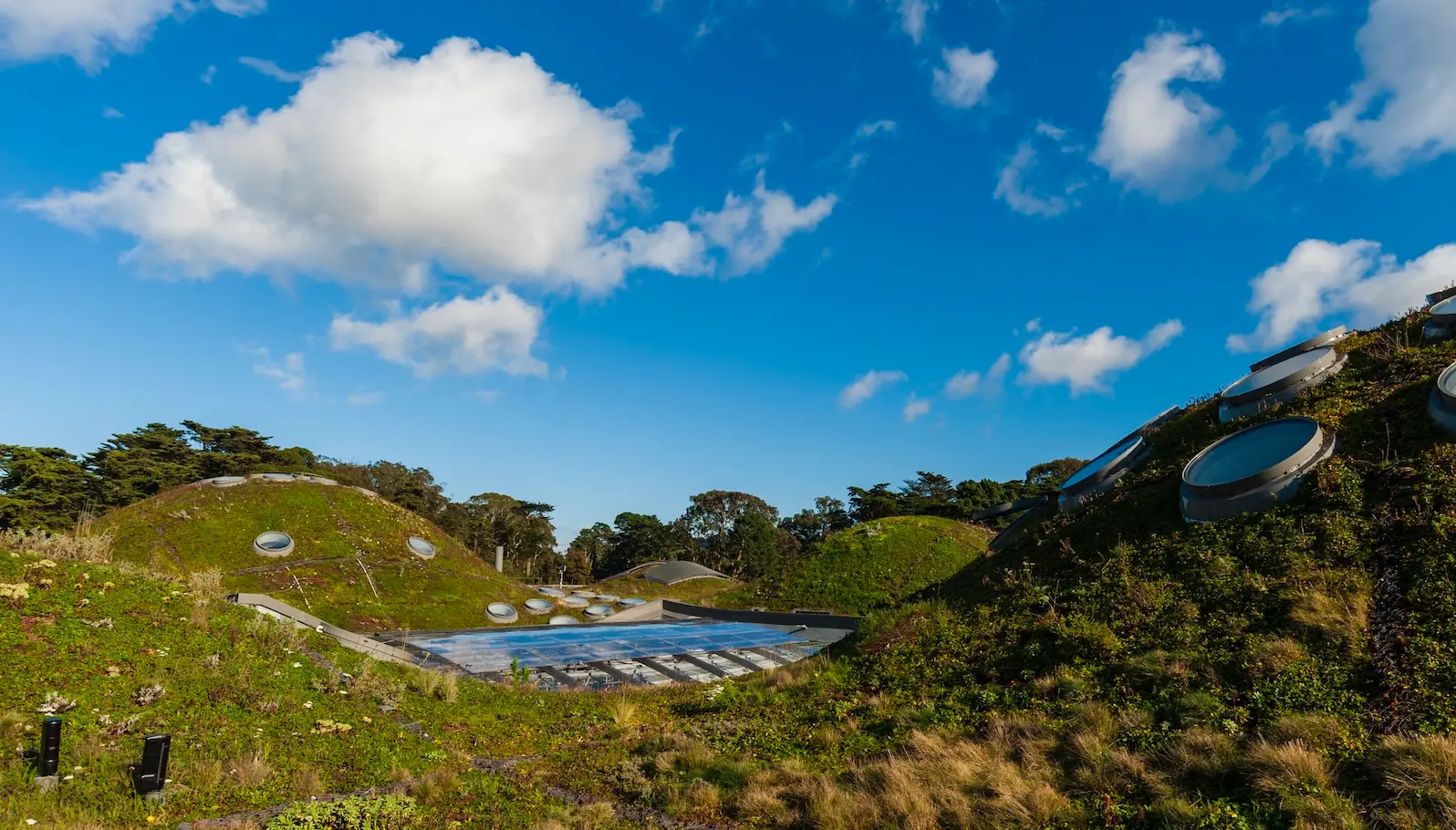
Not, mind you, shades of mint green, forest green, or lime green, but with the lushness of actual plants. Adding vegetation to roofs — even if it’s just a coating of grass, moss, and succulents — bestows many overlapping, reinforcing benefits not only on a building’s occupants and owner, but on the surrounding community. Like parks on the ground, gardens in the sky reduce local temperatures and help prevent flooding, all while improving urban biodiversity and feeding pollinators like bees.
According to a recent report prepared for the European Commission, the executive body of the European Union, if cities accelerated the transformation of these unused spaces into oases — and converted empty walls into vertical yet verdant surfaces — they’d make themselves more comfortable for urbanites as temperatures climb. Burgs might even start growing crops under solar panels, a burgeoning field known as rooftop agrivoltaics, simultaneously generating food and electricity. The technique could be especially powerful as urban populations continue to balloon: According to the United Nations, another 2 billion people could be living in cities by 2050. At the same time, a phenomenon called the urban heat island effect, in which the built environment warms much more than surrounding rural areas, is driving temperatures to increasingly dangerous levels.