view more
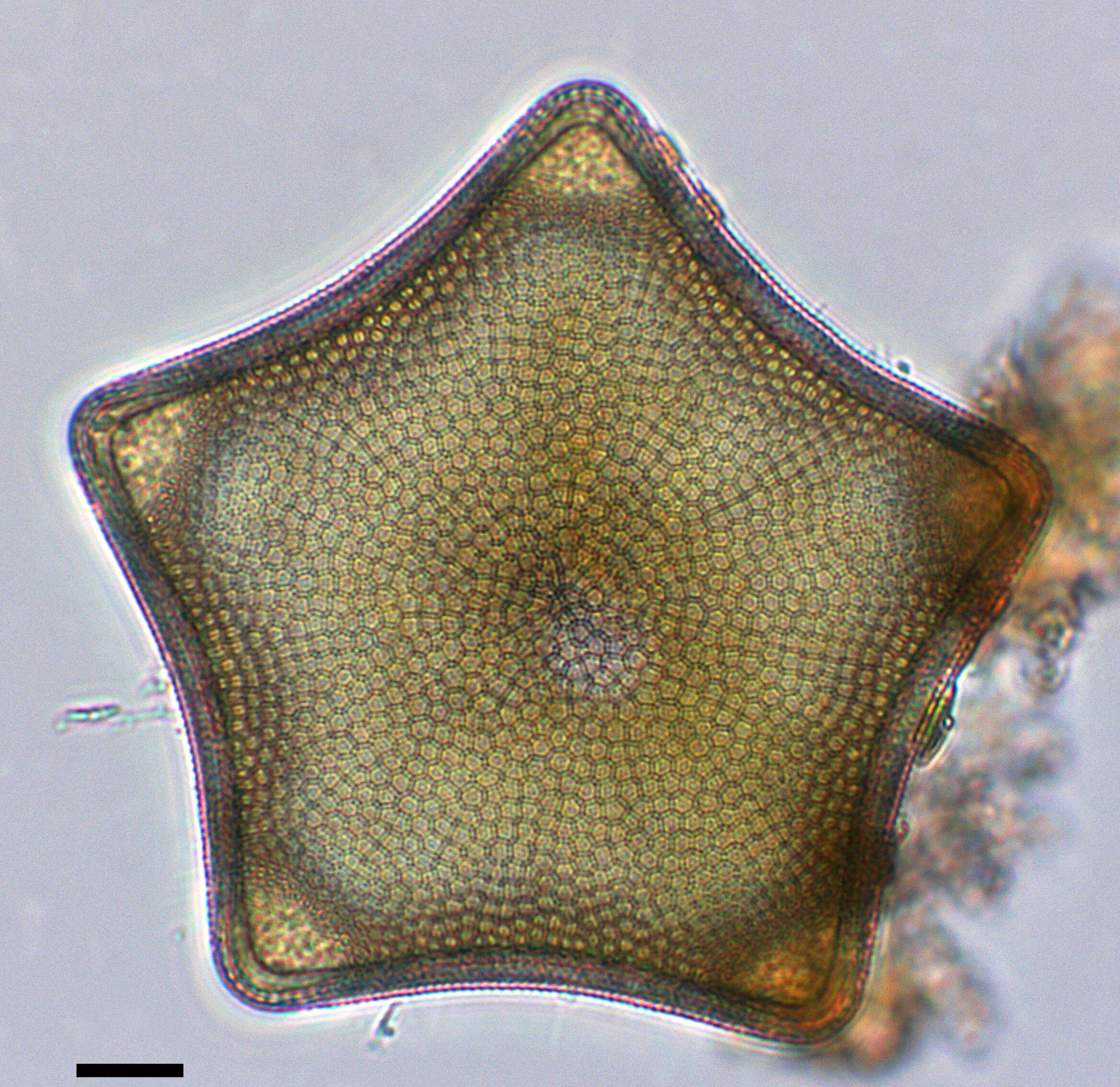
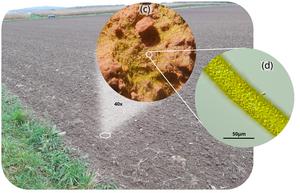
Intensive agriculture poses a significant threat to global biodiversity. However, one aspect of biodiversity in farmland is little studied: algae. Most people have seen algae growing in streams, lakes or the sea. However, algae have also adapted to survive in dryer, harsher conditions on land. In fact, soil algae are thought to be responsible for about 6% of the vegetation production on Earth. This led a research team at the universities of Göttingen and Kassel to investigate the algae in the surface soils of farmland. Their pilot study revealed more than 100 different algae, likely to be made up of hundreds of individual species. Unlike most other microbes, these algae showed seasonal variation in their communities. These are the first steps towards understanding the factors that determine the diversity of these important microorganisms. The results were published in the Journal Frontiers in Microbiology.
The team examined soils from farmed wheat fields, managed by nearby Kassel University. Samples were collected from the topsoil of the fields in spring, summer and autumn representing different conditions of wheat fields throughout the year. Molecular methods – such as DNA Metabarcoding – enabled the analysis of many samples at once and the identification of the large diversity of soil algae with higher precision than previous studies.